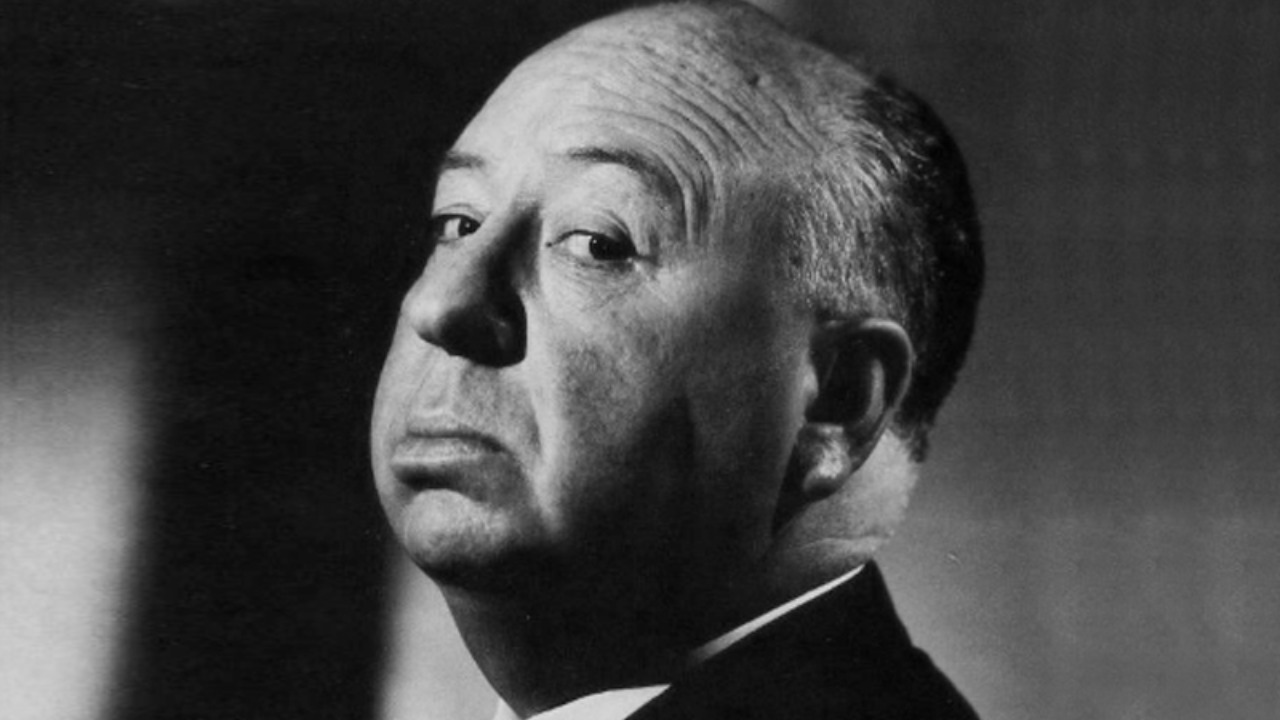
Few origin stories in Hollywood are as wild as Alfred Hitchcock’s. He’s the big guy who made all those scary movies. However, here is something people forgot: he never actually planned to be a director. He fell into the job because of a series of disasters and a quiet, tough woman named Alma.
Before the shower scene and all the birds, Hitchcock was a shy guy who liked to draw. He was scared of police horses and his own big dreams. Back in 1920, he was 21 years old. He made title cards for Paramount Pictures in London and was happy just drawing the words that popped up between scenes in silent movies. He said in a rare interview in 1975, “You must remember that early on, I had no intention of becoming a film director. I was content designing the titles for silent movies… It never occurred to me to be a die-reck-tor.“
The First Accident That Led Alfred Hitchcock to Directing
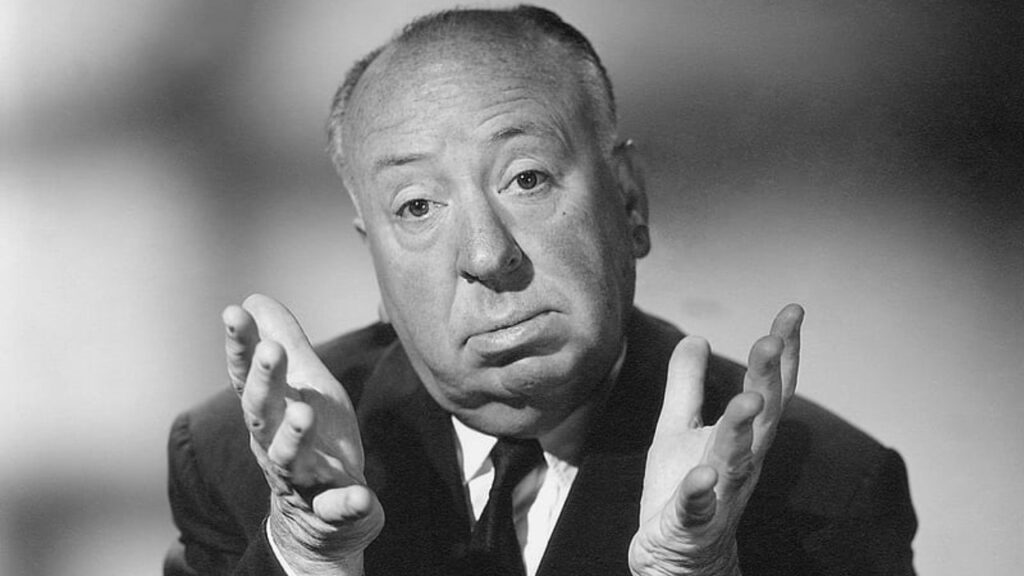
The first accident happened because someone got sick. In 1923, the director of a movie called ‘Always Tell Your Wife‘ fell ill. The studio just needed a warm body to finish the shoot. The careful young guy who drew title cards happened to be around, so Hitchcock stepped in. The movie was nothing special, but behind the scenes, it changed everything. He met the film’s editor, a woman named Alma Reville.
Related: The Real Reason Ingmar Bergman Believed ‘Psycho’ Revealed the Real Hitchcock
She was everything he was not. She was practical, paid attention to every little thing, and was not afraid of anything. They made a good team.
Even after that, Hitchcock still could not get a real directing job. A big producer named Michael Balcon wanted to promote him, but the money people said no. Balcon later said, “Financial backers were wary of promoting a mere assistant.” So Hitchcock was stuck in the art department until someone else’s ego blew up.
The German Film Set Disaster That Made Hitchcock
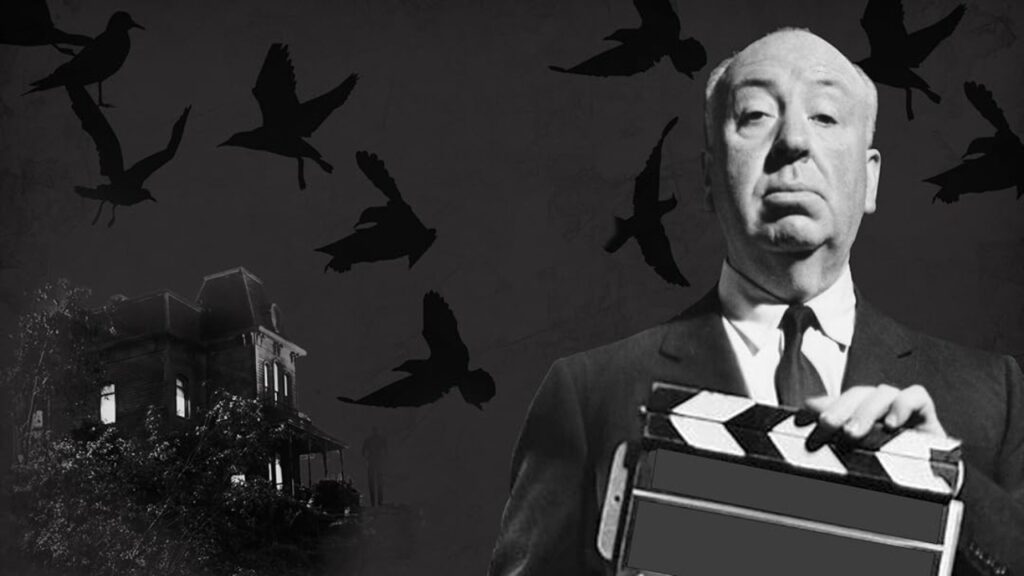
The real start of “Hitch” happened in Germany in 1924. Balcon sent his star director, Graham Cutts, to a famous studio in Berlin to shoot a movie called ‘The Blackguard‘. However, Cutts was more interested in the Berlin nightlife than the cameras. The whole production fell apart and the costs went through the roof. The footage was useless.
In case you missed it: The Chilling True Crime Story That Stopped Alfred Hitchcock’s ‘Psycho’ From Airing on TV
As a result, they sent the assistant, Hitchcock, to clean up the mess. What happened next was a quiet little takeover. Hitchcock also later admitted, “It was chaotic.” Without asking for permission, he started tearing down the sets to save money. Then he drew up a shot list. He walked up to his boss and told him exactly where to put the camera for every scene that was left. He said dryly, “This did not go down well with him, but my decisions were good, and Balcon was pleased.”
In reality, though, Balcon was more than pleased. He was convinced. Cutts was out, and the unknown title card guy got a two-picture deal. The first movie was called ‘The Pleasure Garden‘ in 1925.
How Alma Reville Helped Hitchcock Survive His First Movie
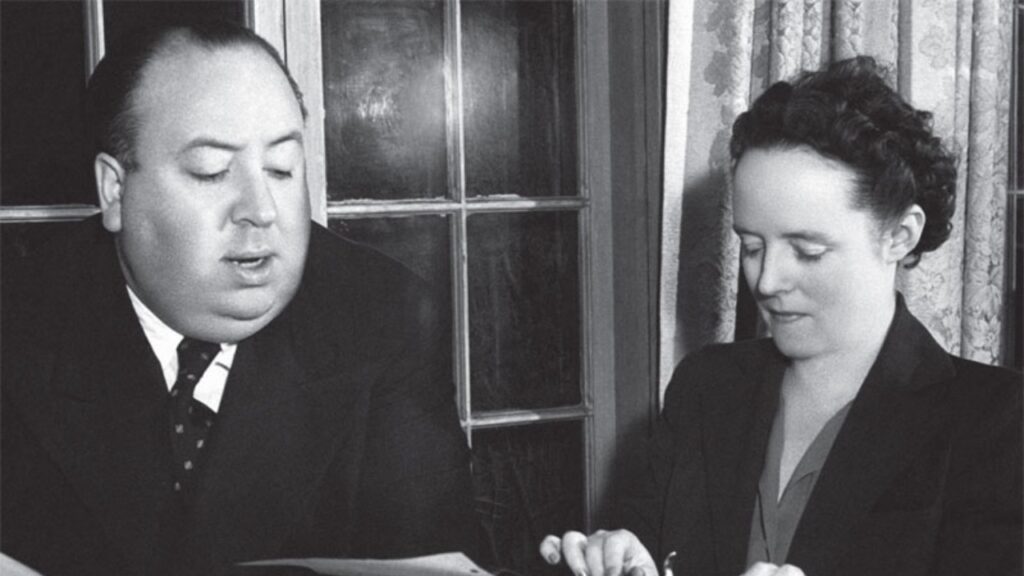
It was a scary start for Hitchcock. They sent him to Munich and Italy with a crew and a script. He had no handbook for young directors. He later admitted he was “terrified at giving instructions to my Hollywood stars. Time and again, I asked Alma if I was doing the right thing.”
But Alma was there. By then, she was his assistant editor and his secret weapon. Together, they got through all the problems; the customs agents took their film, the studio ceilings melted, and the extras were clueless.
The Birth of the “Master of Suspense”
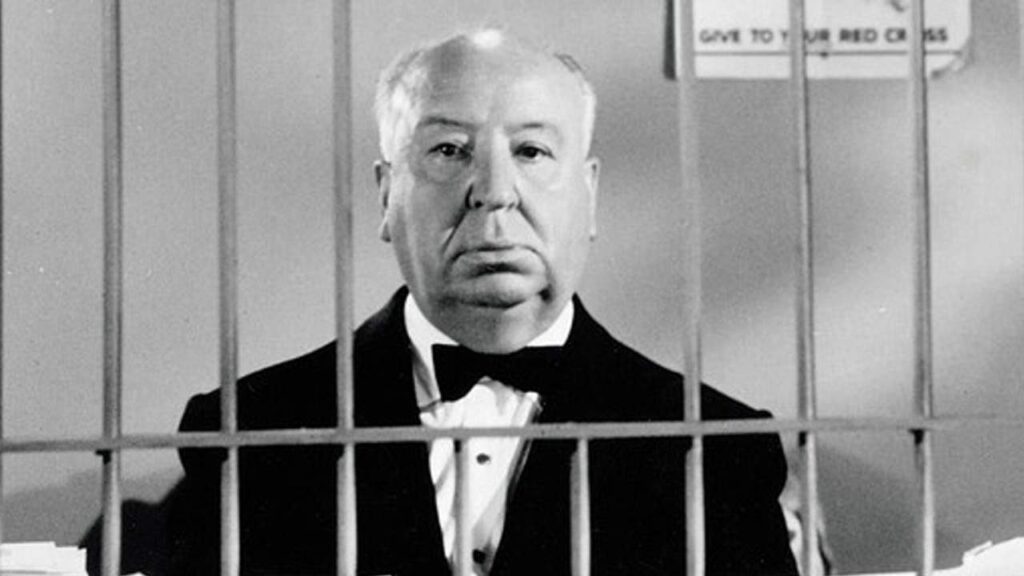
If ‘The Pleasure Garden‘ was the learning curve, then ‘The Lodger’ in 1927 was the graduation. Now that he finally had control, Hitchcock tried every visual trick he could think of. To show a nervous suspect pacing upstairs, he cut a hole in the floor and shot the actor’s feet from below while the family sat in the frame above. To announce a killer, he flashed neon signs across the actors’ faces. He even made his first quick cameo, just because he needed an extra to sit at a switchboard.
The movie was a dark, moody storm about a mysterious boarder who might be Jack the Ripper. It had everything that would later define Hitchcock’s movies: the innocent man on the run, the cold blonde in danger, and, of course, the geometry of fear.
Critics later agreed, “It marked the first true ‘Hitchcock film’.” The “Master of Suspense” was not born on a nice sound stage. He was born on a messy set in Germany, pushed out of a failure that forced a shy draftsman to take a risk.
Hitchcock later came up with his famous “bomb theory” of suspense: tell the audience there’s a bomb under the table, and they’ll grow nervous waiting for it to explode. But he lived that theory first. The bomb under his own table was the fear of failure. When it finally exploded, it destroyed his career as a title-card designer. And standing there in the rubble, making sure the shot looked right, was Alma Reville.
You might also want to read: The Hollywood Clash That Ended Alfred Hitchcock’s Perfect Partnership with Cary Grant