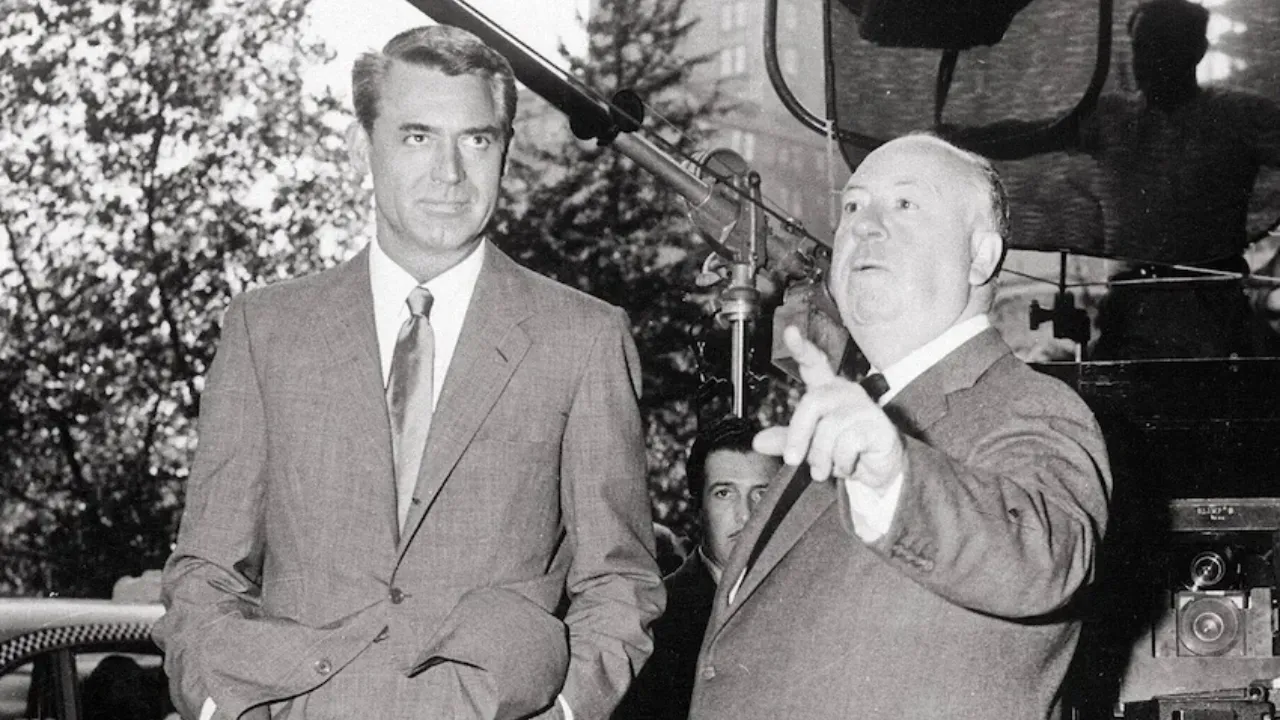
For fourteen years, Alfred Hitchcock and Cary Grant worked together. They were both perfectionists, and together, they made some of the most stylish and thrilling movies in Hollywood. From the paranoid shadows of ‘Suspicion‘ to the glamorous heists of ‘To Catch a Thief‘ and the dizzying heights of ‘North by Northwest‘, Grant became Hitchcock’s ideal leading man. He was smooth, clever, and never seemed to lose his cool.
But this legendary partnership did not end with a big fight on a movie set or because of a clash over art. It ended because of one thing that Hitchcock could not accept: half the profits.
Why ‘North by Northwest’ Was Their Final Masterpiece Together
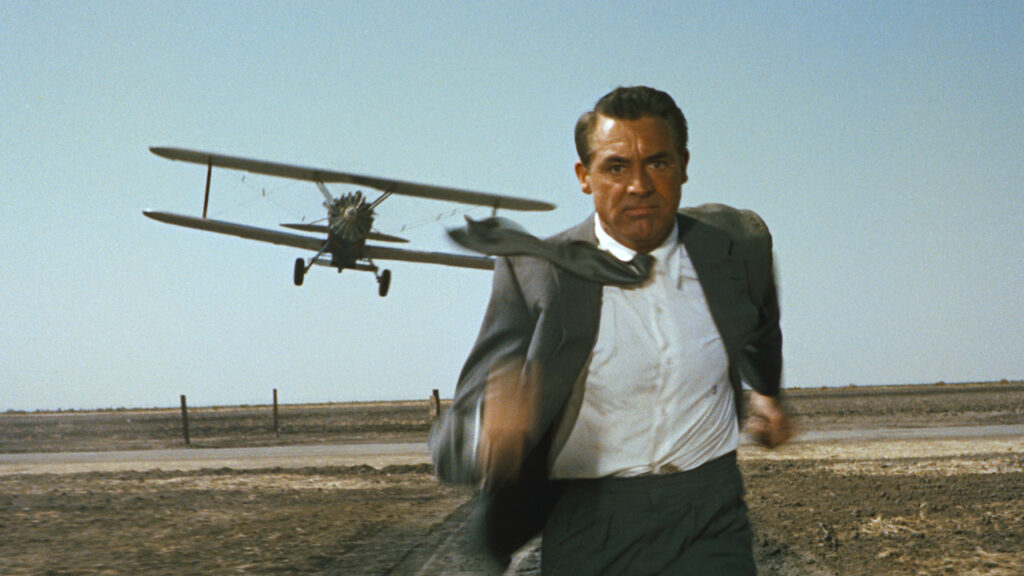
Their last film together was the 1959 masterpiece ‘North by Northwest‘. Hitchcock joked that the movie required getting Cary Grant to hide inside Abraham Lincoln’s nose on Mount Rushmore. The Parks Commission famously vetoed that scene. Today, the film is seen as a high point for both men.
Related: The Hidden Hollywood Feud Between Cary Grant and ‘Casablanca’ Director No One Talks About
However, behind the scenes, tension had been building for years. Early on, Hitchcock got frustrated with studio interference. During the filming of ‘Suspicion‘ in 1941, RKO executives made Hitchcock soften Grant’s character. They removed scenes that showed the charming actor as a real killer because they worried it would hurt Grant’s image as a hero.
Despite all that, Hitchcock truly respected Grant in a way he rarely did for other actors. He was known for saying rude things about performers. He once clarified, “I never said all actors are cattle; what I said was all actors should be treated like cattle.” But he made an exception for Grant. He famously admitted, “Cary Grant is the only actor that I ever loved.“
Cary Grant’s Retirement Plans and Demand for Half the Profits
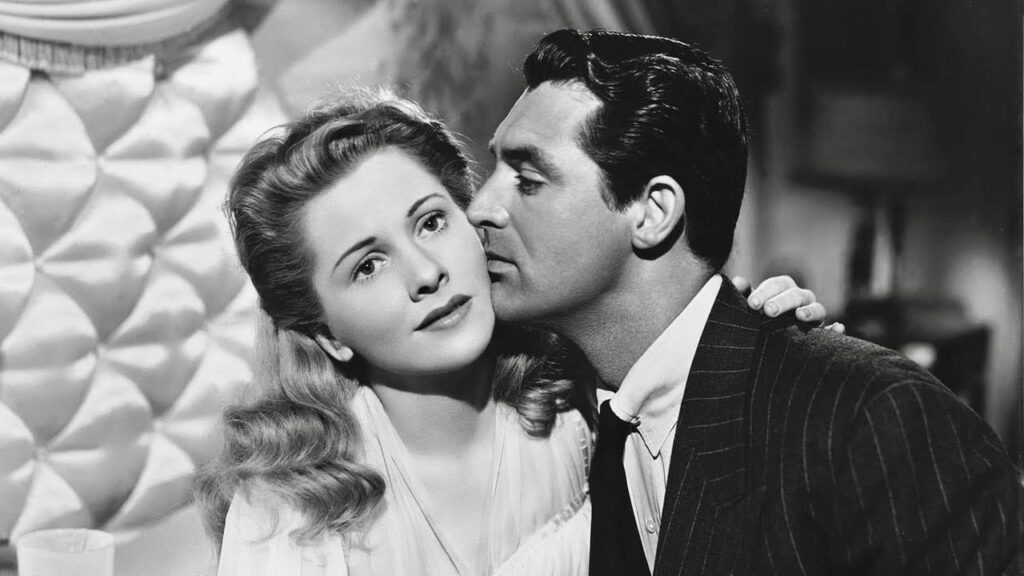
By the late 1950s, Grant was tired of Hollywood and started talking about retirement. That made ‘North by Northwest‘ a bit of a reluctant return for him. But the movie that finally broke the partnership was not a spy thriller. It was a horror film.
In case you missed it: The Untold Truth About Alfred Hitchcock and His Troubling Views on Women
In the early 1960s, Hitchcock started adapting Daphne du Maurier’s creepy story, ‘The Birds‘. He wanted to bring his favorite stars back together. He wanted Grant and Grace Kelly, who had been electric together in ‘To Catch a Thief‘, to play the leads. However, Kelly was now the Princess of Monaco and could not do the difficult shoot. So Hitchcock turned to a different plan. Then came the money problem.
According to screenwriter Evan Hunter, who wrote the script for Hitchcock, Grant made a demand that the famously tightfisted director could not accept. Grant wanted to secure his finances before retiring. So he did not ask for his usual salary. He asked for half of the film’s total profits.
“It was impossible,” Hunter said in a 1999 interview with Fresh Air. “Hitch would never give him anything like that.” Hitchcock controlled every part of his movies, from editing to marketing. Giving half the back end to one actor was not something he would ever do. He said no, and that was it.
How Alfred Hitchcock Replaced Cary Grant with Rod Taylor in ‘The Birds’
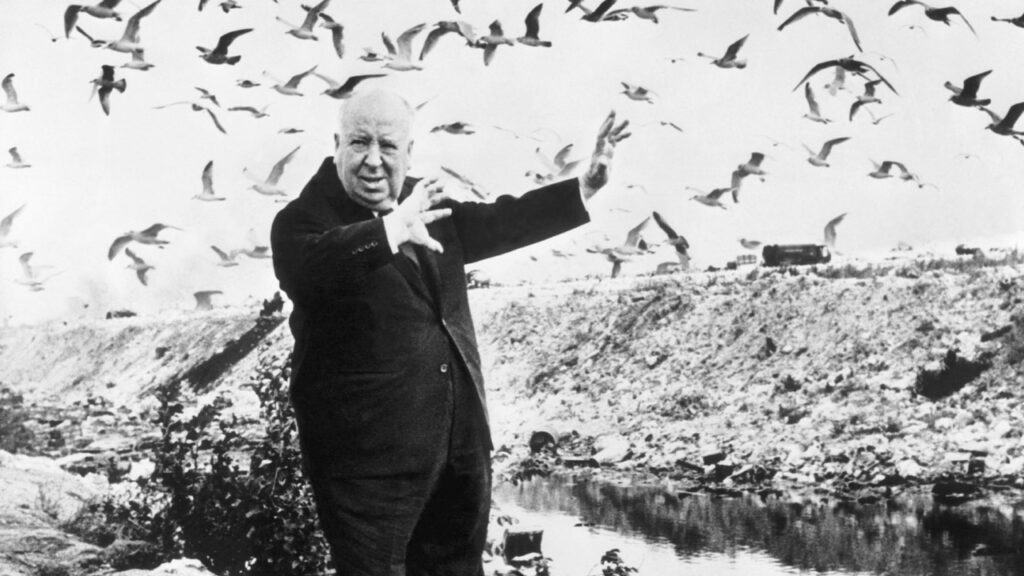
With Grant out, Hitchcock had to scramble. He passed over several well-known actors and took a big risk by casting Rod Taylor, an Australian actor known more for his strong jaw than his smooth charm. ‘The Birds‘ came out in 1963 and became a landmark horror film and a huge hit. Taylor did a fine job, but many people noticed what the movie was missing. It was that effortless, ironic tension that Grant brought to the screen.
A few years later, when Hitchcock was making ‘Torn Curtain‘ in 1966, the split was permanent. Some sources say Hitchcock wanted Grant for the lead, but Grant was busy with another project. So the standoff over ‘The Birds‘ became the final cut in their relationship. In the end, the partnership did not end because of a feud. It ended because even the perfect artistic match has a price. And both men knew it.
You might also want to read: The Real Cannes Robbery That Mirrors Alfred Hitchcock’s Classic Thriller