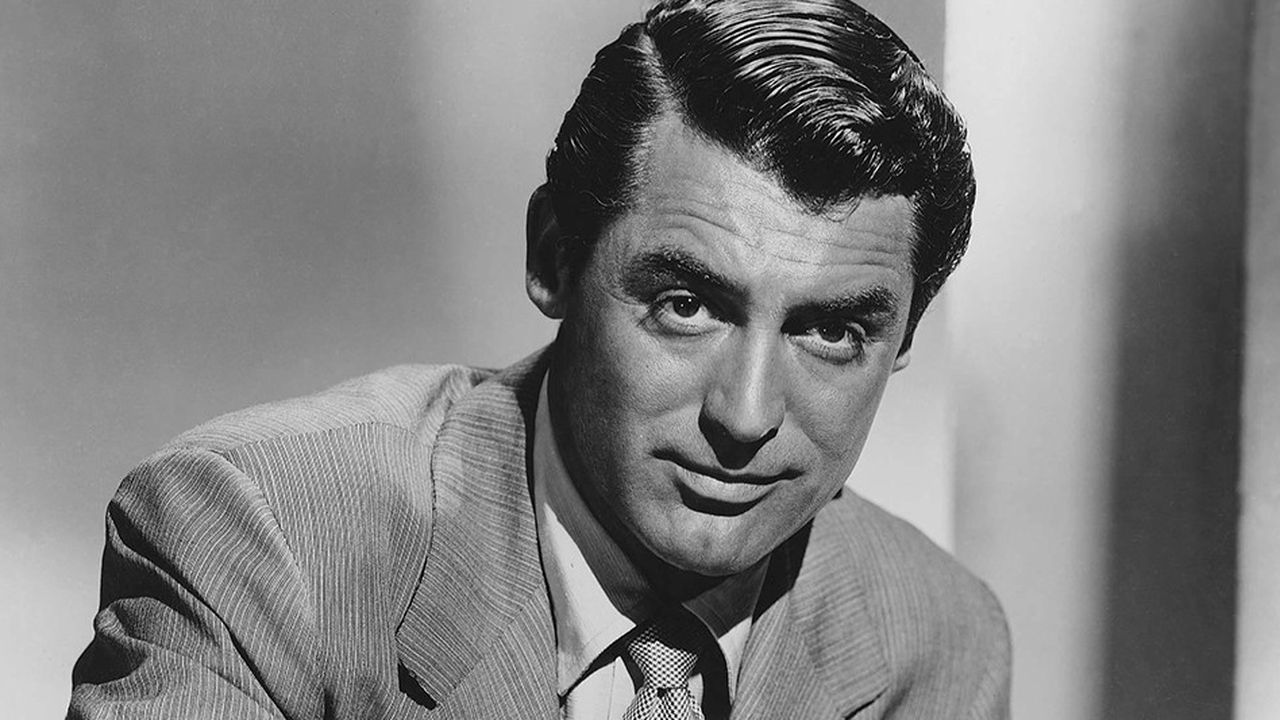
In the summer of 1946, on a Warner Bros soundstage full of Cole Porter songs, Cary Grant did something out of character. The movie star, known for his easy charm, marched right up to director Michael Curtiz in front of the whole cast and crew.
With cameras still rolling in his head, Grant said a line no writer could beat: “If I’m chump enough ever to be caught working for you again, you’ll know I’m either broke or I’ve lost my mind.“
The Film That Sparked the Feud
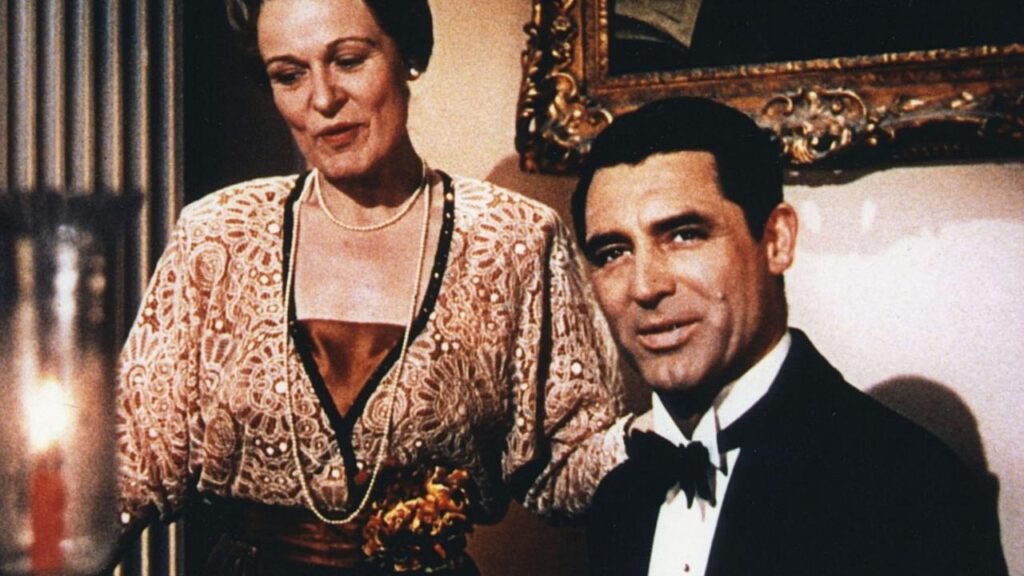
That was the end of their only movie together, the big but mostly made-up story called ‘Night and Day‘. For Grant, who had just taken almost a year off from acting, the job seemed like a good one. He would play Porter, the composer who picked him for the part.
Related: Humphrey Bogart Once Thought William Holden Was Trying to Kill Him. Here’s What Really Happened
Curtiz had just made hits like ‘Casablanca‘, ‘The Adventures of Robin Hood‘, and ‘Mildred Pierce‘, so he looked like the right director to make it a success. Instead, the two of them started one of Hollywood’s famous quiet feuds.
Michael Curtiz’s Brutal Directing Style
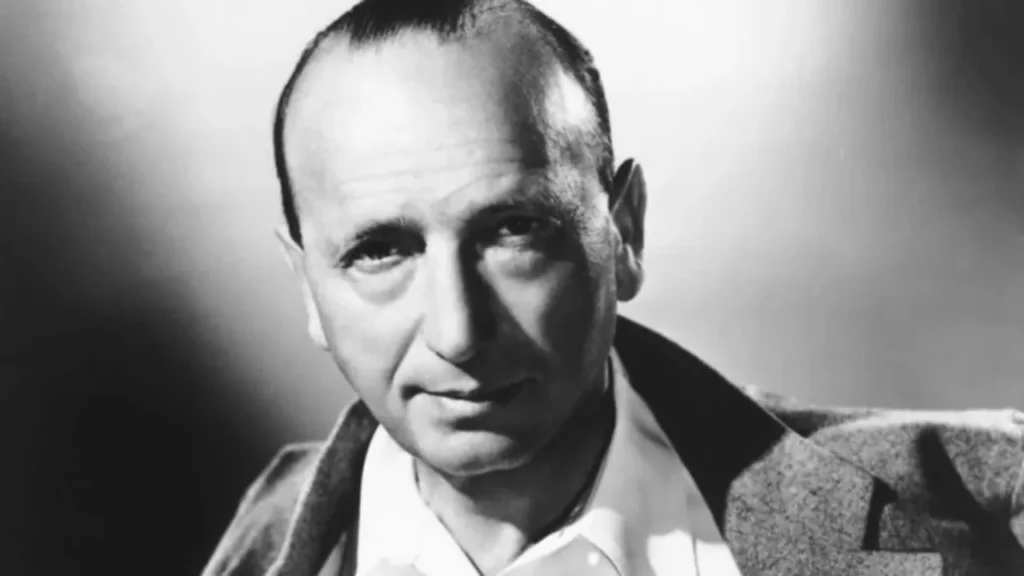
Curtiz was a tough guy born in Hungary with shaky English and a nonstop drive. People who worked with him said he had a wild work habit that felt mean. James Cagney once called him “a pompous bastard who didn’t know how to treat actors.” Peter Lorre joked that he “eats pictures and excretes pictures.” Even Errol Flynn said Curtiz loved blood so much that he made them take the safety tips off the swords in fight scenes.
In case you missed it: Why Greta Garbo Vanished From Hollywood After Her Most Talked-About Film
On ‘Night and Day,’ the director’s bossy way ran straight into Grant’s careful approach. Grant thought the first script had poorly written characters. He asked for changes, refused to shoot scenes he did not like, and spoke out against decisions on the set. Curtiz, who liked to run things like a boss, lost his cool so often that he sometimes forgot what he was saying.
What hurt Grant most was that it felt one-sided. Curtiz actually liked the star. Years before, he had said nice things about Grant’s way with lines: “Some actors squeeze a line to death. Cary tickles it into life.”
But on the set, respect never showed up when Grant tried to give ideas.
Why Cary Grant Clashed With Curtiz
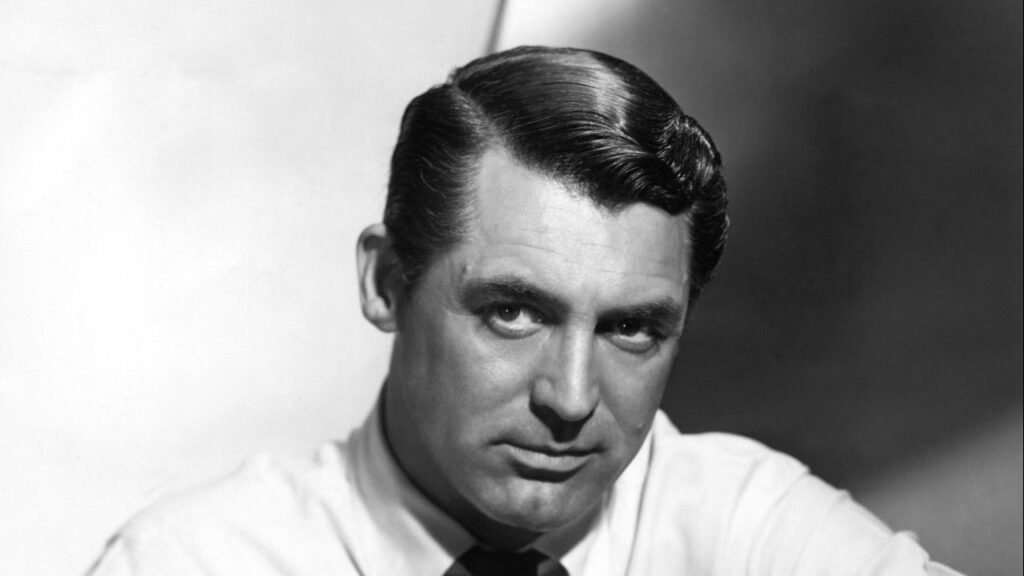
Grant, who always prepared everything so carefully, felt bossed around and ignored. By the last days of filming, the tension had become too much. Grant’s public call-out of Curtiz was not yelled in anger. It came out cool and sharp like his persona, a calm statement rather than a blow-up.
The movie came out, got decent reviews, and sold plenty of tickets. It showed once more that Hollywood can still work even with fights behind the scenes. But for Grant, that was it. He never worked with Curtiz again. In a business full of big egos and tight contracts, his decision stood out as a clear line, the fact that even the most polished leading man had his limits.
Years later, the story still goes around as a picture of old Hollywood tension. Two big names, Curtiz, the hard worker, and Grant, the perfect gentleman, showed that real sparks can fly behind those polished frames on screen. Grant kept his word. And in Hollywood, where bad feelings usually get talked out or buried, that was maybe the smoothest exit of all.
You might also want to read: The Dark Reality of Marilyn Monroe’s On-Set Struggles That Turned Hollywood Against Its Biggest Star