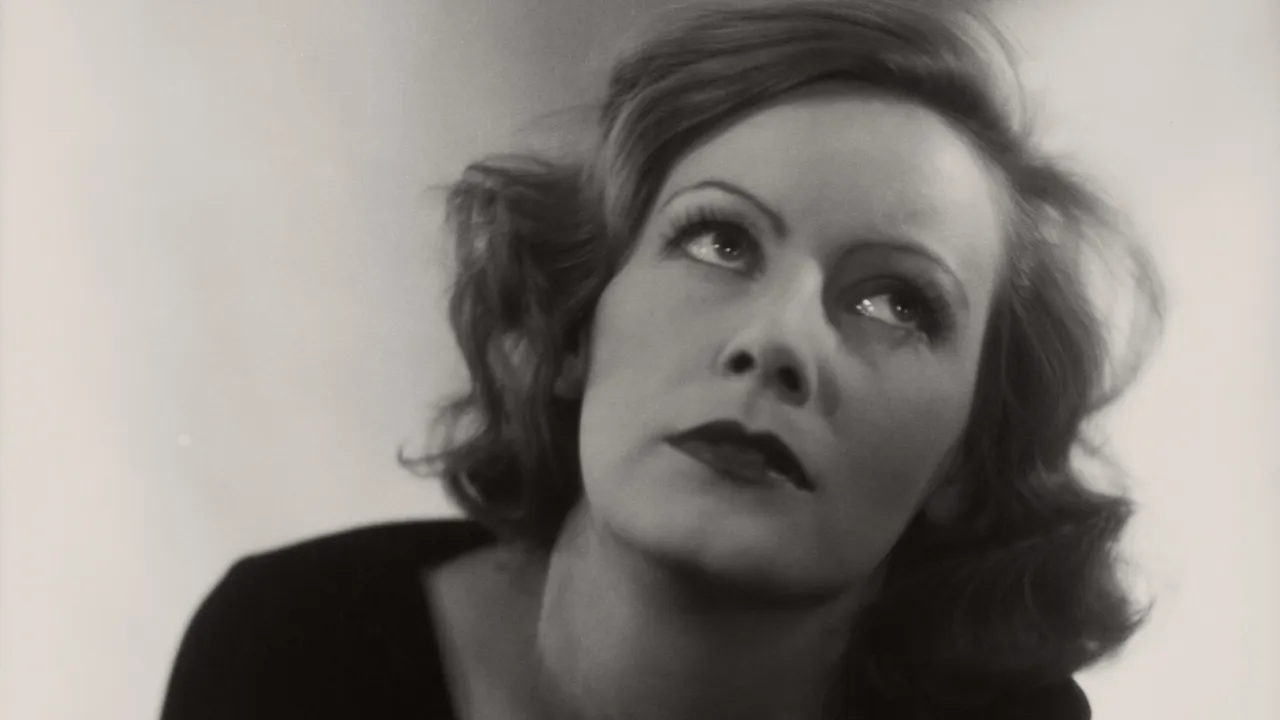
Greta Garbo was the premier star of Hollywood’s silent era and one of the very few actors who successfully transitioned into the “talkies” (sound movies) while maintaining a steady presence in the industry. By 1941, during the early Golden Age, at just 36 years old, Garbo was still perceived as a mysterious and powerful star.
She gave a brilliant performance in the 1939 hit ‘Ninotchka‘, where she demonstrated her acting range with comedy. Naturally, everyone expected Garbo to continue her unprecedented and skillful dominance, but instead, she appeared in a silly and scandalous comedy titled ‘Two-Faced Woman‘, which shocked many viewers. It became the most talked-about film of her career for all the wrong reasons, and what was supposed to be the peak of her success ended in a sudden and permanent withdrawal.
The Making of ‘Two-Faced Woman’
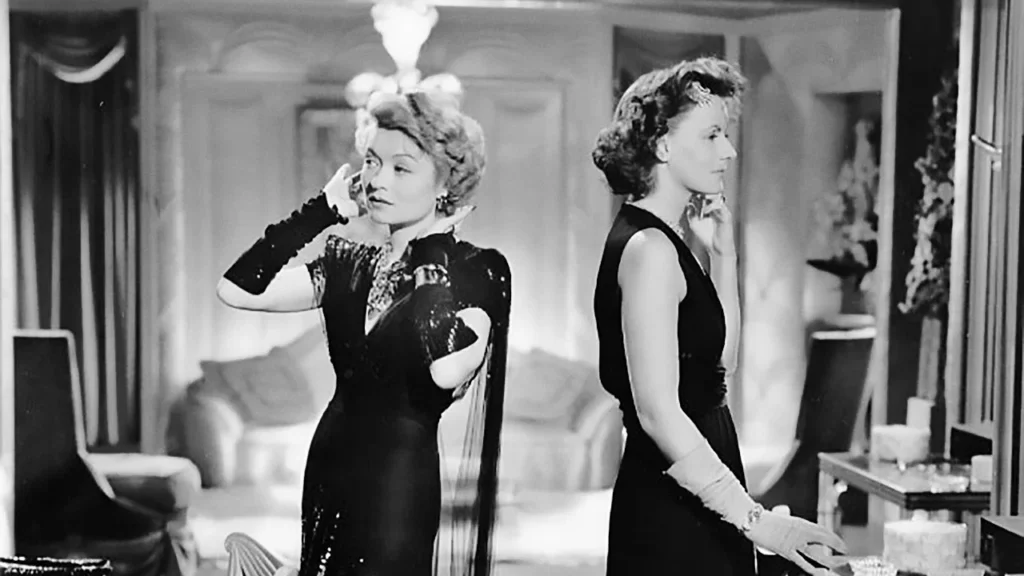
What makes Garbo’s decision even more heartbreaking for any cinephile is the fact that the very film that turned out to be Garbo’s last was actually helmed by George Cukor, the same man who had just made ‘The Philadelphia Story‘ and would later go on to direct iconic classics such as ‘Gaslight‘ and ‘My Fair Lady‘.
Related: How Ingrid Bergman’s Forbidden Romance Destroyed Her Hollywood Image And Career
Metro-Goldwyn-Mayer brought Cukor in to give the film a stylish and polished comedic feel, and the producers subsequently spent heavily on sets and promotion, hoping to reshape Garbo’s image and keep pace with younger stars. However, no one predicted that the story, which initially seemed simple, would come across as bold and unacceptable on screen by the societal standards of the time.
The film follows Greta Garbo as Karin Borg, a strict ski instructor in the Canadian Rockies, who marries a stylish New York magazine editor, Larry Blake (Melvyn Douglas), with whom she had worked before. When Larry goes back to the city and starts getting close to a charming playwright, Karin feels hurt and follows him. So, she makes a quick decision to pretend she is her own twin sister, a bold and flashy woman named Katherine who is only after money.
What begins as a lie soon turns into confusion, with mix-ups, awkward situations, and over-the-top comic scenes. Garbo had to ski, dare, dance, and act playfully. Alas, the audiences were not used to seeing her that way and rejected this new persona.
Why ‘Two-Faced Woman’ Sparked Massive Controversy
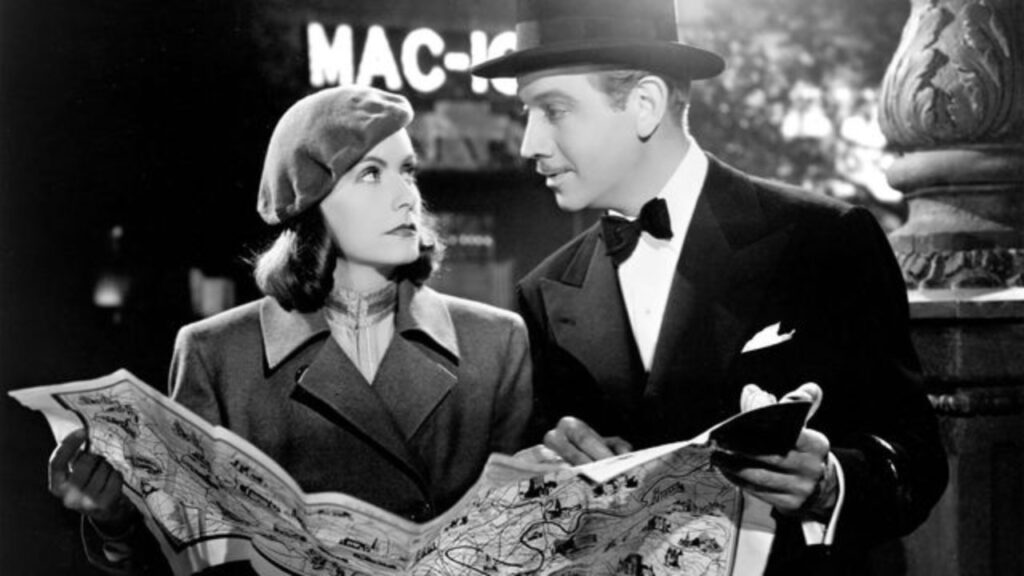
Cukor and Garbo’s gamble backfired in the worst possible way. The critics chastised ‘Two-Faced Woman‘, with almost every major outlet ripping it apart. The New York Times went so far as to call it the weakest choice of Garbo’s career. The critical reception mirrored audience response as hardly anyone turned up to watch the film, resulting in considerable financial losses.
In case you missed it: Classic Hollywood Stars Who Said No To Marriage
The biggest trouble came from the Catholic Legion of Decency, which rated the movie with ‘C’, meaning it was more of a mark of outright condemnation than mere disapproval. At a time when society was already strained by the tensions of World War II and strict conservative moral values, the film’s treatment of themes such as marriage and loyalty was deemed careless and outrageous.
‘Two-Faced Woman‘ was soon withdrawn from theaters, while priests spoke against it in churches. Protests also erupted in several parts of the United States, prompting the distributor to reshoot portions of the film, which only made the final version weaker.
The End Of Greta Garbo’s Career
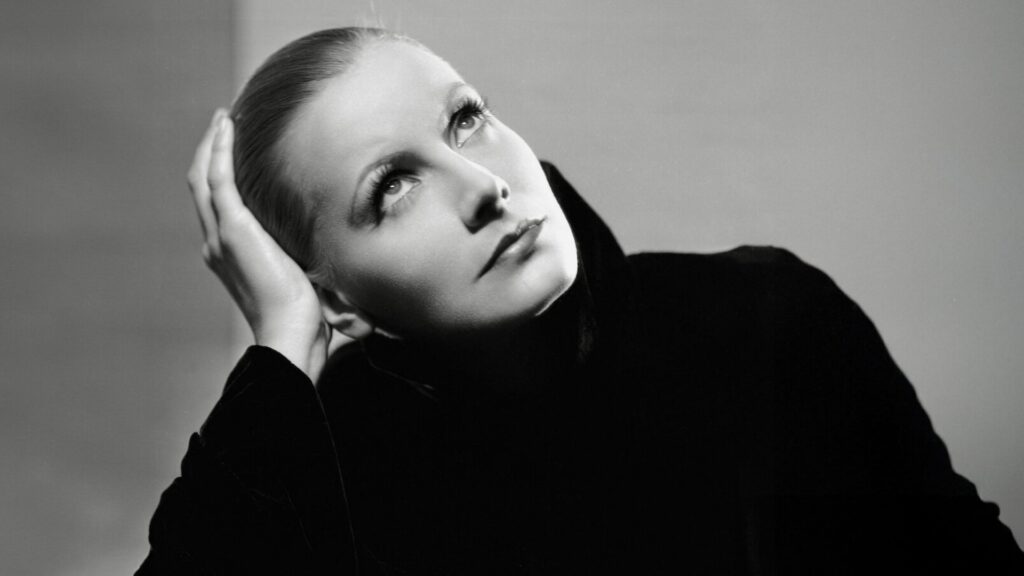
Garbo, who once seemed untouchable and stood at the pinnacle of success, felt unsettled by the public reaction. It left a scar so deep that she probably carried it for the rest of her life. And this was clearly evident from her eventual reclusiveness. Initially, it appeared to be a temporary break from acting, but it gained permanence, giving rise to what is now referred to as the ‘Greta Garbo Syndrome’.
What many don’t know is that Garbo never wanted the role in ‘Two-Faced Woman‘ in the first place. She strongly opposed it and even made it clear that no amount of reshoots would improve the film. Soon after, she and MGM ended their contract by mutual agreement. Louis B. Mayer offered her a large cheque, but Garbo, whose generosity and integrity knew no bounds, refused to accept it.
Fans eagerly awaited her return to the silver screen, but never saw her again. She retreated to her small New York apartment. The retired screen siren occasionally stepped out for walks or traveled to Europe, but largely stayed out of the public eye until her death.
For years, Garbo was offered script after script, but she declined every one of them. She didn’t want to return to Hollywood’s studio games. She had carefully built her legacy through 28 films that defined her mystique, but one misstep in a light comedy began to fracture that image.
In the end, it wasn’t the final characters she played that pushed her away, but the industry itself. It celebrated her, then slowly stopped knowing how to place her on screen. And, Garbo being Garbo, refused to bend. She chose silence over compromise and everyone got her message: “I want to be left alone.”
You might also like to read: 25 Classic Movies That Should Be On Every Cinephile’s Watchlist