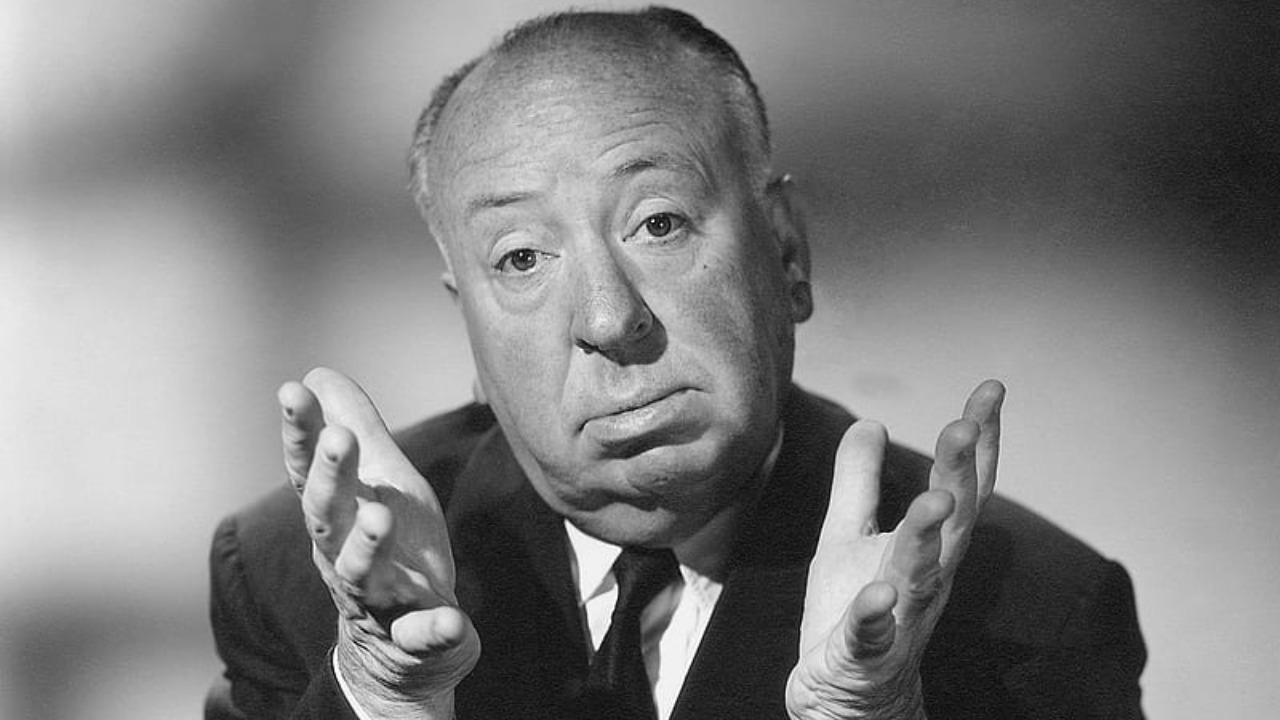
Alfred Hitchcock, often credited as the “Master of Suspense,” has an extensive list of timeless works to his name and is known for creating some of the most intriguing and disturbing antagonists in cinema. But who would have thought that the man behind such spine-chilling characters—the kind you’d normally keep your distance from—was reportedly not so different from them behind the scenes, especially with his female stars?
Now, a director having a poor reputation among actresses isn’t exactly new. Even celebrated filmmakers like Jean-Luc Godard, Roman Polanski, and Stanley Kubrick have carried similarly infamous reputations. But with Hitchcock, the line between the villains he created on screen and the man he was off-screen often feels uncomfortably thin. Don’t believe it? Read on.
Alfred Hitchcock’s Famous But Disturbing Philosophy
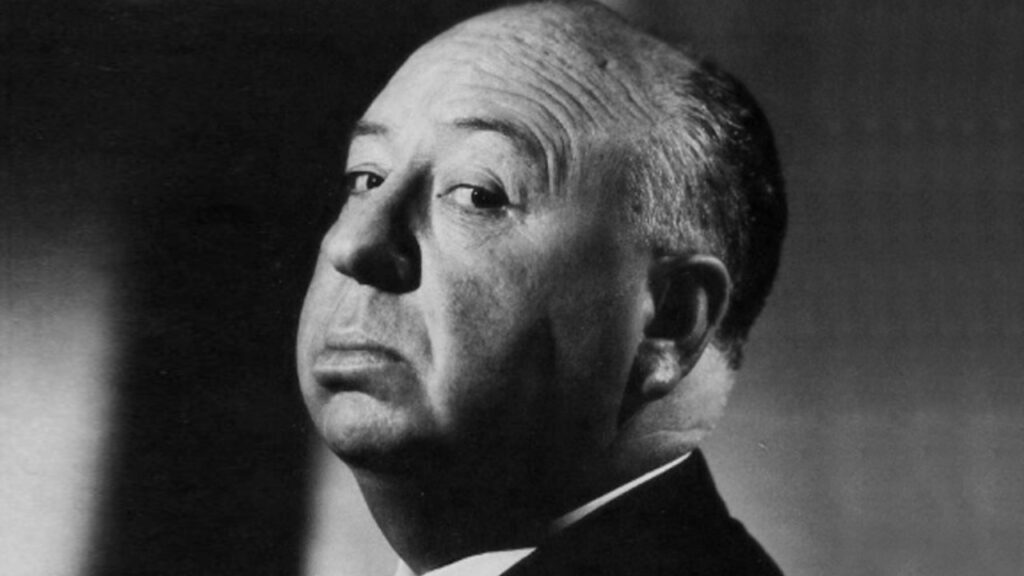
The genius mind behind films like ‘Vertigo,’ ‘Psycho,’ and ‘Rear Window,’ Hitchcock carefully built a public image of being clever and in control. Off-camera, however, his attitude toward women was often far more possessive, and at times, openly harsh.
Related: 25 Famous On-Set Feuds Between Actors and Directors
Hitchcock didn’t always see women as people so much as objects. He once echoed Victorian playwright Victorien Sardou’s infamous line, “Torture the women!” and in private, reportedly took it even further, adding, “The trouble today is that we don’t torture women enough.”
Alfred Hitchcock’s ‘Cool Blonde’ Fantasy
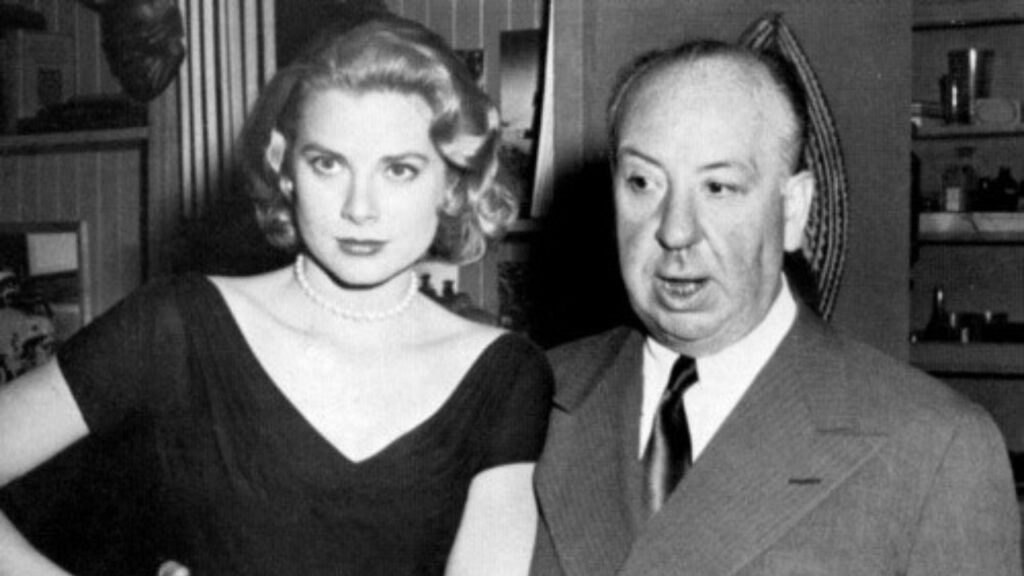
Hitchcock’s ideal woman was what he called the “cool blonde,” one who looked calm and elegant on the outside, but had strong emotions underneath. If you consider yourself a big Hitchcock fan, you’ve probably already guessed which actresses fit this image.
Yes, stars like Grace Kelly, Ingrid Bergman, and Eva Marie Saint perfectly embodied this ideal, with the former two appearing in several of his films.
But Hitchcock’s fixation went beyond casting. Off set, he reportedly once sent a memo to an actress that read, “Bring me your body, and I will dress it.”
The Most Shocking Alfred Hitchcock Harassment
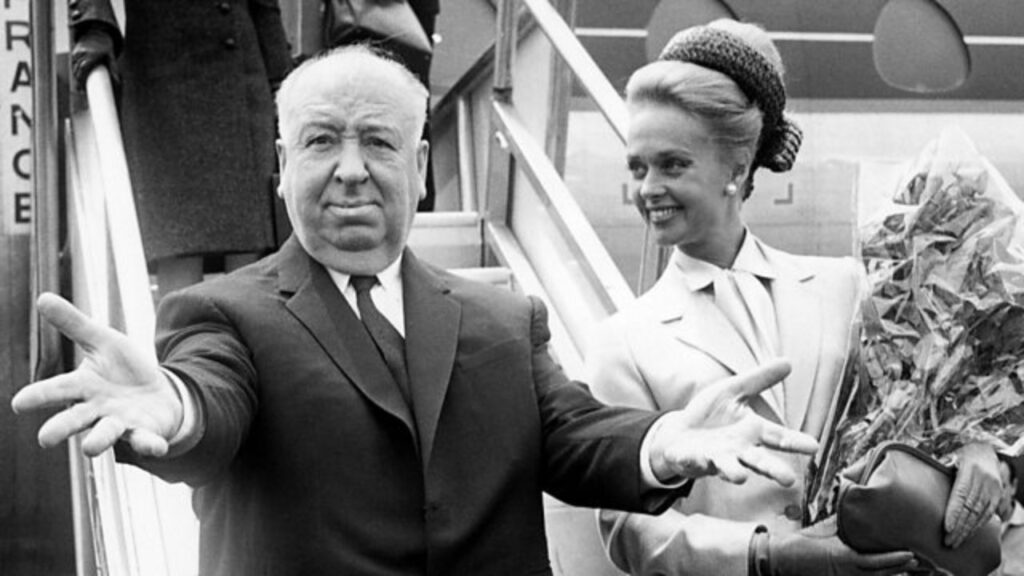
The most troubling part of the story involves Tippi Hedren, a former model whom Hitchcock handpicked to star in what is now considered a natural horror masterpiece, ‘The Birds.’
According to several reports, he kept her isolated from others on set. Hitchcock allegedly instructed the cast and crew not to touch or even speak to her, and was said to become furious if she interacted with men. On one occasion, in the back of his limousine, he reportedly made sexual advances toward Hedren, but she pushed him away.
In case you missed it: The Classic Thriller That Put Alfred Hitchcock On FBI’s Watchlist
Things escalated further during ‘Marnie.’ He had a door installed between his office and her dressing room and even kept a lifelike mask of her face. In one incident, he grabbed Hedren in a way she later described in her memoir: “It was sexual, it was perverse, and it was ugly.”
When she rejected him again, he warned that he could damage her career. Hitchcock then kept her tied to a contract for two years, blocking her from taking other roles. Soon, she was reduced to being known as “that girl.”
Although Hedren’s experience was especially extreme, it wasn’t a rare ordeal. Actresses like Madeleine Carroll also faced harsh treatment. While working on ‘The 39 Steps,’ she endured stunts designed to embarrass her in public so her reactions would appear more authentic on screen.
Why Alfred Hitchcock Punished Independent Women in His Films
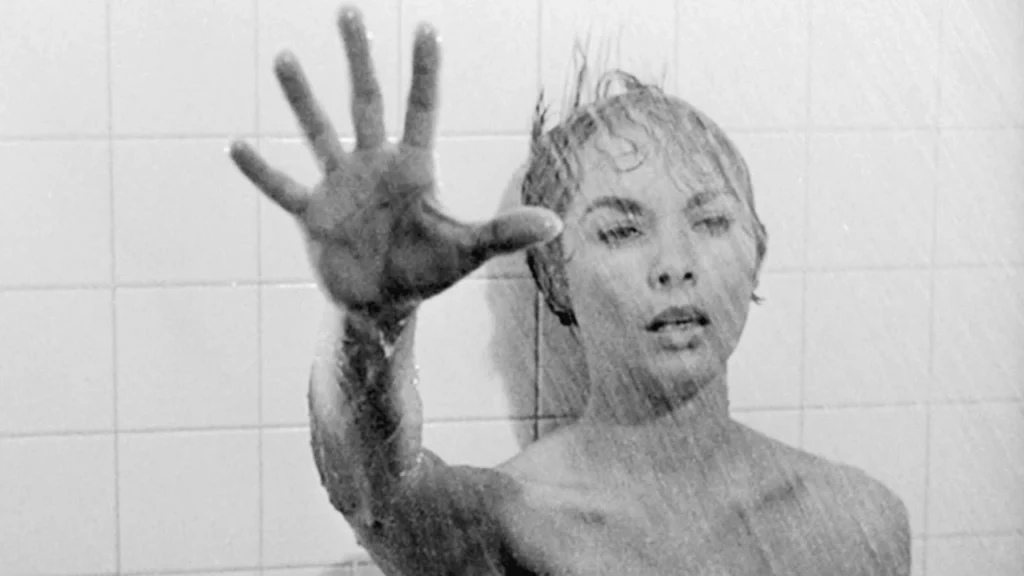
Hitchcock’s films often depicted women, especially blondes, being controlled or punished for their independence.
In ‘Vertigo,’ a man reshapes a woman to match his fantasy, only to watch her fall. In ‘Psycho,’ the infamous shower scene turns a private moment into sudden, shocking violence.
Critics, and even fans, have long debated whether these themes were purely creative choices or reflections of Hitchcock’s own mindset.
Alfred Hitchcock’s Overlooked Wife Who Stayed Silent For Years
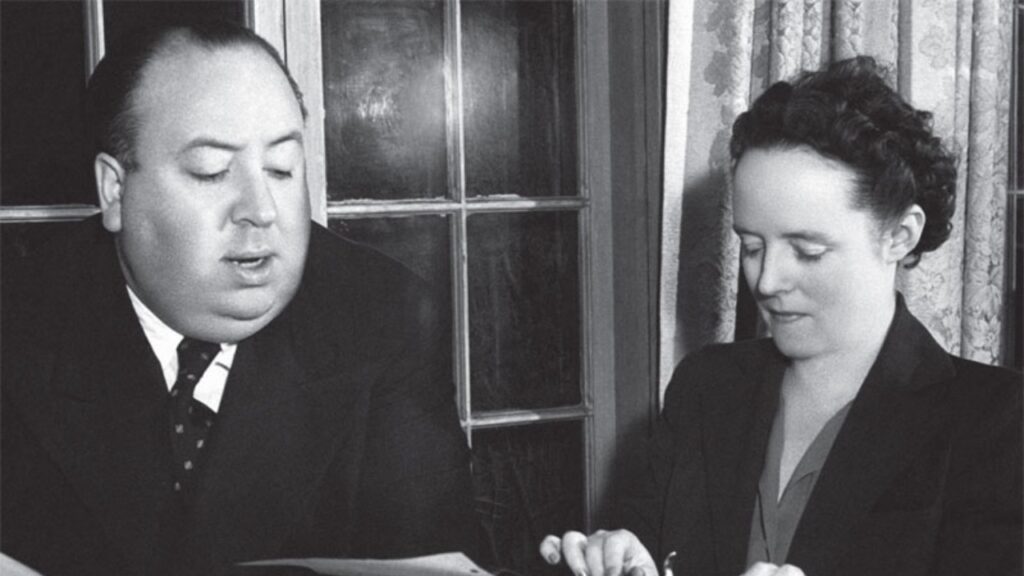
At home, Hitchcock’s wife Alma Reville was his longtime partner in both his professional and personal pursuits. She worked on scripts, helped edit his films, and contributed ideas for decades. Their marriage lasted 54 years, even as he became increasingly drawn to young blonde actresses.
Hitchcock died in 1980, still widely regarded as a great filmmaker. Tippi Hedren, meanwhile, remained silent for years, worried the industry would side with the powerful director over her. She finally spoke openly in 2012, around the time of the HBO film ‘The Girl,’ and later in her memoir.
In the era of the #MeToo movement, Hitchcock’s actions are no longer easy to separate from his legacy. What was once dismissed or overlooked is now seen more clearly: as an example of how power can be used to control, isolate, and mistreat.
You might also like to read: 10 Directors Who Went Broke, Risked Careers and Still Made Masterpieces