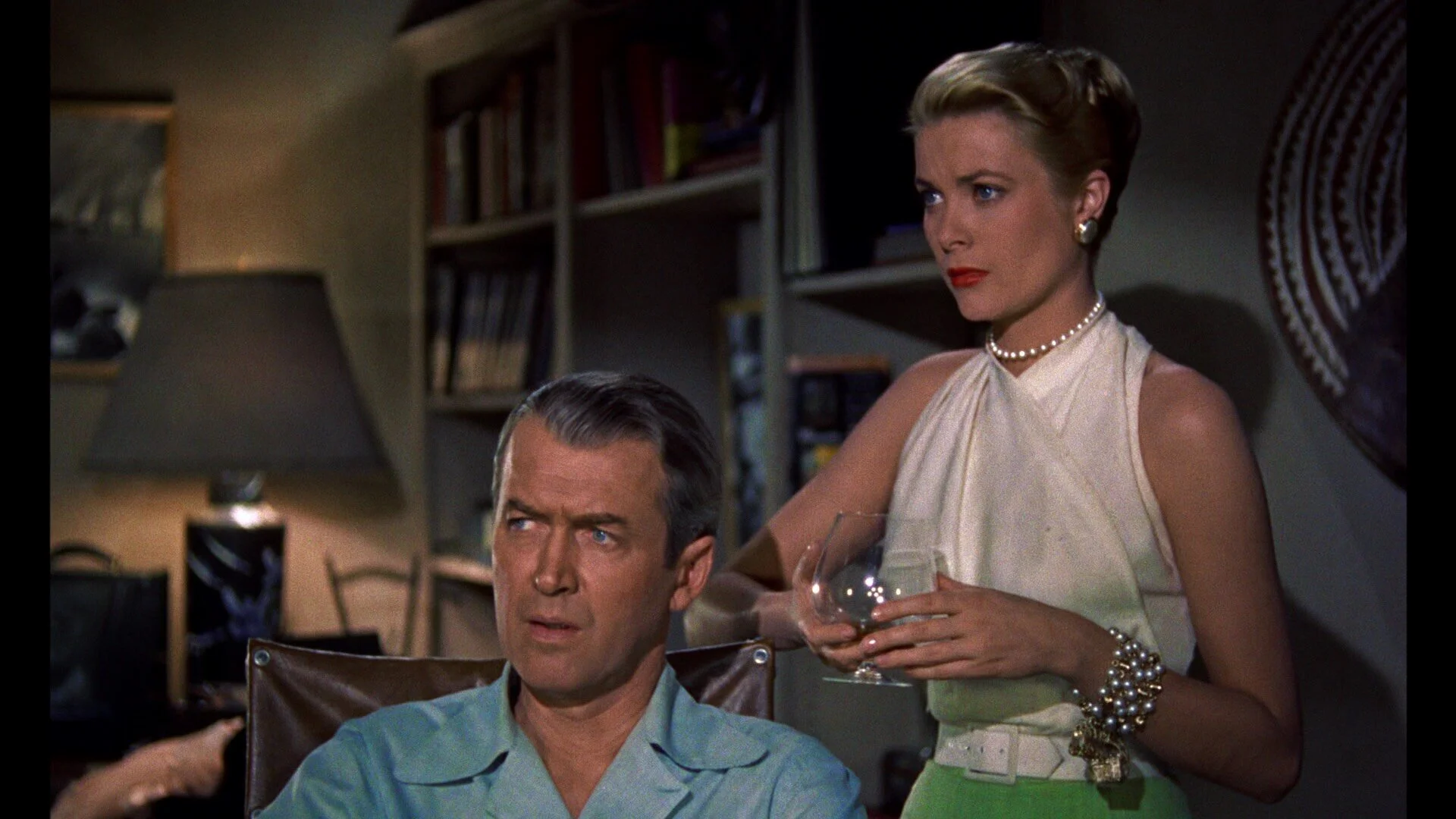
Of all Alfred Hitchcock’s timeless classics, his 1954 taut summer thriller ‘Rear Window’ stands among the best of his works. A masterclass in suspense and voyeurism, the film was shot on one of the largest and most elaborate indoor sets ever built by Paramount Studios at the time.
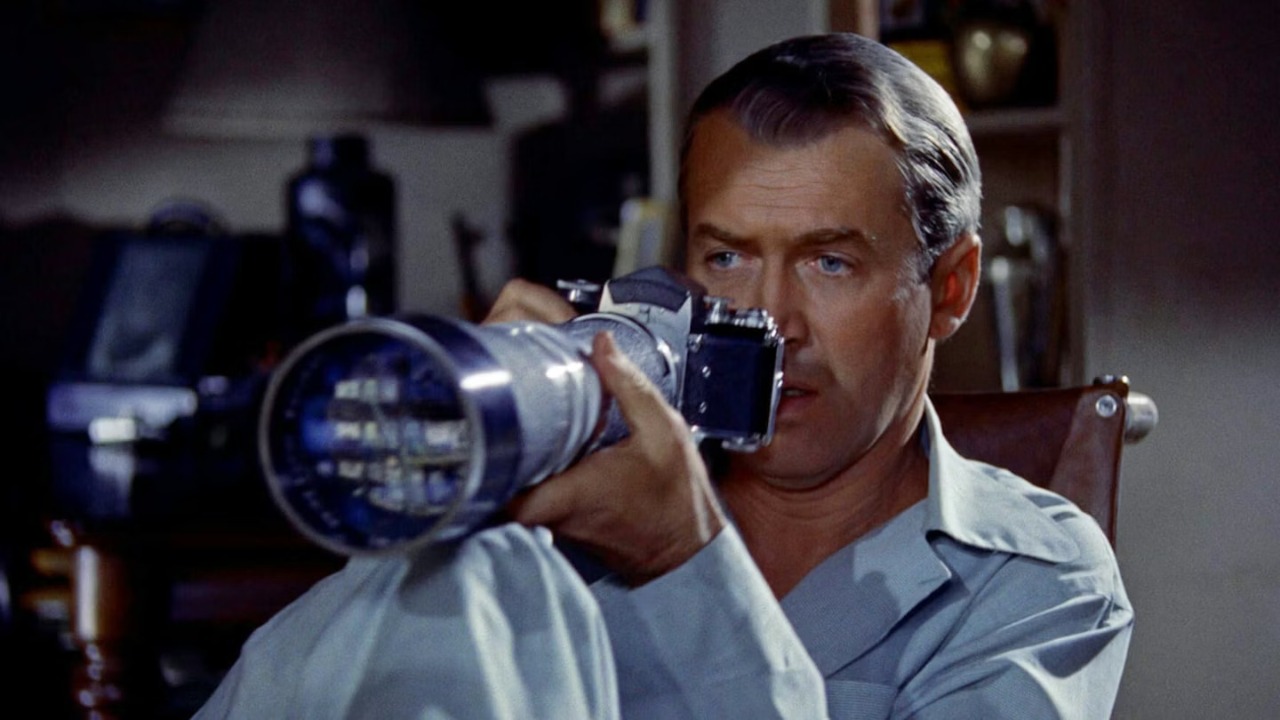
James Stewart plays L.B. “Jeff” Jeffries, a well-traveled photographer who gets stuck in his apartment after breaking his leg. From his rear window, he watches his neighbors before suspecting that a murder has taken place. Grace Kelly stars as his elegant girlfriend Lisa Fremont, who proves her love by putting herself in danger. Now, even though the story is based on Cornell Woolrich’s short work, the film’s rich romantic tension came from a real-life romantic episode that Hitchcock witnessed firsthand.
The Real-Life Affair That Inspired ‘Rear Window’
Around eight years before ‘Rear Window,’ Hitchcock directed Ingrid Bergman in ‘Notorious.’ During that time, Bergman, who was married and at the peak of her fame, began a secret and passionate relationship with war photographer Robert Capa. They first met in Paris in 1945, just after the end of World War II in Europe.
Related: 15 Must-Watch Pyschological Thriller Movies By Alfred Hitchcock
Apparently, their affair spanned nearly two years, unfolding across Europe and Hollywood. Capa even came to the set of ‘Notorious,’ where he photographed Bergman as she worked with Hitchcock.
The director, who harboured his own deep (and reportedly unrequited) admiration for Bergman, watched their relationship closely, with both interest and quite jealousy.
How Hitchcock Turned Personal Drama Into Cinematic Tension
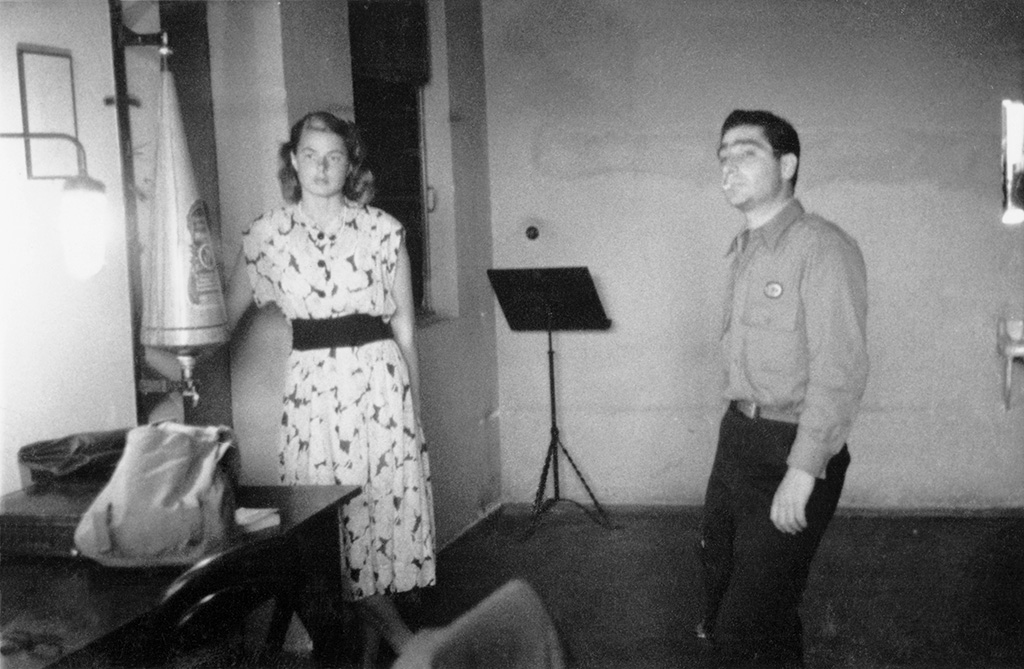
Alfred Hitchcock never forgot the dynamic between Ingrid Bergman and Robert Capa. Capa represented the risk-taking artist who turned down Bergman’s wish for marriage and stability. The actress, on the other hand, stood for someone deeply committed and willing to change her life for love.
When screenwriter John Michael Hays worked on ‘Rear Window,’ Hitchcock brought elements of that relationship into the story.
In case you missed it: Top 10 Ingrid Bergman Movies Every Classic Film Fan Must See
The character of Jeff Jefferies reflects Capa, a photographer who chases danger and worries about being tied down. Lisa reflects Bergman, graceful and determined, and ready to take risks to prove her love. Even details like Jeff’s broken leg from his risky work echo Capa’s own life, as he was often injured while covering conflicts.
The Grisly True Stories Behind Hitchcock’s ‘Rear Window’
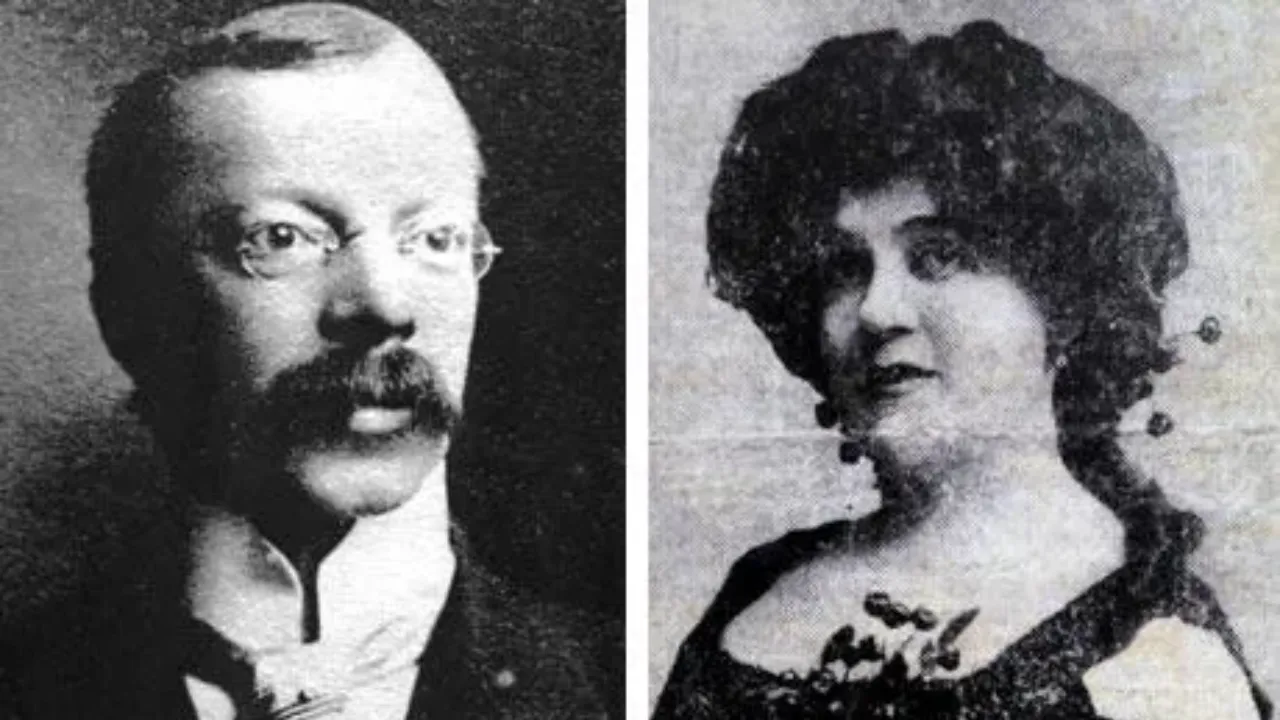
At this point, it’s pertinent to talk about the real-life crimes that also inspired the film. The incidents shook parts of the United Kingdom in the early 20th century. Apparently, Hitchcock himself once admitted to his close friend, the legendary French filmmaker François Truffaut, that two very real cases influenced the ‘Rear Window‘ narrative.
The first involved an American homeopathic living in London, Hawley Harvey Crippen. He was having an affair with his secretary, Ethel Le Neve. Soon, his wife, Cora Crippen, disappeared following a party in January 1910. Initially, Crippen claimed that his wife had gone to California, but neighbors grew suspicious when they saw Ethel wearing Cora’s jewelry. The duo fled to Canada, where they were later arrested. This was reflected in the film’s killer, Lars Thorwald, who also claimed his wife was away on a trip but didn’t take her wedding ring along. Tragically, Cora’s dismembered torso was recovered from the basement floor, but her severed head was never found.
Related: 25 True Crime Shows You Won’t Be Able To Stop Watching
The next case involved Patrick Mahon, who followed a similar gruesome path in 1924. He butchered his pregnant mistress, Emily Kaye, and disposed of the remains by throwing them from a train window. Then he reportedly tried to burn the victim’s head in a fireplace in an unsuccessful attempt before being apprehended by police.
Now, how did this connect to ‘Rear Window‘? As it turns out, this directly inspired the search for Mrs Thorwald’s head in the film, along with Lars Thorwald’s method of disposing of the body part, closely echoing Mahon’s methods.
The Emotional Core Behind The Mystery Thriller’s Voyeurism
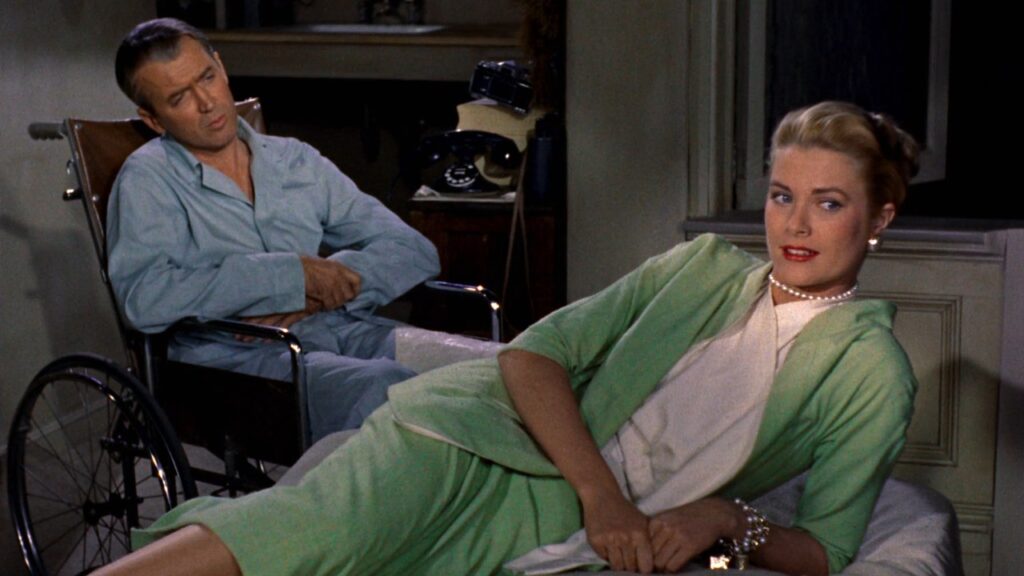
Beyond its murder mystery, ‘Rear Window‘ looks at subtle elements such as obsession, emotional distance, and most importantly, the fear of getting too close to someone.
Hitchcock turned what he had seen in real life, and perhaps his own unconfessed feelings for Bergman, into a powerful story on screen. The film shows the tension between watching from a distance and truly committing to a relationship.
Robert Capa chose the excitement of war reporting over a stable life with Bergman, a decision that led to their breakup in 1947. He later returned to conflict zones and died in 1954 after stepping on a landmine in Vietnam, the same year ‘Rear Window‘ was released. Well, tragedy doesn’t care about brevity, but Capa and Bergman followed their own hearts.
You might also want to read: The Classic Thriller That Put Alfred Hitchcock On FBI’s Watchlist