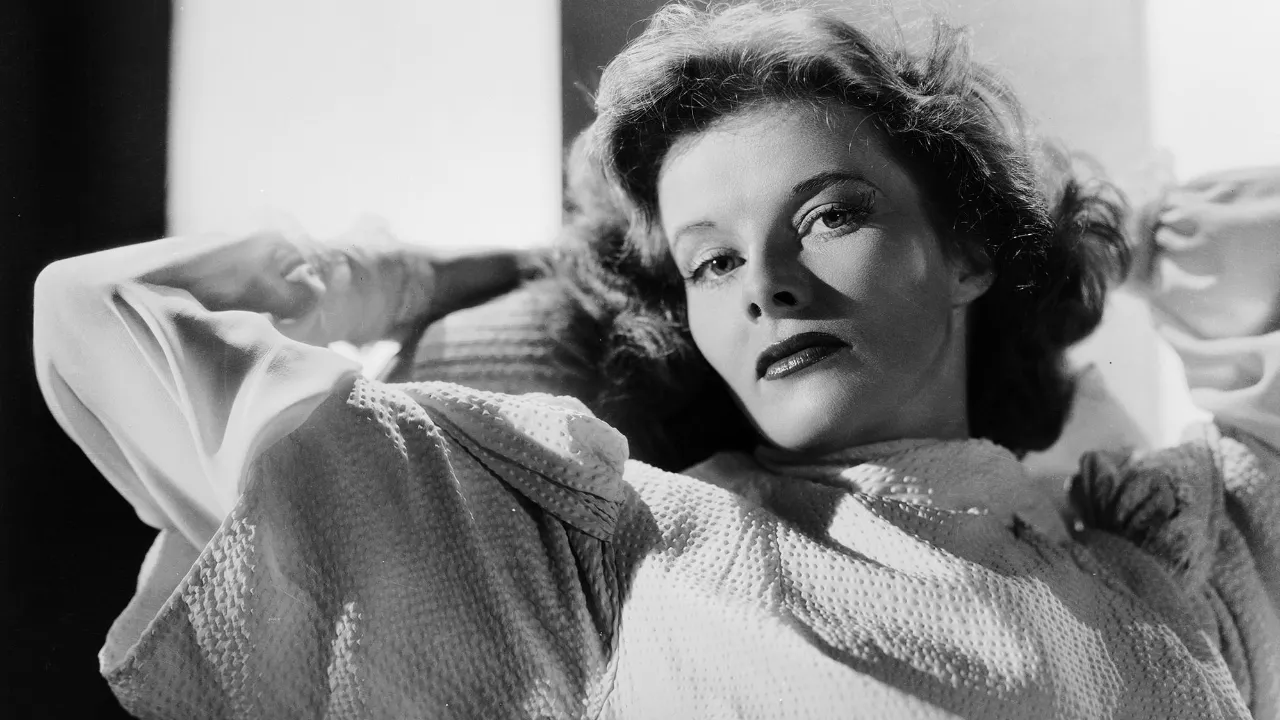
She was once on the “box-office poison” list—a tall, stubborn New Englander with a fancy accent who refused to play Hollywood’s games. But before Katharine Hepburn became a four-time Oscar winner and the symbol of being tough on her own terms, a hidden tragedy from her childhood shaped who she was. Losing her older brother pushed the 13-year-old girl to turn herself into someone so strong that no loss could ever break her again.
The 1921 Tragedy That Shattered Katharine Hepburn’s Childhood
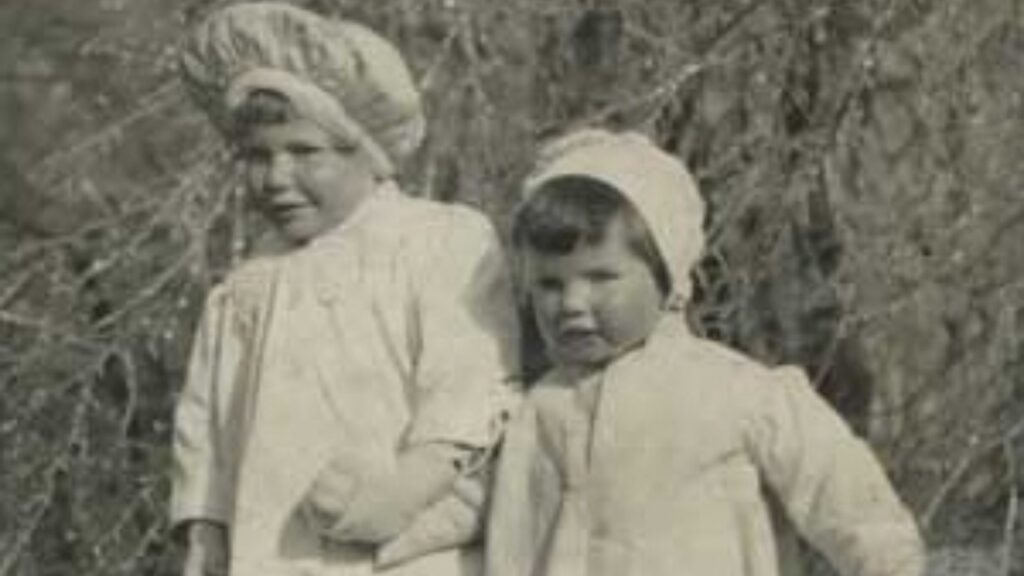
One quiet day in 1921, a teenage Katharine Hepburn walked into a room that would eventually change movie history. She found her 15-year-old brother, Tom, hanging from the rafters of their attic in Hartford, Connecticut.
The official story from the Hepburn family, which they kept up for the rest of their lives, was that it was a sad accident. They claimed it was a magic trick with a scarf that went very wrong. But what it did to young Katharine’s journey was clear.
She grew up in a house of wild new ideas, where her mother fought for birth control, and her father fought against disease. Still, death became a quiet and crushing shock to her impressionable mind.
Related: Audrey Hepburn Ended Her Secret Affair With William Holden Over One Devastating Truth
For many years afterward, Hepburn barely talked about finding her brother. But the armor she built on that foundation became her whole legacy. After Tom died, the playful girl who sometimes called herself “Jimmy” vanished. In her place came a young woman who was stone-faced and almost too controlled. She refused to let anyone see her weak side.
“You cannot live with yesterday,” Hepburn once said. That line summed up the lesson from her childhood pain. “Life is going to be difficult, and dreadful things will happen. What you do is move along, get on with it, and be tough.”
Hollywood’s Rejection and the Gamble of a Lifetime
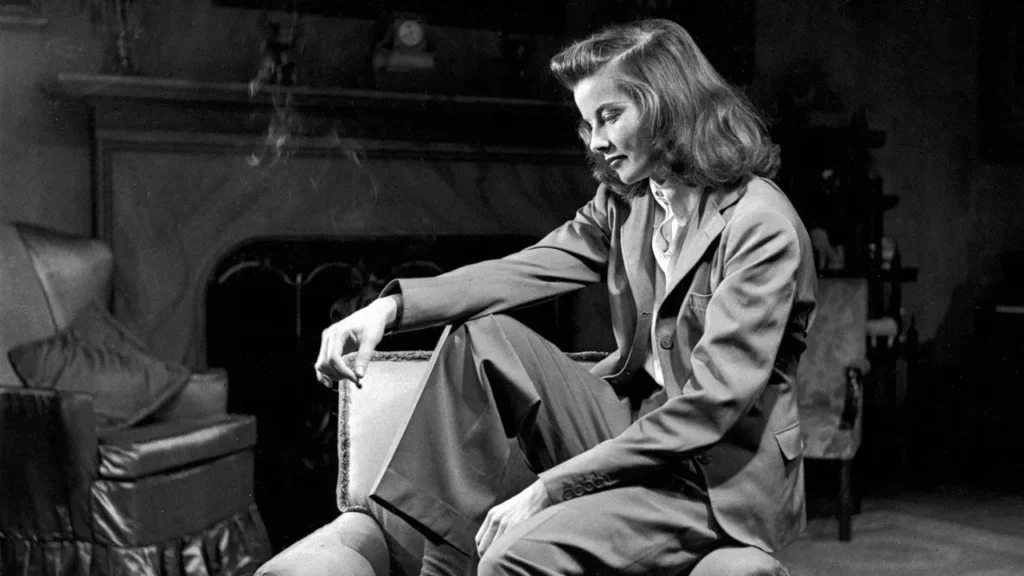
It was that exact toughness that saved Katharine Hepburn’s career. By 1938, Hollywood had turned its back on her. After the terrible response to ‘Bringing Up Baby‘, which is now a classic but flopped hard at that time, the Independent Theatre Owners of America called her “box office poison.”
In case you missed it: Humphrey Bogart Once Thought William Holden Was Trying to Kill Him. Here’s What Really Happened
The town that made her now wanted her gone. A lesser actor who needed the crowd’s approval would have fallen apart. But Hepburn did what she did best: she took charge. She did not run away in shame.
Instead, she bought the rights to a play called ‘The Philadelphia Story‘, which was written just for her by a writer named Philip Barry. Then she told the movie studios she would sell it to them only if she got full creative control, including picking her co-stars and the director. That gamble would have ruined most stars. But for Hepburn, failing was just noise.
“Life is hard. After all, it kills you,” she later joked. But what she did in 1940 showed the opposite. Life might kill you, but you keep fighting.
Katharine Hepburn’s Comeback That Cemented a Legacy of Four Oscars
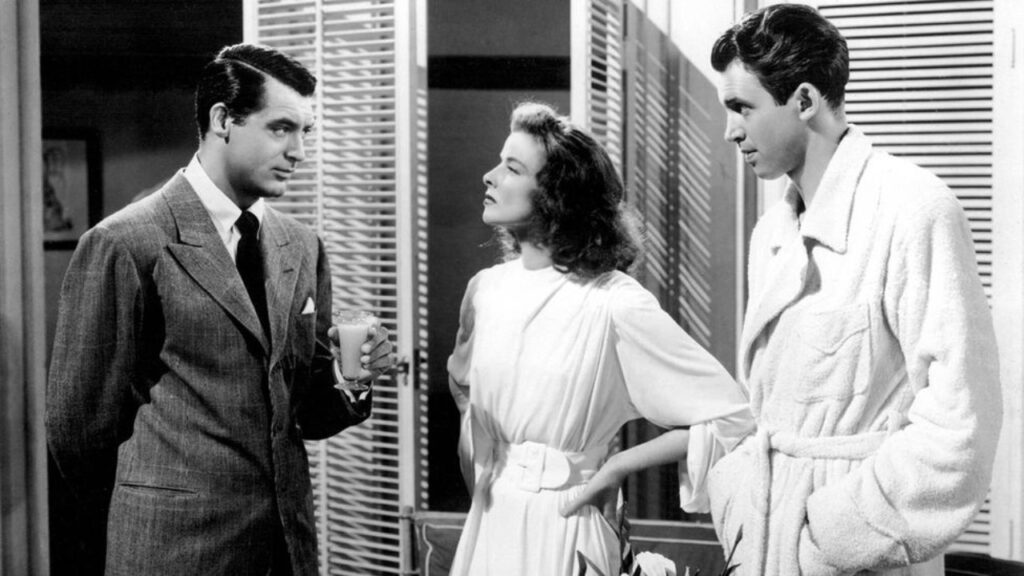
Hepburn put her own money into the stage version of ‘The Philadelphia Story‘. She took no salary in exchange for a share of the profits. The risk paid off big time. ‘The Philadelphia Story‘ broke box office records at Radio City Music Hall, and the “poison” was suddenly the cure. The role she played, a snobby rich woman brought down by love, matched Hepburn’s own story. The character is fragile enough to crack but strong enough to bend and mend.
Gloriously, Hepburn’s movie career was saved. She went on to play famous roles in ‘The African Queen‘ and ‘Guess Who’s Coming to Dinner‘. She still holds the record of four Best Actress Oscars. No one has tied it.
Looking back, Hepburn said her survival skills came from her parents. But her late brother Tom was there behind every defiant step she took. “If something goes wrong, don’t blame others. Blame yourself and then correct yourself,” she said. That was a lesson she didn’t learn in an acting class. She learned it in that cold, quiet attic when she was young. Hollywood did not just get an actress that day. It got an icon who understood that the only way to beat the tragedy of life was to refuse to let it have the last word.
You might also like to read: The Real Cannes Robbery That Mirrors Alfred Hitchcock’s Classic Thriller