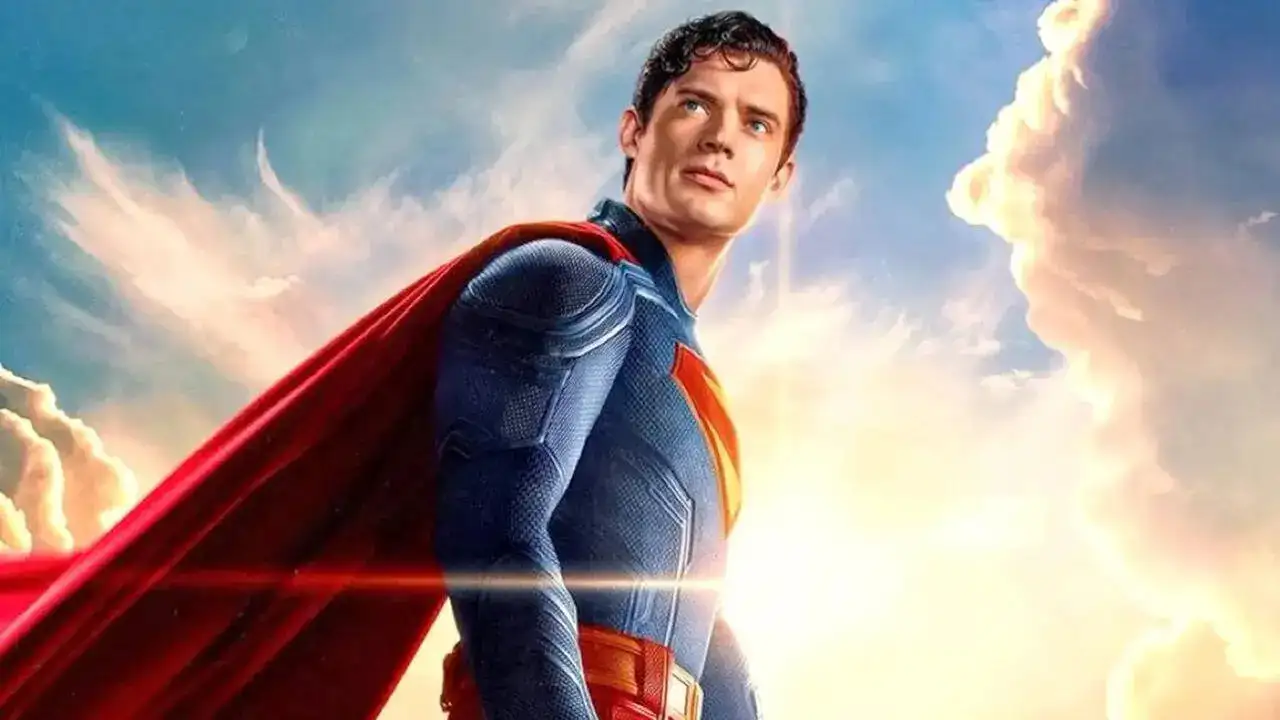
The new DC Universe is still in its infancy, yet a single confirmation has subtly changed the larger narrative. James Gunn disclosing that ‘Clayface’ is set before ‘Superman’ may seem like a small fact, but it alters the way we perceive the whole rollout.
And, more to the point, it makes it clear that DC is not playing it safe.
The Timeline Shift Just Changed How Batman and Superman Fit Together
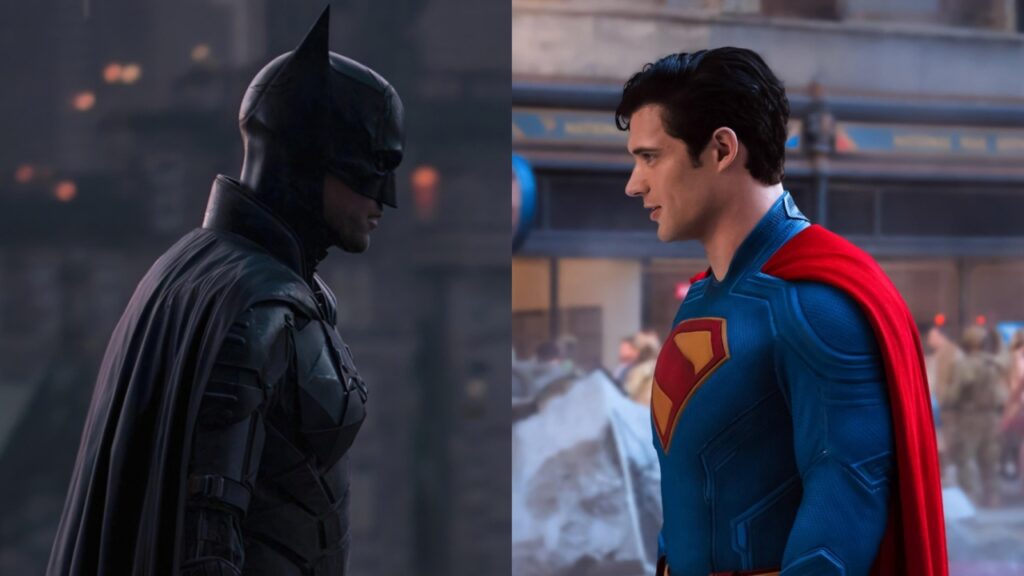
On the face of it, placing ‘Clayface’ earlier in the timeline than ‘Superman’ is unorthodox. The majority of franchises proceed linearly, placing events in a very precise order so that the audience can follow without having to think too hard. It is not the case here.
Related: ‘Supergirl’ Goes Rogue In DCU Debut With Brutal Space Showdown
Rather, DC is creating its world in layers. ‘Clayface’ is a sort of prelude, a creation myth that plays out in the dark before the more optimistic Superman comes into the limelight. It implies an already existing universe, one that already has a history and does not have to explain everything in a sequence.
It is a wiser step than it may sound. The world will not be a new one by the time audiences encounter Superman. It’ll feel lived-in. Messy. Complicated. And that juxtaposition, between an optimistic hero and a darker history, might add some depth to the DCU at the very beginning.
It also relates to previous projects like ‘Creature Commandos’ that already hinted at this timeline. Rather than a fresh beginning, DC is requesting the audience to assemble some puzzle pieces, and hopes it will pay off.
What This Means For Batman’s Arrival
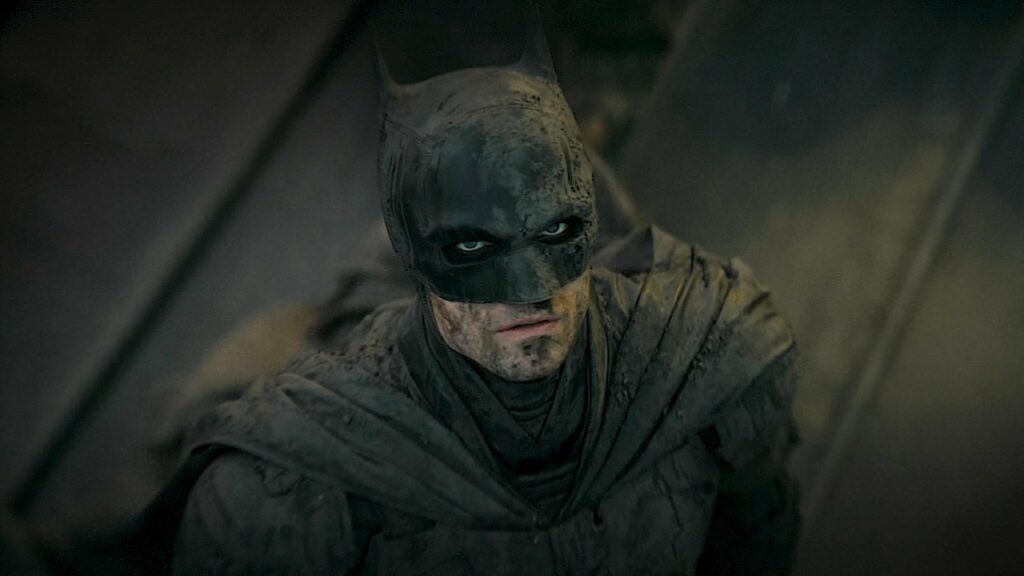
This is where it becomes more interesting. If ‘Clayface’ is set before ’The Brave and the Bold’, then Gotham City, and by extension, Batman, already exists in some form during the film’s events. However, he is not the subject. Not yet. A lot can be said about that decision. Instead of rushing to place Batman in the limelight, DC is allowing his world to breathe.
In case you missed it: Jason Momoa’s Lobo Brings Even More Chaos To DCU’s ‘Supergirl’
Gotham is not being presented to us by him, but rather explored around him. That leaves the door open to references, Easter eggs, and a feeling that Bruce Wayne has been active long before we actually encounter him. It is a less obtrusive form of world-building, but it is, perhaps, more successful.
It is also appropriate to introduce a character like Clayface into this space. He is not a mere villain; he is a mirror of identity, change, and instability. Beginning the timeline here provides the DCU with a slightly darker, more psychological advantage before its largest heroes come into the limelight.
And that could be the thing. DC is not beginning with certainty, but with questions. Who is already out there? What’s already happened? And what are the links between these stories? Should this strategy work, the DCU will not seem like a checklist of films; it will seem like a world that you are gradually discovering.
You might like to read: Robert Pattinson Ignites DC Debate By Calling Batman The Most Important Hero