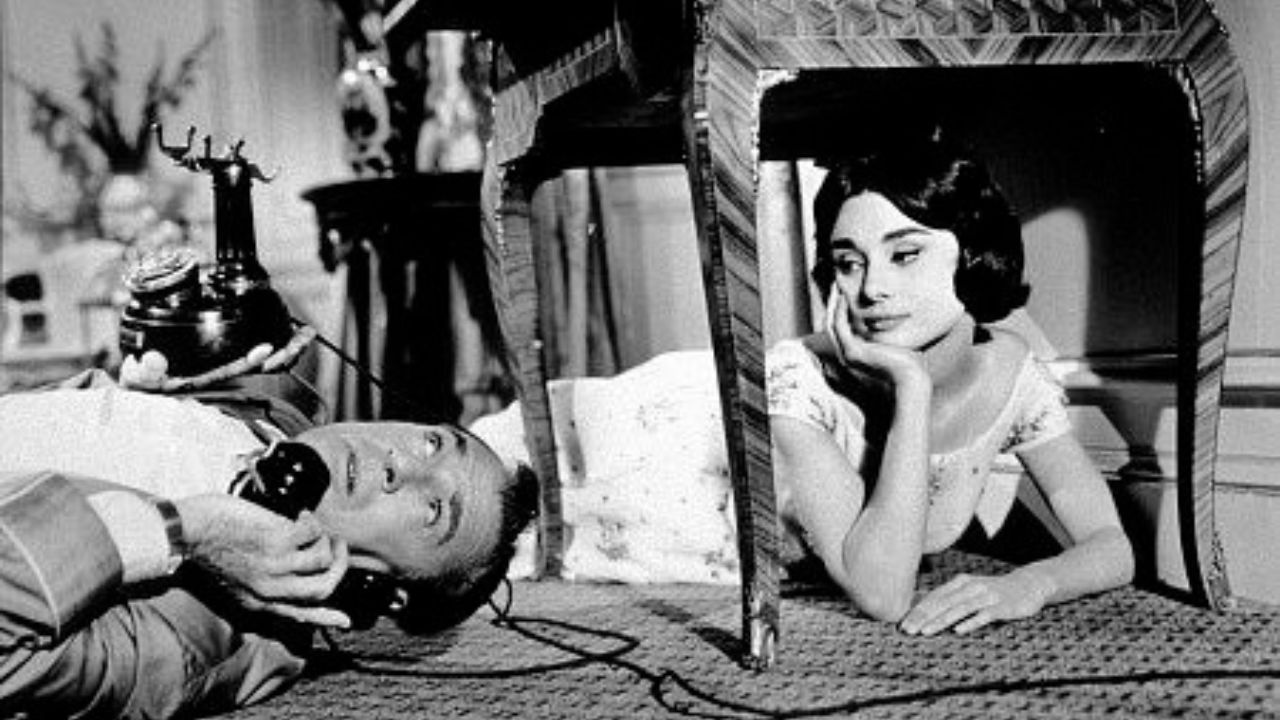
Even before modern movies stripped away the magic of old Hollywood, the famous director Billy Wilder managed to pull off a fantastic cinematic trick. In the romantic comedy ‘Love in the Afternoon‘ (1957), Audrey Hepburn did not portray a typical cold-blooded seductress, which audiences usually saw in the movies of that time. On the contrary, she became an innocent cello student who made a scandalous fake identity using a funny cheat code—her father’s private detective files.
However, pretending to be a seductive and heartless femme fatale is a dangerous and tricky thing to do. While borrowing other people’s scandals to attract an older American Playboy, the heroine begins to get caught between her fake identity and her true feelings, turning a playful lie into an emotional trap of her own making.
A Fake Persona From Private Detective Files
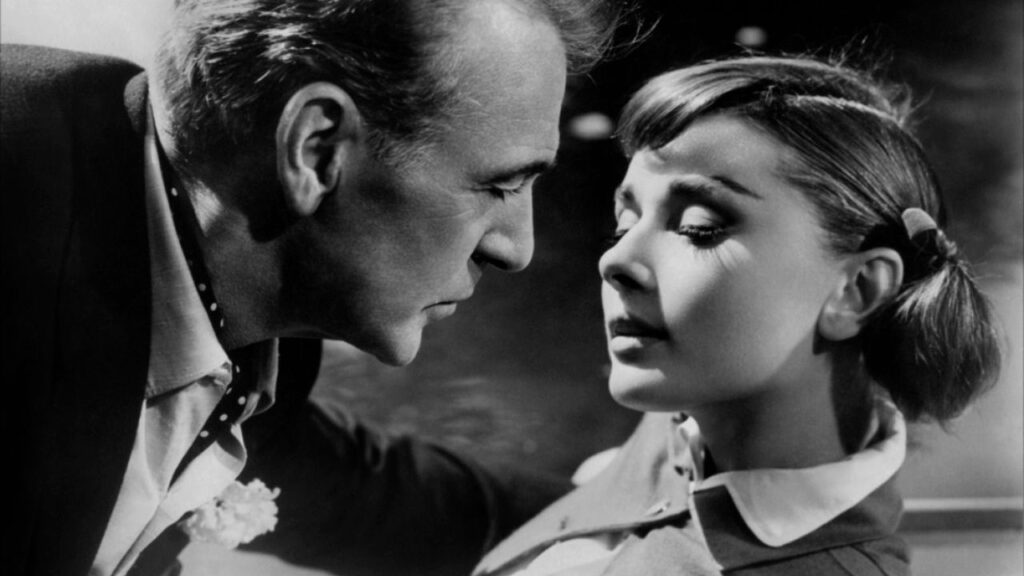
‘Love in the Afternoon‘ offers one of the most unusual femme fatales in Hollywood history. Unlike the naturally mysterious and manipulative women of classic noir, Audrey Hepburn’s Ariane Chavasse builds her persona by secretly reading her father’s private detective files.
Claude Chavasse (Maurice Chevalier) is an investigator dealing with infidelity among wealthy couples. Though he tries to shield Ariane from his work, she sneaks into his office, soaking up reports of affairs, betrayals, and secret romances.
Through these files, she gains a textbook knowledge of how sophisticated ladies speak, behave, and use mystery to create attraction.
Related: Top 10 Best Femme Fatale Movies
This information becomes essential when she meets Frank Flannagan (Gary Cooper), an older playboy exclusively attracted to glamorous, emotionally unavailable women. To hide her innocence and get his attention, Ariane creates an opposite image of herself, spinning stories about imaginary former lovers and scandalous adventures borrowed directly from her father’s files.
Billy Wilder brilliantly demonstrates how this inexperienced girl delivers a flawless performance of a worldly woman despite lacking any real romantic experience.
The film excels because Frank completely believes the illusion; the more elusive Ariane becomes, the more obsessed he grows. Through this dynamic, Wilder reveals that Hollywood’s traditional femme fatale was often a product of male imagination and fantasy rather than reality.
Ariane seduces Frank without being dangerous or cruel. Instead of manipulating him through blackmail or threats, she conquers him entirely through storytelling, imagination, and carefully constructed mystery.
Femme Fatale Myth And Its Truth
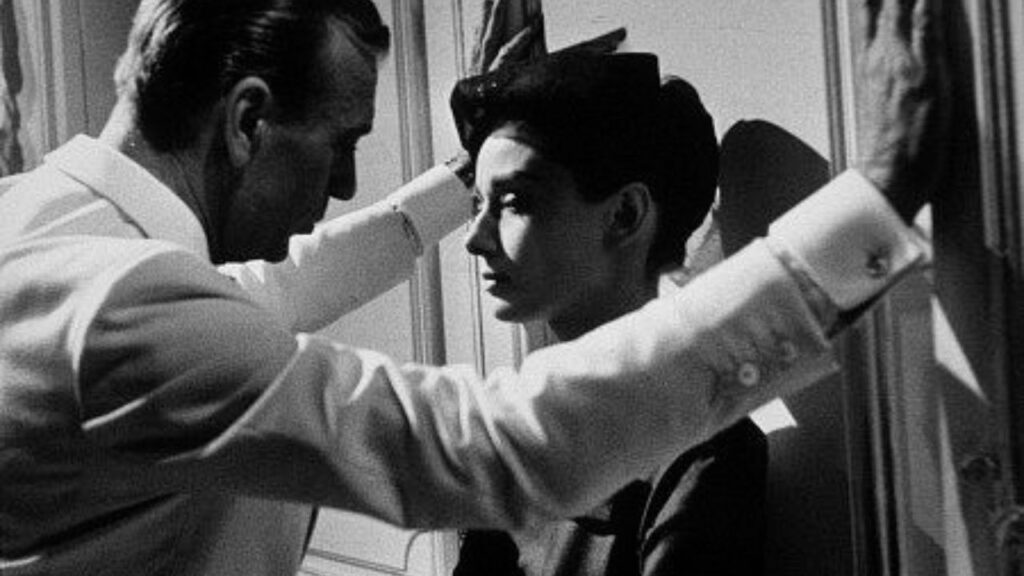
Even though Love in the Afternoon is still a romantic comedy, the film’s director, Billy Wilder, manages to use the plot to transform the image of the femme fatale that was very popular in Hollywood at the time.
The woman depicted in the movie is not really dangerous but rather becomes part of a performance to cater to the desires of men.
The character of Audrey Hepburn, named Ariane, understands that the character of Frank Flannagan, played by Gary Cooper, perceives romance as some kind of a game.
The man always changes his partners, looking for the excitement in his life, and does not seem to be satisfied with the innocence of a young girl.
Realizing that he may easily get tired of her soon, Ariane starts to pretend to be a sophisticated lady with some mystery around her. But the longer she does it, the deeper she gets under the spell of her own fiction.
In case you missed it: Then And Now: How 10 Actors Who Played Iconic Characters In 1990s Look Today
The saddest thing about the movie is that Ariane begins to lose her capability to show her true self to the man she loves. Each lie about her imaginary past lovers makes her drift even further away from the truth.
Even though she fell in love with Frank, she is afraid that he will never accept the real, shy, and inexperienced girl.
This is exactly why Billy Wilder focuses on the nature of attraction, which sometimes is purely based on fantasy. Frank himself projects his illusions about Ariane because that is what he wishes for. In a way, he creates his own fiction.
What makes ‘Love in the Afternoon’ different from such dark movies as Double Indemnity is the reason why the heroine lies to the man she likes.
Unlike other femmes fatales, Ariane deceives him not because of money or selfish interests, but due to her loneliness and affection towards him. At the end of the movie, Frank chooses to strip away the illusions, sweeping Ariane into his arms so they can finally face reality together.
You might also like to read: Top 10 Films You Didn’t Know Won Oscars