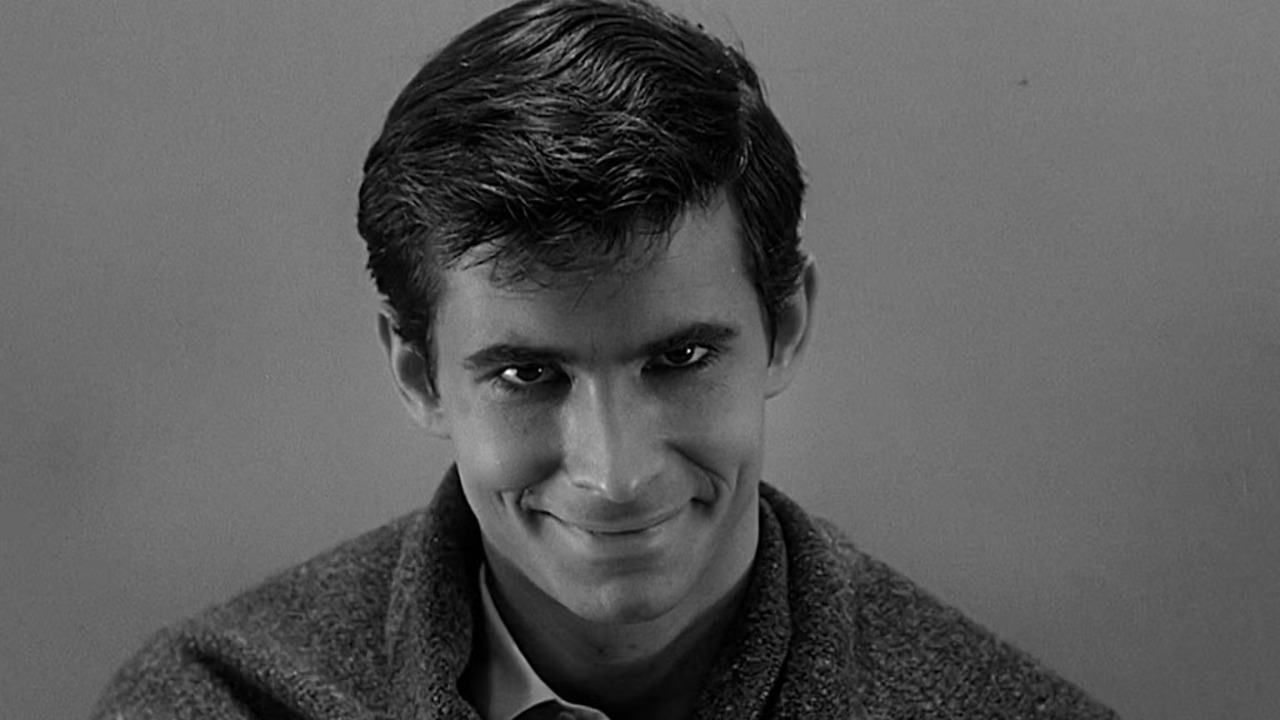
Sixty-five years ago, movie audiences were used to glamour, restraint, and a strict moral code that governed everything they saw on screen. Then, in 1960, Alfred Hitchcock flushed it all away. The shower scene in ‘Psycho‘ is famous for good reason. It is a masterclass in suspense, but it was something much more ordinary that really signaled the end of Hollywood’s old Puritanical rules. It was the flush of a toilet.
The Motion Picture Production Code, which everyone called the Hays Code, had a tight grip on American movies since 1934. The Production Code Administration made sure no film showed kissing that was too lustful. They made sure no criminal got away with their crimes. And in one of their strangest rules, they said you could not show a toilet on screen. For decades, bathrooms in Hollywood movies were like a sanitized space that did not exist. It was a strange taboo, and Hitchcock was set on breaking it.
How Alfred Hitchcock Fought the Censors to Make ‘Psycho’
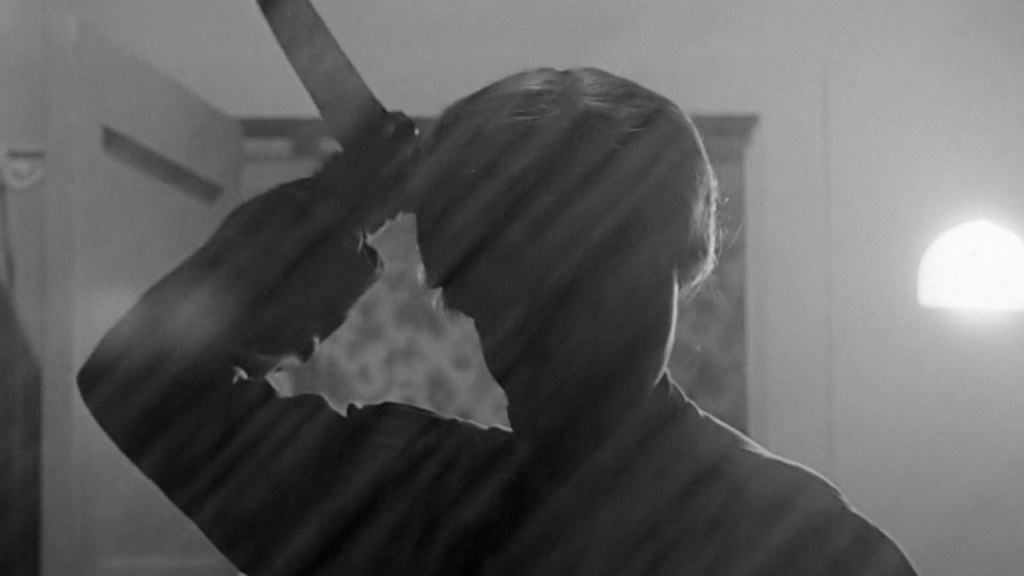
By 1960, the code was starting to show cracks because society was changing and European films were getting rawer. But the code was still powerful. Hitchcock was a master at dealing with the censors and usually faced about 22 changes they wanted per film. He saw a chance with the controversial story from Robert Bloch’s book. Paramount Pictures was scared of the project and cut its budget. So Hitchcock paid for the film himself, shot it in black and white with his TV crew, and got ready for a fight.
Related: Why Alfred Hitchcock Shot ‘Psycho’ in Black and White Instead of Colour
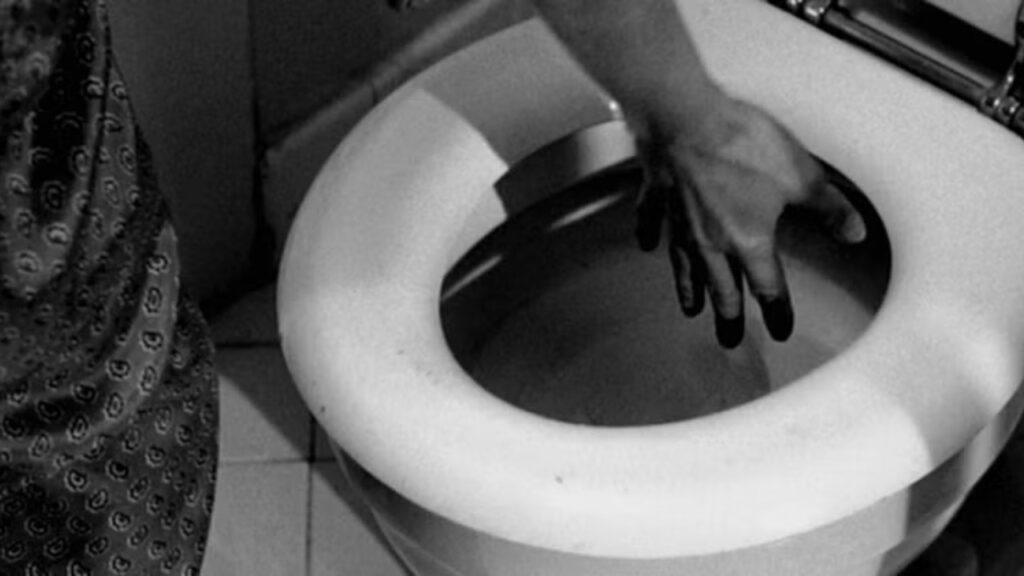
The fight over ‘Psycho‘ was like a chess game, and Hitchcock played it perfectly. The code officials were shocked, not just by the film’s content but by the whole idea of it. They had many objections. They hated the opening scene with the affair. and did not like the hints about Norman Bates dressing in women’s clothes or his relationship with his mother. And of course, they hated the nudity and violence in the shower scene. But the detail that bothered them the most was the simplest one. As the first assistant director, Hilton A. Green, remembered, “They wanted to cut the shot of the toilet where Janet Leigh tears up the note and flushes it down the toilet. You couldn’t show a toilet on-screen. Can you imagine that?”
The Toilet Scene That Shocked the Code Officials
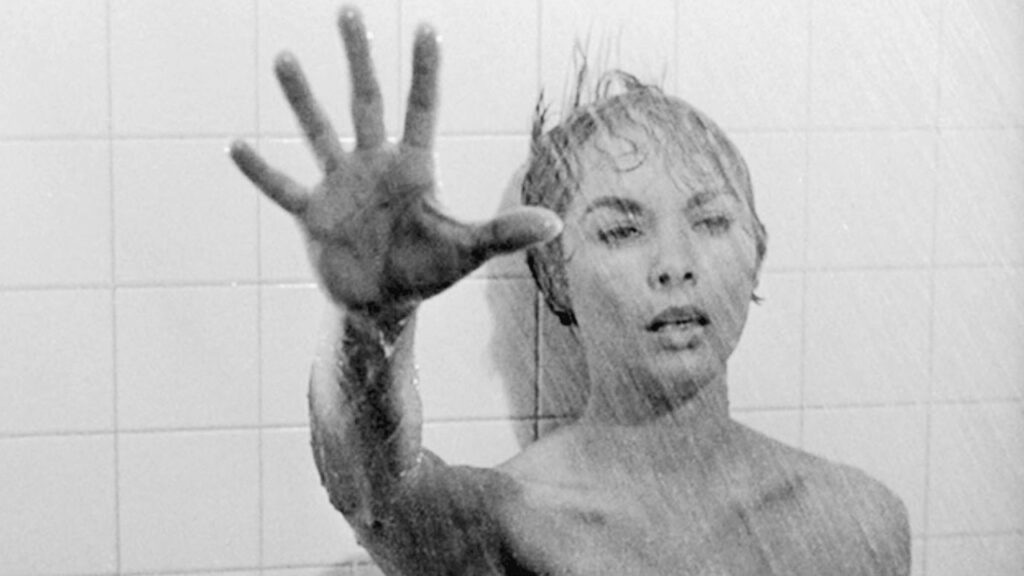
However, Hitchcock knew how to use what he had. He had put together the shower scene using 78 pieces of film cut into 45 terrifying seconds. He used quick cuts and close ups to make the violence feel real without actually showing the knife go in or any real nudity.
In case you missed it: The Alfred Hitchcock Movie Ruined by 100 Uncooperative Cats
According to John Billheimer’s book Hitchcock and the Censors, the director used the shower scene as his main bargaining chip. The censors could not agree on whether they saw nudity, so Hitchcock offered to cut a brief overhead shot of Janet Leigh’s bare backside and a shot of Perkins peeping at her taking off her bra. In return, he got to keep the film’s most rebellious parts. He kept the love scene at the start and, most defiantly, he kept the shot of the toilet flushing.
Why Alfred Hitchcock Used a Toilet to Unhinge Audiences
The screenwriter Joseph Stefano later explained the thinking behind it. He said, “I thought if I could begin to unhinge audiences by showing a toilet flushing—we all suffer from peccadillos from toilet procedures—they’d be so out of it by the time of the shower murder, it would be an absolute killer.” Hitchcock was using something ordinary as a weapon. By making the audience face a reality the code said was not fit to show, he was getting them ready for the shock that was coming. It was a deliberate move to mess with people’s minds, and it happened long before Norman Bates even walked into the frame.
‘Psycho‘ made a huge amount of money and proved that audiences wanted adult stories and themes that pushed boundaries. The Hays Code limped along until 1968, when it was finally replaced by the ratings system we have now. But its power was already broken. Seeing a piece of paper spiral down a toilet bowl was not just part of the plot. It was like a symbol of washing away an old, narrow way of thinking. ‘Psycho‘ showed Hollywood that the people in charge were no match for a filmmaker brave enough to flush away the rules.
You might also want to read: The Childhood Trauma That Sent Alfred Hitchcock Back to London for His Final Great Movie