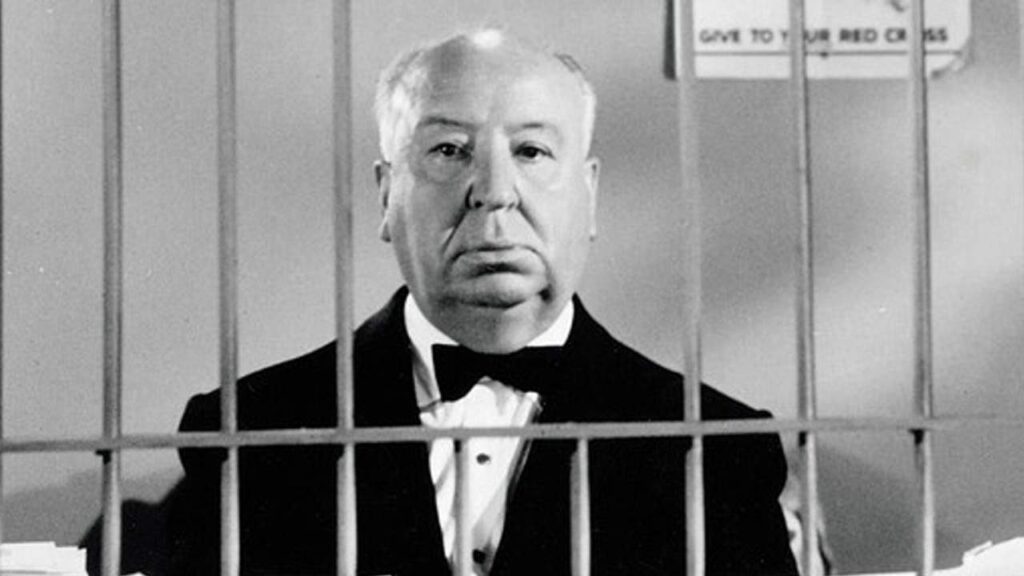
For over thirty years, Alfred Hitchcock was Hollywood’s ‘Master of Suspense’. But in 1971, near the end of his career, the filmmaker quietly went back to the rough streets of London. It wasn’t just a visit; it was a homecoming for his work, and it showed the hidden wound that drove his genius.
By the late 1960s, the man who made ‘Psycho‘ and ‘The Birds‘ was in exile, not from a country, but from a studio system that had stopped believing in him. After ‘Torn Curtain‘ (1966) and ‘Topaz‘ (1969) disappointed both critics and audiences at the box office, Hollywood turned its back on him. A new generation was taking over, and Hitchcock, then in his seventies, was seen as a relic.
To understand why he came back, you can’t look at the glamour of Hollywood. You have to look at the trauma of Leytonstone.
The Childhood Memory That Haunted Hitchcock’s Movies
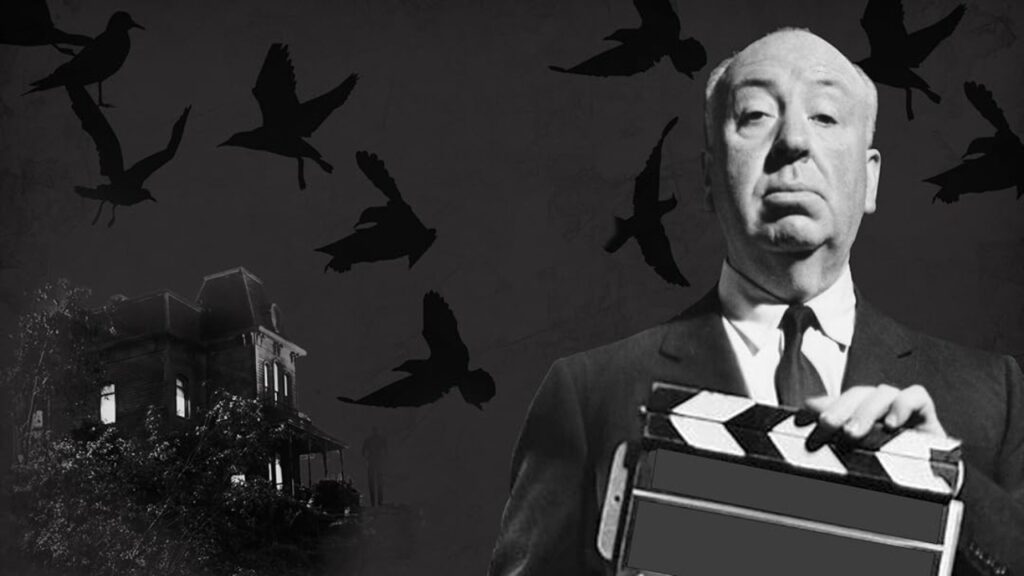
Hitchcock was born above a greengrocer’s shop in 1899. For the rest of his life, he carried a specific fear, the fear of a locked room. When he was a boy, his father played a cruel trick. He sent young Alfred to the local police station with a note asking the sergeant to lock five-year-old Alfred in a cell for ten minutes “to show him what happens to naughty boys.“
Related: How a Forgotten 1940 Alfred Hitchcock Film Inspired Christopher Nolan’s Most Intense War Movie
That childhood memory became the blueprint for every wrongfully accused man who would later run across his movie screens. When Hitchcock left Britain for Hollywood in 1939, he was trying to escape the physical limits of the London suburbs. But he could never escape the guilt and punishment the city had built inside him.
By 1971, with his Hollywood money drying up and his name fading, Hitchcock understood that to be reborn, he had to go back to the scene of the crime.
Hitchcock’s Explosive Fight With British Union Reps on Set
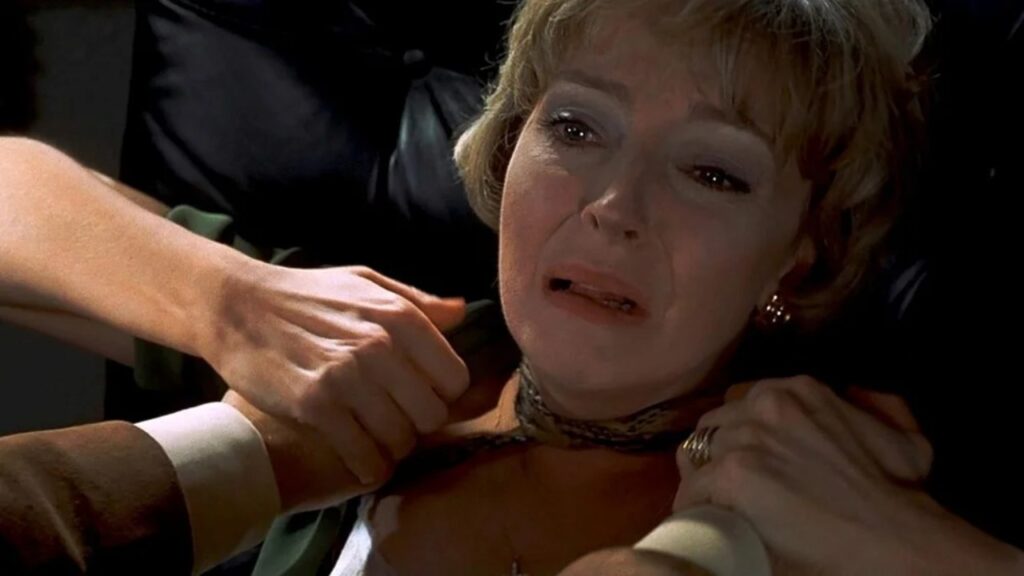
The result was Frenzy (1972). Universal gave him a small budget of $2 million, but the real point wasn’t the money. It was the location. For the first time since ‘Stage Fright‘ in 1950, Hitchcock was shooting an entire movie in his home country.
In case you missed it: Why Alfred Hitchcock Avoided Working With Marilyn Monroe Despite His Blonde Obsession
However, the homecoming wasn’t sweet. When the 72-year-old director arrived at London’s Covent Garden market to shoot, he found that the British film industry had changed a lot while he was gone. Strong unions now ran the sets.
The clash happened right away and became famous. During an afternoon shoot, as Hitchcock framed a shot of the busy market, a union representative walked up to him. “It’s 6:15, Mr. Hitchcock,” the man said. “The crew must stop.” According to people who were there, Hitchcock, the meticulous control freak who planned every frame in advance, went white with anger. “If we do not finish this shot,” he reportedly said, “I will pack up this entire production and go back to Hollywood.“
He got his shot, and the union reps were banned from the set for the rest of the shoot.
How ‘Frenzy’ Brought Hitchcock Back From the Dead
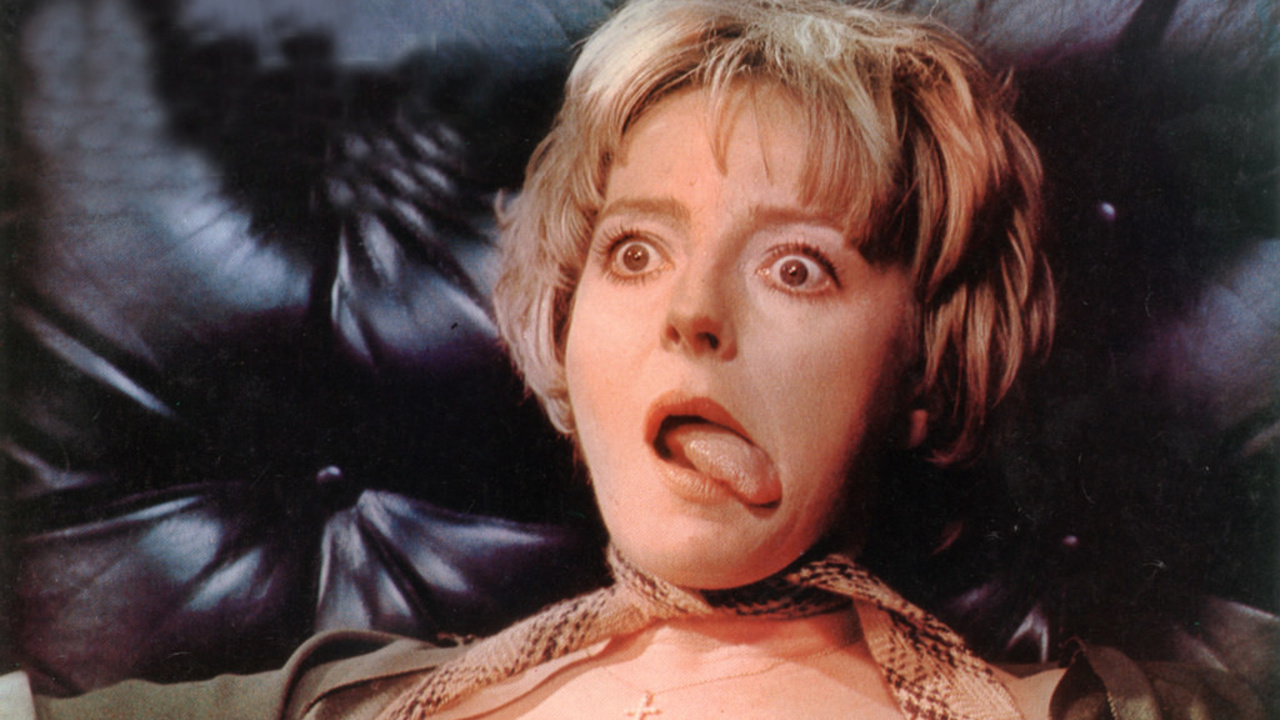
‘Frenzy’ was classic Hitchcock, but darker. Returning to London let him drop the polished look of his mid-century movies. The film, about a necktie murderer hunting women in Covent Garden, was openly violent and sexually frank in ways his American films never tried. It had a scene inside a potato truck so hard to watch that Hitchcock’s own daughter, Patricia, would not let her children see the movie for years.
Critics were amazed. ‘Frenzy’ was a hit with both reviewers and audiences, proving that the old master hadn’t lost his touch. The New York Times called it his best work in ten years.
But for Hitchcock, the success was not the main thing. The BFI’s Screenonline notes that ‘Frenzy‘ was a full circle moment. It revisited the “wrong man” theme that had started with ‘The Lodger‘ in 1926. He had gone back to his roots, the cramped apartments, the foggy riverbanks, the pubs thick with suspicion, to remind the world who he was.
He died just eight years later, in 1980, as Sir Alfred, leaving behind a secret. The reason he came back wasn’t just to make a movie. It was to prove that the fat boy from Leytonstone, the one locked in a cell for a father’s joke, was still the scariest man in the room. Hollywood didn’t fail Hitchcock. It just wasn’t scary enough.
He needed the fog.
You might also want to read: The Surprising Accident That Turned Alfred Hitchcock Into Hollywood’s Master of Suspense