

In 1988, Katsuhiro Otomo made waves with his cyberpunk anime movie ‘Akira.’ It shaped the entire generation for years to come. The movie also inspired one of the most popular Netflix shows, ‘Stranger Things.’
The movie talks about a dystopian metropolis, Neo Tokyo. It serves as the backdrop for the events, including political clashes, vigilantism, and warfare. But most importantly, the film perfectly captured the Cold War anxiety, and here’s how!
Espers’ Existence Mirrors A Horrifying Reality
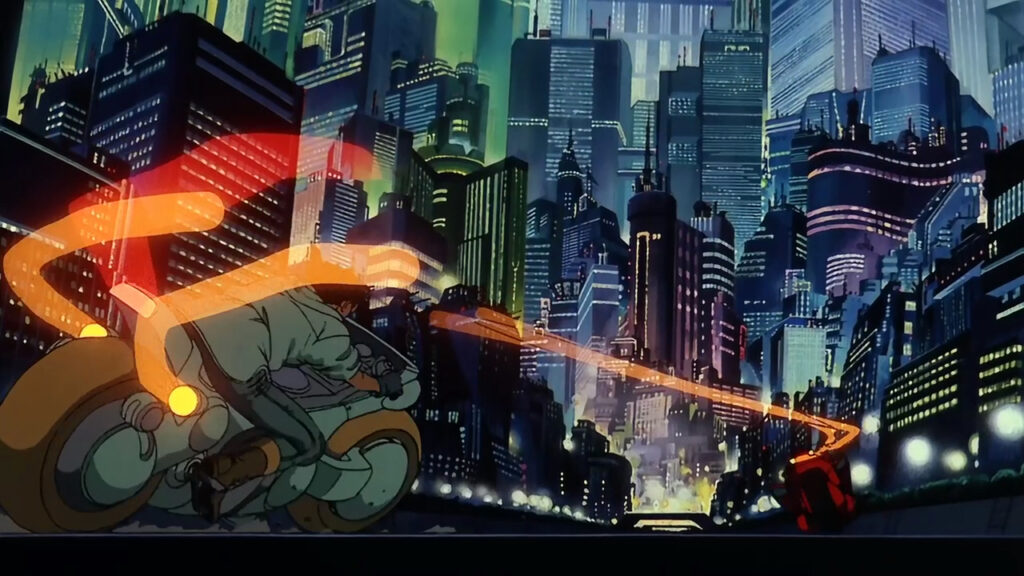
Set in 2019, Akira is based on the backdrop of Neo Tokyo. It is a metropolis that was once destroyed in 1988 by a psychic force. This very psychic force was Akira, an Esper.
For the uninitiated, an esper is an individual with extrasensory perception. They are highly awakened beings that represent the pinnacle of human evolution.
Their story, however, is as unpleasant as it gets. These aren’t adults but adolescent kids who are reduced to puppets by the government. The children were human experiments that were facilitated by the Japan Self-Defense Forces.
As a result of the constant exposure of the experiments to their bodies, they age drastically, taking on the appearance of a feeble 80-year-old person.
Related: Top 5 Studio Ghibli Films
It is scary and unsettling to the core, especially with how the movie depicts it. This isn’t divorced from reality, as it points to Project MKUltra, which was conducted by the US during the Cold War. This also had several unwilling subjects who endured mind control experiments by the CIA.
It is only during Akira’s destruction that we see the Espers for who they are. They represent a lost childhood and innocence, aided by a corrupt, greedy, and morally depraved government.
The destruction is also tied to the resistance and growing vigilantism in Katsuhiro Otomo’s movie.
Resistance And Vigilantism In Katsuhiro Otomo’s Opus

A large part of the Cold War anxiety is reflected in the vigilantism and resistance. People actively protest and reject the government’s stance.
They seek to uncover the truth behind these very experiments that ultimately led to the destruction of Neo Tokyo. It is the crux of any cyberpunk story, where it shows absolute and utter collapse.
Here, it starts with the dismantling of ethics and ends with societal destruction. The government, as an entire institution of order, subdued human agency above everything while keeping Akira’s pernicious nature secret.
Vigilantism in Otomo’s movie isn’t driven by simply groups of people. It is triggered and catalyzed by a common interest. It was a move towards a peaceful society.
In case you missed it: Top 25 Anime To Watch On Amazon Prime Video
While the government spread the dread of Akira being a nuclear weapon, Kaneda and very few saw it for what it actually was. Shikishima, too, is a dent in the very system that seeks to consume them.
He is the military leader of the self-defense forces, but he actively understands the Espers and comprehends the reality. The character rejects and refutes the sabotaging antics of both the government and the scientists.
He is another figure of resistance who actively protests the wrongs. This came at a time when, in reality, countries boasted about their military capabilities.
In conclusion, the collapse destroyed Neo Tokyo, dreams, innocence, childhood, and innocent civilians. Kaneda’s riding into the sunset, however, reflects a new era and a new beginning of hope.
It underlined his survival of a horrifying apocalypse that took his friends’ lives. The end scene revives hope and reiterates the beginning of a new era and a new society.
You might also want to read: Top 10 Billy Wilder Movies Every Cinema Lover Should Watch