Even though several iconic directors such as John Ford, Alfred Hitchcock, and William Wyler are often credited for their immense contributions to Hollywood’s Golden Era, it is Billy Wilder who is widely hailed as the most influential and visionary among them, and rightfully so.
Born in Austria, Wilder fled Nazi Europe and became one of Hollywood’s sharpest voices. A rare versatile filmmaker of his time, he crafted timeless classics across genres, from romance, suspense, and thriller to war and comedy. You name it, and he made it. His contributions to Hollywood were so significant that many modern directors cite him as a major inspiration. Below are the top 10 greatest films directed by Wilder, although it is safe to say that nearly every one of his movies is a masterpiece in its own right.
10. The Seven Year Itch (1955)
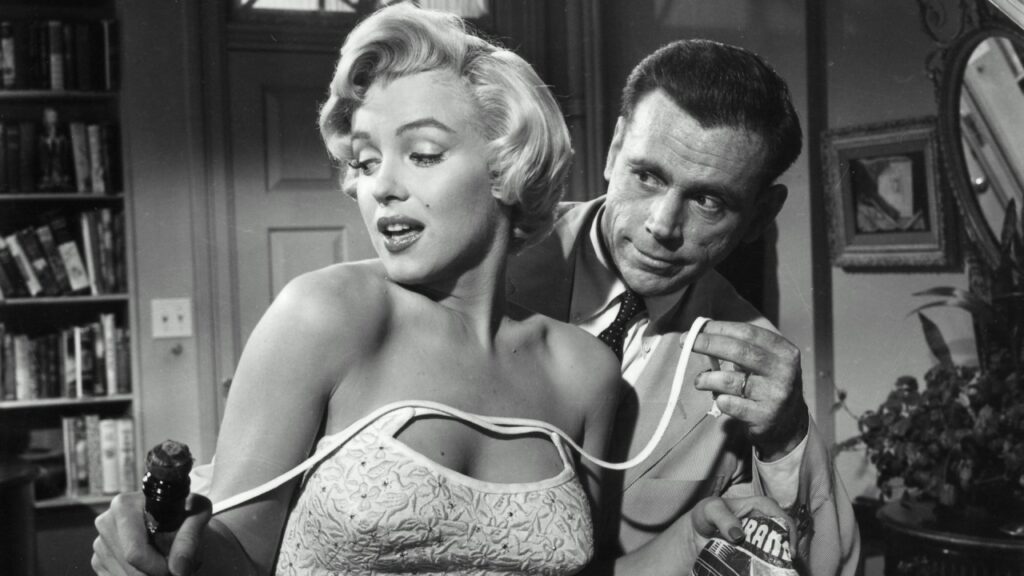
Billy Wilder’s romantic comedy, adapted from Axelrod’s 1952 play, features one of the most iconic moments in 20th-century pop culture: Marilyn Monroe standing over a subway grate as a passing train blows her white dress skyward.
The film also stars Tom Ewell, reprising his role from the stage production. It follows a married man tempted by “The Girl” upstairs while his family is away for the summer. Wilder’s sharp adaptation balances humor with themes of fidelity and fantasy, but it was Monroe’s undeniable charm that cemented the film’s status as a classic.
Related: The Controversy That Got Marilyn Monroe Fired Before Her Death
9. Sabrina (1954)
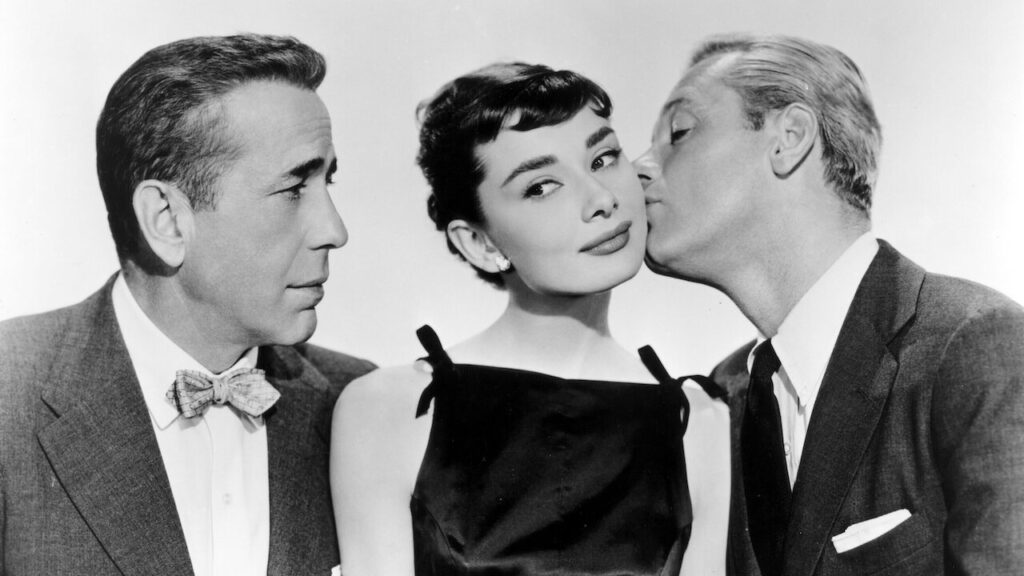
This romantic comedy drama features three of the most prominent stars of Hollywood’s Golden Era: Audrey Hepburn, Humphrey Bogart, and William Holden. The film follows Hepburn as the chauffeur’s daughter turned into a sophisticate, only to get caught between Bogart and Holden.
The film, praised for its elegance and romance, is known for Hepburn’s graceful performance and Wilder’s light touch that makes it a delightful fairy tale. Notably, this was also Wilder’s last film released by Paramount Pictures, ending a 12-year relationship between him and the distributor.
8. Stalag 17 (1953)
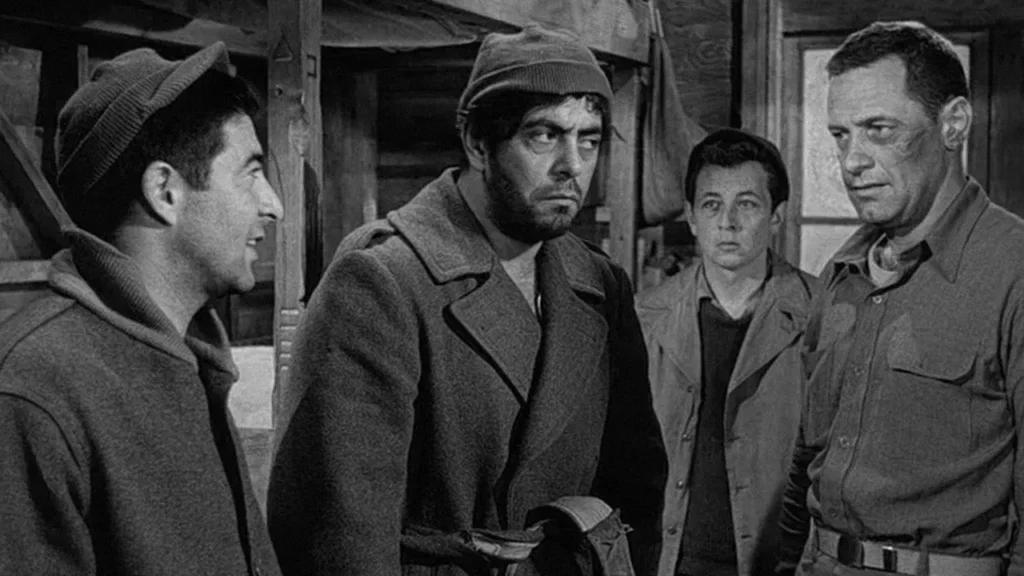
William Holden won an Oscar for his gripping performance as Sgt. JJ Sefton, an American hustler suspected of being an informant. The film follows a group of American airmen confined in a German prisoner-of-war camp.
This Billy Wilder war film masterfully blends humor, tension, and mystery. Its influence on other war films, such as ‘The Great Escape‘ and ‘King’s Rat‘, as well as TV series like ‘Hogan’s Heroes‘, is especially notable.
7. Ace in the Hole (1951)
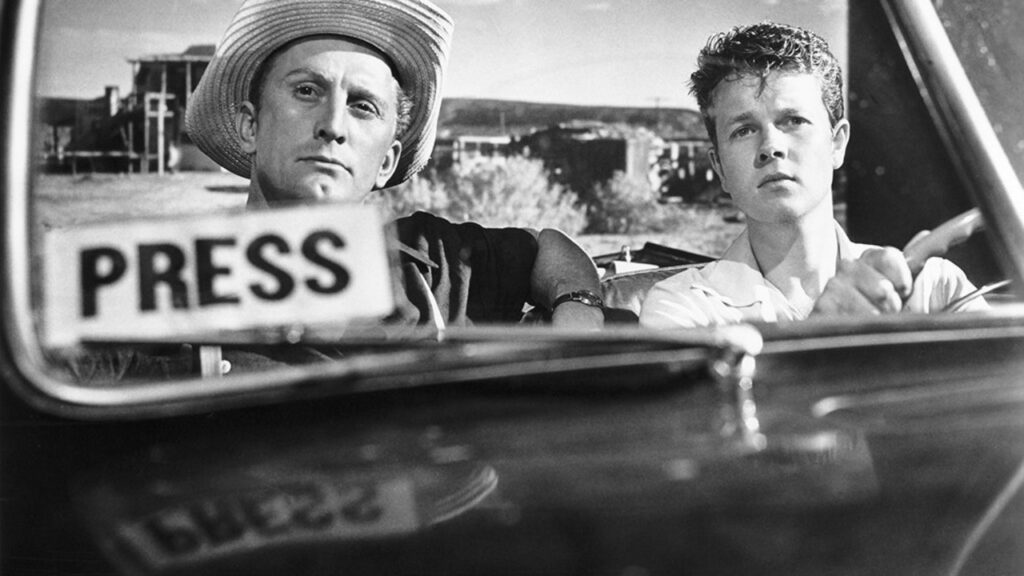
Decades before reality TV, Billy Wilder critiqued sensationalism and public voyeurism in his film ‘Ace in the Hole‘, also known as ‘The Big Carnival‘. The film, starring Kirk Douglas, follows a disgraced reporter who orchestrates a media circus around a man trapped in a New Mexico cave in order to revive his career.
Although it was considered underrated at the time of its release, the film is now hailed for its dark cynicism and for Douglas’ compelling performance as Chuck Tatum.
6. The Lost Weekend (1945)
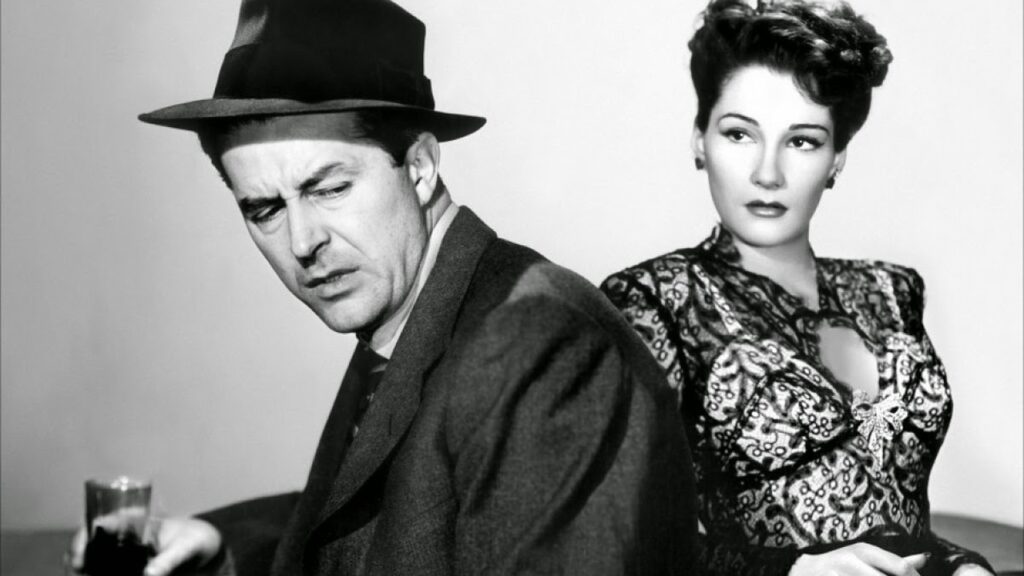
This film noir masterpiece won four Oscars and is also one of only four films to win both the Academy Award for Best Picture and the top prize at Cannes. Starring Ray Milland as Don Birnam, ‘The Lost Weekend‘ provides a harrowing look at alcoholism.
The film follows a writer who cannot give up his drinking and contemplates suicide, only to be saved by his girlfriend, who helps him recognize the depth of their love for each other.
In case you missed it: The Scandalous Audrey Hepburn Drama That Forced Hollywood to Confront Lesbian Love
5. Witness for the Prosecution (1957)
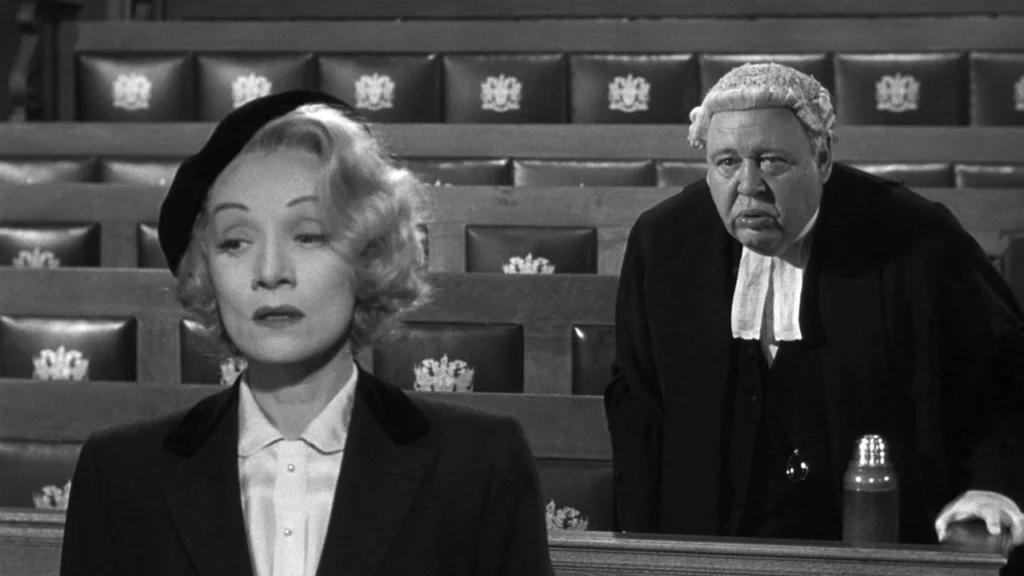
Based on Agatha Christie’s 1953 play, this Billy Wilder film is one of the most entertaining suspense works of all time. The film earned six Oscar nominations and is packed with twists, intriguing cross-examinations, and a shocking finale.
Starring Marlene Dietrich, Charles Laughton, and Tyrone Power, the story follows Leonard Vole, a man accused of murdering a wealthy widow who named him the main beneficiary in her will. He faces a tense trial, during which his wife testifies against him.
4. Double Indemnity (1944)
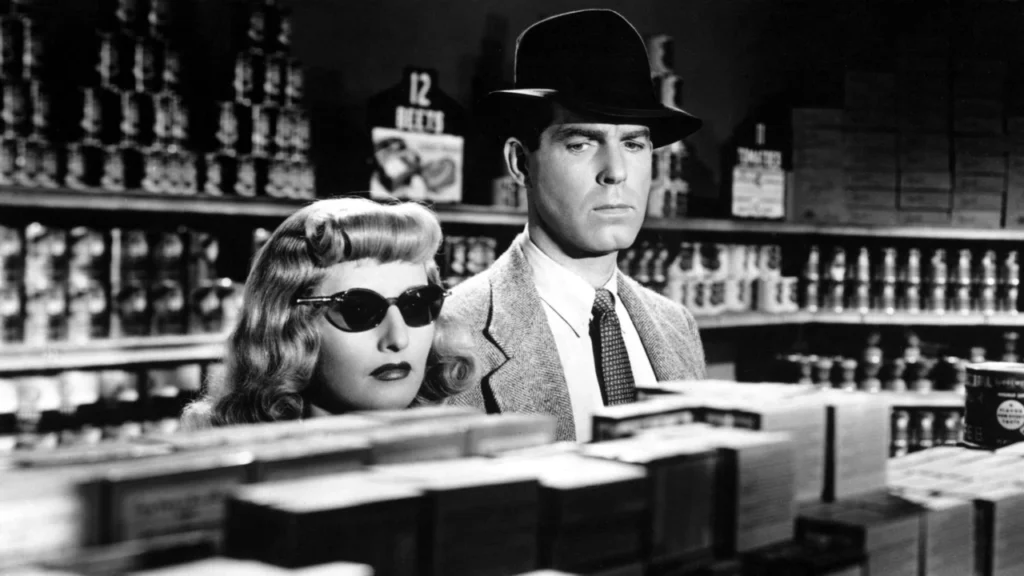
Often considered the gold standard of film noir, ‘Double Indemnity‘ has influenced several renowned directors, including Satyajit Ray, David Fincher, and Christopher Nolan.
The film follows Fred MacMurray as insurance salesman Walter Neff, who conspires with a seductive woman to kill her husband and claim a life insurance payout. It is celebrated as a masterpiece for its memorable voiceover narration and its exploration of moral darkness.
3. Sunset Boulevard (1950)
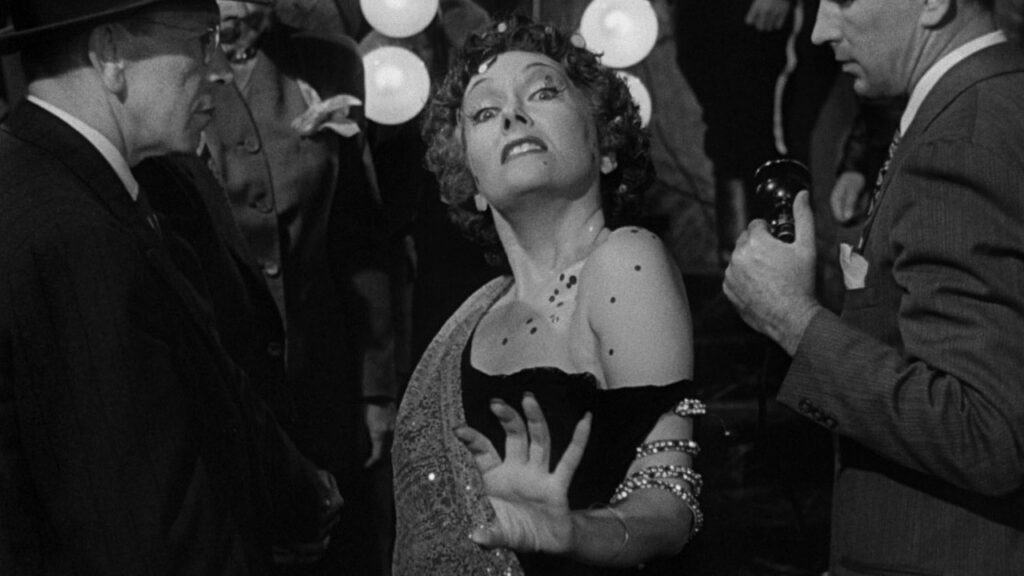
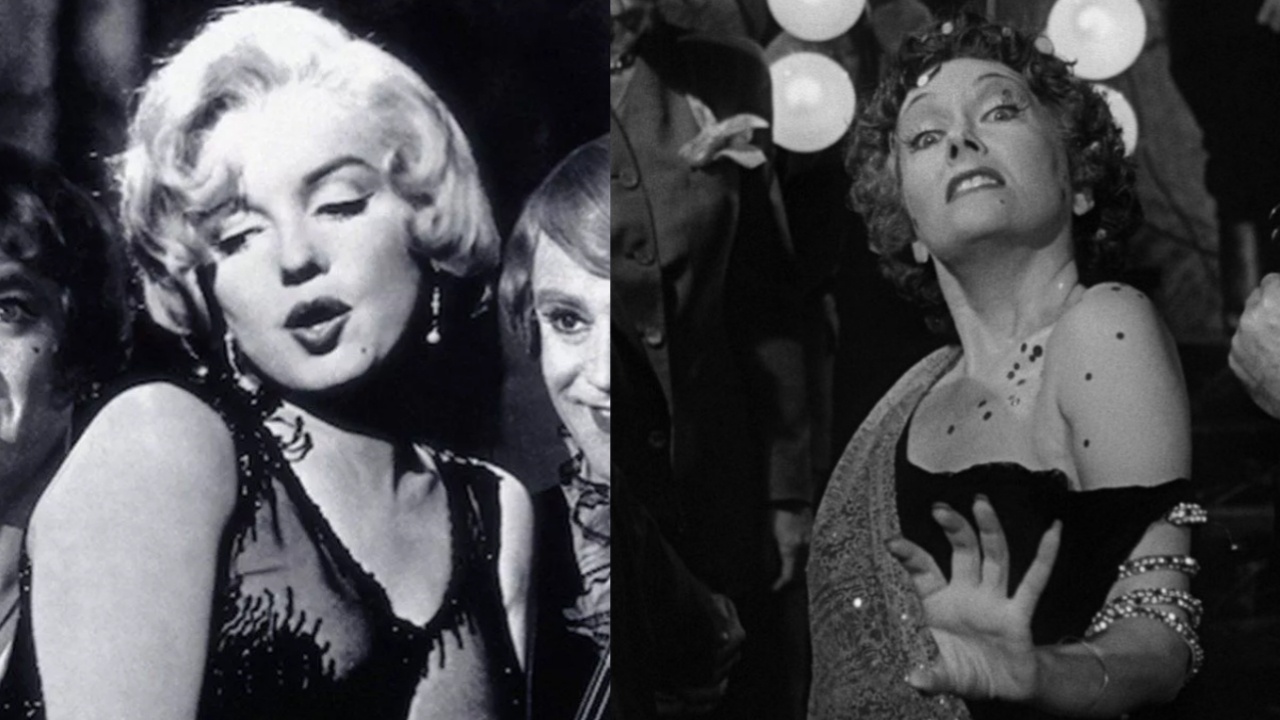
Billy Wilder’s ‘Sunset Boulevard‘ is often considered one of the top two films of his career for its biting commentary. Gloria Swanson delivers an iconic performance as Norma Desmond, a forgotten silent-era film star who plans a comeback with the help of struggling screenwriter Joe Gillis (played by William Holden).
The film’s alarming themes of fame, aging, and industry cruelty remain relevant to this day. It won three Oscars, including Best Screenplay.
2. Some Like It Hot (1959)
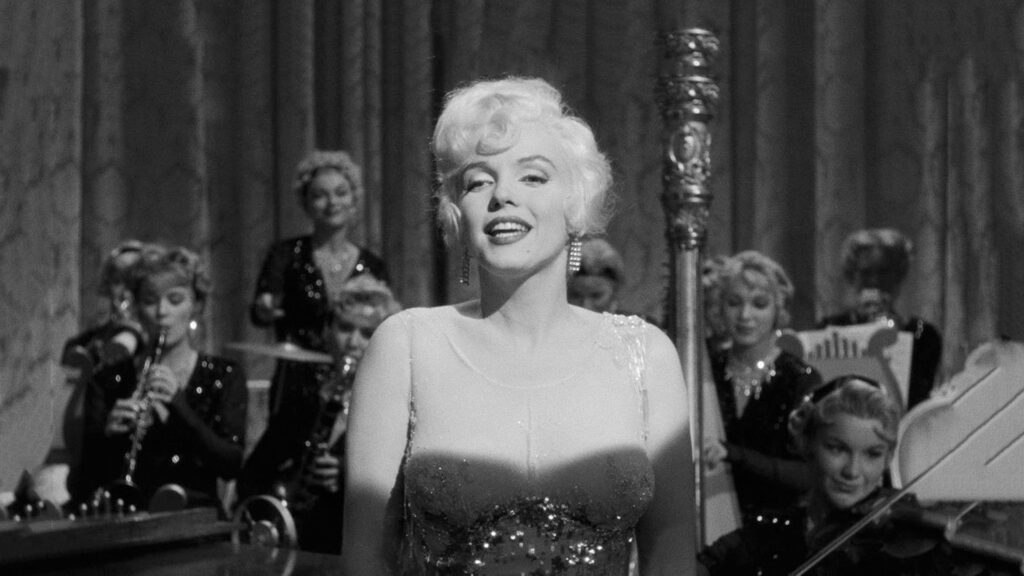
Billy Wilder’s comedy ‘Some Like It Hot‘ is frequently called the funniest American movie ever made, largely because of its pure entertainment value. The film stars Jack Lemmon and Tony Curtis as two musicians who witness the St. Valentine’s Day Massacre. To escape the mob, they disguise themselves as women and join an all-female band, where a romance develops with Marilyn Monroe’s Sugar Kane.
The film remains a timeless classic for its humor and Monroe’s luminous on-screen presence. It was nominated for six Oscars and won the Academy Award for Best Screenplay.
1. The Apartment (1960)
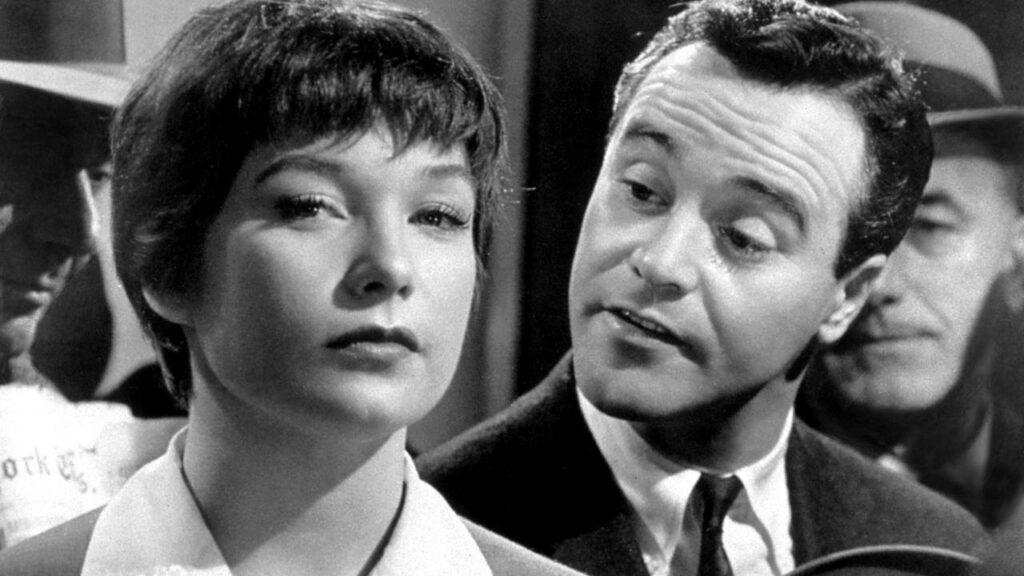
Regarded as one of the greatest films ever made, Billy Wilder’s ‘The Apartment‘ won five Oscars and is celebrated for its effortless blend of comedy and melancholy. Starring Jack Lemmon, the film follows an insurance clerk who, in hopes of climbing the corporate ladder, allows his superiors to use his apartment for their extramarital affairs. He soon falls in love with an elevator operator, unaware that she is having an affair with the head of personnel, played by Fred MacMurray.
The film is praised for its emotional depth, its performances, and its sharp portrayal of corporate ambition and urban loneliness.
You might also like to read: The Chilling True Crime Story That Stopped Alfred Hitchcock’s ‘Psycho’ From Airing on TV