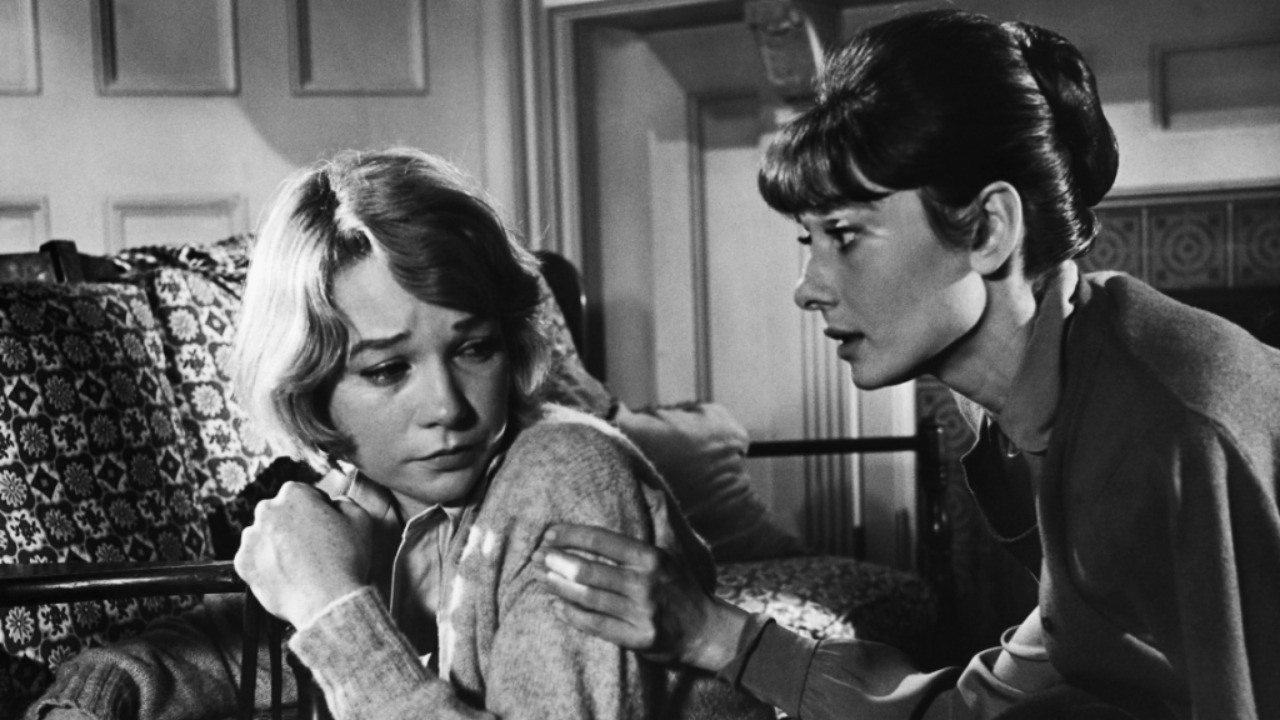
In 1961, before Stonewall and long before gay people had any real place in mainstream culture, a movie called ‘The Children’s Hour‘ forced audiences to look at something Hollywood had spent 25 years trying to hide. By the time Audrey Hepburn took the role of Karen Wright in William Wyler’s film, she was already a huge star.
‘Roman Holiday‘ won her an Oscar. ‘Sabrina’ and ‘Funny Face‘ made her Hollywood’s perfect princess of clean, pretty romance. But in 1961, she walked into something far more dangerous than a quick romance in Europe or a fashion show in Paris. She walked into a lie, a lie that would destroy two women’s lives. And for the first time in American movies, a big studio release had to admit that a woman could love another woman.
The Lie That Ruined Everything in ‘The Children’s Hour’
Lillian Hellman wrote the play ‘The Children’s Hour‘ in 1934. It had already caused trouble on Broadway. The crime? Showing homosexuality clearly on a New York stage. That was illegal back then, though the play was so successful that authorities decided to ignore it.
When Hollywood first adapted it in 1936 under the title ‘These Three,’ the Hays Code was in full force and demanded total erasure. The lesbian story became a straight love triangle. The accusation changed as it was no longer that the two schoolteachers loved each other. It was that one had slept with the other’s boyfriend.
Related: Top 10 Oscar-Winning LGBTQ+ Films
By 1961, the Code had loosened up a little. “Sexual perversion” could be shown, but only as the most awful, miserable tragedy you could imagine. Wyler, directing Hepburn and Shirley MacLaine as the accused teachers Karen and Martha, didn’t have to hide the truth anymore. But he still could not let it end well.
The story moves like a Greek tragedy, slow and crushing. A nasty student named Mary Tilford whispers that her teachers are lovers. The lie spreads fast, and soon parents begin to panic. The school shuts down. Two careers are ruined, and two women become outcasts. And in the film’s devastating third act, Martha realizes the terrible irony. The lie, for her, contains a small piece of truth.
Audrey Hepburn and Shirley MacLaine’s Painful Confession Scene That Shocked Audiences
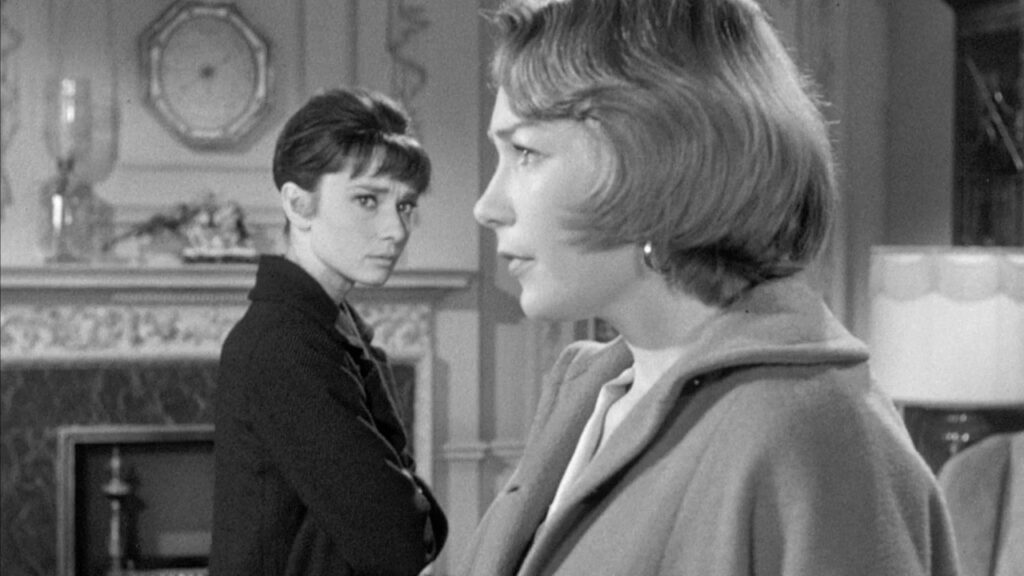
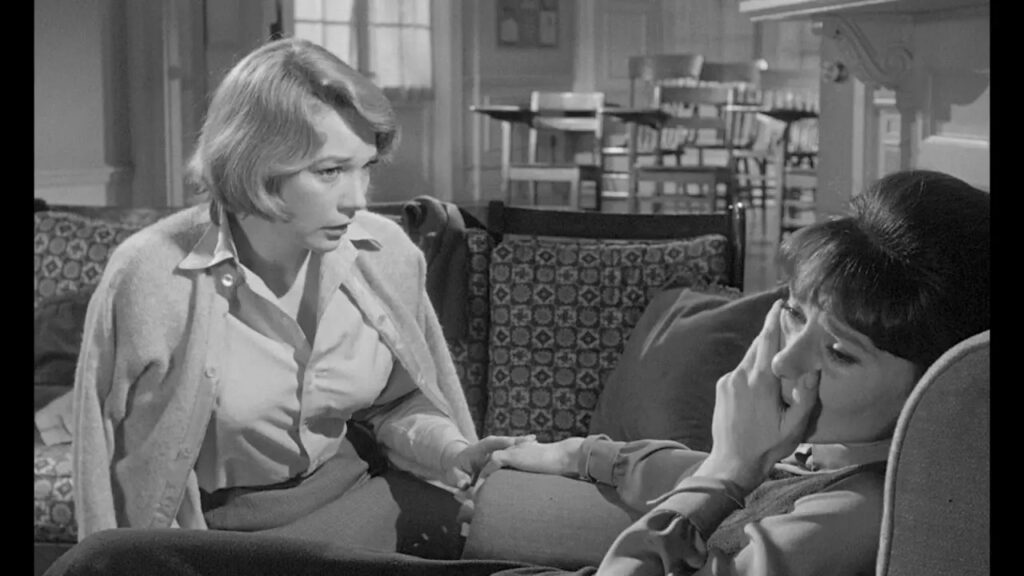
The confession scene is one of the most painful in American movies. What makes it even more extraordinary is that the actors themselves did not fully understand what they were filming.
MacLaine said years later in the documentary ‘The Celluloid Closet‘ that neither she nor Hepburn really grasped the scene. “We might have been forerunners, but we weren’t really because we didn’t do the picture right,” MacLaine admitted. “We were in the mindset of not understanding what we were basically doing… The profundity of this subject was not in the lexicon of our rehearsal period. Audrey and I never talked about this. Isn’t that amazing? Truly amazing.“
In case you missed it: Audrey Hepburn Ended Her Secret Affair With William Holden Over One Devastating Truth
But the lines on the page leave no room for doubt. Martha is trembling and she forces herself to say what she can barely put into words.
“I’ve been telling myself that since the night I heard the child say it,” she confesses to Karen. “I lie in bed night after night praying that it isn’t true. But I know about it now. It’s there. I don’t know how, I don’t know why. But I did love you. I do love you. I resented your plans to marry. Maybe because I wanted you. Maybe I’ve wanted you all these years.“
Karen pulls back, saying, “Stop it Martha. Stop this crazy talk.” But Martha cannot stop. The dam has broken. “Oh, I feel so damn sick and dirty I can’t stand it anymore,” she adds.
The Tragic Ending and “Bury Your Gays” Trope
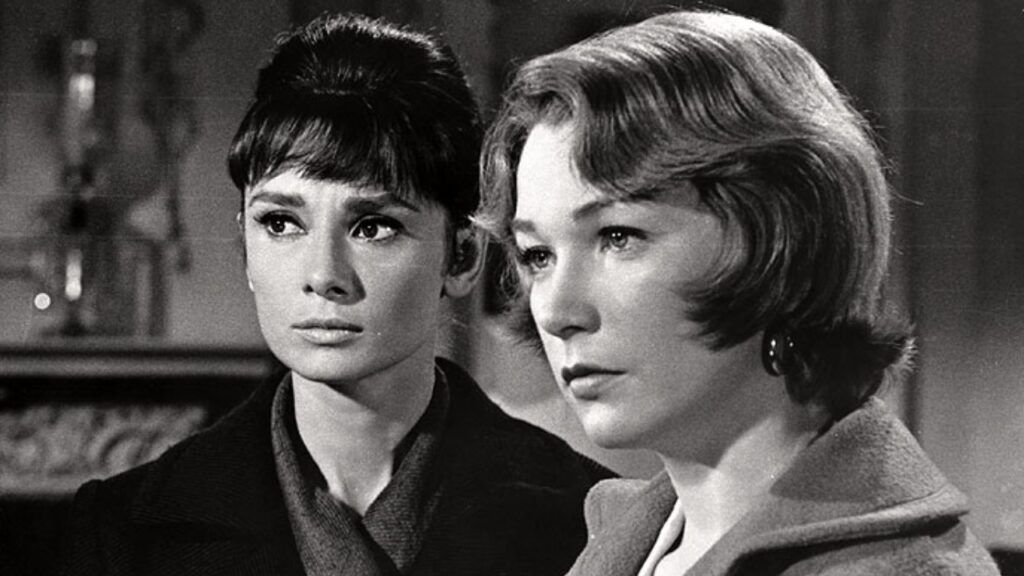
By today’s standards, ‘The Children’s Hour‘ is frustrating to watch. No one says “gay” or “lesbian” or “homosexual.” Martha hates herself so completely that even after Karen refuses to abandon her, even after the lying student takes it all back, even after Mrs. Tilford shows up crying and apologizing, Martha still kills herself.
Queer people watching today recognize the pattern right away. It is the “bury your gays” trope, shown here in pure 1960s form. A lesbian could be in a movie, the film argues, but only as a disaster. Only as a suicide.
MacLaine, looking back years later, saw what the movie could not be: “These days there would be a tremendous outcry, as well there should be. Why would Martha break down and say, ‘Oh my god, what’s wrong with me, I’m so polluted, I’ve ruined you’? She would fight! She would fight for her budding preference.”
Why ‘The Children’s Hour’ Still Matters 65 Years Later
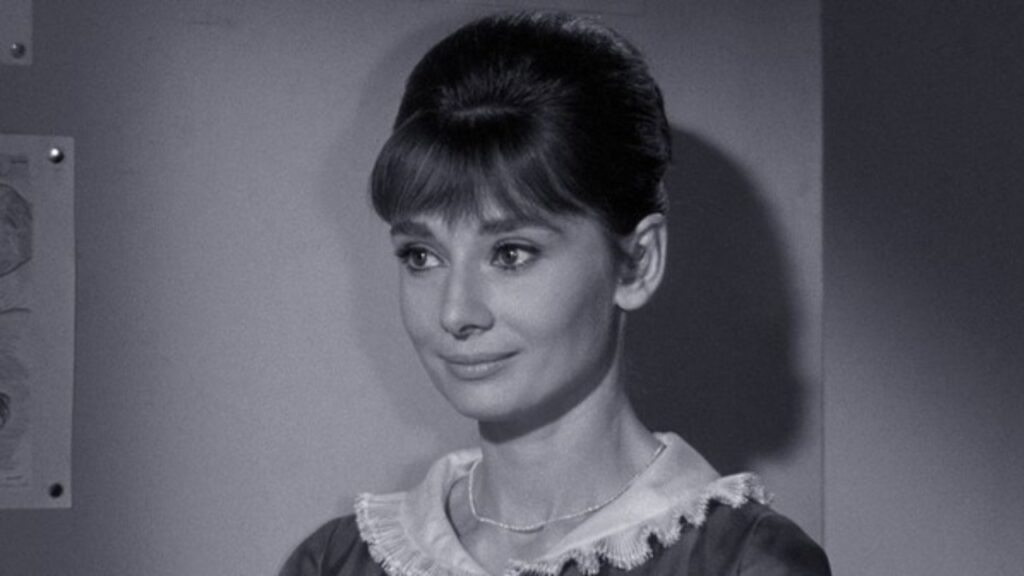
Critics gave ‘The Children’s Hour‘ careful, respectful reviews, but the film never became as famous as Hepburn’s more comfortable classics. It was too painful, too raw and too real. But its place in movie history is solid. It was the first major Hollywood production to let a lesbian speak her truth on screen, even if it was brief and even if it ended in tragedy.
Hepburn played Karen as the movie’s moral center. Loyal, grieving and finally alone after sending her boyfriend away. She does not pull back from Martha or blame her. But in 1961, the world Wyler showed had no script for what Karen could do next. So she walks, in silence. And the camera stays on her long enough to make the audience feel the weight of everything left unsaid.
Sixty five years later, gay filmmakers and critics still argue about whether ‘The Children’s Hour‘ did more good than harm. However, no one argues about its courage. Before Ellen, before ‘Brokeback Mountain,’and before marriage equality, there was Martha’s shaking confession. And there was Karen’s silence, a silence that said more than any line a writer could have given her.
You might also want to read: 20 Best Shows That Honor Queer Voices