
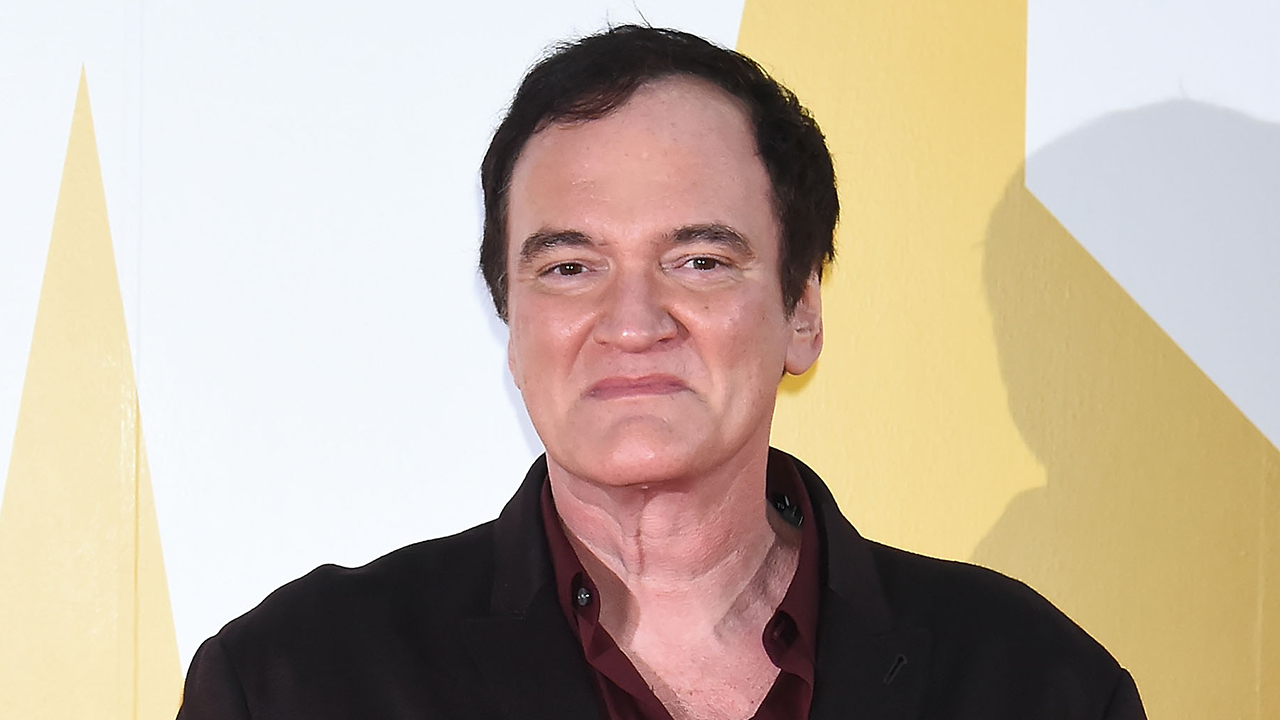
In modern filmmaking, artists often disagree on what makes a great movie. Over the years, many filmmakers have built their reputations on sharp dialogue, cultural references, and technical precision. On the contrary, there are filmmakers who believe that an excessive reliance on such conventions could strip a film of an important ingredient that gives a story its true power.
The famous independent filmmaker Harmony Korine comes from this very school of thought. Wary of the entire process of gaining validation in the industry, Korine once famously revealed a major discrepancy between his atmospheric approach and that of Hollywood’s finest director, Quentin Tarantino. To drive his point home, he targeted one key element missing from Tarantino’s films.
Harmony Korine Highlighted A “Void” In Quentin Tarantino’s Cinema
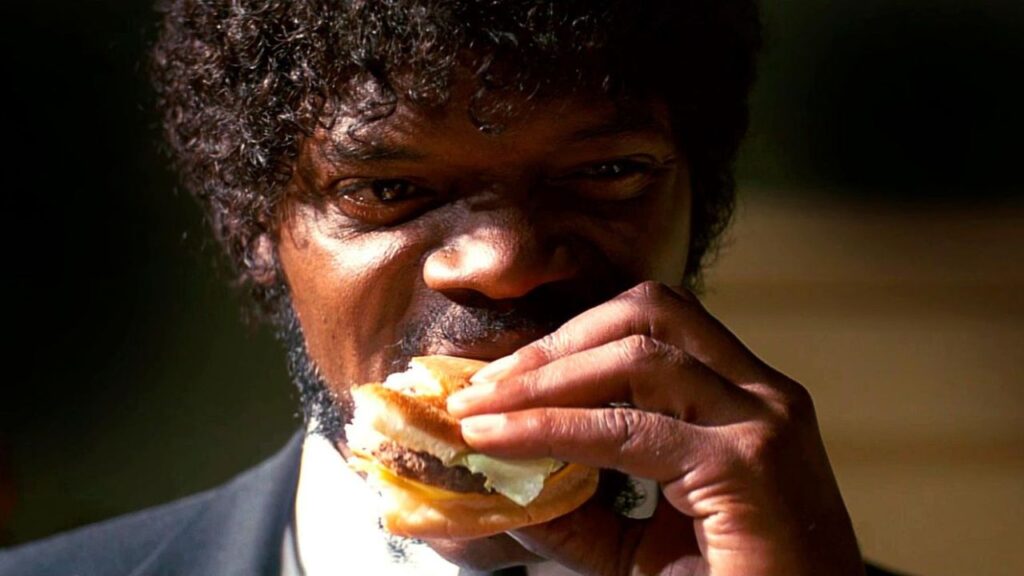
While Quentin Tarantino established himself as one of the biggest names in contemporary filmmaking, Harmony Korine never seemed particularly impressed by his work. In an old interview, Korine noted that while some of Tarantino’s movies might be famous for their great screenwriting and entertainment value, they lack depth and offer nothing beyond entertainment.
Related: The Sleazy 1983 Remake Quentin Tarantino Calls One of the “Coolest” Ever
Harmony’s statement appeared to target his films, which became famous for their sharp dialogue, references to culture, history, and various aspects of life. According to Korine, there was always “a void” beneath the facade of perfection, preventing viewers from accessing something meaningful.
“Quentin Tarantino seems to be too concerned with other films. I mean, about appropriating other movies, like in a blender,” he told Roger Ebert in a 2012 interview. “I think it’s, like, really funny at the time I’m seeing it, but then, I don’t know, there’s a void there. Some of the references are flat, just pop culture.”
Korine used the opportunity to distance himself from the “video brat” generation of filmmakers. He argued that, unlike Tarantino, who drew his inspiration almost entirely from watching old VHS tapes at a video store, he drew his inspiration from real life and morally ambiguous experiences.
Korine’s Vision Clashed With Tarantino’s Style
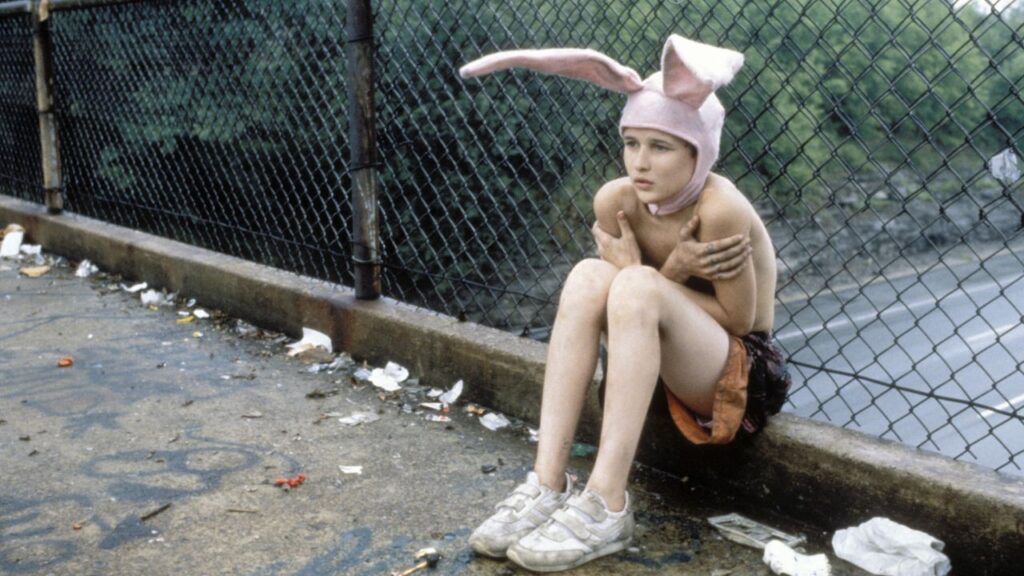
Korine’s comments were essentially rooted in fundamental disagreements between him and Tarantino regarding artistic philosophy and methods. Korine is renowned for making experimental movies, whereas the latter earned a reputation for creating highly stylized movies with well-developed stories and memorable characters.
In Case You Missed It: Quentin Tarantino Approves Explosive Django and Zorro Movie That Sounds Too Crazy to Be Real
Because of this discrepancy in ideas, Korine felt little connection to Tarantino’s films and rarely sought approval from other professionals in the industry. He is a filmmaker who dedicated substantial time to making unconventional movies such as ‘Gummo’ and ‘Julien Donkey-Boy.’
These projects, which focused on the raw nature of emotions, as well as peculiar characters and plots, prove that Korine has his own understanding of what makes a movie valuable. For him, cinema should evoke emotions and experiences that are impossible to convey through classic narrative methods.
Korine’s main objective has always been to create pieces that reflect his own vision and style. Thus, his statement about the “void” found in movies was not directed against Quentin Tarantino personally. Rather, it described his understanding of what cinema should be and how it should affect viewers’ perception of the world around them.
You Might Also Like To Read: ‘Pulp Fiction’ Star Slams Quentin Tarantino For “Racist And Creepy” Habit In His Films