
‘Inglourious Basterds‘ (2009) is often praised for its tension-filled dialogue, revisionist history, and unapologetic portrayal of resistance against Nazi forces. But only a few people know that this Quentin Tarantino movie draws from a cinematic gem that arrived nearly seven decades earlier? Released in 1942, ‘Went the Day Well?‘ was a British film made during World War II as a morale-booster.
Instead of delivering a straightforward piece of wartime propaganda, Alberto Cavalcanti‘s film became something far more unsettling. The film combined espionage, suspense, and civilian resistance into a remarkably intense thriller that still feels modern. Its influence can be seen not only in Tarantino’s work but also in that of other notable filmmakers, such as Edgar Wright.
A Peaceful Village Hiding A Dangerous Secret
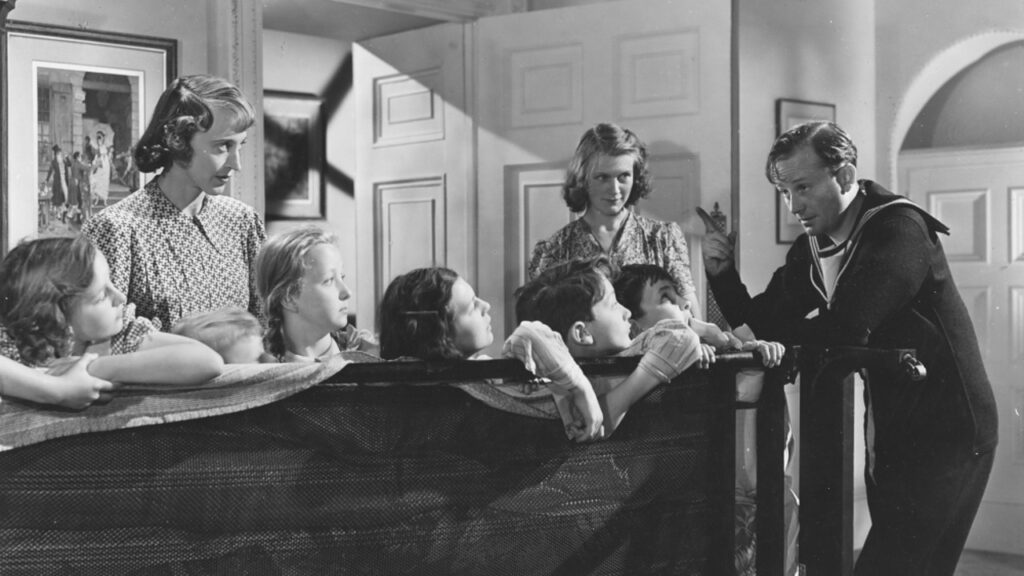
Based on a story by Graham Greene, ‘Went the Day Well?’ begins in the quiet English village of Bramley End. Life appears calm and predictable. Residents go about their daily routines, and nothing suggests that danger is approaching. But this illusion quickly begins to crack when a group of soldiers arrives in the village.
Related: Is ‘Inglourious Basterds’ Based On A True Story?
The townspeople welcome the squad without suspicion, believing them to be British servicemen. However, the audience soon realizes something is wrong. Subtle clues reveal that the visitors are actually German infiltrators posing as British troops.
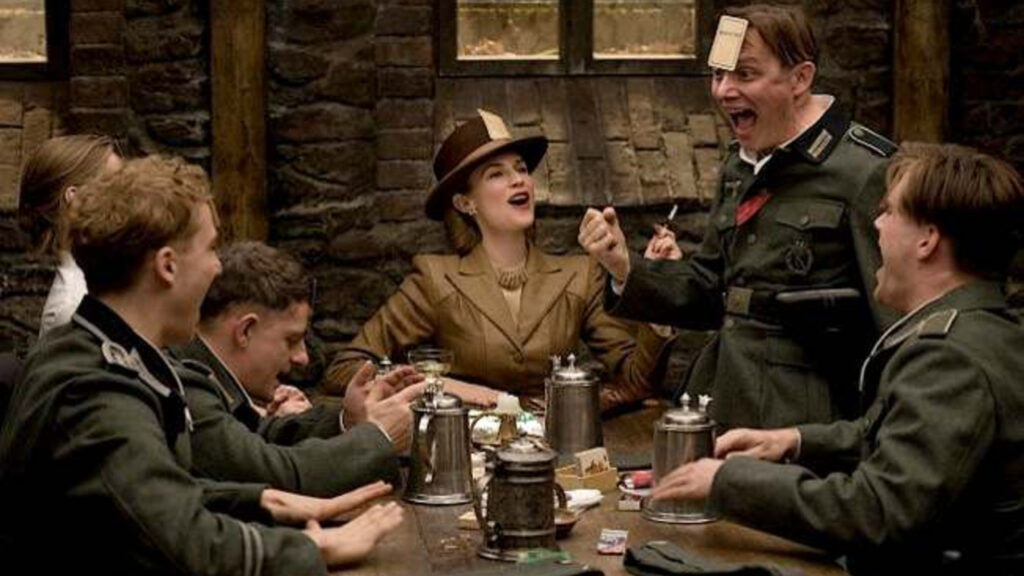
From that moment forward, the film becomes a nerve-racking exercise in suspense as villagers slowly uncover the truth while trying to determine who they can still trust. One of the film’s most celebrated sequences takes place in a pub.
That scene features a cheerful barmaid jokingly raising a toast to Hitler’s downfall as she addresses the disguised soldiers. The camera lingers on their restrained reactions, creating a sense of unease long before any open confrontation occurs.
It also demonstrates Cavalcanti’s mastery of tension, just like the tavern sequence in ‘Inglourious Basterds.’ In Tarantino’s movie, the suspense comes not from action but from conversation, body language, and the fear that one wrong word could expose everyone involved.
When Suspense Gives Way To Resistance
Once the infiltrators reveal their true intentions and seize control of the village, the film shifts into a full-scale siege thriller. Ordinary civilians become the story’s heroes. Farmers, shopkeepers, postmistresses, and churchgoers find themselves forced into extraordinary circumstances as they organize resistance against the occupying force.
In case you missed it: Quentin Tarantino Originally Hated Samuel L. Jackson’s ‘Pulp Fiction’ Look
For a film released in 1942, the tone is surprisingly uncompromising. The conflict carries genuine consequences, and the danger feels immediate throughout. Cavalcanti avoids romanticizing war, presenting a village pushed to its limits as residents fight to reclaim their homes and protect one another.
A standout sequence involves the village postmistress, Mrs. Collins. Pretending to sympathize with the occupiers, she gains a soldier’s trust before turning the encounter into one of the film’s most memorable acts of resistance.
Another memorable moment occurs during the climax, when the villagers use every available advantage to repel the invaders. These scenes deliver the same emotional release that audiences experience later in the climactic moments of ‘Inglourious Basterds.’ The satisfaction comes from watching ordinary people refuse to surrender rather than from spectacle alone.
The Blueprint For Modern Revenge Thrillers
What makes Cavalcanti’s movie so remarkable is how contemporary it still feels. The film opens with a gravedigger reflecting on the events that unfolded in Bramley End, immediately signaling that this is not a conventional wartime adventure.
From the beginning, Cavalcanti frames the story as a warning about complacency and the importance of vigilance during times of crisis. Its influence on later filmmakers is easy to spot. The combination of slow-burning tension, undercover enemies, civilian resistance, and eventual payback became a template that many modern thrillers would follow.
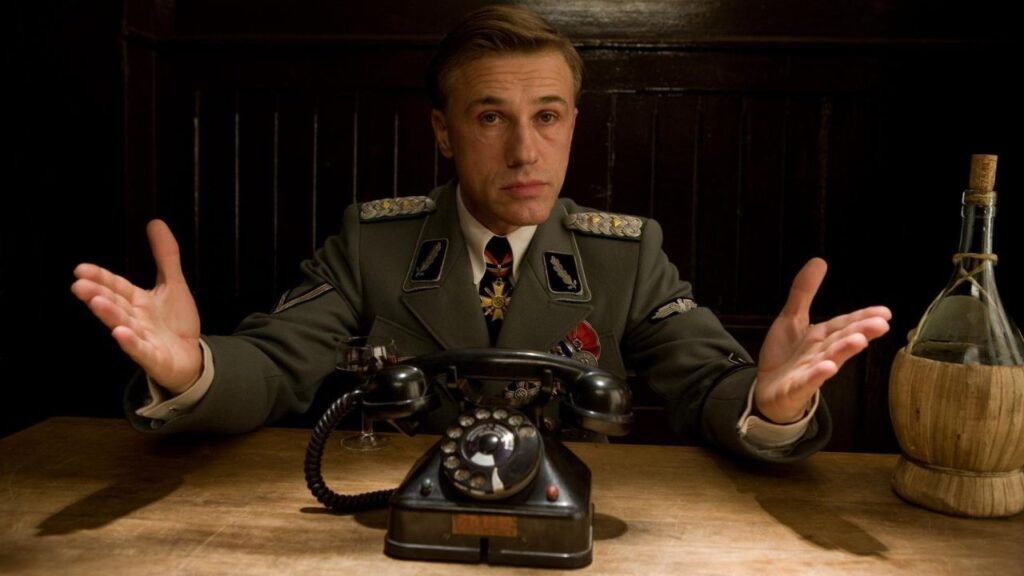
Tarantino’s ‘Inglourious Basterds’ operates on a much larger scale, but both films share a similar emotional foundation. Each builds suspense through conversation and deception before delivering moments of long-awaited justice against a common enemy.
More than eighty years after its release, ‘Went the Day Well?’ remains one of the most impressive wartime thrillers ever produced. It is a fascinating historical artifact, a masterclass in suspense, and a key influence on one of Quentin Tarantino’s most celebrated films.
You might also like to read: Why ‘Inglourious Basterds’ Is One Of The Best Works Of Quentin Tarantino