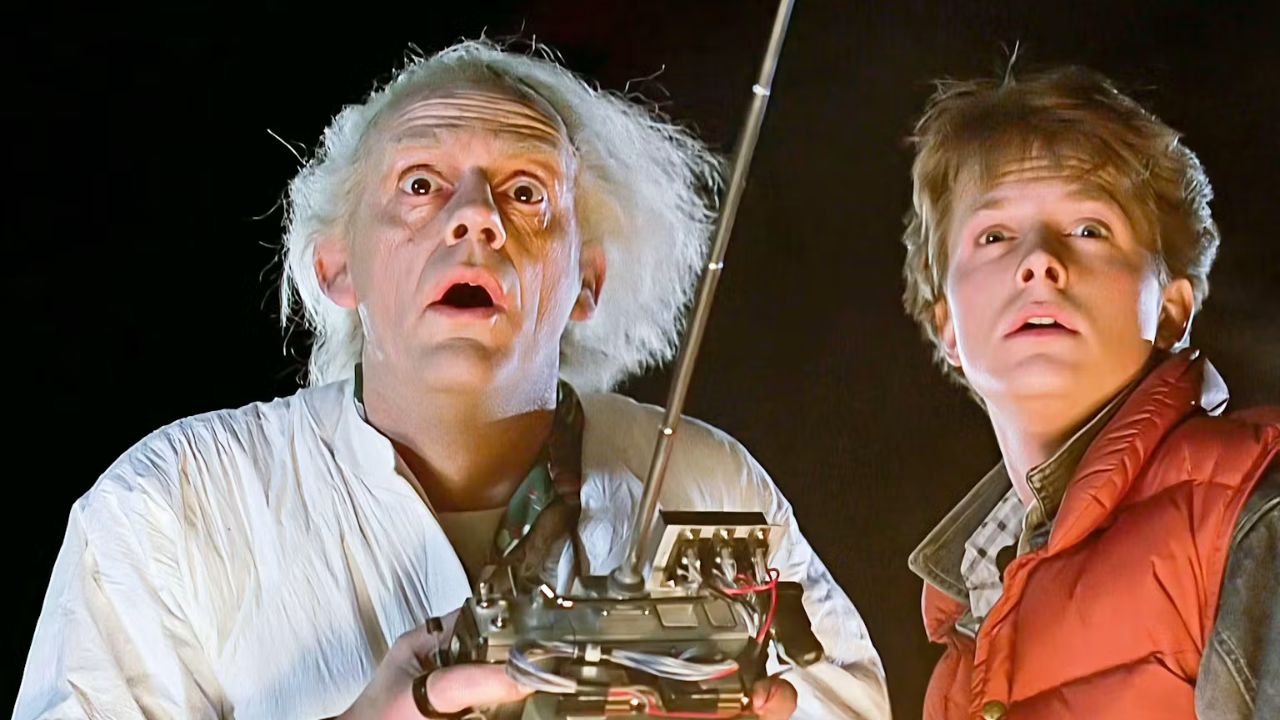
‘Back to the Future‘ (1985) has earned its place as one of the greatest sci-fi films ever made. Marty McFly‘s journey through time turned a DeLorean into a pop culture icon, launched a beloved trilogy, and helped define an entire generation of moviegoers.
What makes the film’s legacy even more interesting is the fact that it almost never happened. Before the movie could reach production, Hollywood repeatedly rejected the screenplay, citing multiple issues. Any one of those setbacks could have ended the project before it reached theaters.
Why Studios Rejected ‘Back To The Future’ Over 40 Times
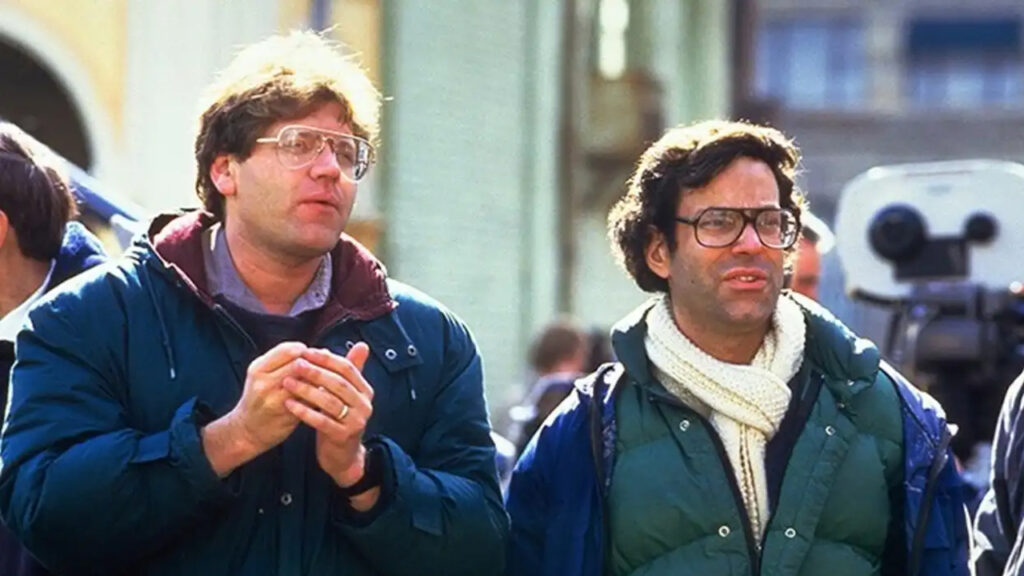
Robert Zemeckis and Bob Gale spent nearly four years trying to convince studios to make ‘Back to the Future.’ Instead, they watched executives reject the screenplay again and again because no one could agree on what kind of movie it was.
Related: Top 10 Underrated Sci-Fi Movies That Have A Massive Cult Following
Looking back on the film’s long journey, Gale revealed just how difficult it had been to get the project off the ground. Speaking to NBC New York in 2010 during the film’s 25th anniversary, he said the “original script was rejected over 40 times” before Universal Studios finally picked it up.
The screenplay confused almost every studio that read it. Columbia Pictures thought it was too wholesome to compete with the wave of raunchy teen comedies dominating the early 1980s, including ‘Porky’s’ and ‘Fast Times at Ridgemont High.’
Disney rejected it for the opposite reason, deciding that the storyline involving teenage Lorraine McFly falling for Marty was too inappropriate for its family-friendly image. Universal also passed during an early pitch after concluding that time-travel movies weren’t profitable.
The script wasn’t the only concern. Studios also doubted Zemeckis and Gale after ‘I Wanna Hold Your Hand’ and ‘Used Cars’ failed to become box office successes. Their fortunes changed in 1984 when Zemeckis directed ‘Romancing the Stone.’
The unexpected hit transformed him from a financial risk into one of Hollywood’s most sought-after directors. With that success behind him, Zemeckis partnered with his longtime mentor, Steven Spielberg, whose Amblin Entertainment helped bring the project back to Universal.
A Last-Minute Recast Helped Turn It Into A Hollywood Classic
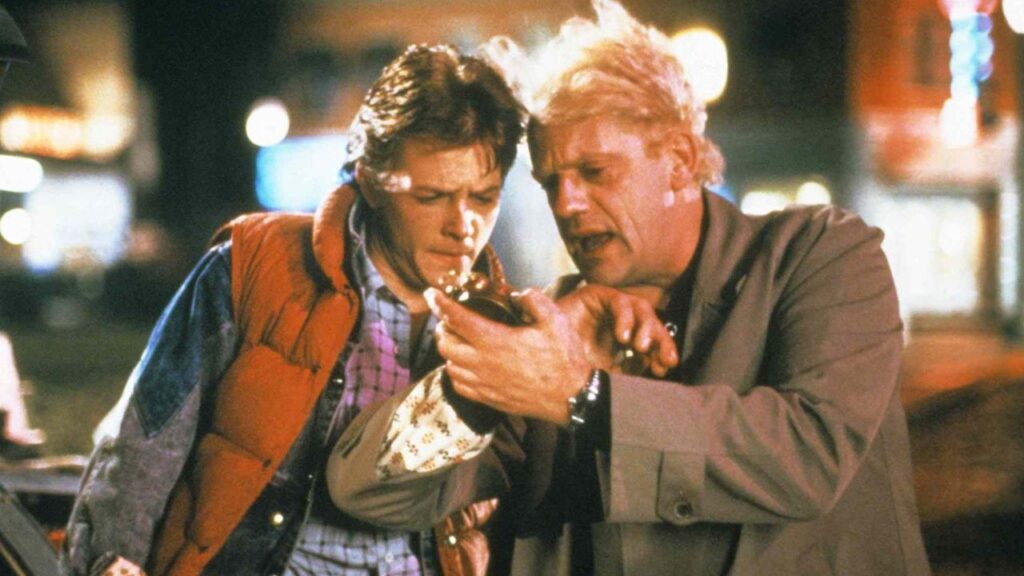
Getting the green light didn’t mean the production’s problems were over. Michael J. Fox had always been Zemeckis and Gale’s first choice to play Marty McFly, but his commitment to NBC’s ‘Family Ties’ made him unavailable when filming began.
In Case You Missed It: Top 10 Sci-Fi Movies That Champion Female Narrative
Rather than delay production, the filmmakers cast Eric Stoltz in the lead role and moved forward. Six weeks into filming, Zemeckis and Gale realized Stoltz’s dramatic approach wasn’t the Marty McFly they had imagined.
Although the production had already completed a significant amount of footage, they made the difficult decision to replace him. Once Fox’s schedule allowed him to balance both projects, he stepped into the role, filming ‘Family Ties’ during the day and ‘Back to the Future’ late into the night.
The recast pushed the film well over budget, but the gamble paid off. Released on July 3, 1985, ‘Back to the Future’ earned nearly $393 million worldwide and became the highest-grossing film of the year.
Its success led to ‘Back to the Future Part II’ in 1989 and ‘Back to the Future Part III’ in 1990, turning a screenplay that Hollywood had rejected over 40 times into one of the industry’s most enduring franchises.
You Might Also Like To Read: Elle Fanning’s Most Embarrassing Met Gala Moment Came With an Unexpected Reaction From Cardi B