
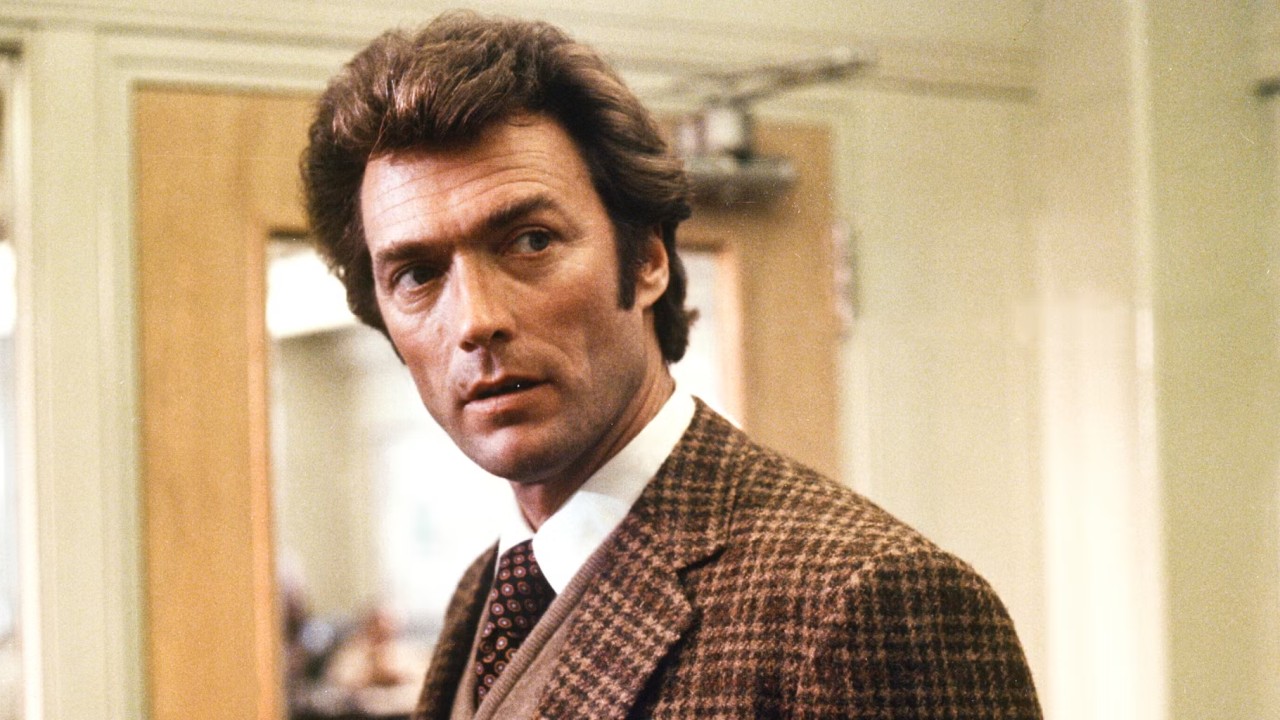
For any actor whose career depends on continuous creativity and innovative projects, breaking out of a comfort zone and stepping outside their skin could prove crucial. For an icon who is mainly associated with stoic masculine archetypes, deciding to go in the opposite direction may be considered too risky. However, taking such a career leap and choosing not to play it safe and predictable may lead to unexpected results, such as a hit Clint Eastwood movie that proves creative decisions pay off in the end.
Achieving fame as a premier Western actor—celebrated for masterpieces like ‘The Dollars Trilogy,’ ‘The Outlaw Josey Wales,’ and ‘Unforgiven‘—carries a unique duality: it is immensely rewarding, yet it risks typecasting an artist within a dangerous, violent archetype. On the one hand, the audience expects certain patterns from their favorite hero when watching a new movie. As a result, a major star made the difficult decision to move away from his established archetype.
Clint Eastwood’s Search For Something New
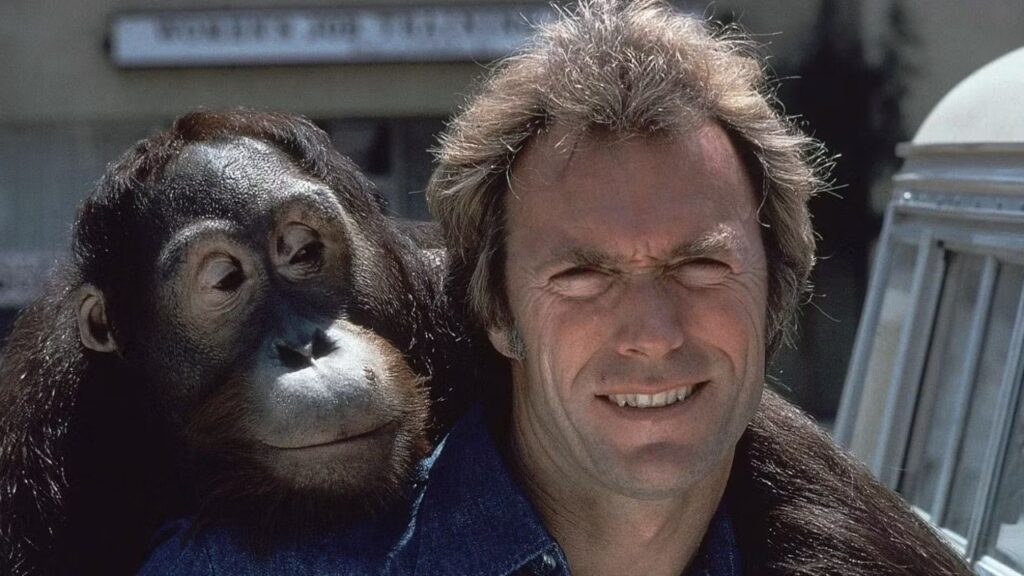
At that time, the actor had already become iconic for embodying tough, stoic men, mostly because of the roles he played, which were very successful and popular. To avoid becoming predictable and limited, the star sought projects that would help him shed his established image.
In 1978, the star got an invitation to participate in the action-comedy film ‘Every Which Way but Loose‘ directed by James Fargo. His character became that of an average guy—a working-class trucker and boxer traveling with his orangutan Clyde across the American West, accompanied by his brother.
Related: How Clint Eastwood’s One-Take Philosophy Surprised Matt Damon
Given the plot’s weirdness, many friends and industry professionals tried to convince the star to give up on the project because the film did not look like a traditional ‘Clint Eastwood movie.’
Although there were many doubts about what would happen after the actor agreed to work with James Fargo, he saw the movie’s potential.
Facing The Risk And Overcoming The Advice Of Peers
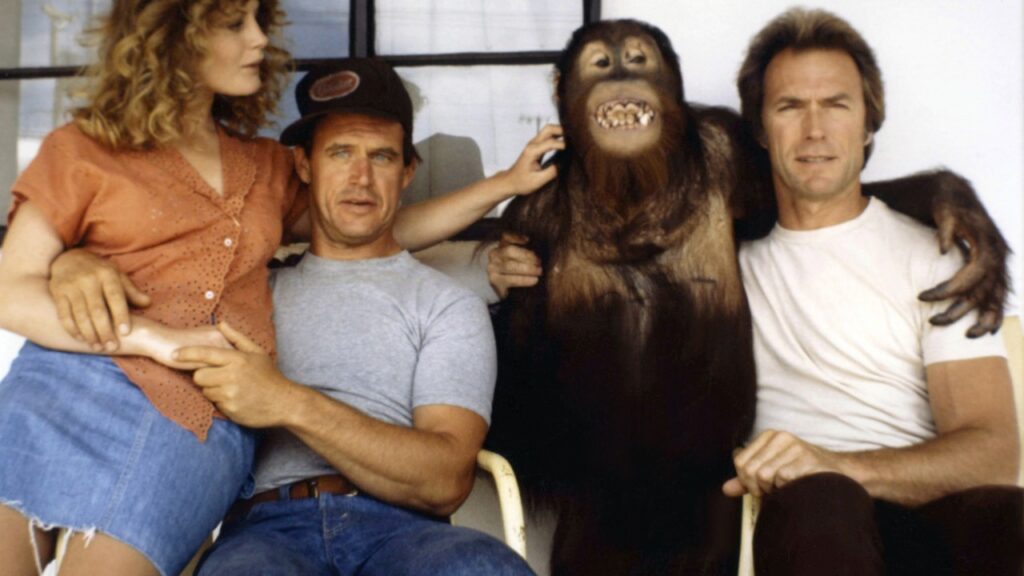
Driven by an urge to diversify his portfolio, Clint Eastwood stepped outside his comfort zone for a project he found “kinda interesting.” Taking a break from his trademark cowboy and detective roles, he embraced “it’s comedic, and yet it’s different” tone. The risk cleared the way for a massive commercial hit, proving that his instincts to evolve as an actor were entirely right.
He later noted, if he “hadn’t felt in a broadening mood, I might have said, ‘Yeah, you’re right, that isn’t me. I’d better do another Harry or a cowboy.’ Which is fun—I like to do that. But you have to broaden out.”
In Case You Missed It: Clint Eastwood Named The Only Actor Who Will Matter In A Hundred Years
In an interview with The Guardian, Eastwood recalled the same instance, saying that many people begged him to walk out and noted that it was surely a “strange choice” to take on the role. Still, he had been keen at the time to “reach out to a younger generation” and make a movie that “the kids could see.”
“This strange guy tells his troubles to an orangutan and loses the girl,” he explained. “Everything about it was a little bit off-center. It seemed like something to do at the time.” Today, the comedy remains one of the most significant milestones of Clint Eastwood’s career.
You Might Also Like To Read: The Clint Eastwood Role John Wayne Admitted Was His “Biggest Mistake” To Turn Down