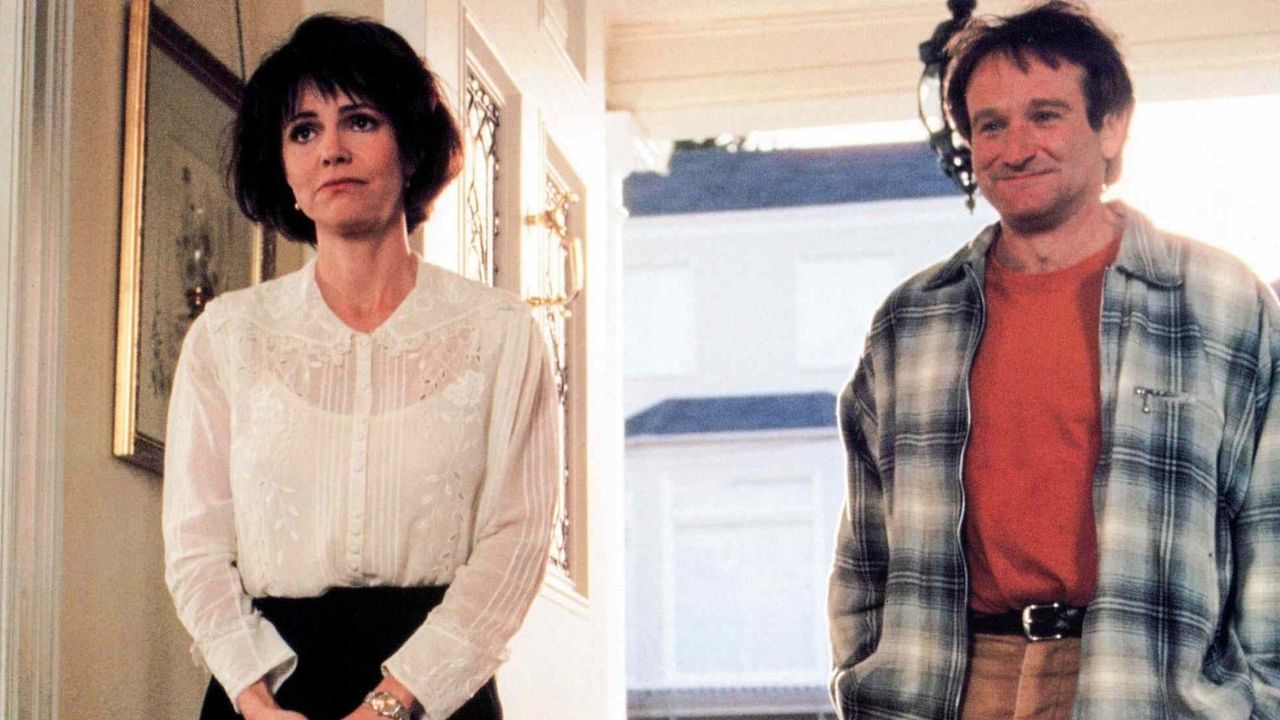
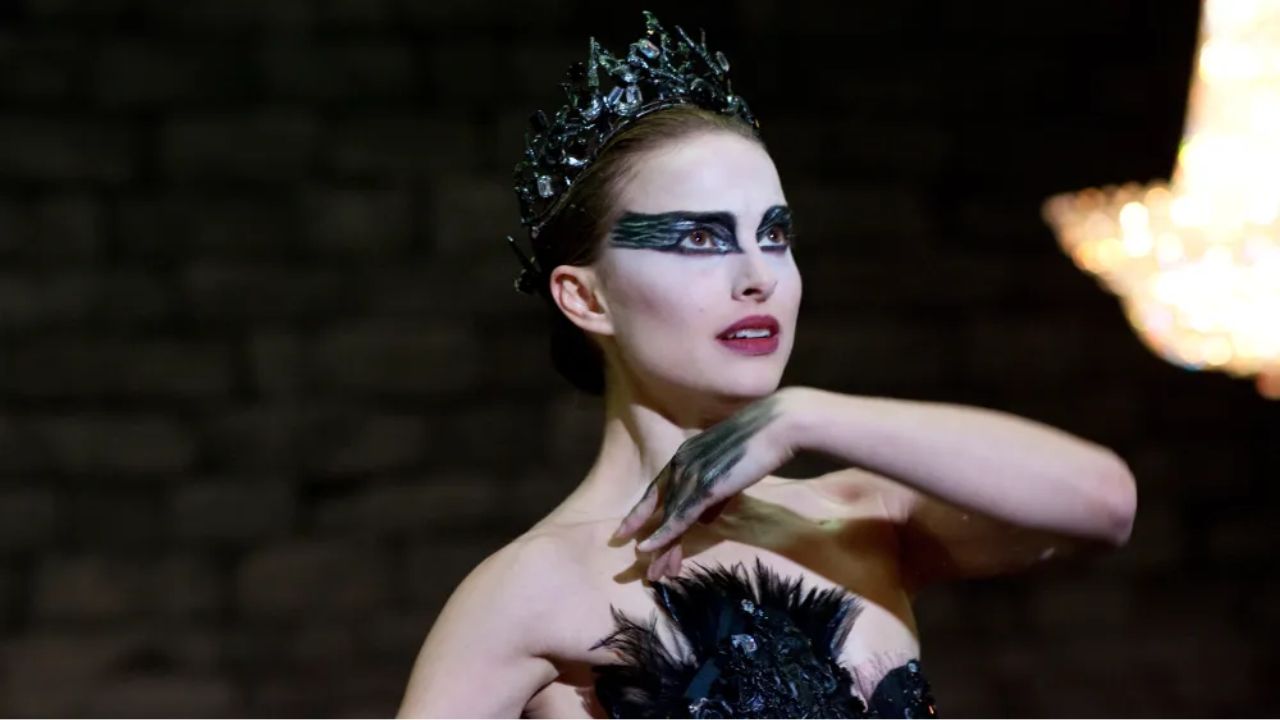
Darren Aronofsky‘s psychological thriller ‘Black Swan’ took the world by storm in 2010, captivating viewers with its claustrophobic atmosphere of artistic obsession. The Academy Award-winning performance of Natalie Portman, who played a mentally deranged ballerina, Nina Sayers, seemed entirely innovative.
However, for devout fans of international animation, the descent into madness was eerily familiar. If you peel away the layer of tulle and the glamorous setting of Lincoln Center, the structure, imagery, and psychological horror of Satoshi Kon’s 1997 anime ‘Perfect Blue‘ become clear.
The Mechanics Of A Psychological Heist
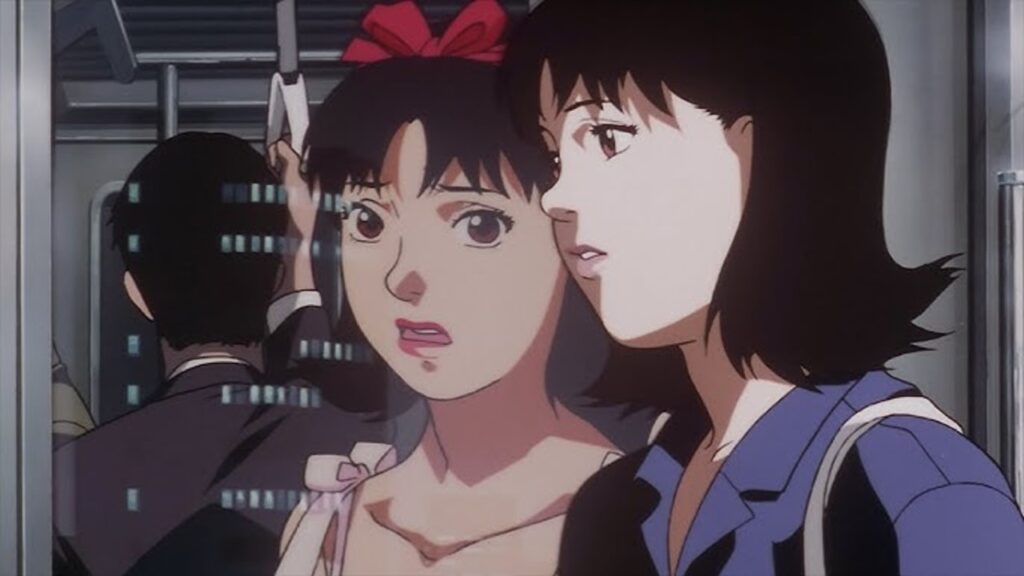
The similarities between the two movies are not accidental. They seem to be a literal copy of one another in terms of the plot. In ‘Perfect Blue,’ a squeaky-clean pop idol named Mima leaves her singing career behind to pursue an acting career. She even fractures her own will to satisfy the demands of executives.
In Aronofsky’s version, Nina finds herself in the same situation, compelled to abandon her innocent “White Swan” persona and reveal her dark, uninhibited side.
Both female protagonists are young women involved in high-pressure entertainment industries, controlled by overprotective mothers, and subjected to immense pressure to perform perfectly.
Related: ‘Black Swan’ Ending Explained: Does Nina Survive?
As their perception of reality fades, they become victims of a terrifying doppelgänger, embodying their most successful, uninhibited selves. You can find this psychological breakdown reflected in similar visual metaphors.
Nina and Mima face themselves in moving windows in the subway, experience frightening hallucinations of talking photographs hanging in their bedrooms, and go through fierce physical battles with their duplicates.
Furthermore, the names of both characters—Mima and Nina—are similar enough to draw attention to their connection.
Interestingly, the ties between the two filmmakers go deeper. A few years ago, Aronofsky acquired the American live-action rights to ‘Perfect Blue’ in order to make a shot-for-shot remake of a famous bathtub scene from his drama ‘Requiem for a Dream.’
As noted by the anime’s producer, Masao Maruyama, Aronofsky even met with Kon before his death in 2010 to discuss the possibility of a full adaptation of the movie. Nevertheless, Aronofsky always claimed he got his inspiration solely from Swan Lake. It is a ballet composed by the Russian composer Pyotr Ilyich Tchaikovsky.
The director always denied any resemblance to Kon’s work, insisting it was just another convention of the genre.
The Erasure Of Animated Genius
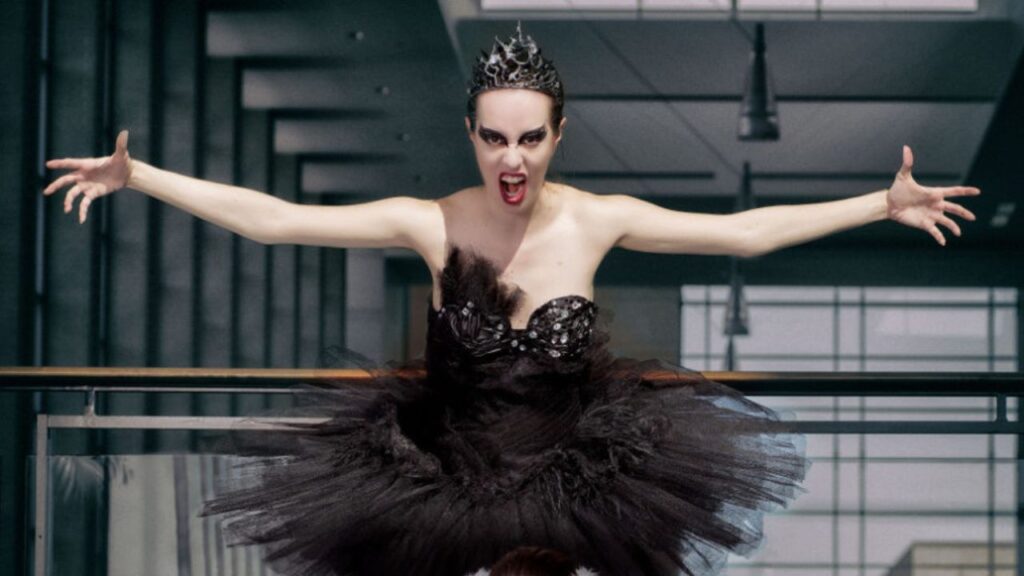
When a live-action movie borrows ideas from an anime film, the question arises: Is it plagiarism or a tribute to the creator’s brilliance? In this case, Aronofsky’s movie greatly benefits from Satoshi Kon’s unique animation techniques.
He used the flexible physics of animation to merge fantasy and reality, something that is hard to do with live-action. As a result, Black Swan gets worldwide recognition, whereas the pioneering Japanese film remains a cult classic.
In case you missed it: Guy Pearce Thinks He Was “No Good” In The Film That Changed Psychological Thrillers Forever
Additionally, both works are remarkable social commentaries that critique the exploitation of women in the entertainment industry. In ‘Perfect Blue,’ Mima is forced to participate in a humiliating scene of simulated abuse in order to prove her maturity.
In the other movie, Nina’s mentor encourages her to explore her sensuality under the influence of her manipulative artistic director, Thomas.
Both stories show how the entertainment industry often forces girls to destroy their personality and build up an illusion of their sensually attractive persona. It makes their mental health suffer in the process.
Ultimately, ‘Black Swan’ is a product of Satoshi Kon’s visionary ideas, presented in a movie almost a decade earlier. Sure, Aronofsky’s psychological horror about ballet dancers can stand on its own and remains a masterpiece.
But it is impossible to ignore its predecessor. Watching both films reveals an important feature of Hollywood’s filmmaking: artistic genius is rarely created from scratch. Sometimes, the best movies are merely live-action adaptations of animated classics.
You might also like to read: Top 10 Psychological Thriller Shows Like ‘Imperfect Women’