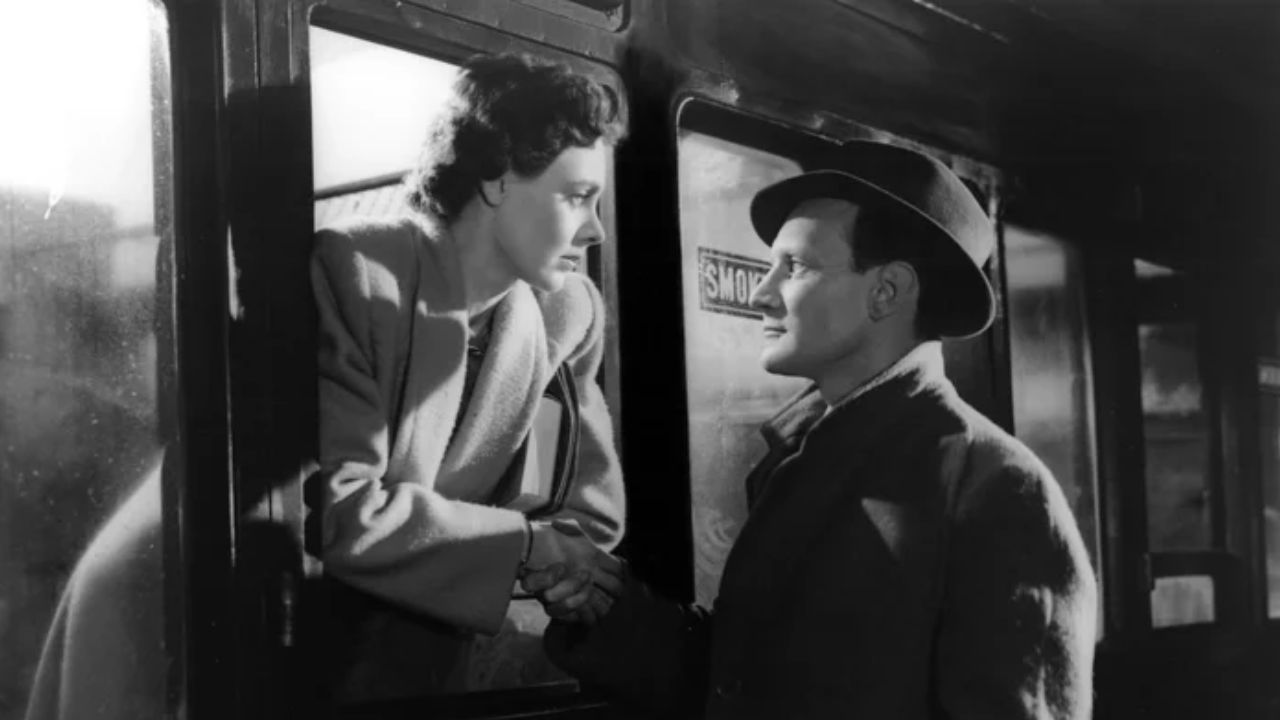
Only after directing the legendary desert landscapes of ‘Lawrence of Arabia’ did director David Lean finally show his talent for creating a similar cinematic scale within the confines of a small railway station. We’re referring to the 1945 film ‘Brief Encounter,’ regarded as the very embodiment of the genre of forbidden romance.
Beneath the veil of music and smoke, the movie is a classic example of psychological thriller cinema. Lean manages to turn the boring stereotypes of the British middle-class lifestyle into an extremely oppressive pressure cooker of pure emotional horror. Here’s how he pulled it off.
Lean Targeted The Everyday Silhouette In Brief Encounter
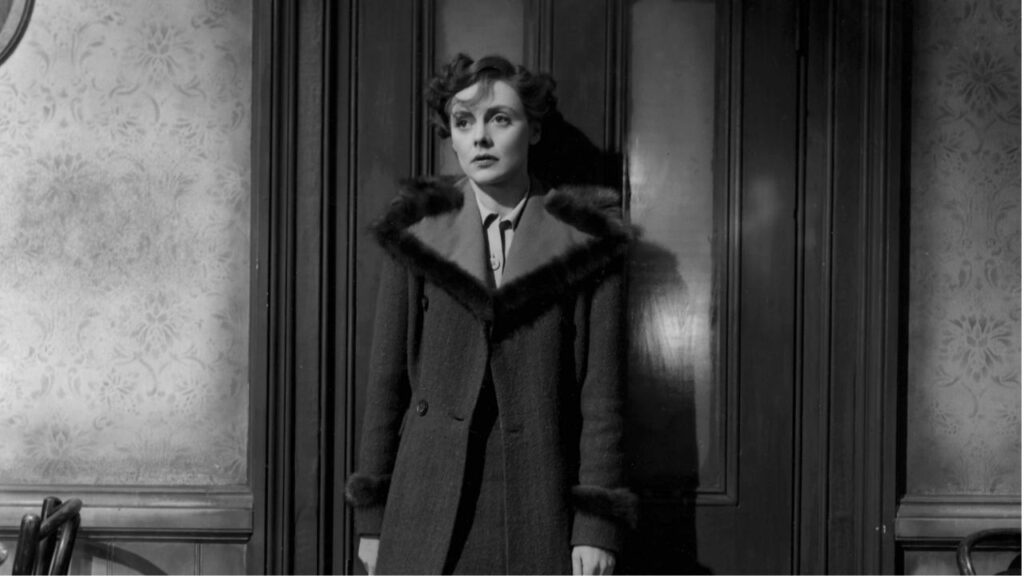
Based on Noël Coward’s one-act play ‘Still Life,’ the film introduces the main character, Laura Jesson (Celia Johnson). She’s a respectable suburban homemaker.
Charming and idealistic Dr. Alec Harvey (Trevor Howard) arrives unexpectedly, breaking her boring routine of shopping and watching movies. Out of politeness, he also helps her remove a small piece of grit.
And that is how the tragic, beautiful, yet innocent romance of seven weeks begins to bloom. Nevertheless, the real villain in ‘Brief Encounter’ is not a malevolent character but the internal pressure of Laura’s moral values, duties, and middle-class responsibilities.
Related: Guy Pearce Thinks He Was “No Good” In The Film That Changed Psychological Thrillers Forever
Along with the psychological tension of the movie, Lean successfully weaponized the visual language of everyday life to heighten the horror. Despite the two meeting briefly and secretly, the constant threat of exposure remained.
The simple greeting of an acquaintance or a chat with a nosy townsman turns into a shocking realization of the violation of all social norms. The scene in which the couple attempts to find privacy in a friend’s apartment fails when he unexpectedly returns home.
Lean shot it in the style of a crime movie, illustrating that a moral transgression carries a lethal social penalty.
Furthermore, the film’s perfect composition greatly contributes to the atmosphere of fear. Together with cinematographer Robert Krasker, Lean created noir-like black-and-white compositions.
They filled the screen with sharp shadows created by the platforms of Carnforth railway station. The very architecture of the station—steep staircases, underground passages, and a huge, threatening clock—turns into a literal prison cell.
The loud whistles, the steam noise, and the rumbling of express trains passing through the station at night not only created a romantic atmosphere but also It also illustrated the frenetic pace of their illicit love, which inevitably led to catastrophe.
Symphony Of Subdued Heartbreak
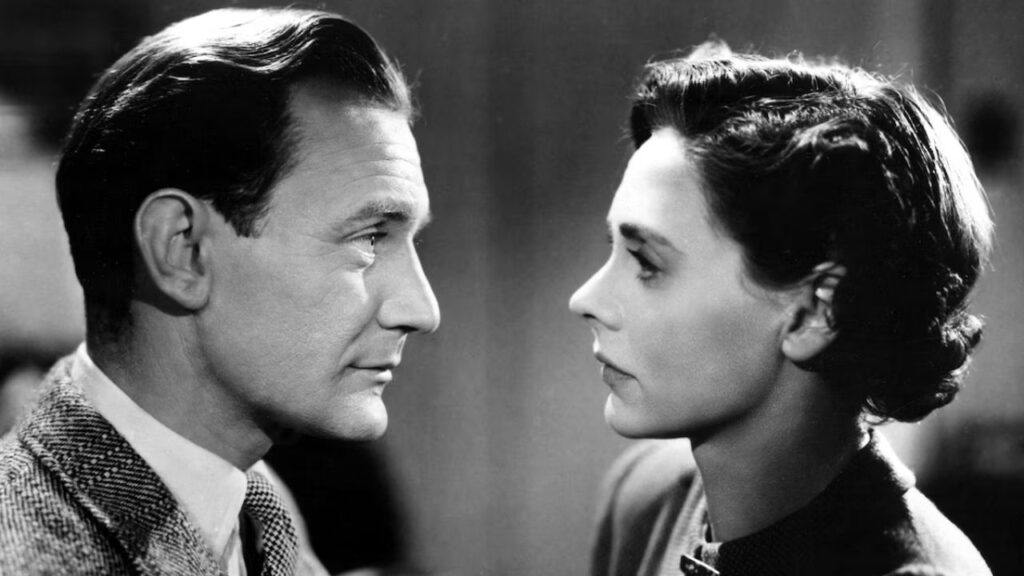
Lean amplified the movie’s dramatic atmosphere through its complex structure of flashbacks. He shot the entire film from Laura’s point of view, as she calmly confesses to her boring husband, Fred.
Laura’s almost robotic vocal delivery creates a strong contrast between her inner state and her calm exterior. The loud music of Sergei Rachmaninoff’s Second Piano Concerto in the background becomes Laura’s voice.
She’s now a person forced to keep silent despite her emotionally devastated inner world.
In case you missed it: Top 10 Psychological Thriller Shows Like ‘Imperfect Women’
The climax of this tense atmosphere is illustrated by iconic scenes at both the beginning and end of the film. The two lovers meet for one last farewell before Alec leaves for Johannesburg.
Just when they were ready to spend their last moments together, they were rudely interrupted by Dolly Messiter. She’s a nosy woman who talks about Laura’s domestic affairs. Having strictly followed their moral norms, Alec leaves Laura forever with only a discreet touch on her shoulder.
The great effort to remain polite while a soul breaks inside produces drama so intense that any Hollywood blockbuster could only dream of it.
Today, critics and fans praise ‘Brief Encounter’ for its immense courage in taking responsibility for happiness. Its iconic finale shows Laura bursting into tears in her forgiving husband’s arms, returning to the safe, boring life she was trying to run away from.
By leaving the romance unconsummated, Lean not only produced a tragedy of love but also built a monument to the weight of ordinary morality. After eight decades, this silent embrace remains a terrifying reminder that the most violent wars we fight happen in our own houses.
You might also like to read: The Terrifying Beauty Of Longing In Andrei Tarkovsky’s Masterpiece ‘Nostalgia’