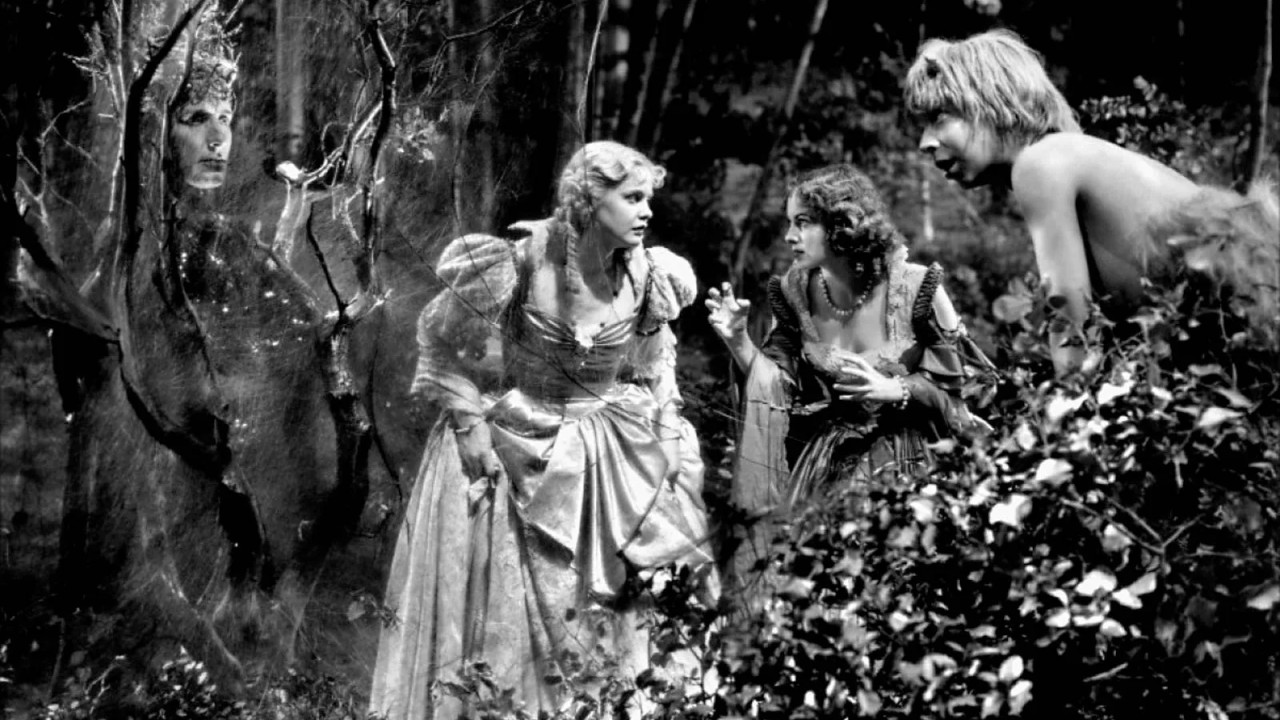
Before Hollywood fell madly in love with realism, avant-garde director Max Reinhardt stepped inside Warner Bros. studios and transformed Shakespeare’s iconic comedy ‘A Midsummer Night’s Dream‘ into a hallucinatory fantasy. Rather than settling for a simple adaptation, Reinhardt opted to employ eerie shadows and mist-covered woods to create an extraordinary fairy world inspired by his favorite art style—German Expressionism.
Yet, bringing that vision to the screen led to an intensely grueling battle on the set. Max Reinhardt’s notorious obsession with perfection and his eccentric theater-inspired directing style drove the cast, including a young Mickey Rooney and tough gangster actor James Cagney, to complete exhaustion. From endless rehearsals to hours spent suspended over the stage, the actors worked tirelessly to deliver a masterpiece born of sheer exhaustion.
Max Reinhardt Gave Hollywood Realism
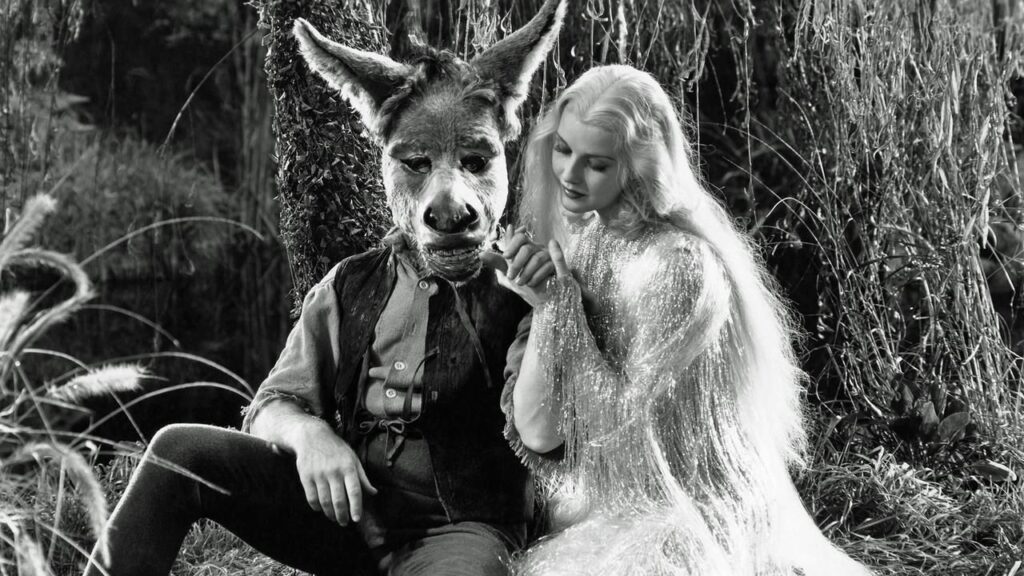
When ‘A Midsummer Night’s Dream‘ began production at the Warner Bros. studio in 1935, Reinhardt approached Shakespeare’s play from a unique perspective that sharply differed from most Hollywood movies of that era.
In general, studio films featured realistic sets and restrained cinematography aimed at entertaining wide audiences. However, Reinhardt saw the story through the prism of European theater.
Following the success of his lavish production of the play in the Hollywood Bowl in 1934, Reinhardt decided to bring a surreal, cinematic vision of Shakespeare’s fantasy world to the big screen.
By creating artificial towering forests covered in mist, applying complex lighting techniques, and using striking visual compositions, Reinhardt turned the fairy world into a mysterious and emotionally charged environment.
With Hal Mohr serving as cinematographer, the film employed layered photography, glittering filters, and moving lights to create an atmosphere of hallucinations rather than a classic fantasy film.
Related: Shakespeare Legend Ian McKellen Roasts ‘Hamnet’ for Its “Improbable” Plot
By breaking all Hollywood conventions of the time, Max Reinhardt managed to create one of the most radical productions of 1930s American cinema.
While directors preferred to use glamorous lighting to make their stars look perfect, Reinhardt tended to bury actors in shadows, hazes, and sparkling light beams. The effect produced by the film was mesmerizing yet quite eerie.
Years later, critics would describe the movie as one of the most experimental American films of the 1930s that successfully combined silent-era expressionism and Shakespearean fantasy.
The Success Of Came With Exhausting Consequences
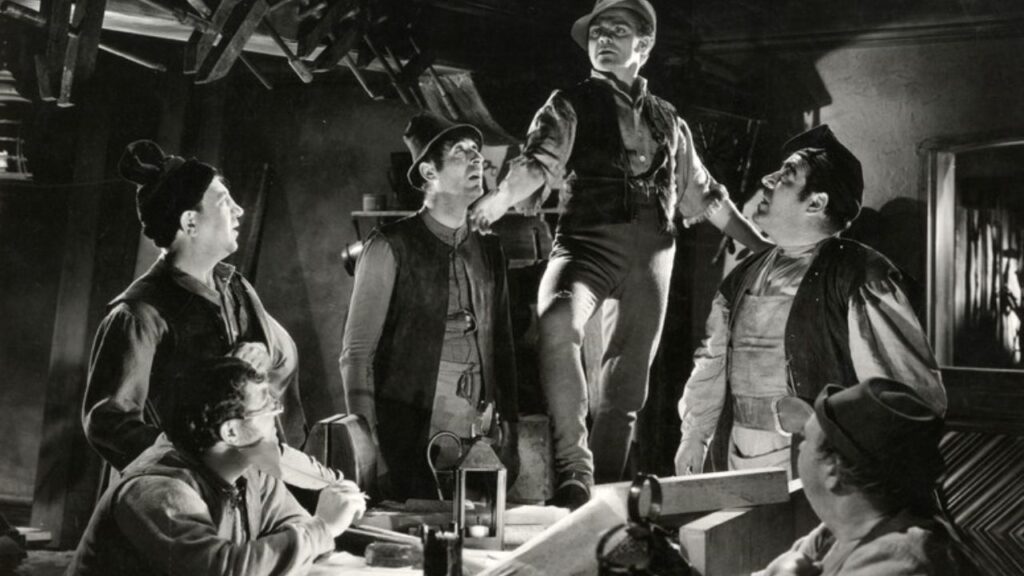
The production process proved just as complicated and difficult as the fantasy world presented in the film. Known for his legendary perfectionism, Reinhardt put his actors through hell by asking for endless rehearsals and emotional acting.
Those actors who preferred natural dialogue found it challenging to perform Shakespeare’s lines and follow Reinhardt’s directing methods.
For the role of Bottom, Reinhardt chose gangster actor James Cagney. Young Mickey Rooney was cast as the mischievous Puck. According to Reinhardt, Rooney had to work particularly hard as the director encouraged him to exaggerate his facial expressions and move nonstop in order to turn the character almost supernatural. Rooney’s energetic and wild performance became one of the most distinctive aspects of the movie.
In case you missed it: Why Is Roland Emmerich’s 2011 Shakespeare Biopic ‘Anonymous’ Controversial?
Filming of the physically demanding fairy sequences proved to be another problem. As part of his extravagant production techniques, Reinhardt made actors hang in painful wire rigs under burning studio lights and perform complex flying choreography.
Moreover, the director did not want to make any compromises, as he thought it was necessary to transport viewers completely to the fairy world. Together with the constant use of Felix Mendelssohn’s dramatic musical score, the film slowly evolved into something completely bizarre and otherworldly.
Despite controversial responses in the beginning, ‘A Midsummer Night’s Dream‘ went on to receive recognition as one of the most daring Shakespeare adaptations in cinema history.
Have you watched Reinhardt’s ‘A Midsummer Night’s Dream’? Let us know in the comments section below.
You might also like to read: Ian McKellen Based His Gandalf Performance On J.R.R. Tolkien In ‘The Lord Of The Rings’