Jim Carrey has always surprised audiences, not just with his performances, but with the way he thinks about cinema.
While most people associate him with comedy, the film he calls his all-time favorite says something very different about him.
Jim Carrey’s Favorite Satire Feels Like a Warning That Came True
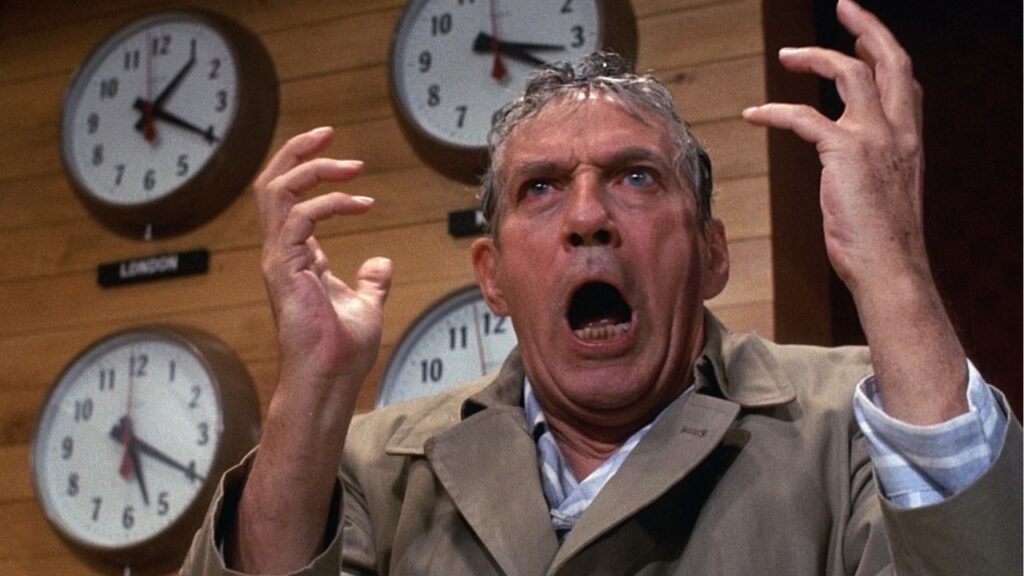
Jim Carrey has often called 1976’s ‘Network‘ his favorite film, describing it as “a prophecy of what happened in the last fifty years.” Yes, that’s a strong statement, but when you dive deeper, it doesn’t feel hypothetical at all.
Related: 10 Hilariously Savage Satirical TV Shows
According to Carrey, the film’s brilliance lies in its writing and characters. He admired how “every actor… has an arc that you want to follow” and how the themes felt “so incredibly deep,” leaving an impact long after the film ends. It was something that made Carrey think about the world we live in.
One scene, in particular, left a lingering mark on him. The actor recalled a moment when a character speaks bluntly about mortality, calling it “a real thing with definable features.” As Carrey put it, this truly connects with people. He even admitted that hearing lines like that made him wish he could deliver something equally powerful someday.
Despite that setback, Carrey delivered one of his most important performances in ‘The Truman Show,’ a film that strongly matches the vibes of ‘Network.’ Both stories revolve around media exploitation: how human lives can be turned into products when profit is involved.
The Story of ‘Network’ Mirrors Today’s Media Reality
The story of ‘Network‘ begins with news anchor Howard Beale being told he’s losing his job due to poor ratings. In response, he announces on live television that he plans to take his own life during his next broadcast. The network panics at first, but everything changes when Beale returns on air and instead launches into an emotional rant.
In case you missed it: The Real Reason Why Jim Carrey Turned To CIA Stress Training For ‘The Grinch’
Audiences are hooked, ratings skyrocket, and suddenly, Beale’s breakdown becomes valuable. The network decides to capitalize on it, giving him his own show and turning his emotional outbursts into a spectacle.
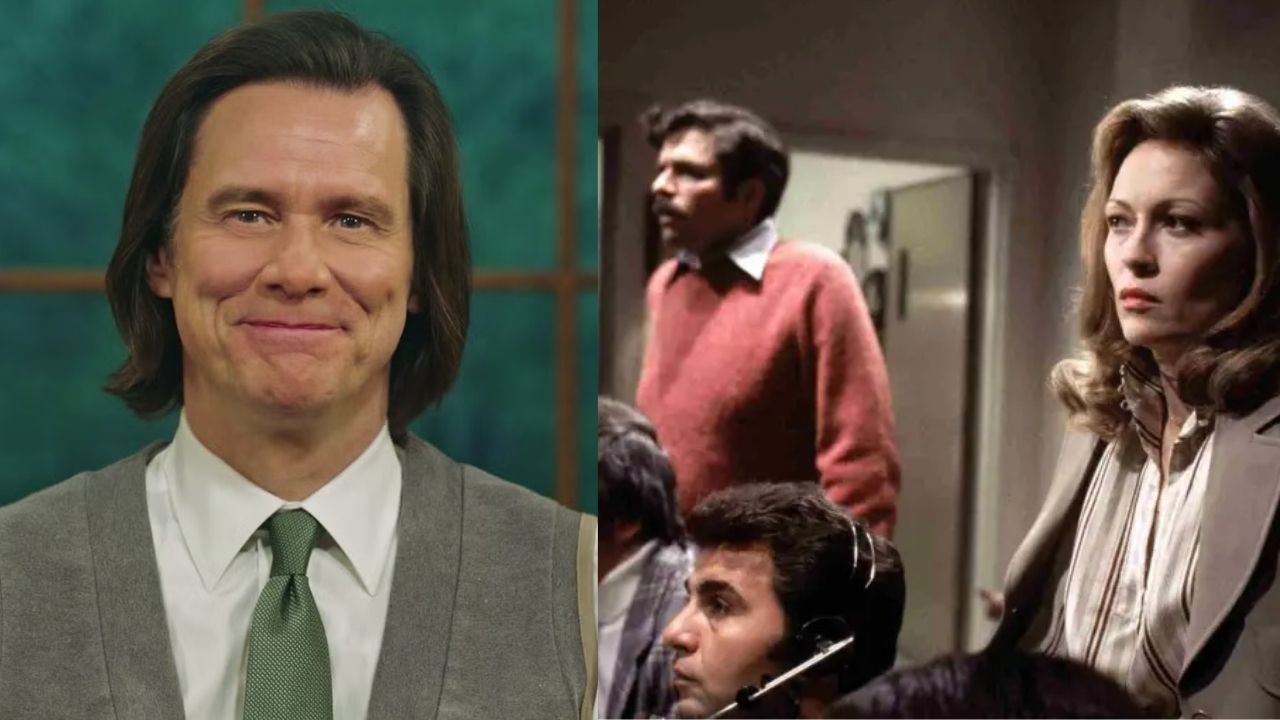
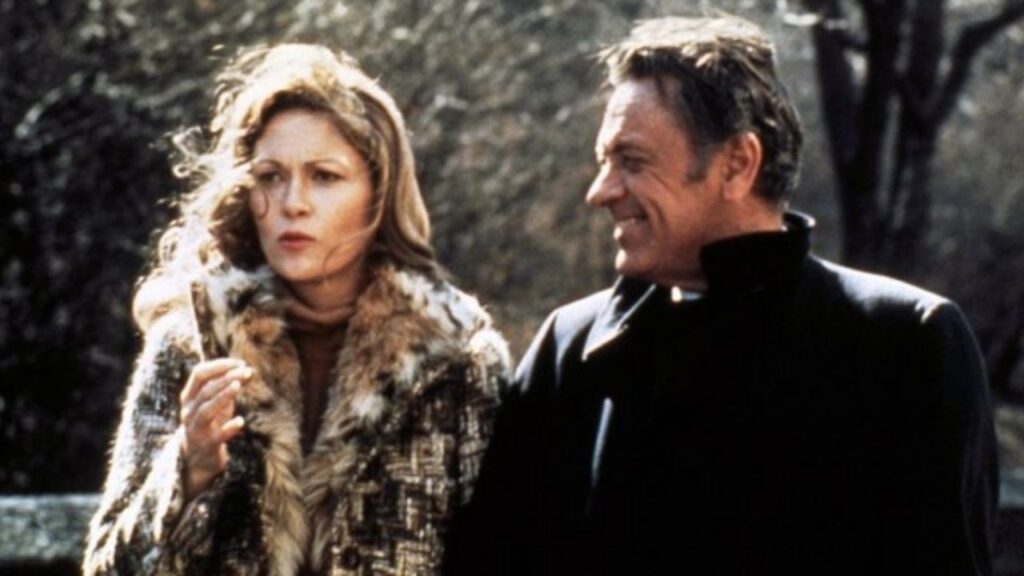
Programming executive Diana Christensen plays a key role in this. Her hunger for success pushes the network further into exploitation, and even Max Schumacher, who initially wants to handle things ethically, gets pulled into her world. He begins an affair with Diana and ultimately walks away from his marriage, showing how deeply the system corrupts everyone involved.
Beale, meanwhile, becomes the face of this new approach. His personal crisis is no longer something to fix. Now, it’s something to sell. And that transformation sits at the heart of the film’s message.
Back in time, its portrayal of media felt like satire. Today, it feels like reality. The idea that networks prioritize ratings over ethics is no longer shocking. And audiences, knowingly or not, continue to engage with it.
The film also highlights how easily media figures can become controlled by the system. Beale’s journey from respected anchor to manipulated personality reflects something we see often today. Strong opinions, emotional moments, and dramatic narratives dominate attention, and the line between authenticity and performance keeps fading.
Carrey’s own journey and his attempt to move beyond comedy weren’t just about career growth; it was about telling better, more meaningful stories. While films like ‘Eternal Sunshine of the Spotless Mind‘ and ‘The Majestic‘ showed his range, the industry never fully supported that transition.
Today, he seems more comfortable staying in comedy, especially with projects like the ‘Sonic the Hedgehog‘ franchise. Still, there’s a lingering curiosity about what he could do if given another strong, dramatic role. In many ways, Carrey could easily step into a modern version of ‘Network‘. But perhaps that’s not necessary.
You might also like to read: Does Jim Carrey Have A Child With Jenny McCarthy?