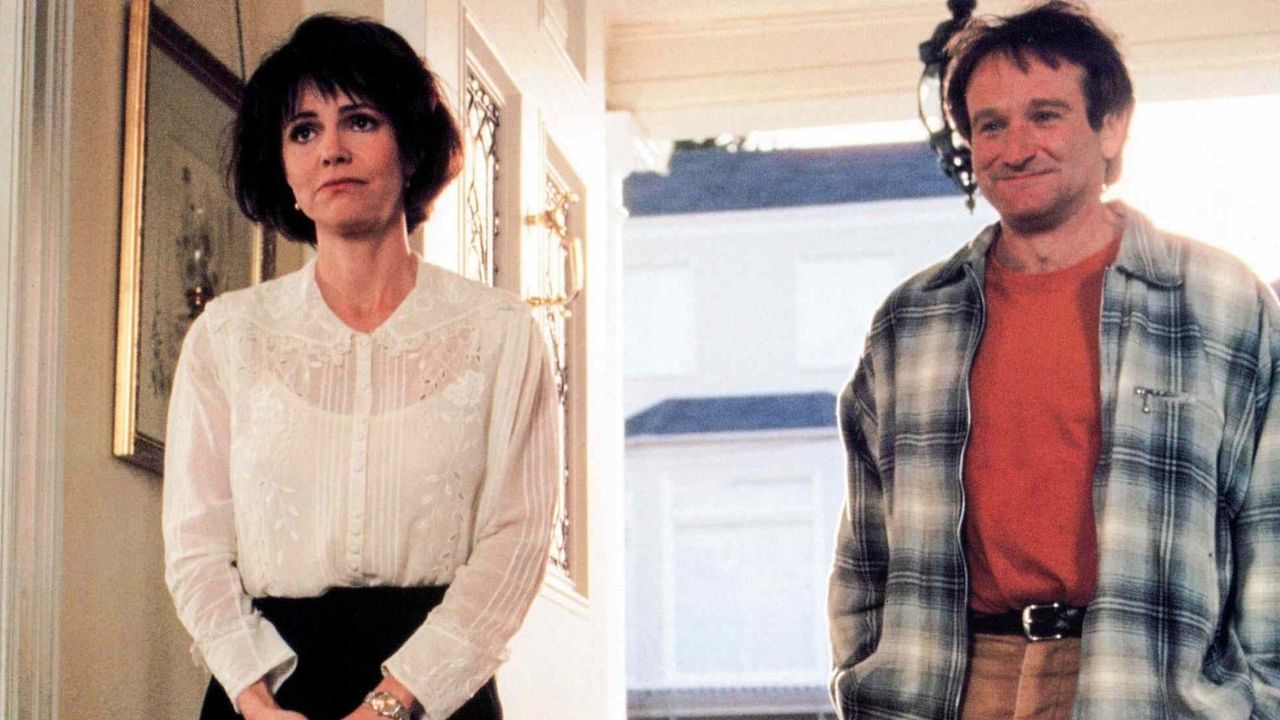
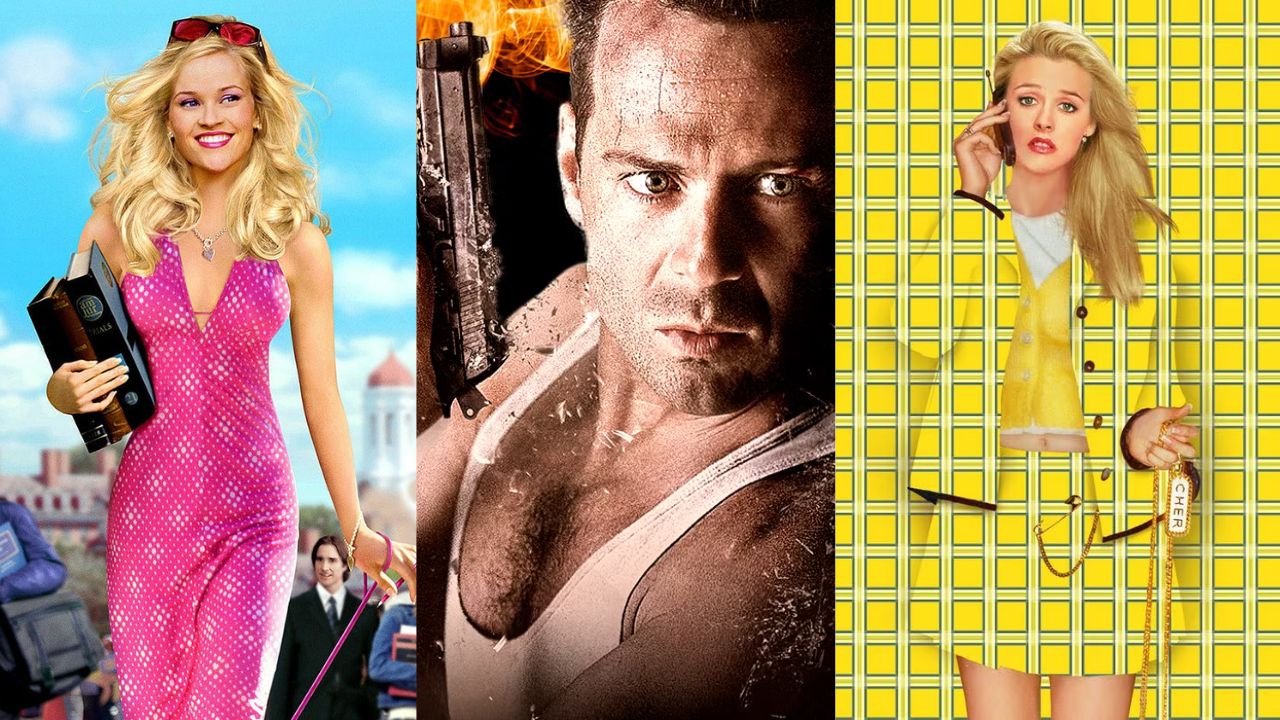
Books will always remain a great source of material for movies. It is exciting to see our imagined literary world adapted and presented right before our eyes.
Over the years, we have received countless literary adaptations, but some might have quietly escaped your notice. Here are 15 movies you never realized were actually book adaptations. Some of them are truly so surprising that it is hard to believe they hid in plain sight for so long.
15. Clueless (1995)
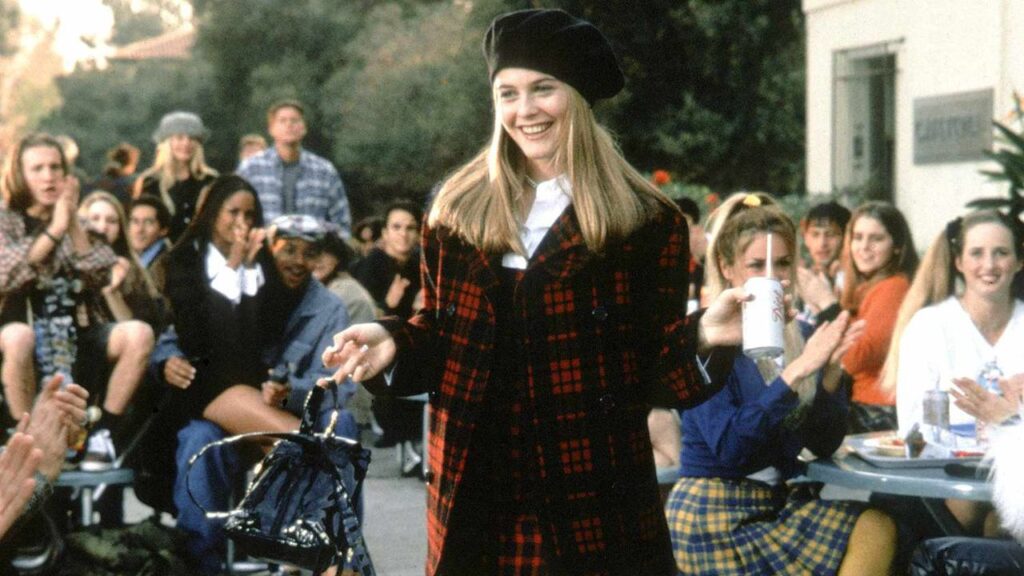
Can you imagine the cult-classic 90s rom-com with valley slang and trendy outfits being based on a novel published in the 1800s? ‘Clueless’ is a loose adaptation of Jane Austen’s classic novel ‘Emma’.
The film doesn’t follow the plot meticulously, but it captures the novel’s spirit exceptionally by reimagining Emma as Cher, a modern teenager meddling in people’s lives with the best of intentions.
Related: Top 10 Best YA Book-to-Screen Adaptations of All Time
14. Mrs. Doubtfire (1993)
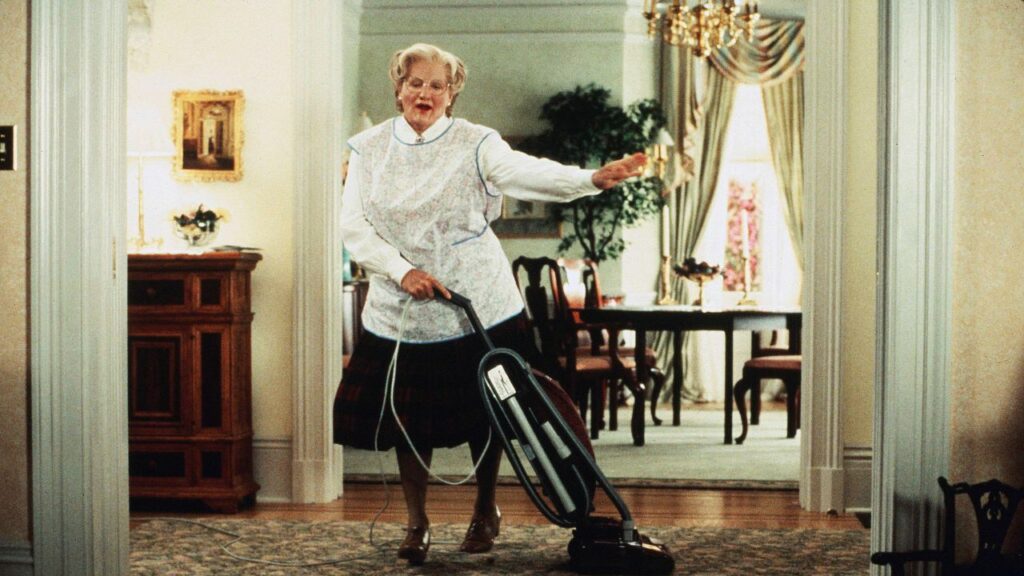
In 1987, Anne Fine wrote the book ‘Madame Doubtfire’ for a teenage and young adult audience. She likely never imagined that it would inspire an Academy Award-winning film that would go on to become beloved for all ages.
Robin Williams’ portrayal of the cross-dressing nanny became unforgettable, and the movie went on to become the second-highest-grossing film of the year behind ‘Jurassic Park’—another classic literary adaptation.
13. Jaws (1975)
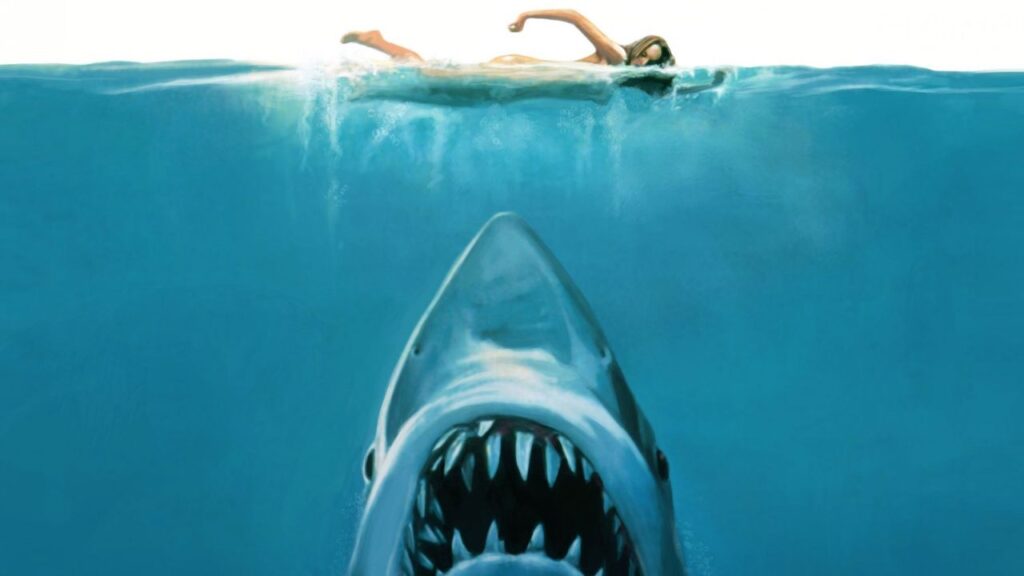
Steven Spielberg is a master of literary adaptation, but it still comes as a surprise that this summer blockbuster was actually based on a novel. Just a few years before, Peter Benchley wrote the novel of the same name ‘Jaws’ out of his interest in shark attacks.
The book became a best-seller instantly and caught the eyes of Spielberg, leading to the cinematic landmark we see today. But the movie omits all of the novel’s subplots and focuses primarily on the shark and the three protagonists.
12. Fight Club (1999)
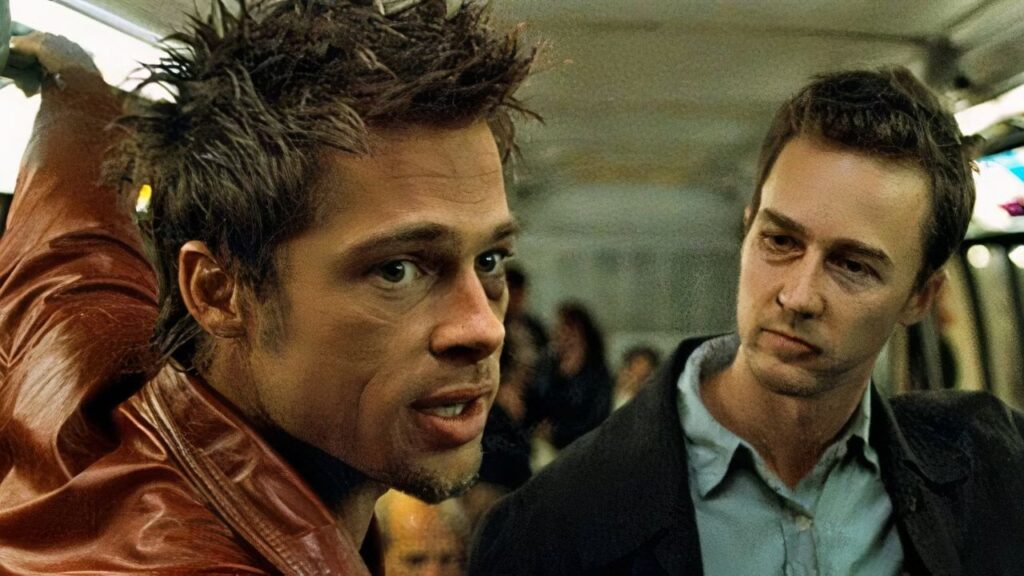
It took us some time to recognize the satirical depths of ‘Fight Club’. So, it comes as no surprise that the reason behind this is an author who wanted to explore the theme of mental illness while also critiquing rampant consumerism.
This was the genius of author Chuck Palahniuk, who wrote the novel ‘Fight Club’ in 1996. Though the main essence of the book remains the same, the film is also often called out for making some major narrative changes to the novel.
11. Arrival (2016)
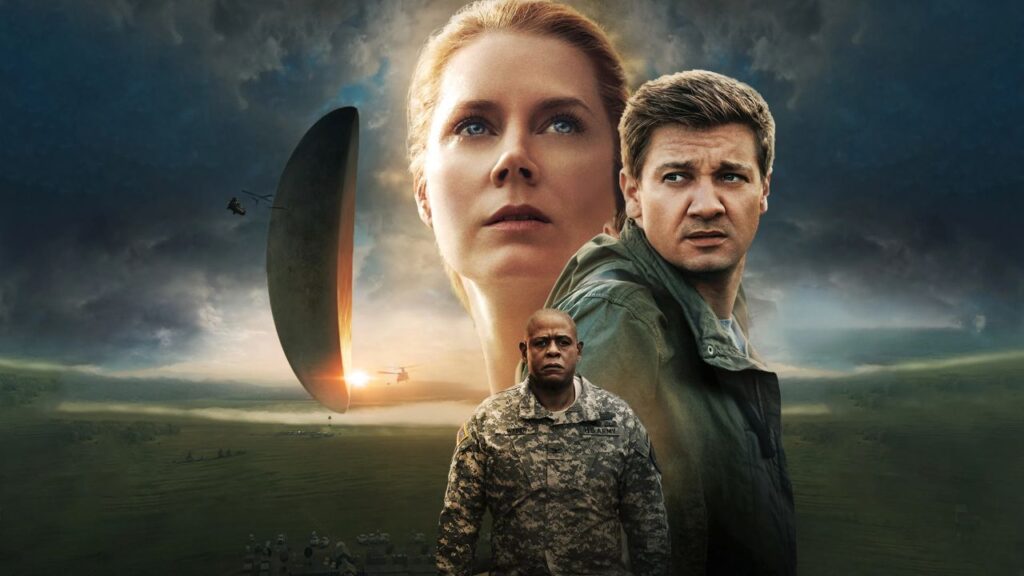
Ted Chiang’s 1998 novella ‘Story of Your Life’ is a masterclass on linguistics and the relationship between language and our perception of the world. But it was the movie creators who added the global and military stakes to build pressure that made it blockbuster-worthy.
From the Heptapod writing to the translation process used by Dr. Louise Banks in the movie, all are taken from this novella. It is actually a hidden treasure for readers interested in linguistics and philosophy.
10. The Birds (1963)
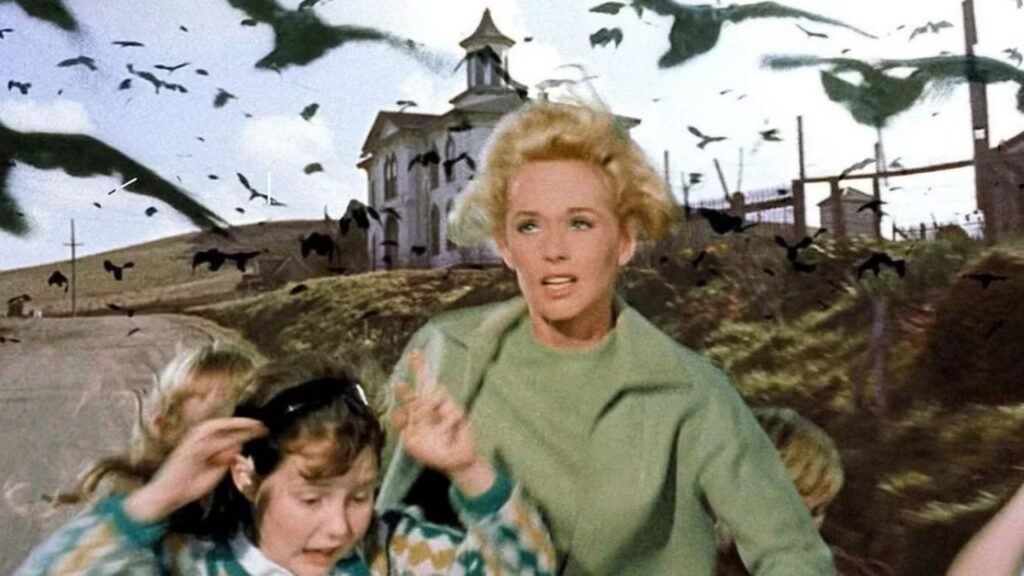
This unsettling yet classic Hitchcock film actually finds its roots back to the 1952 short story collection called ‘The Apple Tree’ by Daphne du Maurier. The original story was set in rural England, and the mood was much more gothic.
The movie takes the concept and turns it into a cinematic masterpiece. In fact, it was Alfred Hitchcock’s adaptation and its popularity that actually led to the collections being reprinted as ‘The Birds and Other Stories’.
9. Legally Blonde (2001)
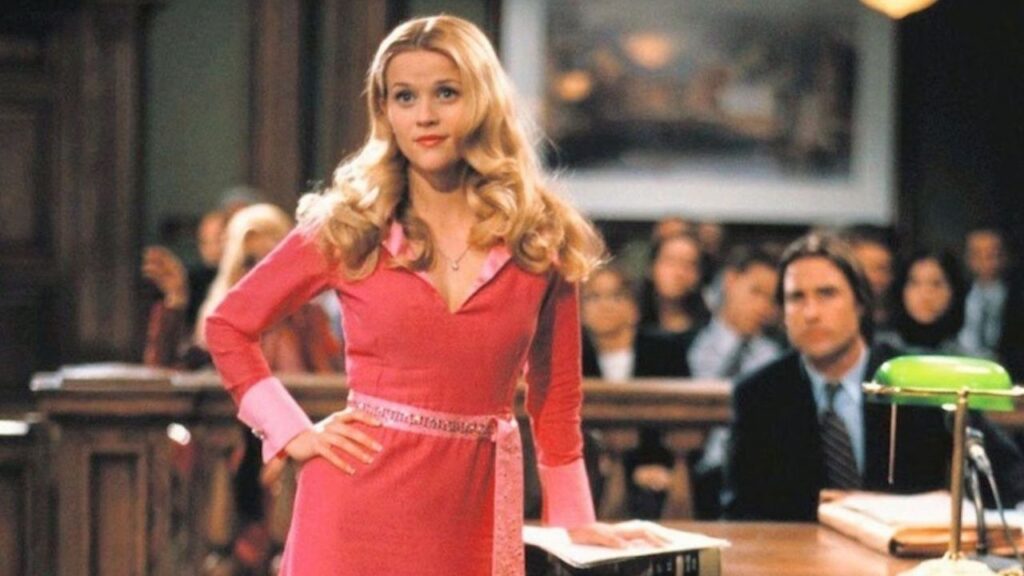
Amanda Brown actually wrote the novel ‘Legally Blonde’ based on her experience at Stanford Law School. So, in the book version, Elle actually heads to Stanford instead of Harvard.
Despite such small changes, the heart, humor, and confidence of Elle stay the same. And Amandra Brown’s novel became the basis for the Elle Woods media franchise, ranging from spin-offs to musicals and more.
8. There Will Be Blood (2007)
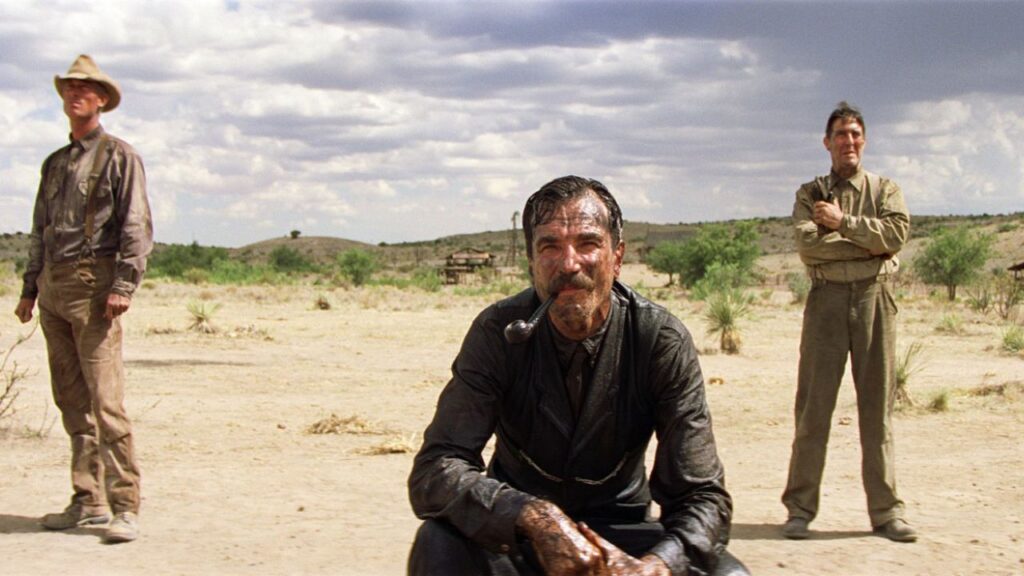
This 2007 epic period piece is loosely based on the 1927 novel ‘Oil!’ By Upton Sinclair. Keeping in mind the wide range of blockbuster audiences, Paul Thomas Anderson took some liberties to change the names and certain plotlines of the movie.
But the film draws straight from the opening sections of the novel and its theme of ambition and power. The book still stands as an exceptional social and political satire.
In Case You Missed It: 15 Best Sci-fi Book Adaptations of All Time
7. Mean Girls (2004)
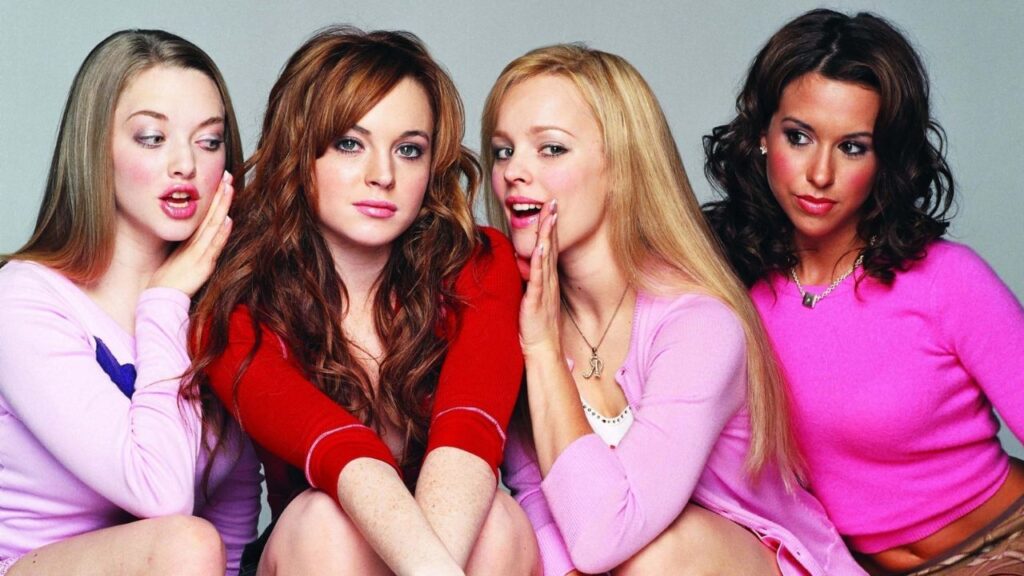
It is hard to believe that this beloved teen comedy is actually based on a self-help book. Tina Fey found the inspiration in the book she read called ‘Queen Bees and Wannabes’ by Rosalind Wiseman. Fey wrote the screenplay based on the ideas she got from the book as well as her own high school experience.
The self-help book is written for parents of teenage girls and analyzes the clique culture of high school and patterns of aggressive behavior in teens. Tina Fey caught notice and got in touch with ‘SNL’ producer Lorne Michaels, which started the journey to make ‘Mean Girls’.
6. Edge of Tomorrow (2014)
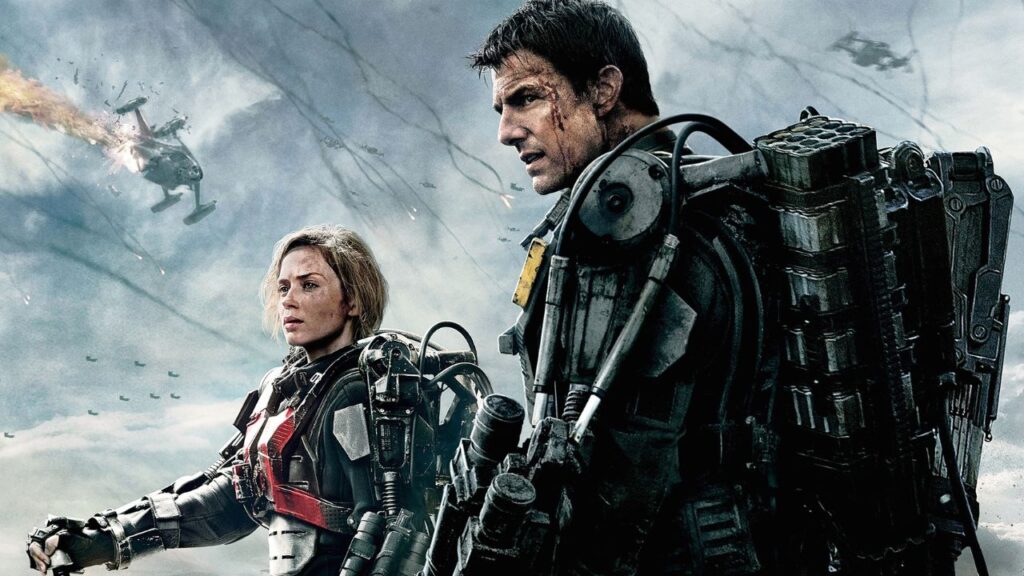
This Tom Cruise and Emily Blunt classic is actually based on the Japanese light novel ‘All You Need Is Kill’ by Hiroshi Sakurazaka. Cruise’s character, Major William Cage, is inspired by the protagonist Keiji Kiriya, who finds himself trapped in a time loop after dying in battle with extraterrestrials.
Fans of the movie will be pleasantly surprised because Sakurazaka’s breakthrough science fiction novel actually has a media franchise of its own, including a manga adaptation that extends the story.
5. Planet of the Apes (1968)
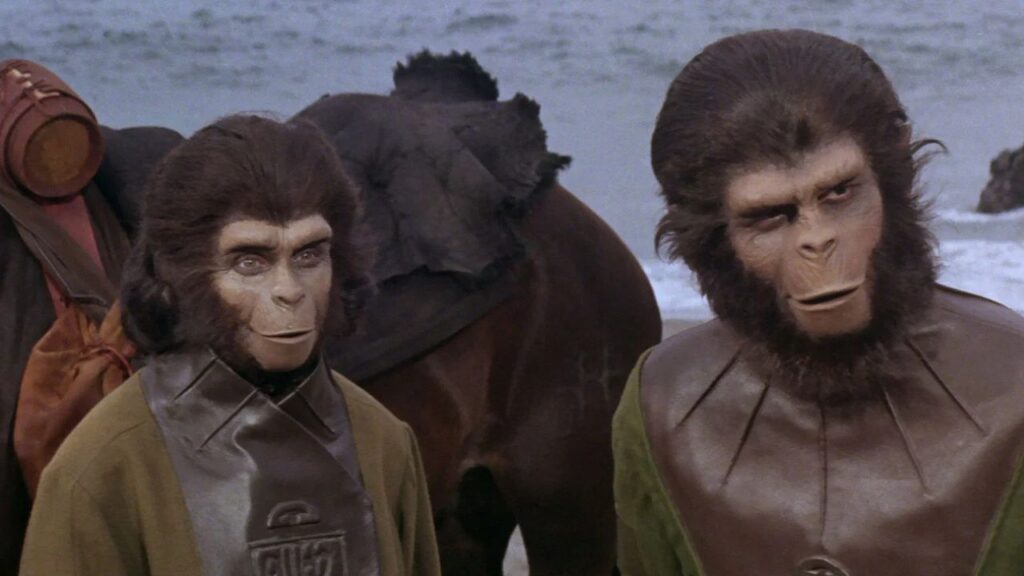
The foundation for this legendary franchise was actually founded by French author Pierre Boulle in 1963. His novel ‘La Planète des singes’ follows humans on their journey to a world where great apes are the dominant species, and humans are reduced to savages.
The movie brings this setting to a future time on Earth, instead of a distant world. But the focus remains on exploring how apes gain mastery over humans.
4. The Prestige (2006)
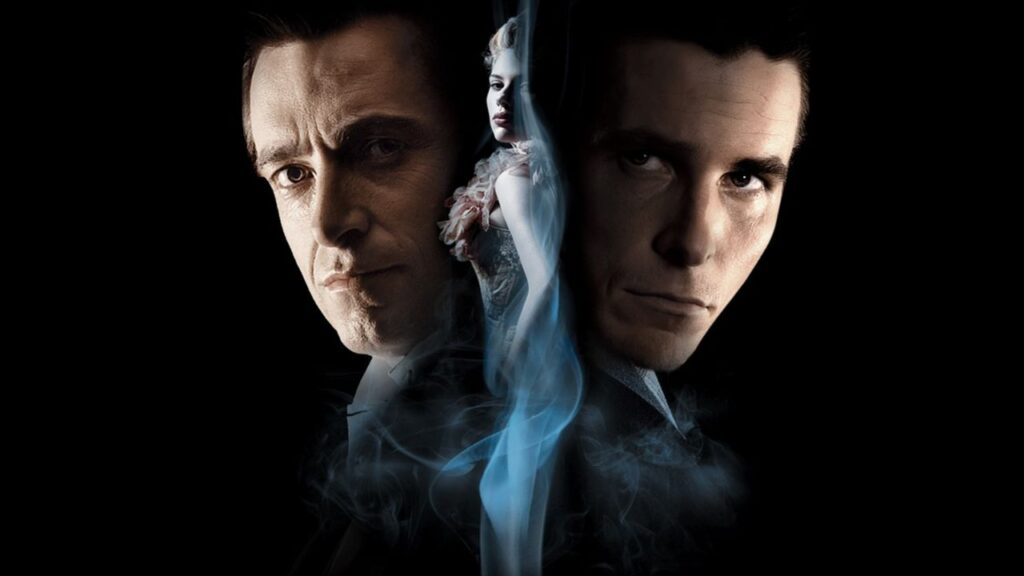
Christopher Nolan’s sci-fi psychological thriller ‘The Prestige’, about two rival magicians in the 1800s, is based on Christopher Priest’s 1995 novel of the same name. The book is written in an epistolary style, told through diaries and nested accounts.
This structure makes it the ideal source material for Christopher Nolan, who is known for making movies that defy the passage of time.
3. Forrest Gump (1994)
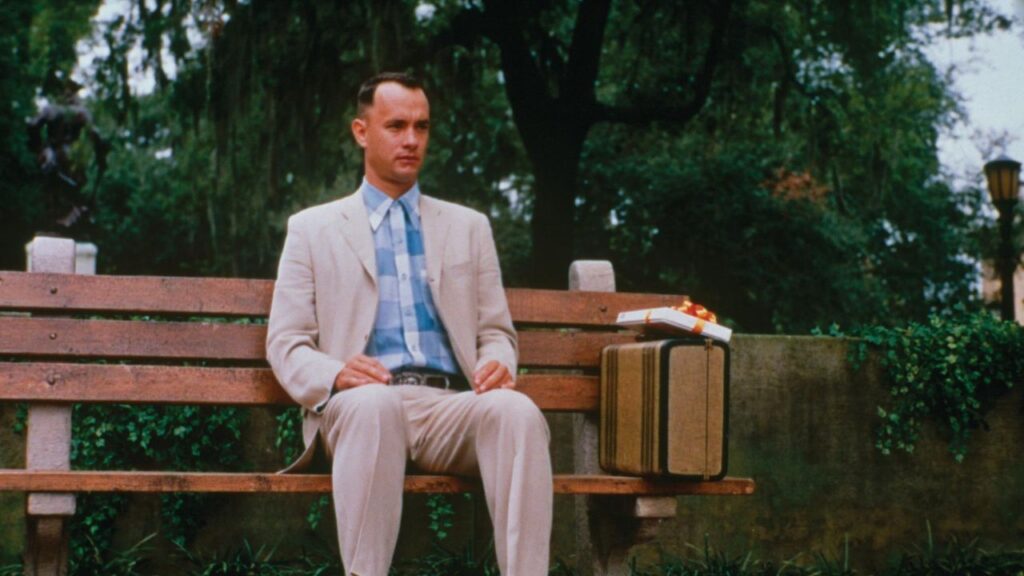
This Academy Award-winning movie found its backbone in a 1986 novel of the same name, which sold only about 30,000 copies. It was after the film’s release that the book also saw immense popularity.
The movie glossed over some of the events from Gump’s life that were in the book. Moreover, author Winston Groom actually preferred John Goodman in the iconic role of Gump. But now we know that this beloved movie wouldn’t be the same without Tom Hanks’ performance.
2. First Blood (1982)
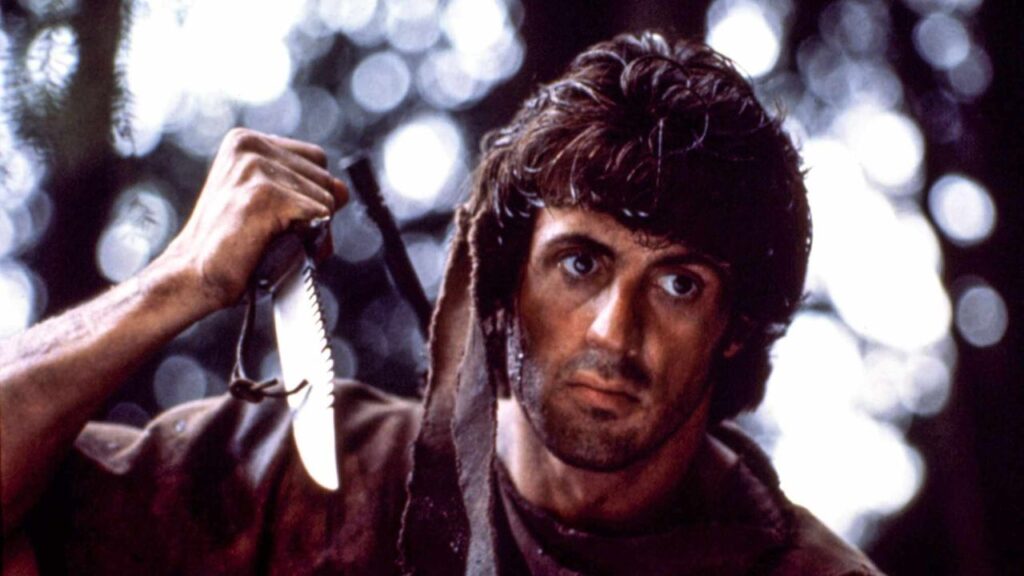
Also known as ‘Rambo: First Blood’, this movie saw Sylvester Stallone in the iconic role of Vietnam War veteran John Rambo. But Rambo was actually introduced to the literary world a decade ago by David Morrell in his novel ‘First Blood’.
You’ll be surprised to know that this is the same person who also wrote ‘Captain America: The Chosen’ coming series. Who else could have created two iconic war veteran characters? Plus, the novel is significantly different from the movie, making it a must-read for fans.
1. Die Hard (1988)
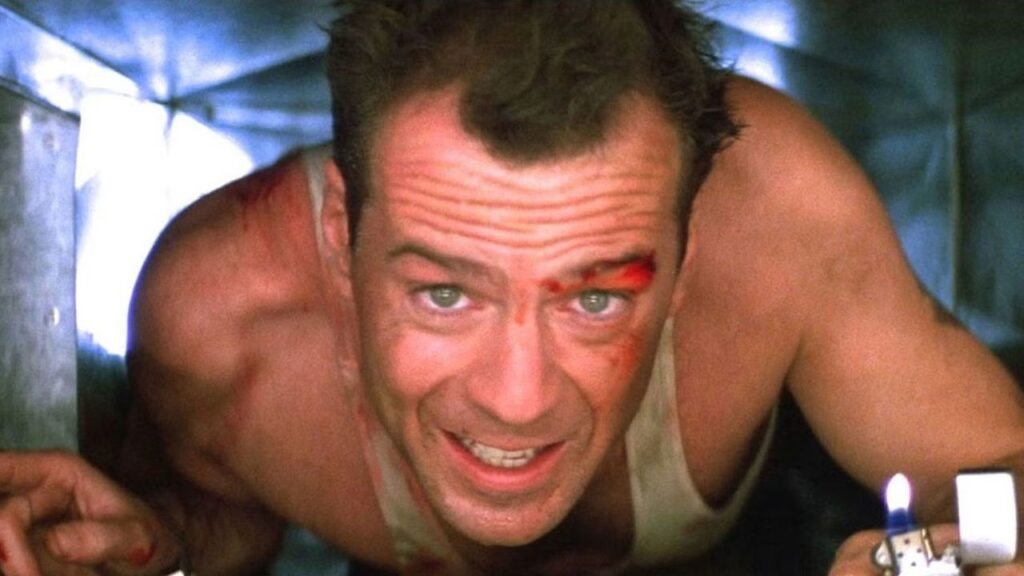
Bruce Willis’s timeless character John McClane was originally introduced as Detective Joe Leland in Roderick Thorp’s novel ‘The Detective’. But it was the sequel to this book, called ‘Nothing Lasts Forever’, that was actually the source material for the box office hit movie.
‘Nothing Lasts Forever’ actually introduced the iconic skyscraper setting and the terrorist takeover plotline. Though it was Bruce Willis’s performance that transformed the protagonist into the beloved action hero we know today.
You Might Also Like To Read: 10 Movie Adaptations That Are Better Than the Books