

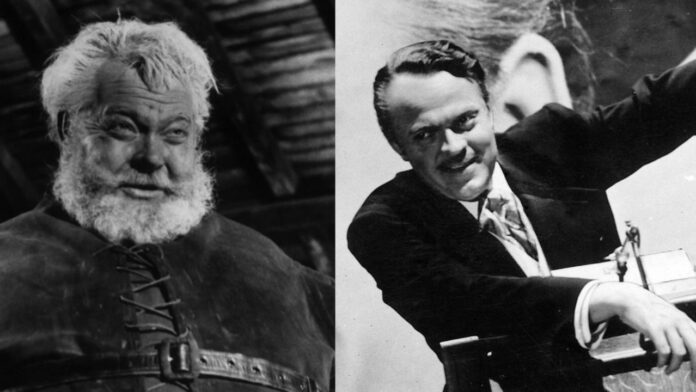
Even after more than four decades since his passing, Orson Welles remains one of the most influential and celebrated names in cinematic history. His bold and unconventional filmmaking style, along with deep, non-linear storytelling and larger-than-life performances, continues to serve as a major source of inspiration for directors and actors.
Despite facing constant struggles with studios and production cuts, Welles always held on to his artistic vision, blending innovation with emotional depth and drama inspired by Shakespeare. Here are five films that prove his genius to this day.
5. The Lady from Shanghai (1947)
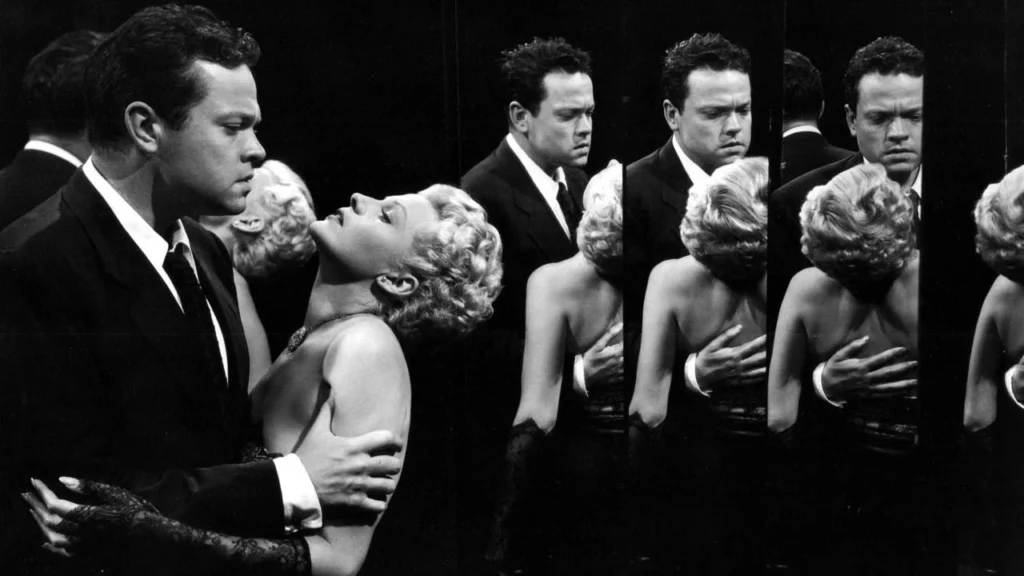
‘The Lady from Shanghai‘ is a dazzling and complex noir from Orson Welles, who stars along with his then-wife Rita Hayworth (famously dyed blonde for her role). The story follows a sailor who gets pulled into a dangerous murder plot involving a rich lawyer and his mysterious, glamorous wife.
The film builds toward its famous hall-of-mirrors finale, set inside a funhouse, which remains one of the most iconic scenes in film history. Welles fills the movie with his signature bold visual style, using unusual camera angles and a strong sense of moral uncertainty.
Although the studio (Columbia Pictures) made heavy cuts when it was first released, later restored versions show the film’s true strength.
Related: Why The Opening Scene Of ‘Citizen Kane’ Left Audiences Shouting
4. Chimes at Midnight (1965)
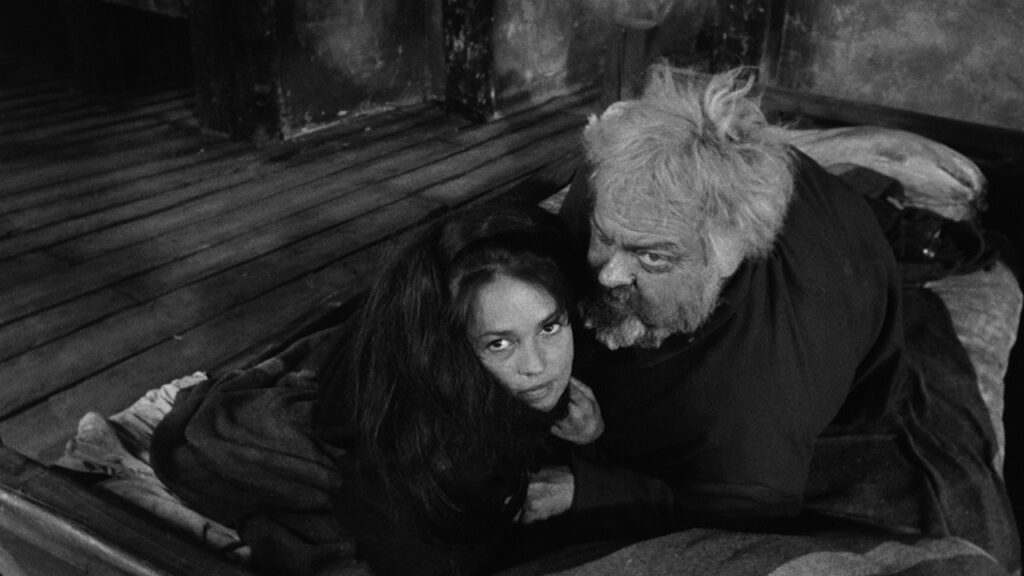
Often considered Welles’ most personal work, ‘Chimes at Midnight‘ is a Shakespeare adaptation that brings together parts of Henry IV Part 1 and Henry IV Part 2. The film focuses on larger-than-life Sir John Falstaff, played by Welles himself.
In case you missed it: How Hollywood Icon Marlene Dietrich Once Planned To Seduce And Kill Hitler
The period-comedy drama explores the warm and messy relationship between Falstaff and Prince Hal, set against the harsh reality of power and responsibility. As Hal moves closer towards becoming king, that bond begins to break, giving the story a deep emotional pull.
Even though made on a very small budget, the film reflects Welles’ deep love for Shakespeare.
3. Touch of Evil (1958)
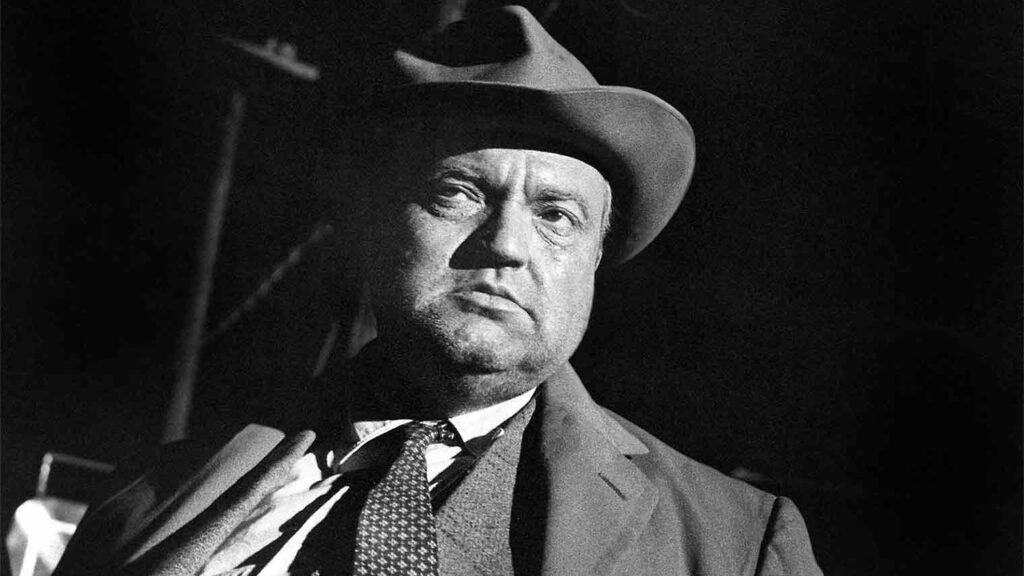
‘Touch of Evil‘ opens with one of the most famous shots in cinema. A long, unbroken crane movement glides across a border town while a hidden bomb counts down, building tension from the very first moment. The film, both directed and starring Welles, follows a dark story of crime and corruption.
Welles plays Hank Quinlan, a corrupt police detective who plants evidence to frame suspects. Charlton Heston and Janet Leigh co-star in a story that is filled with racism and abuse of power.
The film’s harsh view of justice and authority helped pave the way for more daring films that came later. Even though it was cut down by the studio at first, later restored versions based on Welles’ notes bring back its full strength and vision.
2. The Magnificent Ambersons (1942)
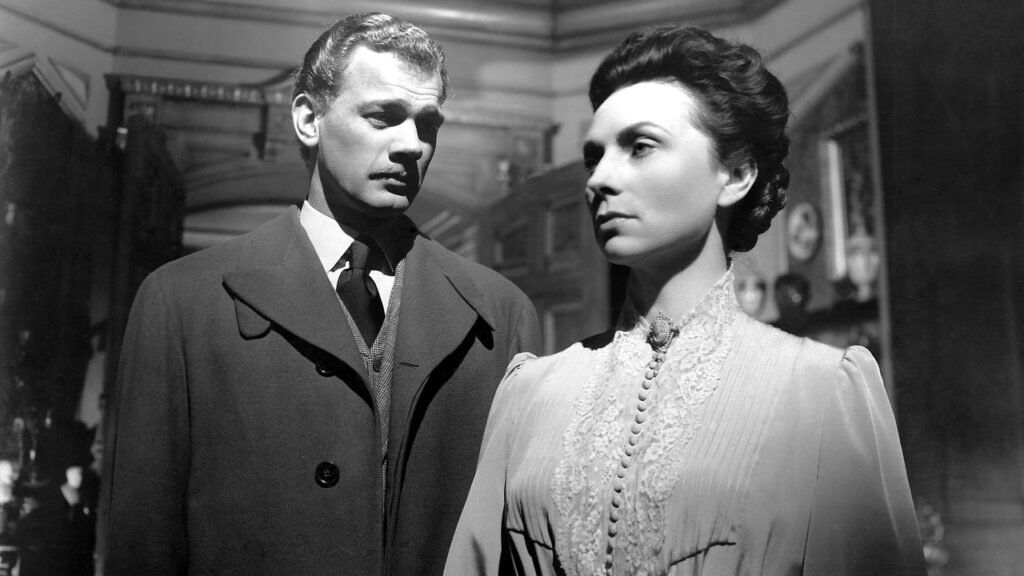
A follow-up to his debut, ‘The Magnificent Ambersons‘, shows a more intimate side of Welles’ storytelling. The film, based on Booth Tarkington’s novel, tells the story of a proud Midwestern family slowly fading as industrial change reshapes their world.
With rich period detail and smooth camera work, the film captures both the beauty and sadness of the changing era. Agnes Moorehead stands out with a deeply emotional performance that adds to its impact.
Just like many of Welles’ works, the studio cut large parts of the film and even changed its ending. Ultimately, it shows that Welles was just as skilled at telling quiet, human stories as he was at creating bold and striking cinema.
1. Citizen Kane (1941)
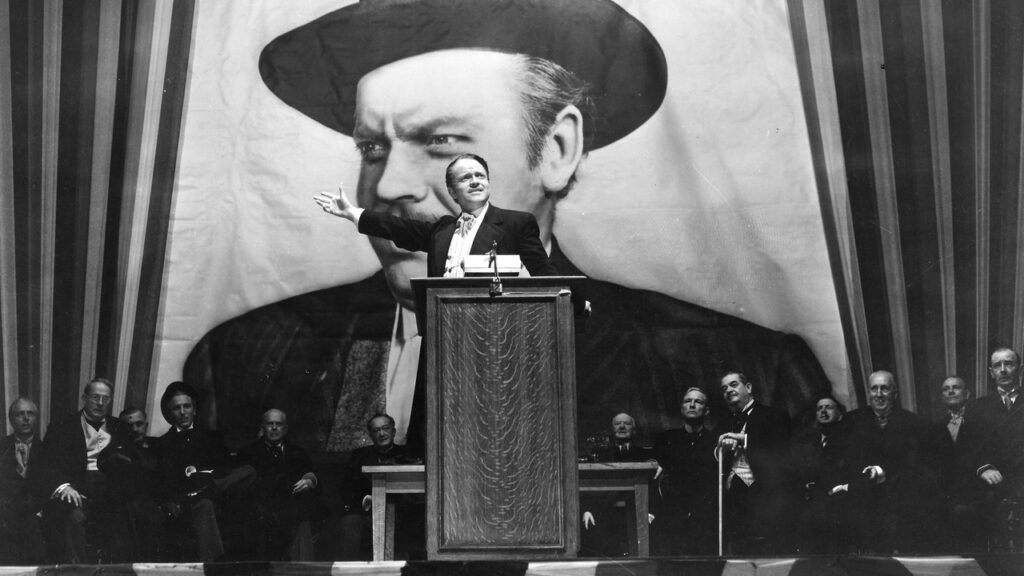
‘Citizen Kane‘ marked Orson Welles’s explosive debut and is often hailed as the greatest film ever made. Welles plays Charles Foster Kane, a powerful newspaper tycoon whose life is pieced together after his death through the memories of those who knew him.
The film broke new ground with its bold, innovative style. It uses deep focus, low camera angles, and detailed sets with visible ceilings that changed how movies were made. The story is built through flashbacks, but shows different points of view, making the film even richer and more layered.
Welles took on multiple roles at just 25, like co-writing, directing, producing, and starring in the film, which earned major nominations.
You might also like to read: The Truth Behind Marilyn Monroe’s Iconic Flying Skirt Scene Leading To Her Divorce In Real Life