

For decades, Steven Spielberg has been intrigued by how aliens affect human lives. Throughout his celebrated career, the iconic filmmaker has consistently used aliens to explore the depths of human emotion.
With ‘Disclosure Day,‘ his newest movie, Spielberg offers a rather idealistic narrative in which the existence of aliens should encourage humans to look past the differences and be compassionate. But the director’s outlook wasn’t always so hopeful. Almost fifty years ago, Spielberg held a darker, far more unsettling extraterrestrial theory that formed the basis of ‘Close Encounters of the Third Kind‘ (1977).
The Raw Horror Of A Broken Home
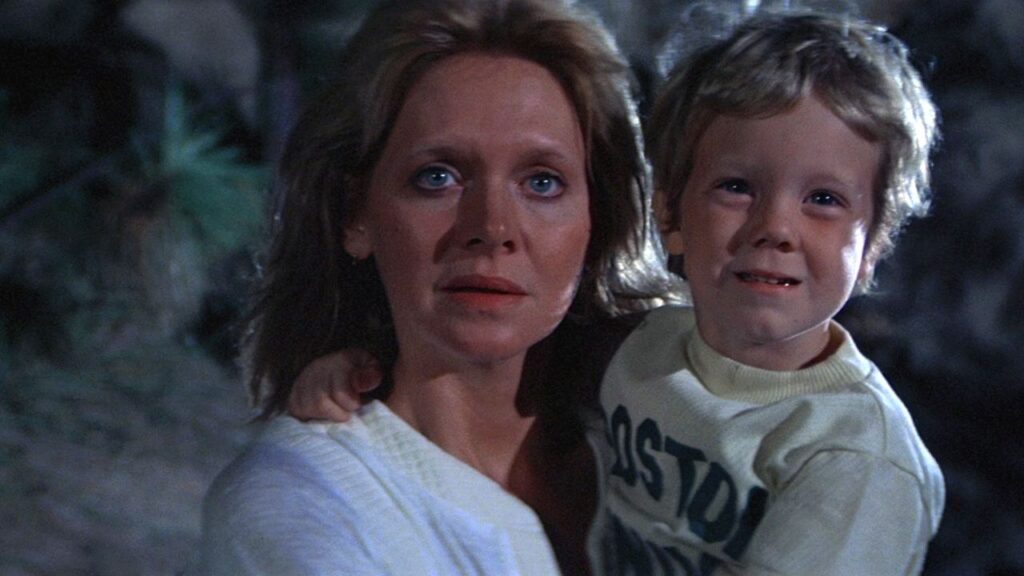
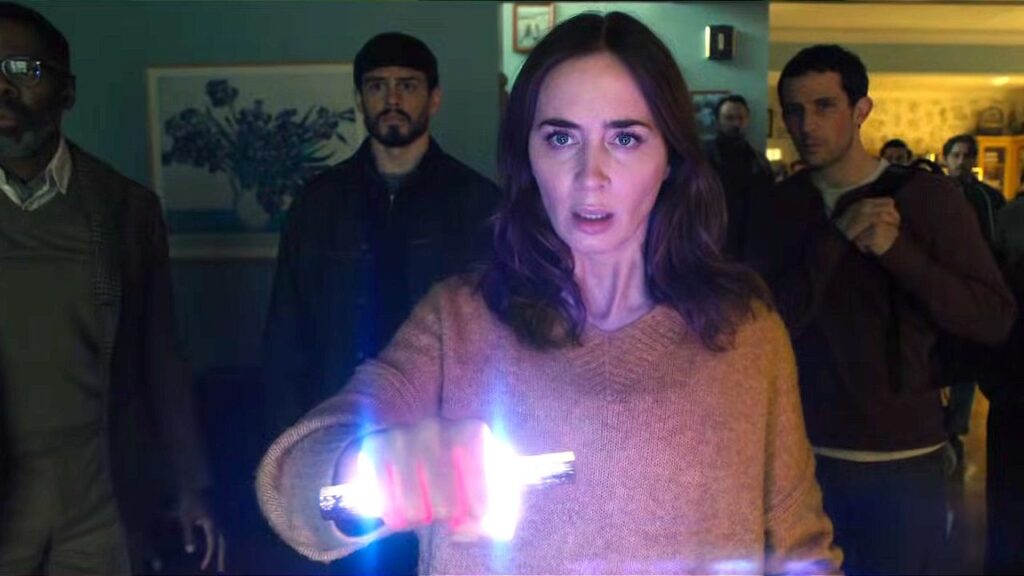
Among Spielberg’s films, the ones that confront the concept of cosmic contact more vividly are ‘Close Encounters of the Third Kind’ and ‘Disclosure Day.’ In both movies, regular Americans discover their psychic connection with extraterrestrial beings. Meanwhile, the authorities try to prevent these interactions.
Related: Steven Spielberg Borrowed Alfred Hitchcock’s Greatest Trick to Save ‘Jaws’
While ‘Disclosure Day’ had a simpler, satisfying conclusion to the alien encounter, the other movie demonstrates how the otherworldly experience can impact a person’s psyche and destroy relationships with their loved ones.
Written by Spielberg himself after a series of poor attempts by writers, ‘Close Encounters of the Third Kind’ takes place in 1977. It starts with a sandstorm in Mexico’s Sonoran Desert, during which scientists study the aeroplanes that appeared out of nowhere, after disappearing in the Bermuda Triangle two decades back.
In Indiana, utility worker Roy (Richard Dreyfuss) is assigned to fix an electricity blackout that occurs at midnight. But then he comes across a UFO hovering over his truck. Soon, Roy and other witnesses get inexplicably drawn towards the alien force while the scientists attempt to resolve the mystery of aeroplanes.
Roy’s obsession escalates rapidly and unfolds before his wife, Ronnie, and their three kids. The character starts collecting newspaper clippings about UFOs. He also creates lumpy sculptures from things such as shaving cream and mashed potatoes.
Roy’s madness grows as the story progresses. In a particularly heartbreaking scene, Roy makes a tower from mashed potatoes while his oldest son watches on with tears rolling down his cheeks.
When Roy dismantles a neighbor’s duck house and breaks the windows of his own kitchen with bricks, Ronnie loses it. She gathers her kids and drives away, abandoning her husband for good.
A Haunting Legacy Of Abandonment
While many sci-fi films rely on monsters or the government to evoke terror, ‘Close Encounters of the Third Kind’ uses the disintegration of a family instead. Spielberg, who has been vocal about the profound influence of his parents’ divorce on him, was able to channel his childhood fears in such raw, personal scenes.
In Case You Missed It: Steven Spielberg Finally Settles A 44-Year-Old ‘E.T.’ Debate By Revealing How Elliott Stayed Connected To His Alien Friend Through A Psychic Link
In the scene where Ronnie leaves, Roy suddenly forgets about his family. At the rendezvous point in Wyoming, Roy makes his final step as an antihero. He boards a spaceship without hesitation and abandoning his earthly life forever.
“That was before I had kids,” Spielberg said about the film’s ending in a 2005 interview. “That was 1977. So I wrote that blithely. Today, I would never have the guy leaving his family and go on the mothership. I would have the guy doing everything he could to protect his children.”
Fatherhood has now changed Spielberg’s perspective. But back then, his childhood fears enabled him to craft such a terrifying ending that exposed a child’s greatest fear. He wouldn’t have opted for a similar ending if he were to write and direct this movie today.
On the contrary, ‘Disclosure Day’ avoids this dark side of life, naively casting the government as the villain. According to the narrative, things could be under control if the government didn’t harbor secrets from common folks. It showed that the disclosure would bring global empathy and wonder, and save humanity from itself.
Of course, such an optimistic idea is something that everyone wants to hear in 2026, but it is shallow. The Emily Blunt-starring movie raises questions but never answers them. Meanwhile, the 1977 movie delivers a far bolder take that leaves scope for further debate.
When it comes to exploring how an average human would actually handle first contact, it delivers a more complex, unsettling perspective, one that still feels genuinely provocative five decades later.
You Might Also Like To Read: ‘House Of The Dragon’ Season 3 Gives Alicent A Redemption Arc The Books Never Did