Now, masked killers are a staple image in horror cinema. Whether it’s Michael Myers or Ghostface, we can’t deny that the most terrifying villains are always hiding behind that expressionless and unsettling mask.
But long before modern horror movies turned to this iconic symbol, there was this once French classic that quietly laid the groundwork for masks. Released in 1960, ‘Eyes Without A Face’ transformed the way imagery is used in horror movies to play with the human psyche.
How ‘Eyes Without A Face’ Redefined Horror Imagery
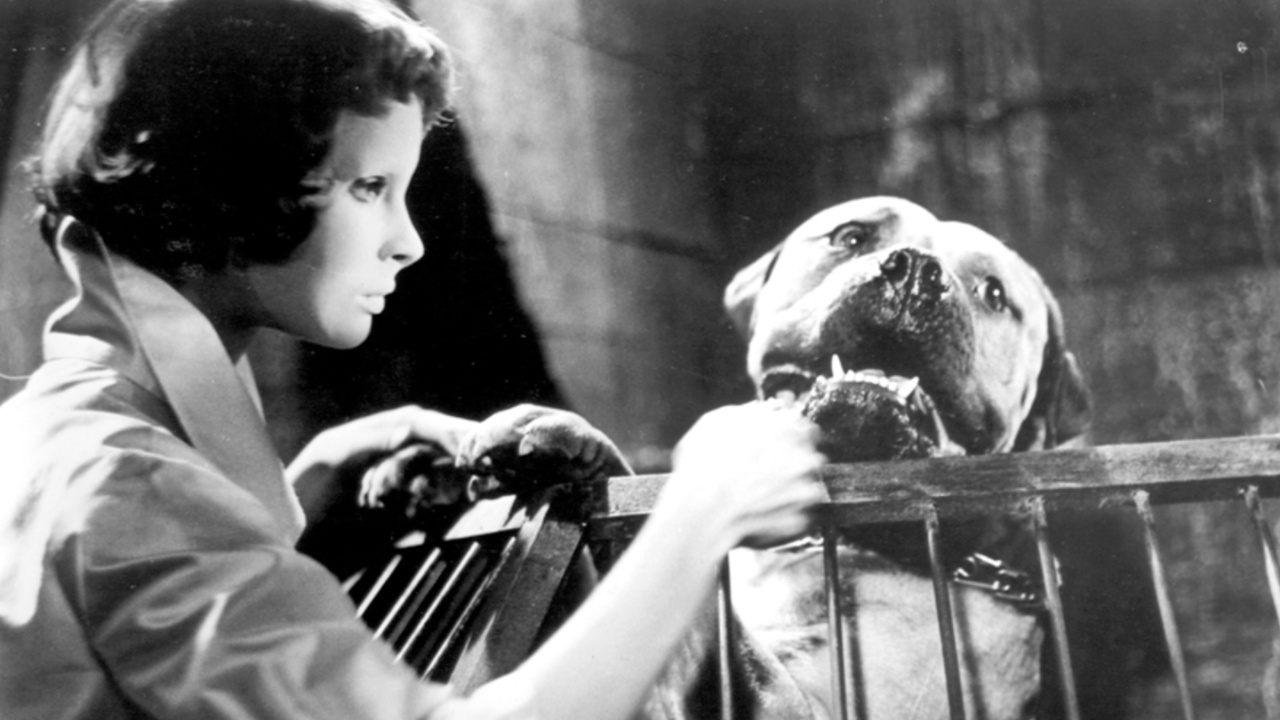
‘Eyes Without A Face’ tells the story of Christiane, a young woman who gets her face severely disfigured in a car accident. Her father, Doctor Génessier, is obsessed with wanting to restore his daughter’s appearance.
Related: 25 Classic Movies That Should Be On Every Cinephile’s Watchlist
Génessier begins kidnapping young women, surgically removing their faces, and attempting to perform face transplants on his daughter. Faceless bodies of these women continue to emerge in the local river, and Inspector Perot investigates to find the truth behind it.
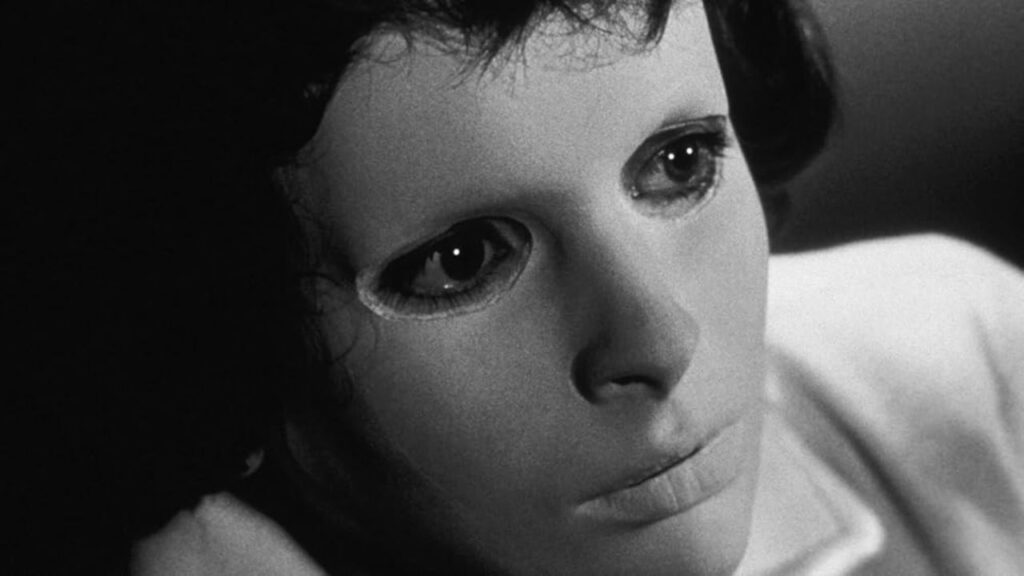
Throughout the movie, we see Christiane behind the smooth mask that hides her whole face, except for the extremely uncanny valley-coded eyes. Interestingly, director Georges Franju never considered his movie a horror offering.
Instead, the mask held a deeper symbolic meaning: it was a reminder of what Christiane had lost. Viewers are kept guessing what lies in the void behind her mask, and the film never explicitly shows us the disfiguration. Instead, we are forced to imagine it, tracing it in the shadows, which makes it even more terrifying.
Christiane’s Mask Laid The Path For Horror’s Greatest Villains
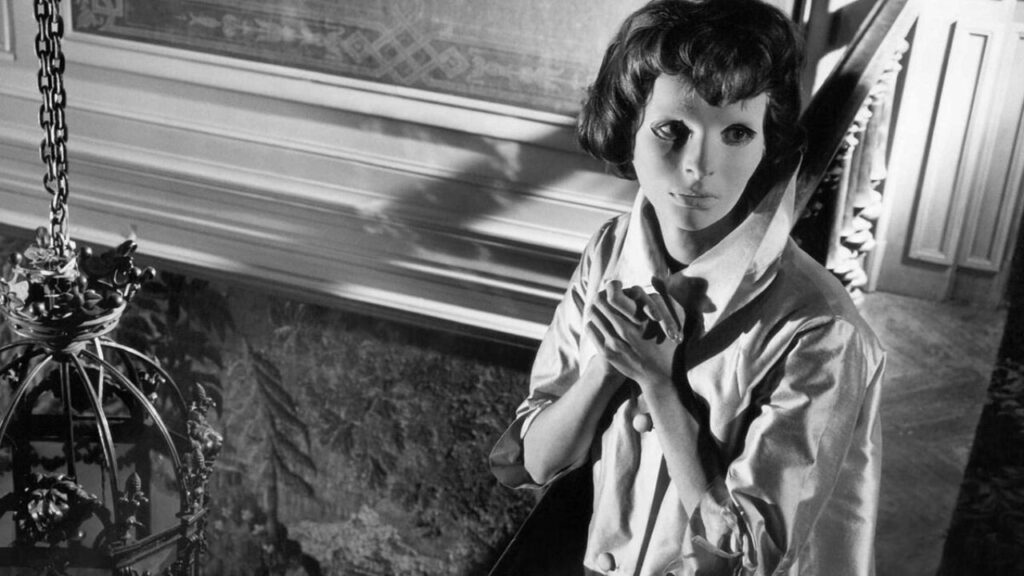
The influence of ‘Eyes Without A Face’ can be seen through almost every iconic modern horror movie. Franju demonstrated that even the most ordinary imagery can become terrifying if the right intentions are behind it. Since then, many filmmakers have found themselves attracted to this approach.
In Case You Missed It: Top 25 Movies So Intense You’ll Never Watch Them Twice
Honestly, this simple creative decision has shaped horror filmmaking for decades. Instead of immediately showing the audience what they should fear, it forces their minds to go to the wildest conclusion. And it always lands on the most devastating answers that cannot be shown on screen.
One of the clearest examples has to be ‘Halloween’. Director John Carpenter has himself cited ‘Eyes Without A Face’ as an inspiration behind Michael Myers. The same concept is also seen in classics like ‘Friday the 13th’, ‘The Abominable Dr. Phibes’, ‘Scream’, and more.
The central idea remains the same: conceal the truth while simultaneously suggesting that there is something wrong beneath the surface. It can be a physical deformity, a hidden identity, or a complete lack of humanity. Whatever it is, once the mask is there, viewers are forced to confront the unknown.
You Might Also Like To Read: 15 Scary Movies That Aren’t Actually Horror Films