

Victors tend to write history, but the memories are created by the narrators. If one wants the cold facts of military maneuverings and diplomatic agreements in World War II, one will find them in history books. But the marrow, the blood, the sweat, the tears, and the excruciating gray areas of the human soul during wartime are captured in cinematic portrayals.
These ten movies, which trace the brutal realities of the war that shaped the twentieth century from start to finish, are a journey through time itself.
10. Darkest Hour (2017)
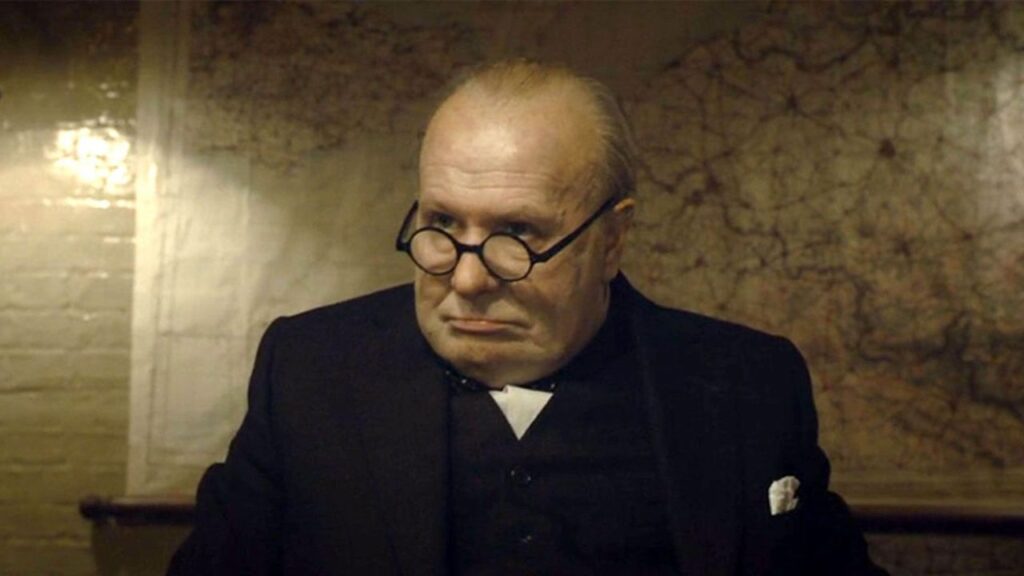
Setting: May 1940 – London, England
It didn’t take long for Britain to realize what war meant for them because it began with gasping, stuttering breaths. This film takes us back to when everything was on the edge and shows us the fragile nature of the Allied cause, even before one American soldier set foot in Europe. Instead of seeing Churchill as the indestructible figure he was known to be, we see him as a desperate politician, backed into a corner by his own cabinet, willing to make deals with Nazis for the good of his country.
9. Dunkirk (2017)
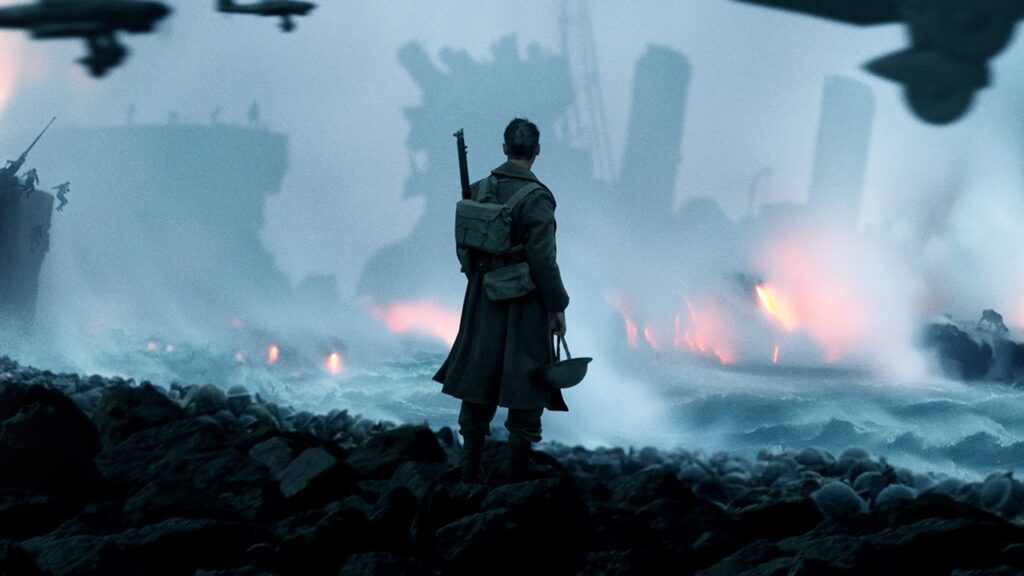
Setting: May/June 1940 – Dunkirk, France
While Darkest Hour serves as the brain of World War II’s first year, Dunkirk acts as its adrenaline rush. This visual marvel by Christopher Nolan strips away the politics to reveal the grim realities of the 400,000 men cornered on the beach. It exposes a harsh reality about the “Greatest Generation.” While they were fighting for freedom during World War II, they were largely running for their lives in its early years.
Related: 10 Best Movies About Nuclear War We Think Everyone Should Watch
8. Battle of Britain (1969)
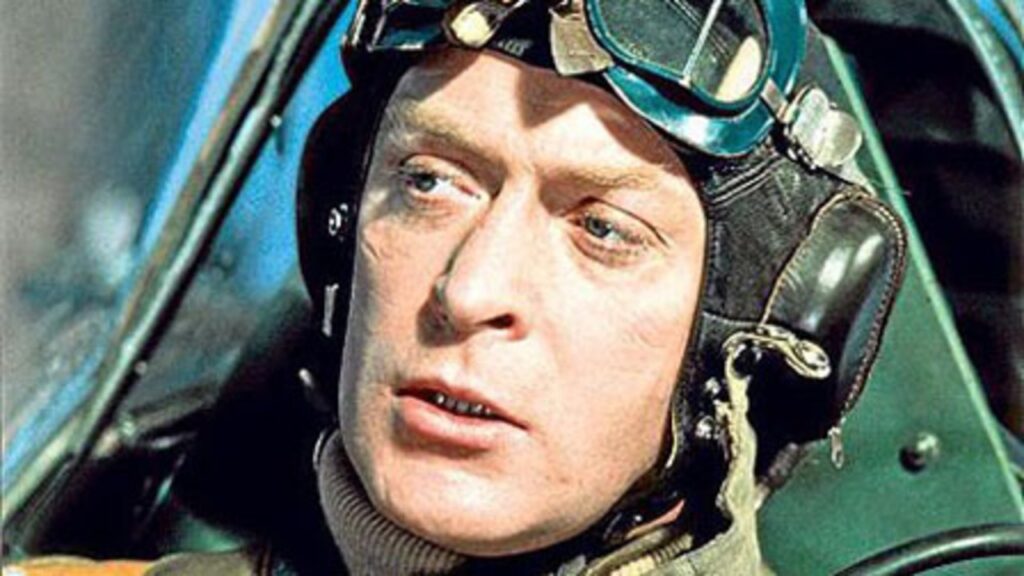
Setting: Summer/Autumn of 1940 – The Skies Above England
By late 1940, the conflict had left the beaches and entered the skies above them. This film, produced in 1969, is still widely considered the definitive take on the fight for control of the sky. This film will remind us of how close the Second World War could have come. Had the RAF collapsed, then an invasion of Britain would have been inevitable. The film eschews the use of CGI and shows off real Spitfires and Hurricanes, showing the weary pilots who were sent into combat four, five, or six times a day before disappearing into the clouds.
7. Pearl Harbor (2001)
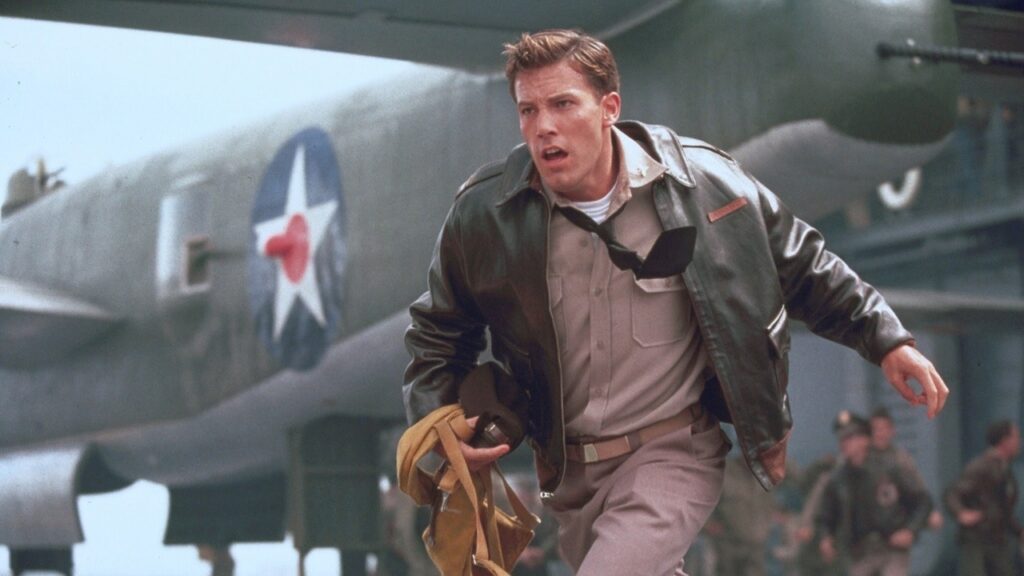
Setting: December 7, 1941 – Oahu, Hawaii
Despite the numerous criticisms about the glitz that Michael Bay’s movie may possess, his portrayal of the assault on Pearl Harbor highlights how the world changed overnight. This was when World War II began to live up to its name. What makes the film so honest is not just its realism, but the total surprise and horror of that day; a day that made an isolationist nation into the “Arsenal of Democracy” and heralded a brutal naval war in the Pacific.
In case you missed it: The Ultimate High School Drama Watchlist (Our Picks)
6. Midway (2019)
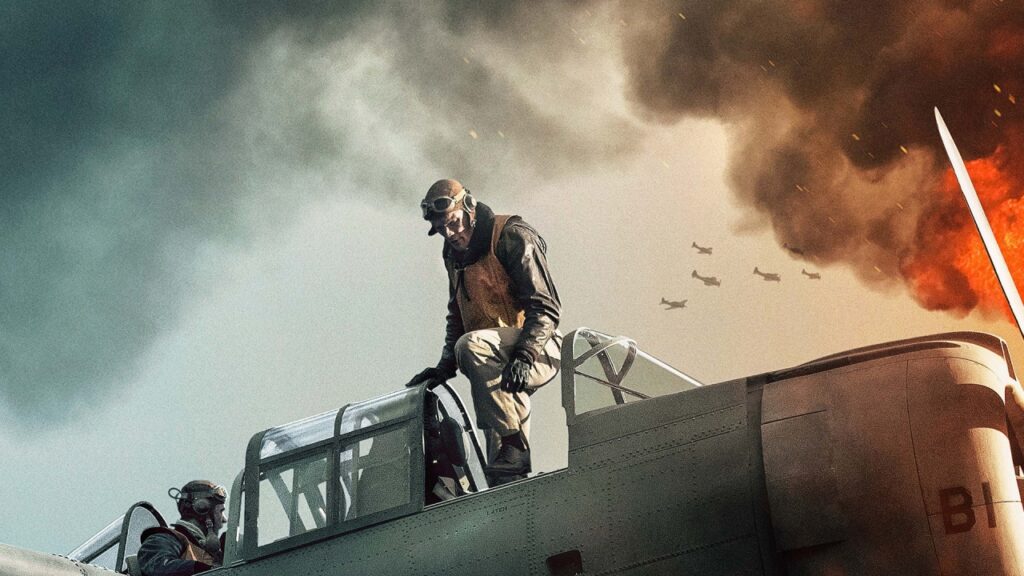
Setting: June 1942 – Midway Atoll
Where Pearl Harbor marked the point of damage, Midway marked the point where the wound was stopped. Roland Emmerich’s film portrays the story of the code breakers in their basements who played a key part in securing one of the most surprising naval victories in history. Emmerich focuses on the intelligence officers and the pilots of dive bombers responsible for turning the tide in favor of the Allies in a matter of minutes.
5. Enemy at the Gates (2001)
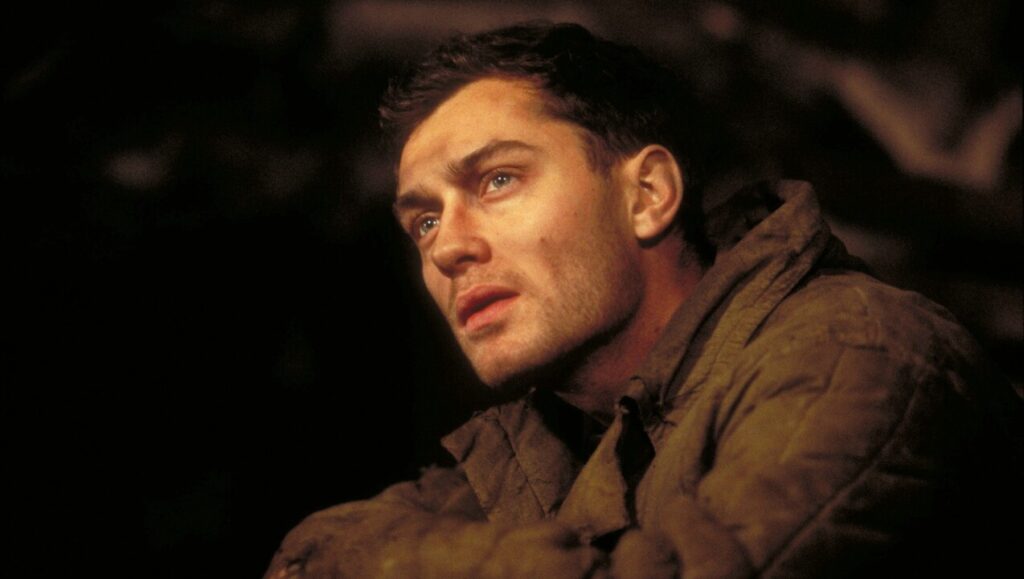
Setting: Winter 1942/1943 – Stalingrad, USSR
The true extent of loss in WWII cannot be comprehended without taking into account events that occurred in the East. The film “Enemy at the Gates” presents us with the horrors of the Battle of Stalingrad, an event too terrible for our current generation to comprehend. In this movie, through the story of the snipers’ duel, we become acquainted with the brutal realities of the Soviet frontlines: troops being marched into action without any weapons, the terrifying commissars willing to kill their own comrades for desertion, and the dead city covered with snow.
4. The Pianist (2002)
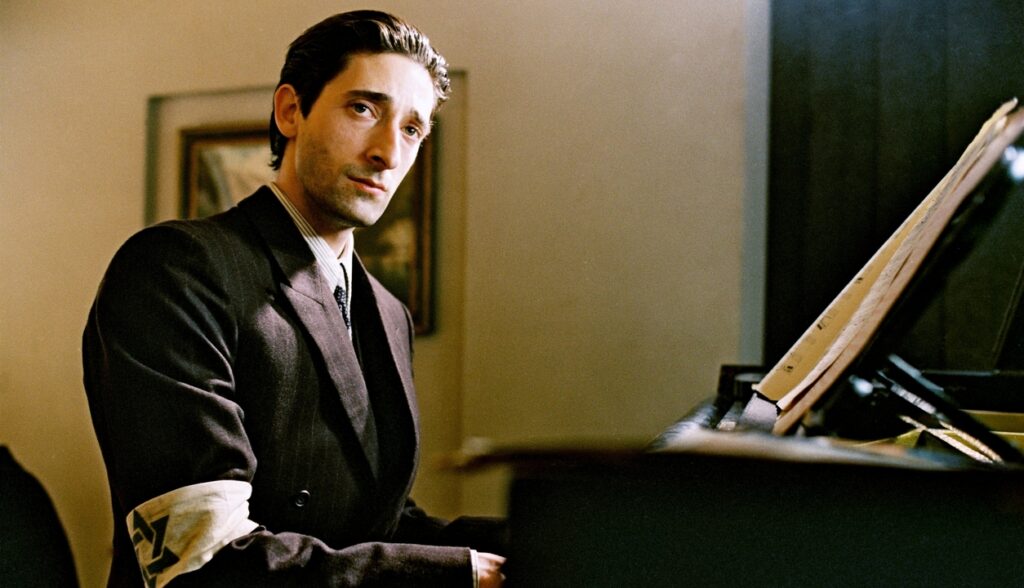
Setting: 1939–1945 – Warsaw, Poland
Even as the battle lines moved about, a new war against the citizens was being waged. Perhaps, The Pianist by Roman Polanski offers one of the more honest portrayals of the Holocaust, in that it does not seek to be “heroic” at all. Wladyslaw Szpilman is no freedom fighter; he merely survives. He is starving, while his family is loaded up on cattle trucks to somewhere unknown. It is the horror of the Warsaw Ghetto, depicted without the glossy façade of Hollywood.
3. Saving Private Ryan (1998)
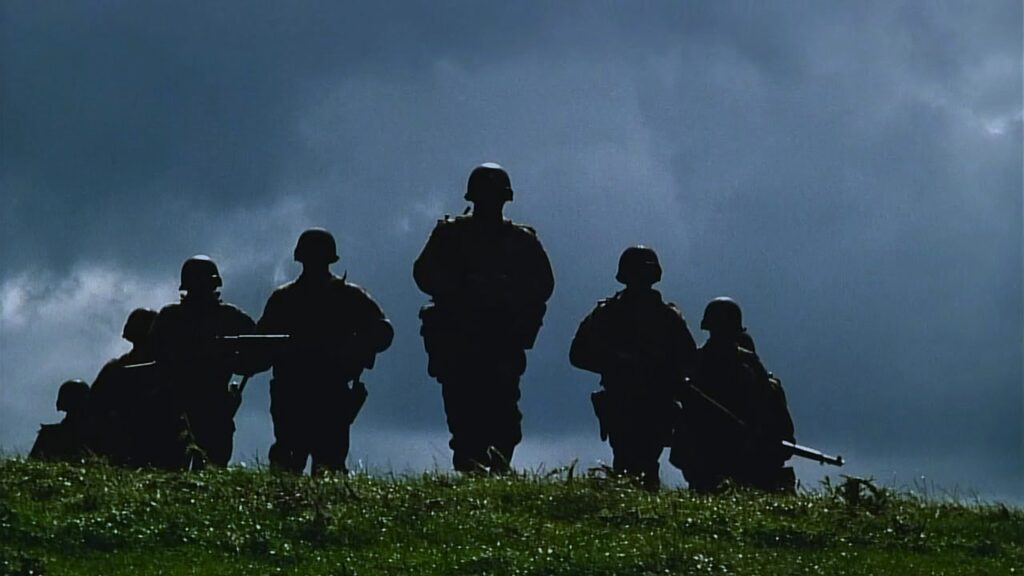
Setting: June 6, 1944 – Normandy, France
There exists a “before Saving Private Ryan” period and an “after Saving Private Ryan” period within the genre of war movies. The first twenty minutes depicting the landing on Omaha Beach destroyed all illusions regarding the liberation of Europe. It proved that the Crusade in Europe did not happen in an idealized way but as a bloody chaos of seasickness, shrapnel, and screaming young soldiers longing for their mothers. Spielberg made it clear that the price of the Crusade in Europe was paid with the lives of many soldiers who did not even make it off the ramp of their landing ships.
2. Letters from Iwo Jima (1945)
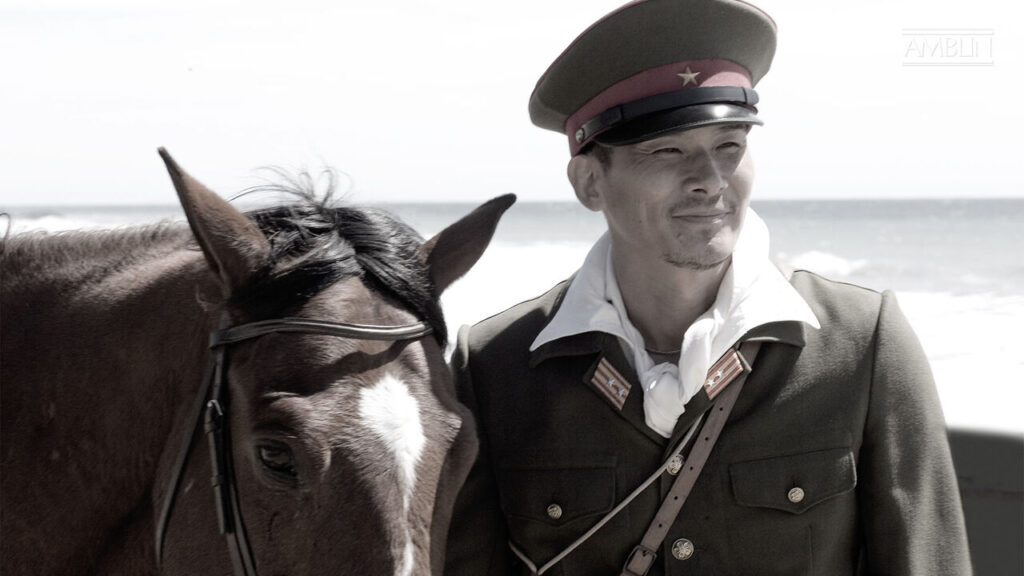
Setting: Battle of Iwo Jima (1944-45)
As World War II came to an end, the intensity of combat in the Pacific became fanaticism that was beyond the understanding of Western thinking. In Clint Eastwood’s movie “Letters from Iwo Jima,” viewers get a rare opportunity to see the Japanese side of things through an empathetic portrayal of the war. Instead of showing the Japanese army as faceless creatures, Eastwood shows these soldiers as fathers and sons, knowing for sure that they were going to die. Through such a humanized portrayal of “the enemy,” one can attain greater historical truth.
1. Oppenheimer (1945)
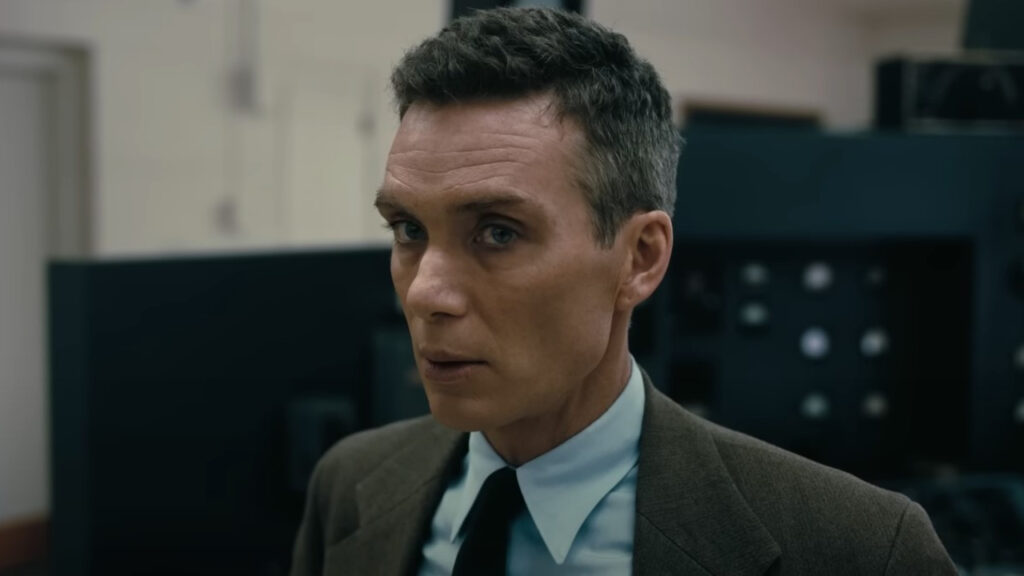
Setting: 1940s – Manhattan Project, 1959 – Oppenheimer Clearance Security Hearing
The end of the war did not come in the form of an agreement but through a bright flash. The movie Oppenheimer by Christopher Nolan tells the story of the beginning of the Atomic Age. This is the last, ominous episode of the timeline. It transfers the struggle from the battlefield to the lab, showing how the morals of those scientists who invented the “world destroyer” have been degraded. The film reveals the sad reality that even though the war was “won,” the world now lived in constant existential dread.
You might also like to read: 10 Movies That Called Out Unrealistic Beauty Standards