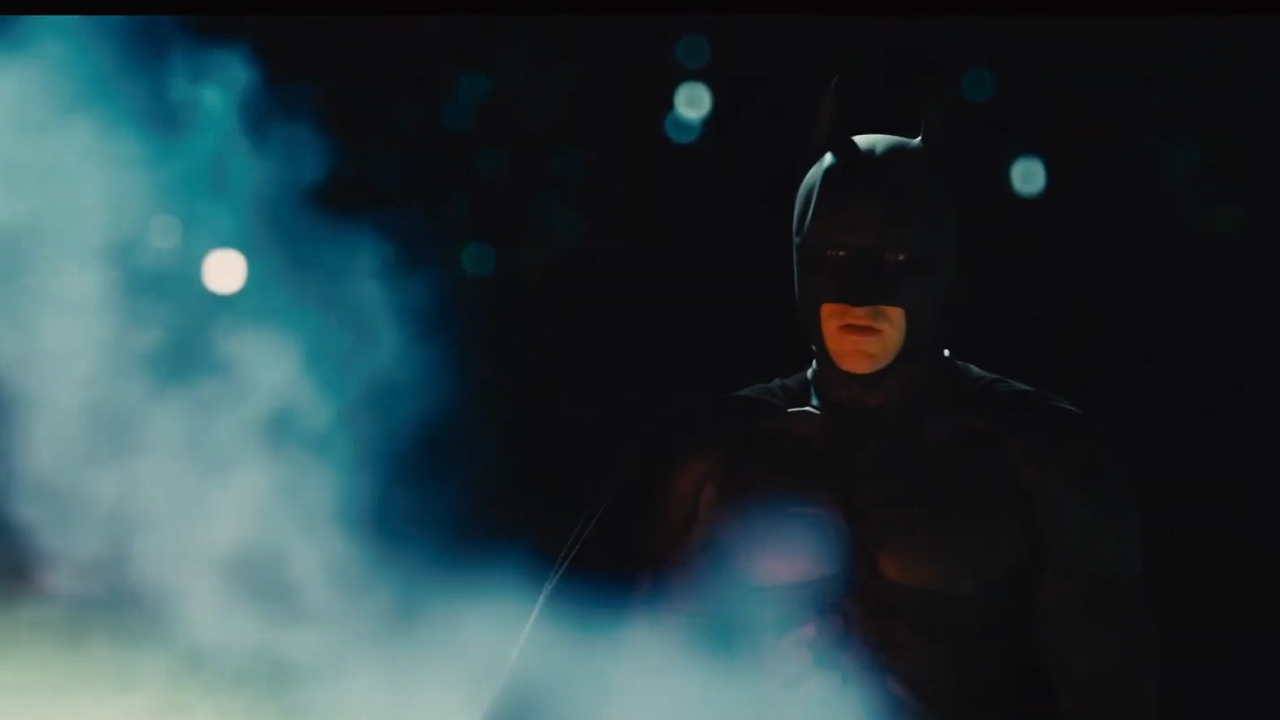
Nearly two decades after its 2008 release, ‘The Dark Knight‘ still stands as the benchmark for superhero cinema. The film changed how Hollywood, critics, and award shows viewed comic-book adaptations. Before Christopher Nolan’s version, superhero movies were largely treated as blockbuster entertainment. But then, suddenly, this genre gained serious critical recognition and started competing for prestigious awards.
The film’s reputation has remained strong despite the expansion of billion-dollar cinematic universes and the proliferation of superhero releases. Critics and audiences still praise its performances, storytelling, technical innovations, and industry influence. Here’s why it continues to outshine others in the superhero space.
The Duo of Heath Ledger and Nolan Transformed the Superhero Genre
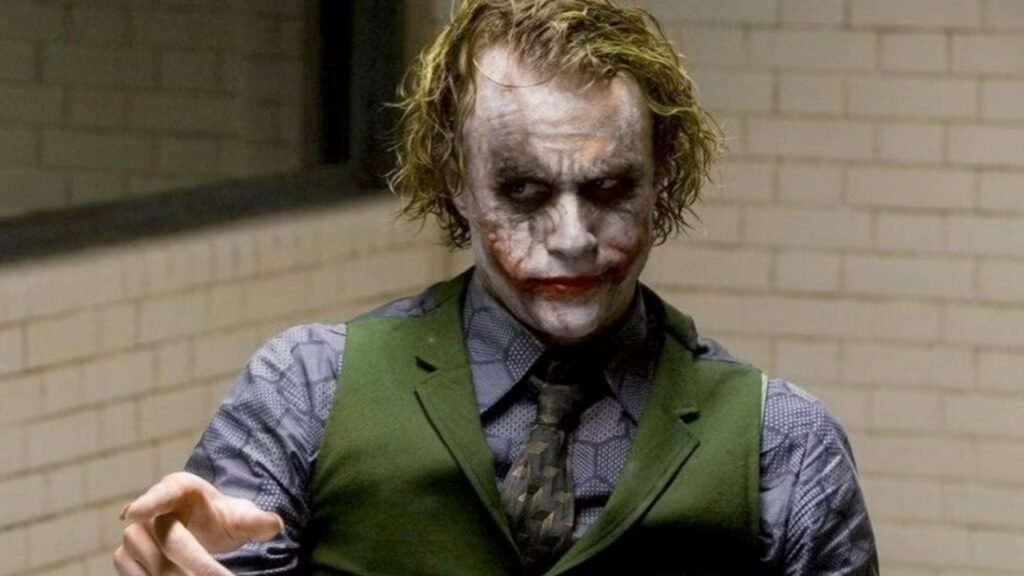
First of all, the legacy of ‘The Dark Knight’ thrives on the back of its powerful cast. The key factor here is Heath Ledger’s portrayal of the Joker. The actor completely changed the character, abandoning its comedic approach and replacing it with a psychological nightmare. He created an anarchist who uses chaos as his means of terrorizing Gotham City. During pre-production, Ledger famously locked himself up in a London hotel room for weeks. Ledger developed the Joker’s character, giving his voice certain features and preparing for scenes that required special attention.
Additionally, Ledger prepared a Joker diary full of disturbing images, which served as inspiration for the film. Other sources of inspiration included ventriloquist dummies and Stanley Kubrick’s dystopian crime thriller ‘A Clockwork Orange.’ Meanwhile, Francis Bacon’s work and the looks of the members of the punk band S– Pistols, such as Sid Vicious, also inspired the Joker’s appearance. Heath Ledger even won a posthumous Academy Award for Best Supporting Actor, showing that the finest comic-book performances can get recognition alongside mainstream dramatic acting.
Nolan’s Strong Narrative and Revolutionized Filmmaking
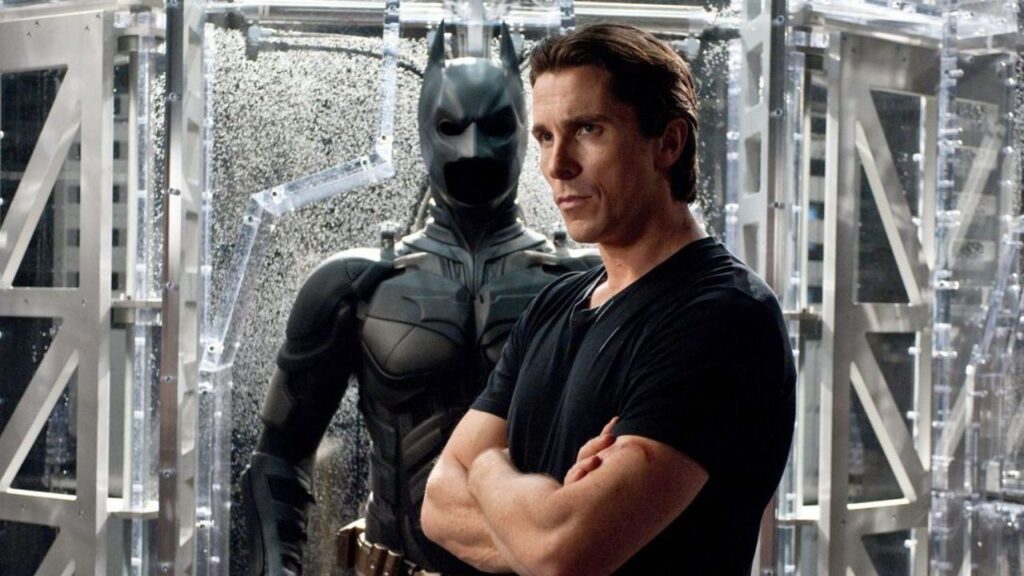
Nolan approached the film with a very serious tone, making ‘The Dark Knight’ stand out as a crime saga rather than a typical superhero film. Much like Michael Mann’s ‘Heat,’ it focuses on organized crime, surveillance, terrorism, and even the collapse of institutions. The Joker does not aim to seize power or gain financial benefit from his activities. Instead, he burns the piles of money he earns, showing indifference to power and wealth.
The film makes one thing clear throughout its 152-minute runtime. The Joker wants to prove that people abandon morality when their survival is at stake. That idea drives the movie’s larger themes about hope, truth, and justice within a broken system. These themes directly shape the movie’s ending. Batman accepts blame for Harvey Dent’s murders to preserve the latter’s reputation as Gotham’s “White Knight.” The last line of the film says it all: “Sometimes, truth isn’t good enough. Sometimes people deserve more.”
In case you missed it: How The Iconic Final Shot Of ‘The Dark Knight’ Happened By Accident
Moreover, ‘The Dark Knight’ changed the technical aspects of filmmaking. The film was among the first projects in which Nolan decided to use 65 mm IMAX cameras. In particular, the bank-heist scene at the beginning of the movie was filmed entirely in IMAX. Nolan avoided heavy reliance on green-screen effects and instead prioritized practical stunts. The film’s most famous practical effect involved physically flipping a full-sized 18-wheeler truck through the streets of Chicago rather than digitally creating the moment.
Its significance even challenged the rules for the Oscars. There was public outrage following its failure to receive a Best Picture nomination. As a result, the Academy of Motion Picture Arts and Sciences changed the number of nominations in the Best Picture category to up to ten films. Several other superhero films have won Oscars since then. ‘Logan‘ got a nomination for Best Adapted Screenplay, while ‘Spider-Man 2′ won for Best Visual Effects.
Most recently, Matt Reeves’ ‘Batman‘ succeeded in recreating Gotham as a grounded detective-noir universe. And yet, no movie since then could replicate the cultural significance, technical innovations, thematic depth, and performance level of ‘The Dark Knight.’
You might also want to read: Why Christopher Nolan’s ‘The Odyssey’ Black Armor May Be More Historically Accurate Than Fans Think