
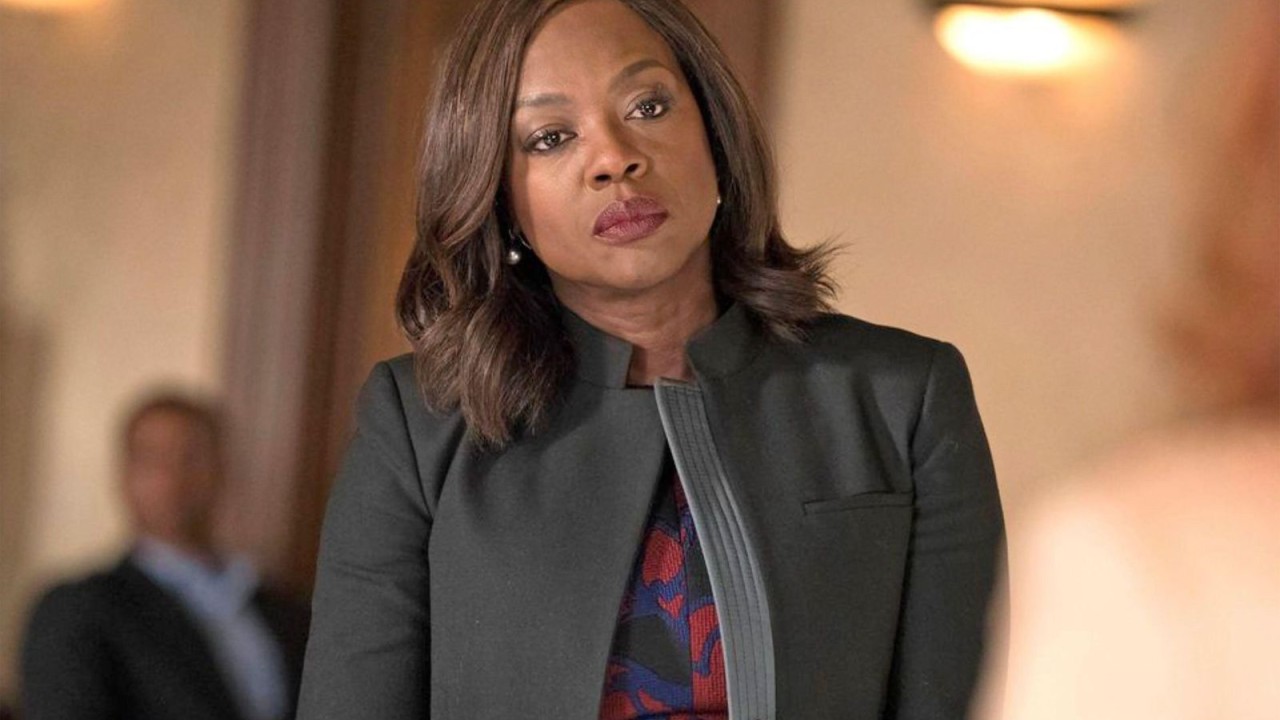
A journeyman’s career progression in Hollywood is rarely more impressive than that of actress Viola Davis. Fans looking for their favorite stars’ regretful moments cannot find anything more illustrative of the high price one pays for survival in the industry than Davis’ regretful discussion. As a pioneer, Davis became the first African American performer to win the Triple Crown of Acting, and continues breaking industry records and barriers.
However, amid a filmography featuring multiple cinematic gems, one Tate Taylor movie analysis reveals a fundamental disconnection in her work. Years following her nomination-winning performance in Taylor’s ‘The Help,’ Davis openly expresses her disappointment in joining such a project because of the toxic white savior narrative it promotes.
Viola Davis Became A Rising Icon Of An Untouchable Career
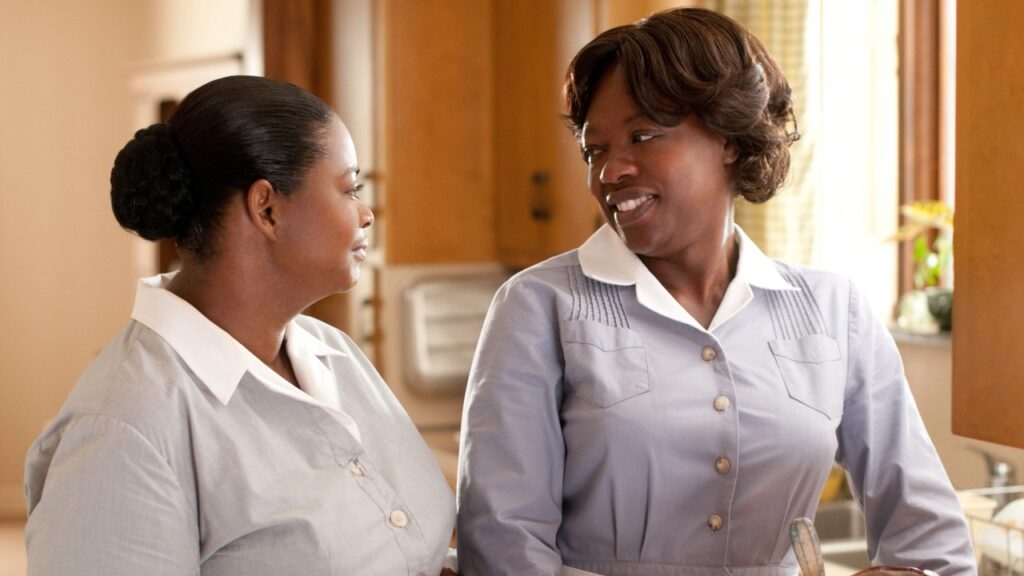
Before dominating Hollywood, Viola Davis established herself as an outstanding actress thanks to her theater career in the early 2000s. This helped her to build a name that inevitably led to a breakthrough in cinema.
At some point, when the whispers surrounding her talent became too loud, Denzel Washington pointed out her unique ability to sustain herself for decades and called her the best late-bloomer in the industry.
Davis’ career reached its full potential with her Oscar-winning performance in the 2008 thriller ‘Doubt‘ and continued with other legendary performances in films such as ‘Fences,’ ‘Widows,’ and ‘Ma Rainey’s Black Bottom.‘
Related: Top 12 Movies With Problematic Women We Can’t Help But Love
While adapting Kathryn Stockett’s novel ‘The Help,’ Taylor created a film considered a step forward in Hollywood’s treatment of race. The film secured four Academy Award nominations and achieved considerable commercial success.
Nevertheless, as time passed, the superficiality of the approach to addressing those events drew significant criticism, as the movie focused on the white savior complex.
Davis Talks About Systemic Racism
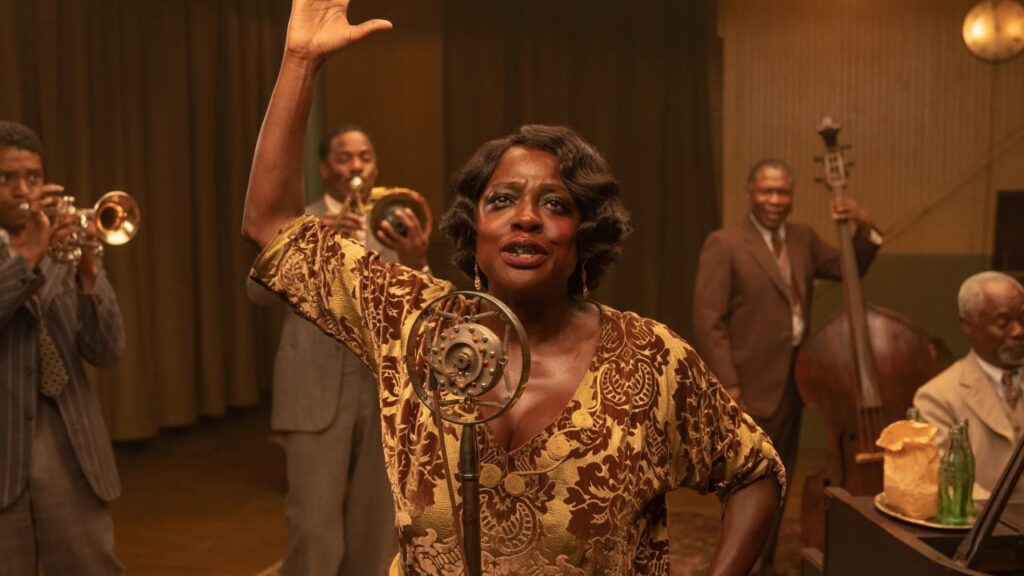
Reflecting on her experience in the film, Davis clearly draws a line between the sisterhood she formed with her fellow actresses, Jessica Chastain, Emma Stone, and Bryce Dallas Howard, and the script that didn’t accurately represent the voice of maids.
“Almost a better question is, have I ever done roles that I’ve regretted? I have, and The Help is on that list,” Davis said in an interview with Vanity Fair.
As Davis knew these women personally and they resembled her family, watching them tell stories in sanitized language was heartbreaking to her.
In Case You Missed It: The 25 Best Female Villains in Movies and TV
Adding further, she stated, “if you do a movie where the whole premise is, I want to know what it feels like to work for white people and to bring up children in 1963, I want to hear how you really feel about it. I never heard that in the course of the movie.”
The actress argued that the script distorted Black women’s lives just to entertain academic audiences who refused to confront the genuine horrors of the era. “They’re invested in the idea of what it means to be Black, but…it’s catering to the white audience,” voiced Davis.
Regardless of how much money this film brought, Davis still regrets joining the production since she couldn’t contribute to delivering the whole story due to its limitations, operating in the filter and cesspool of systemic racism.
You Might Also Like To Read: 10 Essential 1970s Thriller Movies Every Film Fan Should Watch