
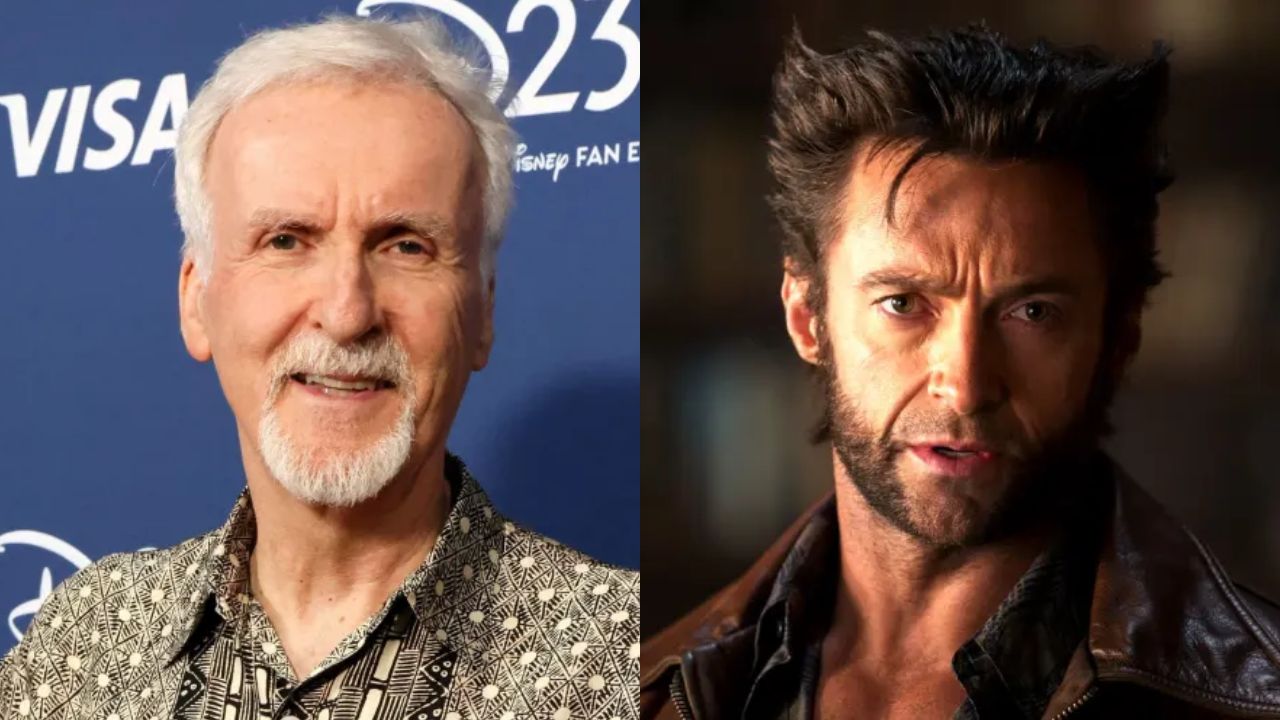
James Cameron has never hesitated to speak his mind about superhero movies. The ‘Titanic‘ director has often questioned the genre’s storytelling, making it surprising that he quietly helped shape one of Marvel’s most celebrated endings. Yep, that happened during the making of ‘X-Men: Days of Future Past.’
Before the film reached theaters in 2014, director Bryan Singer asked the iconic filmmaker to watch an early cut and offer feedback. Cameron came back with just one note, focusing on Hugh Jackman‘s Wolverine. According to Singer, it made the ending far stronger than he had imagined.
James Cameron Asked Bryan Singer To Change Wolverine’s Final Scene

Fans of ‘X-Men: Days of Future Past’ know that time travel sits at the heart of its storyline. After Wolverine travels back to 1973 and changes history, he wakes up at Xavier’s School in a completely different future.
Related: This Prime Video Fantasy Epic Blew James Cameron Away And It’s Shaping His Next ‘Avatar’ Films
Characters who had died in earlier films, including Jean Grey and Cyclops, are suddenly alive again, giving the franchise one of its few genuinely hopeful endings. Still, Singer wanted another filmmaker’s perspective before locking the final cut.
Only a few directors understood time-travel storytelling better than Cameron, whose ‘Terminator’ films have been the benchmark for the genre. Singer sent him a rough cut, expecting notes on the film’s complicated mechanics.
Above all, Cameron focused on a single visual choice. In the original edit, Wolverine wandered through the restored X-Mansion while the image remained slightly blurry. The editor wanted the audience to experience the scene through Wolverine’s confused perspective.
It made the moment feel dreamlike as he slowly realized history had changed. Cameron believed the effect created the wrong emotion. Rather than sharing Wolverine’s confusion, audiences might assume the film was setting up another twist.
Singer recalled Cameron calling him afterward, saying, “Bryan, that blurry thing made me think that the wool was going to be pulled out from under me, and I was not satisfied. I thought it was a lie and that it would fail, and it would all be dark. Then suddenly it was okay.”
After all, years of fake endings and surprise twists have trained viewers to distrust moments that looked too good to be true. Similarly, a blurred image suggested Wolverine might still be dreaming or trapped inside another illusion, even though the story had already reached its emotional payoff.
Removing One Effect Changed The Entire Ending
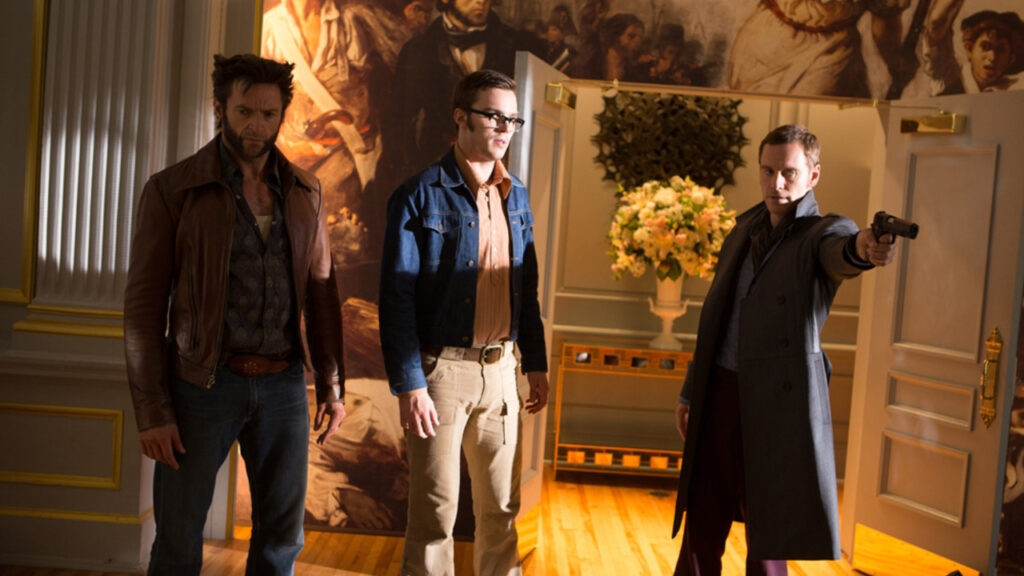
Singer immediately understood Cameron’s point, realizing that the blur effect detracted from the scene rather than strengthening it. So, he removed the effect before the film reached theaters. With the visual distortion gone, Wolverine walks through the school in sharp focus.
In Case You Missed It: Why Hugh Jackman Almost Lost Wolverine Despite Seven Auditions
The audience sees exactly what he sees. Professor Xavier is alive. Jean Grey survives. Cyclops returns. The mansion feels familiar again, but history has finally taken a different path. The change also gave Hugh Jackman’s performance more room to breathe.
Wolverine doesn’t need exaggerated visual effects to communicate disbelief. His quiet reactions carry the weight of everything he remembers from the erased timeline, while everyone around him carries on as though nothing ever happened.
Singer later revealed that Cameron’s suggestion was the only note he received on the entire movie. It wasn’t a comment about pacing, action scenes, or time-travel logic. It was simply a reminder that visual language shapes audience expectations as much as dialogue or plot.
Looking back, the advice feels remarkably simple. Cameron didn’t change the ending itself. He changed how audiences experienced it. By removing one blurry effect, he allowed fans to enjoy the movie’s hard-earned victory without wondering whether another devastating twist waited around the corner.
You Might Also Like To Read: George Clooney Once Changed Matt Damon’s Entire Shooting Schedule For The Most Ridiculous Reason Ever