
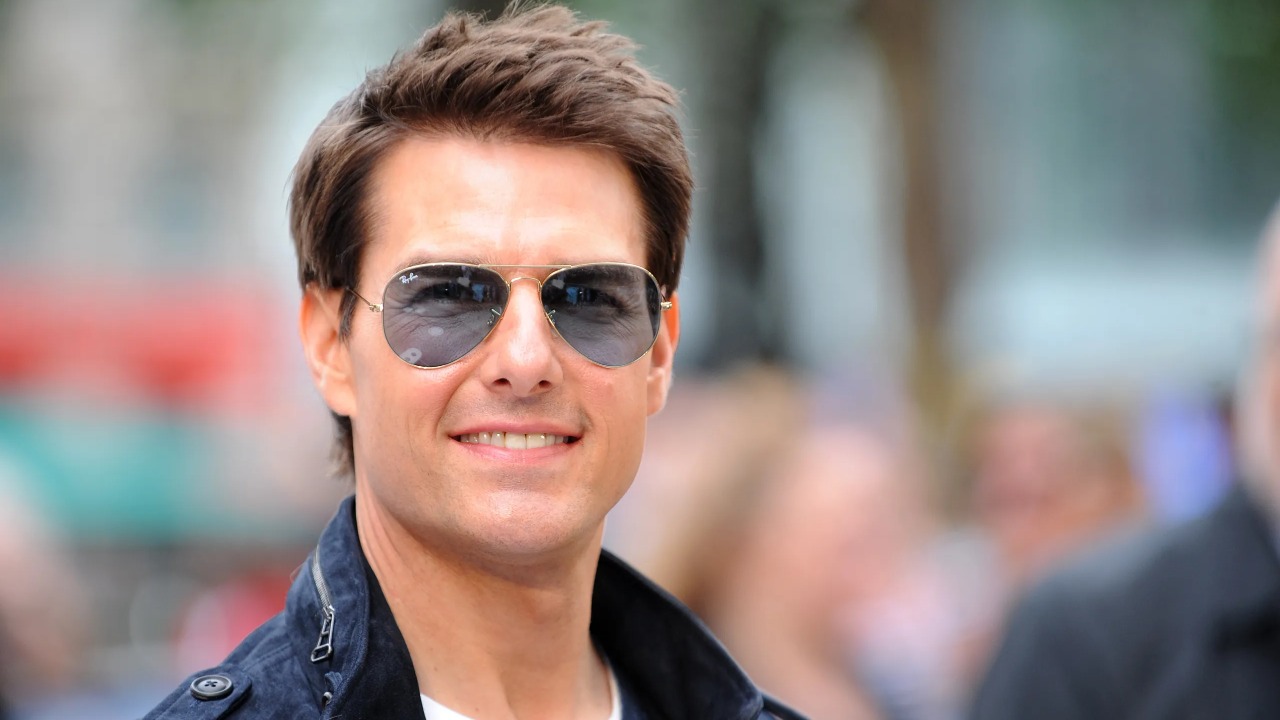
Tom Cruise directed something once, and almost no one remembers it. In 1993, at the height of his fame, he stepped behind the camera for an episode of a Showtime series called ‘Fallen Angels‘. The episode was titled ‘The Frightening Frammis,’ but he never directed again.
For a guy who now controls nearly every detail of the ‘Mission: Impossible‘ movies, sometimes working the camera while flying a helicopter, giving up directing after one try seems strange. However, people who have studied his career say it wasn’t a failure; it was a choice about his brand.
Tom Cruise’s ‘Frightening Frammis’ Experiment
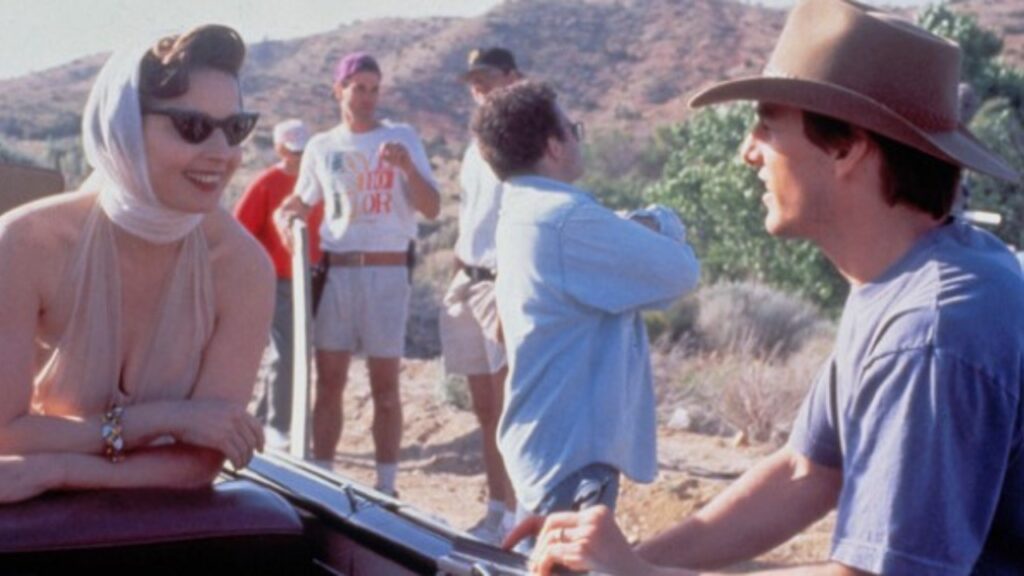
Back in 1993, Tom Cruise was maybe the biggest movie star in the world. He had just done ‘A Few Good Men‘ and was about to make ‘Interview with the Vampire‘. He was a box office king who really wanted to be seen as a serious artist. The ‘Fallen Angels’ show on Showtime had some good talent attached, but it was a small, gritty project for someone like Cruise.
Related: ‘Digger’ Could Change How We See Tom Cruise After His ‘Mission: Impossible’ Era
His episode starred Peter Horton before he was famous and a young Laura Dern. It was a period piece about a dice game that goes wrong. The reviews were fine, but nothing special. For most actors, directing a TV episode would be a first step, but for Cruise, it was a test.
According to the BFI, Cruise got obsessed with how movies are made back on the sets of Taps and Risky Business. He would hang around the camera and lighting departments, “studying careers” and “evaluating cinema.” By 1993, he knew enough to direct. So why did he stop?
Why Tom Cruise Abandoned Directing After ‘Fallen Angels’
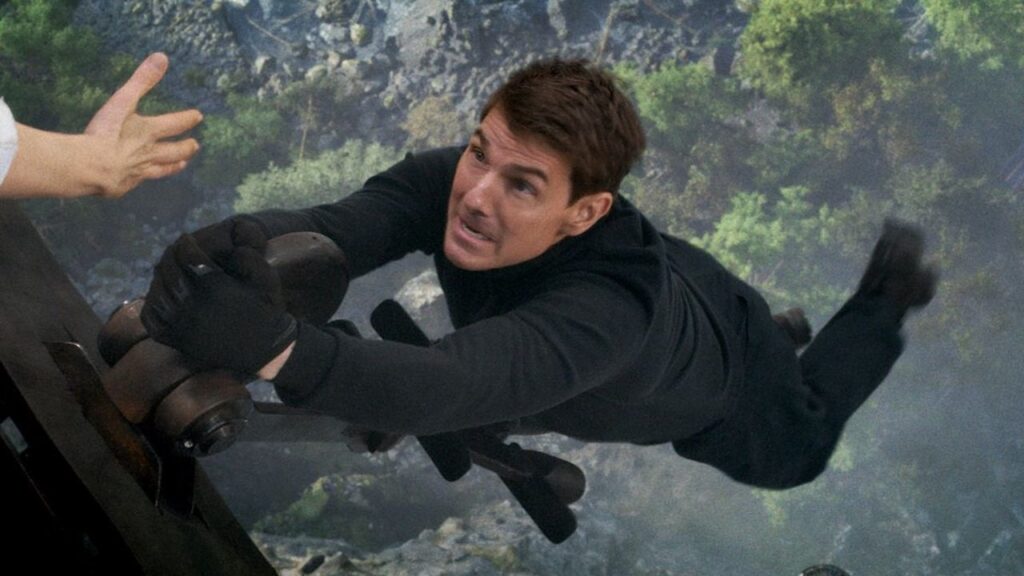
The real reason comes down to a simple problem: Tom Cruise, the person and the job of a director just do not fit together.
During the 1990s and 2000s, Cruise had a specific plan. He worked with famous directors like Martin Scorsese, Stanley Kubrick, and Paul Thomas Anderson. On the outside, that looks like he was being humble, but really, it was smart brand management.
In case you missed it: Tom Cruise Flew Into Ryan Gosling’s ‘Star Wars’ Shoot In A Helicopter And Immediately Took Over Filming
Critics from Vox and The A.V. Club have pointed out that Cruise uses directors as “brand managers.” He needed a Kubrick to break him down in ‘Eyes Wide Shut‘ or an Anderson to use his charm in ‘Magnolia‘. He needed them to shape his image through their talent. If Cruise directed himself, there would be no filter. As he told the BFI in a rare interview, “I never made a movie to just go make a movie; it was always an exploration of filmmaking.” But a director’s job is to serve the story and the whole cast. Tom Cruise’s job, by his own account, is to serve how the audience experiences Tom Cruise.
The Rise of the McQuarrie Partnership
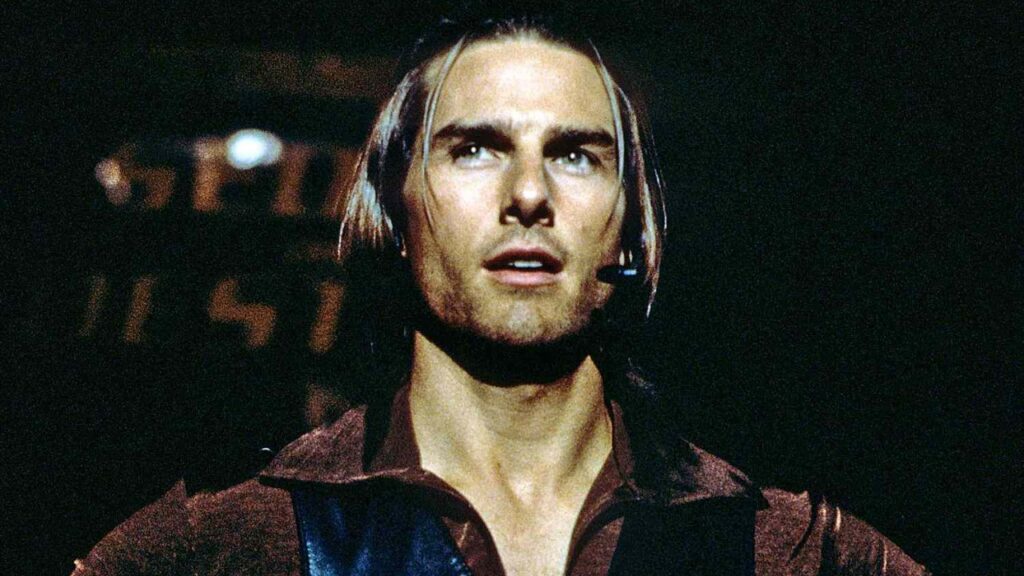
Around the same time he gave up on ‘Fallen Angels‘, Cruise quietly changed his thinking. He famously said no to a sequel for ‘Interview with the Vampire‘. Director Neil Jordan said Cruise refused to play Lestat again simply because “he wasn’t doing sequels” back then. That rule eventually went away, obviously, because ‘Mission: Impossible‘ is built on sequels. But the idea behind it stuck. Cruise realized that directing is slow and requires a lot of teamwork. What he really wanted was speed and total control.
By the early 2000s, he stopped looking for big-name directors and found Christopher McQuarrie instead. McQuarrie is the hidden engine of Cruise’s career, the writer and director who carries out Cruise’s vision so well that the two now basically work as one person.
The Lesson That Still Shapes Tom Cruise’s Career
Cruise did not stop directing because he could not do it. He stopped because that one TV episode taught him something important: the slow pace of the director’s chair was a trap. One producer who worked with Cruise in the 90s told crew members, “Sitting in a video village watching a monitor is boring.”
By walking away from the director title, Cruise permitted himself to do the job of directing without the label. He runs every ‘Mission: Impossible‘ movie, works the cameras, sets the rhythm, but he does not have to take the “Directed by” credit because McQuarrie handles the logistics. It is a perfect Hollywood workaround.
Now, as Cruise gets ready to shoot a movie with Oscar winner Alejandro González Iñárritu, the lesson from ‘The Frightening Frammis‘ still holds up. He is fine with letting someone else hold the clapperboard. Tom Cruise did not fail as a director. He just figured out that the best way to run a movie set was to let another person sit in the big chair, while everyone on set knows exactly who is really in charge.
You might also want to read: Dougray Scott Will Always Blame Tom Cruise For Losing ‘Wolverine’ To Hugh Jackman