‘In the Heat of the Night‘ delivers one of the moments that changes how the entire story is remembered. By the time it happens, the film has already established who Virgil Tibbs is: a skilled detective who continues doing his job even when he is constantly questioned and made to feel out of place.
When Tibbs is suddenly slapped during an investigation and responds instantly by slapping back, it does not feel staged or exaggerated. The reaction feels very instinctive. But many viewers don’t realize that this response was not part of the original script.
The Situation That Led To The Iconic Slap in ‘In the Heat of the Night’
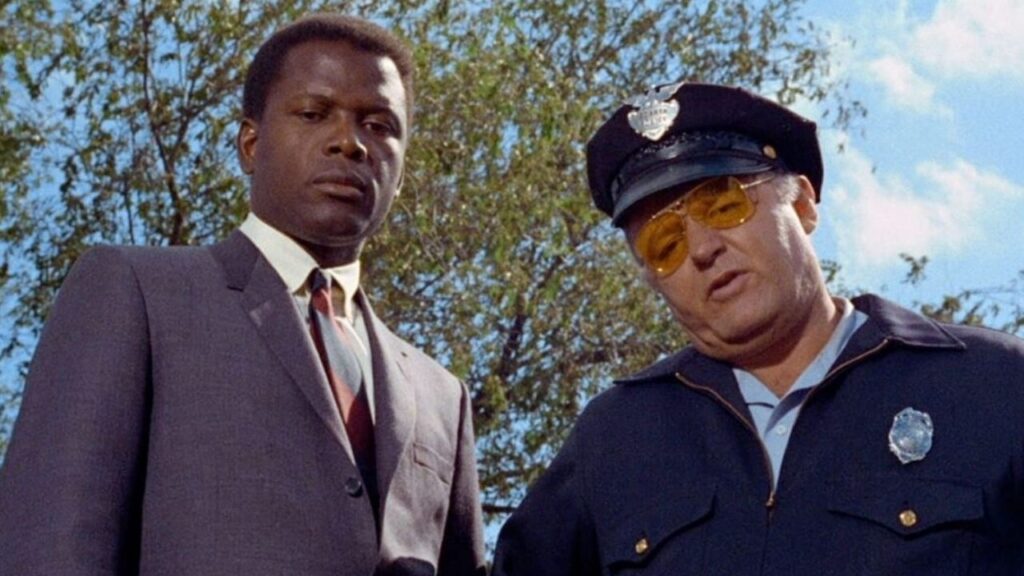
The story follows Tibbs, a homicide detective from Philadelphia, who becomes involved in a murder case in Sparta, Mississippi. His ability to read the case becomes clear very early, yet that does not earn him acceptance among the local officers. Chief Bill Gillespie openly questions his presence and struggles to accept his authority.
Related: 25 Celebrities Who’ve Opened Up About Facing Racism
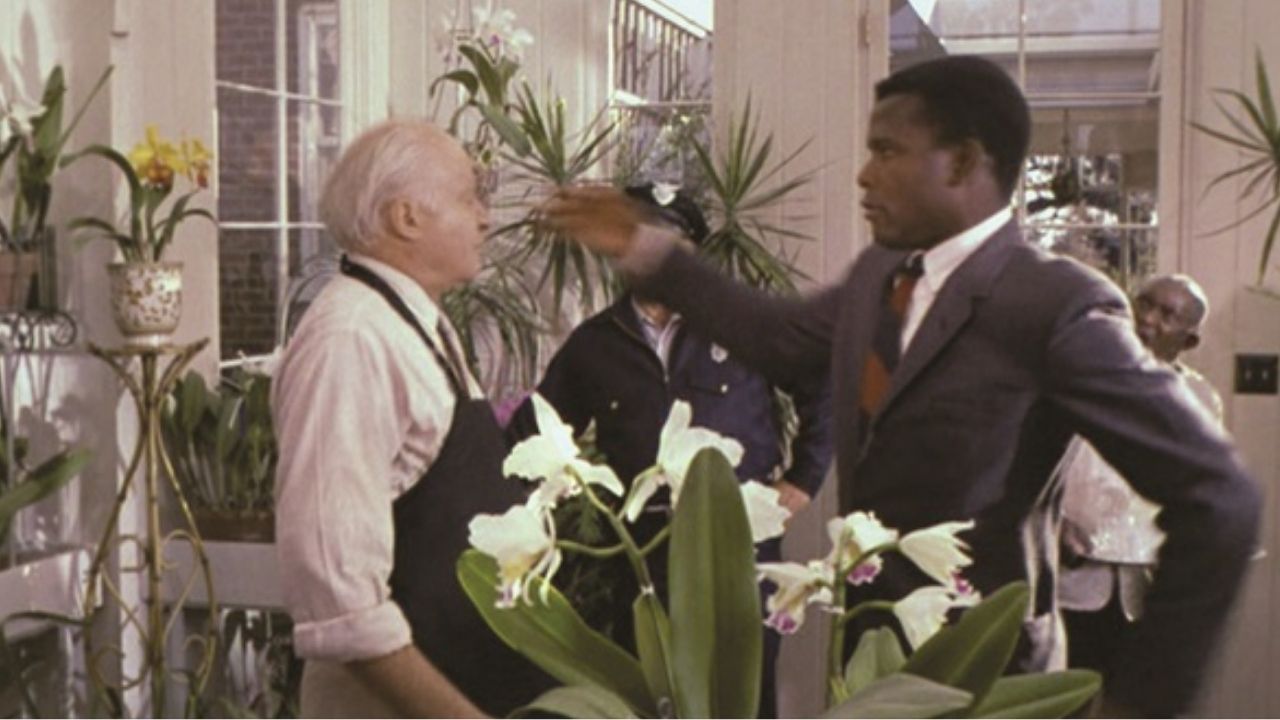
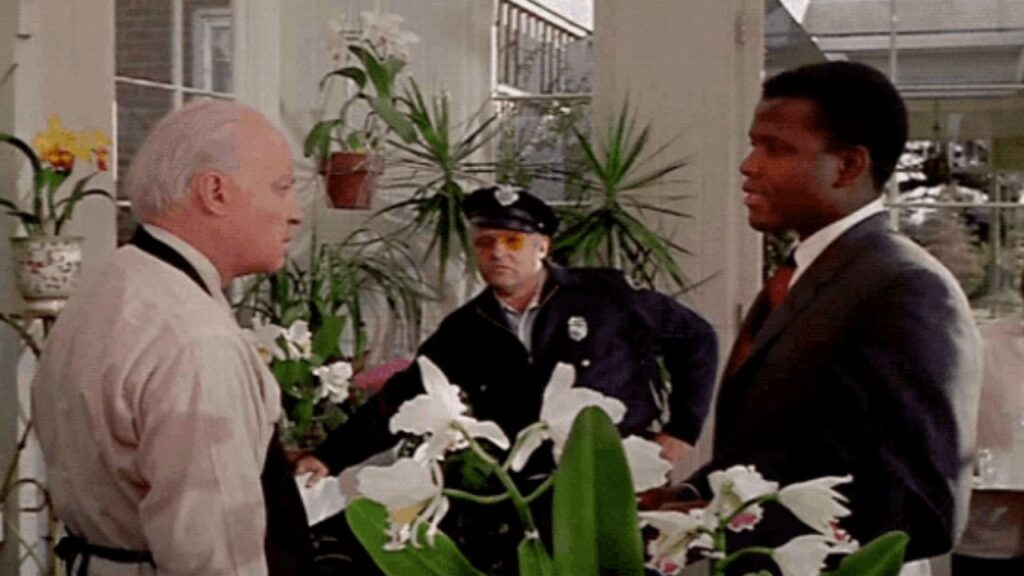
Tibbs continues to move forward without reacting to any of this. He sticks to the facts and keeps the investigation on track. As the case develops, Tibbs and Gillespie question several people connected to the crime, including Mr. Endicott, a wealthy plantation owner accustomed to being treated with respect and authority.
The visit to Endicott’s estate sets the stage for the moment everyone remembers. The conversation quickly becomes more personal, and it is clear that Endicott is not used to being questioned in this way. During the exchange, he suddenly slaps Tibbs.
Without any pause, Tibbs slaps him back. The room falls silent, and the balance of authority changes in that instant. Endicott does not strike again. Instead, he delivers a line about how things would have been handled differently in the past.
The Slap That Wasn’t in the Script
The scene that made the film famous was not originally written the way audiences see it today. Before agreeing to the role, Poitier made his position clear. His character would not stand still after being struck. He later explained that showing Tibbs accepting that action would have felt insulting, especially during that time.
In case you missed it: Classic Movies We Bet Will Make You Love Black-and-White Cinema
Jewison supported that decision and encouraged a response that felt immediate and real. When the scene was filmed, the reaction surprised the actors, including Larry Gates and Rod Steiger. That surprise remains visible on screen, adding to the moment’s impact.
That single reaction gave the film a lasting place in cinema history. The scene did more than move the story forward. It showed a direct response that spoke for itself without needing long dialogue or explanation.
Over the years, the moment became widely discussed and reached audiences worldwide. Director Jewison later shared that Nelson Mandela had heard about the scene while he was in prison, especially because it had been censored. When he eventually saw it, he felt that such a moment would not have been allowed in South African films at the time.
You might also like to read: 10 Best Movies About Nuclear War We Think Everyone Should Watch