

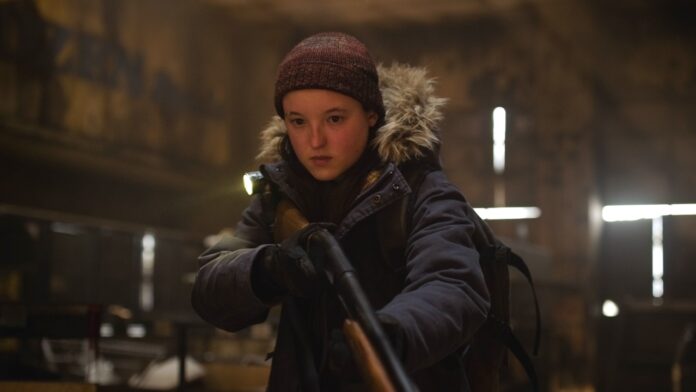
When ‘The Last of Us‘ returned for its second season, it reopened the wounds. For many fans, the new episodes felt heavier, more personal, and at times almost unbearable. The moral lines grew even more blurred. And no one understands that impact better than Ashley Johnson.
As someone who has been part of ‘The Last of Us‘ universe from the very beginning, Johnson has watched the story evolve from a beloved video game into one of television’s most talked-about dramas. So when Season 2 launched, she wasn’t surprised by the reaction. In fact, what she observed is exactly the reason this debate won’t be dying anytime soon.
Ashley Johnson Addresses ‘The Last of Us’ Season 2 Backlash Head-On
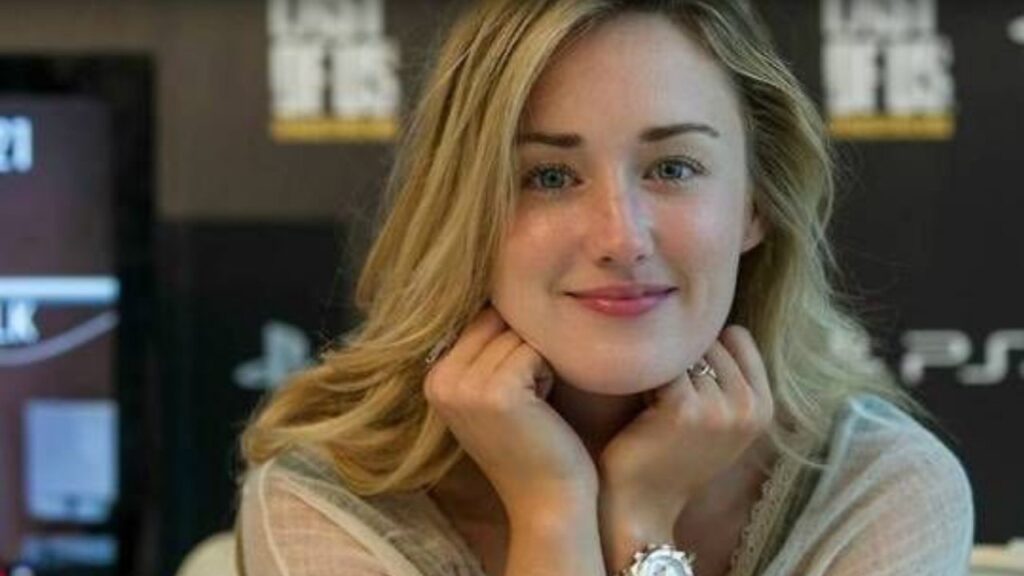
While promoting ‘The Mighty Nein‘, Ashley Johnson spoke about the criticism aimed at ‘The Last of Us‘ Season 2. Johnson originally voiced Ellie in ‘The Last of Us‘ and later in ‘The Last of Us Part II‘, long before HBO brought the story to television with stars like Pedro Pascal, Kaitlyn Dever, and Gabriel Luna.
Related: ‘The Last Of Us’ Season 2 Finale: Why We Only Got Half The Story
Johnson acknowledged that backlash is nothing new for this franchise. When The Last of Us Part II launched, it also faced heavy pushback from players who objected to certain creative decisions. Now, Season 2 of the HBO series has encountered loud criticism for different reasons, particularly as the story moves toward an older Ellie and a revenge-driven plot.
Reflecting on those reactions, Johnson said she understands where the passion comes from. She explained that people deeply love this story, she included herself in that group, and described the fan base as “very, very passionate.” She admitted that sometimes that passion feels wonderful, and other times it doesn’t. Still, she emphasized that she understands what it’s like to love something so much that you want it to align exactly with your own vision.
The Revenge Arc That Changed Everything
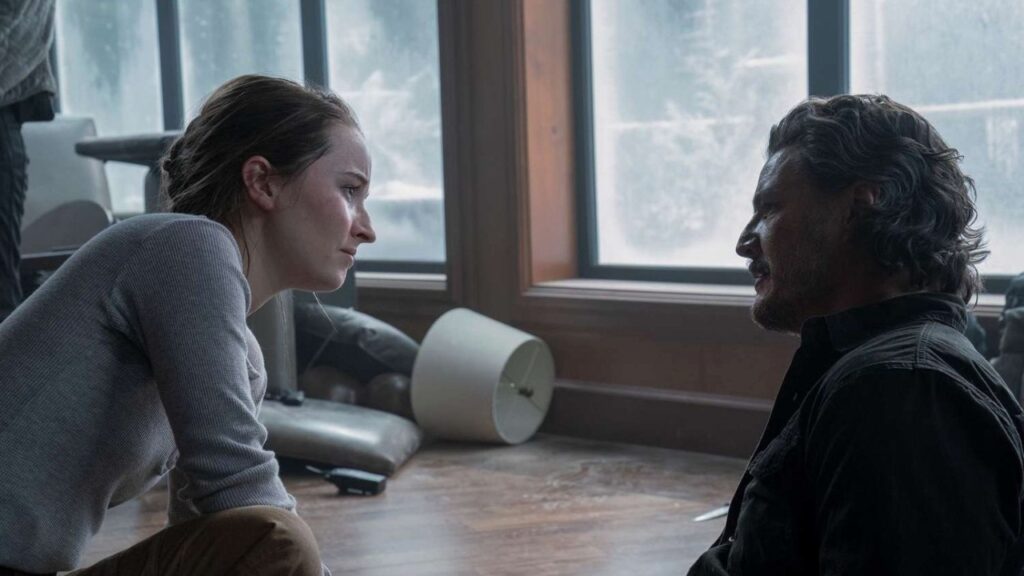
Much of the backlash centers on how Season 2 handles Ellie’s transformation. In ‘The Last of Us Part II‘, Ellie embarks on a relentless revenge quest after suffering a devastating loss. Players watch her slowly unravel, turning away from people she loves as anger and grief take control. The game presents that descent in a gradual, deeply immersive way.
In case you missed it: ‘The Last Of Us’: Ellie Voice Actor Ashley Johnson Reveals How She Feels About Bella Ramsey’s Performance As The Character
The HBO series also ages Ellie up and shifts the tone significantly. However, some viewers felt the transition to her darker mindset was more abrupt than in the game. Around two-thirds of the way through the season, the emotional shift felt sudden to some fans. That difference reignited earlier complaints about casting and characterization, particularly regarding Bella Ramsey’s portrayal.
Ramsey’s casting had already sparked debate before Season 1 aired. A portion of the gaming community argued that she did not match their personal vision of Ellie. Yet when Season 1 premiered, many critics praised her performance, and much of that early skepticism faded.
Season 2 reopened the conversation because the story itself demands more from Ellie. It presents her at her darkest, most conflicted stage. That move challenges audiences. It forces them to confront a version of the character that is harder to root for and more uncomfortable to watch. Johnson seems to recognize that this discomfort lies at the heart of the backlash.
Johnson also spoke about the difficulty creators face when their vision does not fully align with audience expectations. She explained that when you make something, you pour passion into it and hope the audience’s love will meet yours in the same place. Sometimes it does. Sometimes it does not. And that can be hard.
Anyone who works on a project wants people to like it, and ideally to love it just as much as they do. But adaptations add another layer of complexity. The HBO series does not replicate the PlayStation games scene-for-scene. It reinterprets them for a different medium, which means changes in pacing, tone, and emotions.
Fans who experienced Ellie’s journey interactively through gameplay may feel the television version is different. It looks different. It sounds different. Johnson does not see that difference as a failure. Instead, she embraces the story in every form. She said she loves ‘The Last of Us‘ across all mediums and feels grateful to help tell that story, no matter how audiences respond.
You might also like to read: ‘The Last Of Us’: Why Did Joel Kill Marlene?