Hollywood has made visible efforts to include Asian characters over the years, but representation hasn’t always meant accuracy or respect.
In many cases, these portrayals have sparked criticism for relying on stereotypes, cultural misunderstandings, or shallow character development. As conversations around diversity and authenticity have grown stronger, these examples continue to be revisited and questioned.
10. Raj Koothrappali’s Stereotypical Personality In ‘The Big Bang Theory’
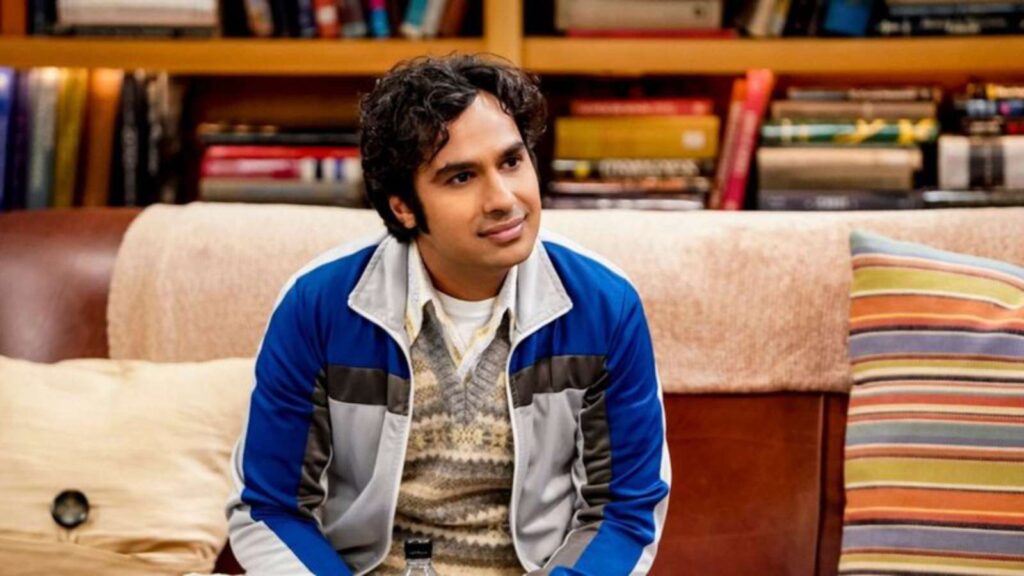
He seemed like a welcome step for South Asian representation on American television. However, many viewers and critics argued that ‘The Big Bang Theory‘ relied too heavily on outdated stereotypes while writing his character.
While he became more confident over the years, critics felt the show rarely afforded him the same personal growth or satisfying romantic storylines as the other main characters. As a result, Raj remains one of Hollywood’s most debated portrayals of a South Asian character on television.
9. The Whitewashing Of The Ancient One In ‘Doctor Strange’
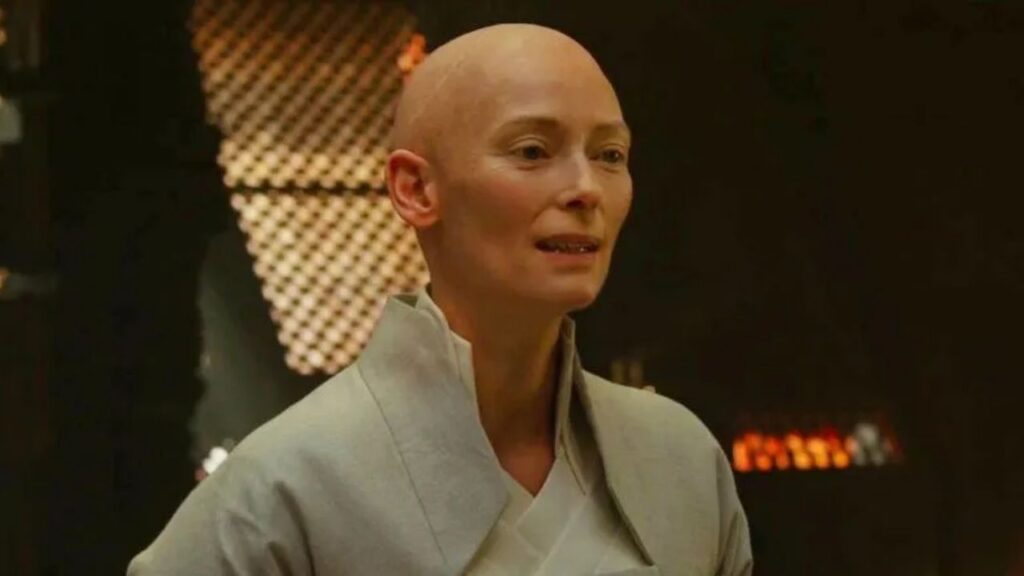
One of Marvel’s biggest casting controversies came with ‘Doctor Strange‘. In the comics, the Ancient One is an elderly Tibetan man. However, the film changed the character into a Celtic woman played by Tilda Swinton. The decision immediately sparked backlash.
Marvel explained that it wanted to avoid the outdated “wise old Asian master” stereotype and also avoid political issues surrounding Tibet that could affect the film’s release in China. Still, many critics argued that replacing an Asian character with a white actor was not the right solution.
8. Cho Chang’s Lack Of Credibility In ‘Harry Potter’
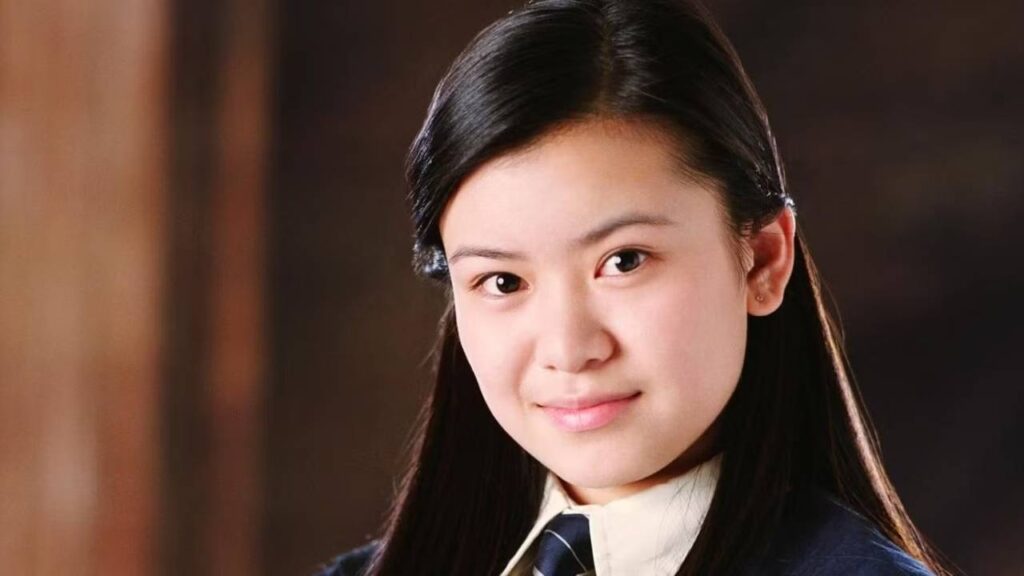
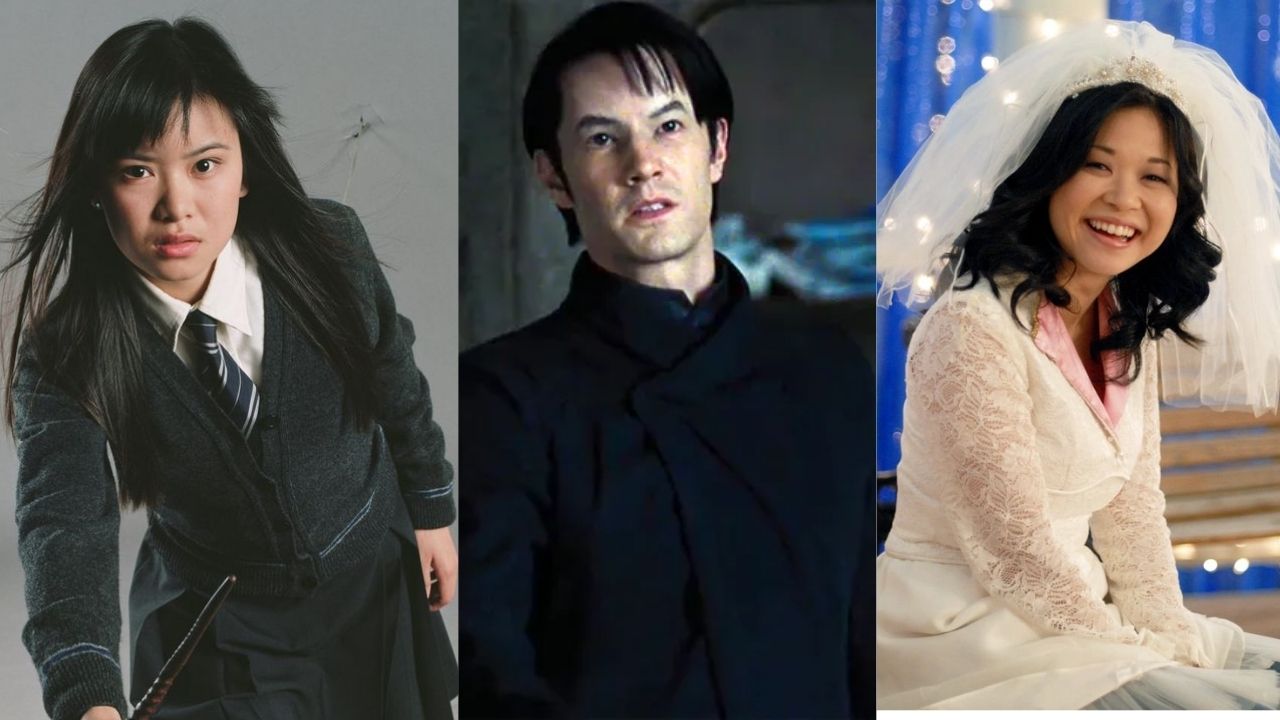
Cho Chang’s role in ‘Harry Potter‘ became controversial because many felt her East Asian representation lacked depth and authenticity. Her name, a mix of “Cho” (Korean) and “Chang” (Chinese), was seen as poorly researched. Besides, the stereotypes her character has are very frustrating: a quiet, studious Ravenclaw student with very little character development.
Related: ‘Harry Potter’: Did Cho Chang Betray Dumbledore’s Army In The Books?
7. The Name Controversy In ‘How I Met Your Mother‘
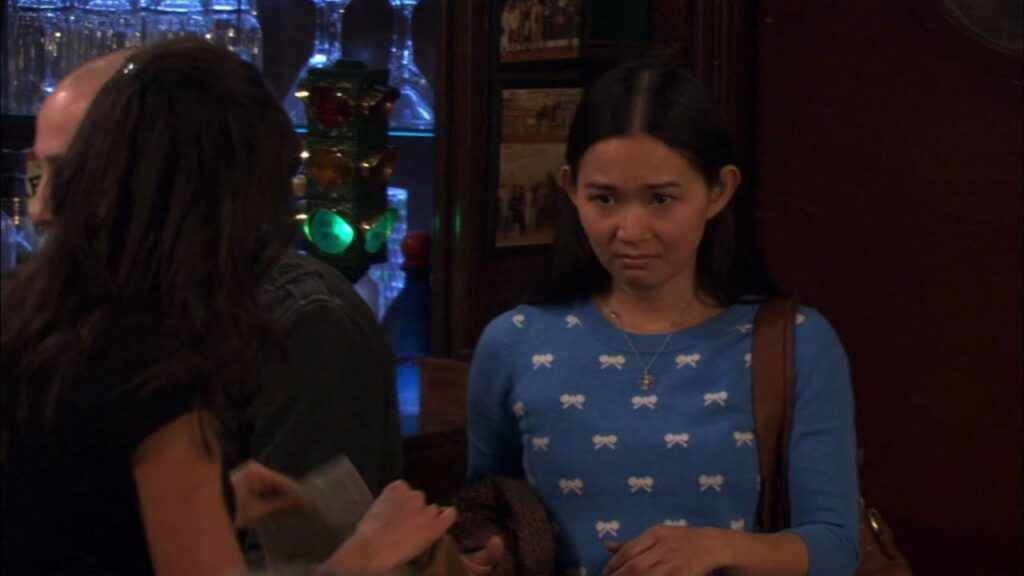
‘How I Met Your Mother‘ has often been criticized for humor built around insensitive themes, including the use of yellowface in its “Slapsgiving” gag. One moment that frequently resurfaces online is the “Cook Pu” scene, in which a character’s Asian name becomes the punchline of an extended joke.
In the scene, Ted reads the name “Cook Pu” and immediately assumes it’s fake, and then laughs at it. He continues joking about it, only for a student to reveal that she is actually present. Even after this, the humor continues, as Ted’s friends defend him by making further jokes about the name.
In case you missed it: 10 Standout South Asian Characters In Modern Film And Television
6. Long Duk Dong’s Unusual Mannerisms In ‘Sixteen Candles’
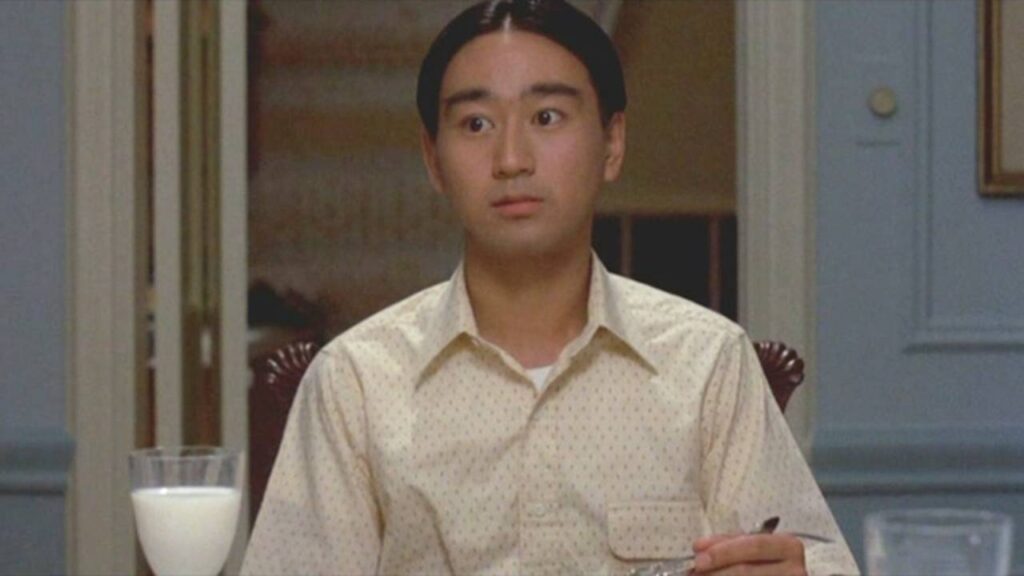
Dong in ‘Sixteen Candles’ was introduced as a foreign exchange student. But his character was built solely on exaggerated stereotypes. His unusual name, accent, and mannerisms became the punchline of the joke. The worst part is that the film even plays a gong sound whenever he appears on screen.
In later interviews, Gedde Watanabe, who played the role, acknowledged that although he was simply trying to make audiences laugh, he had not fully realized how the portrayal might negatively affect Asian viewers.
5. Exaggerated Stereotypes Of Ping in ‘The Office’
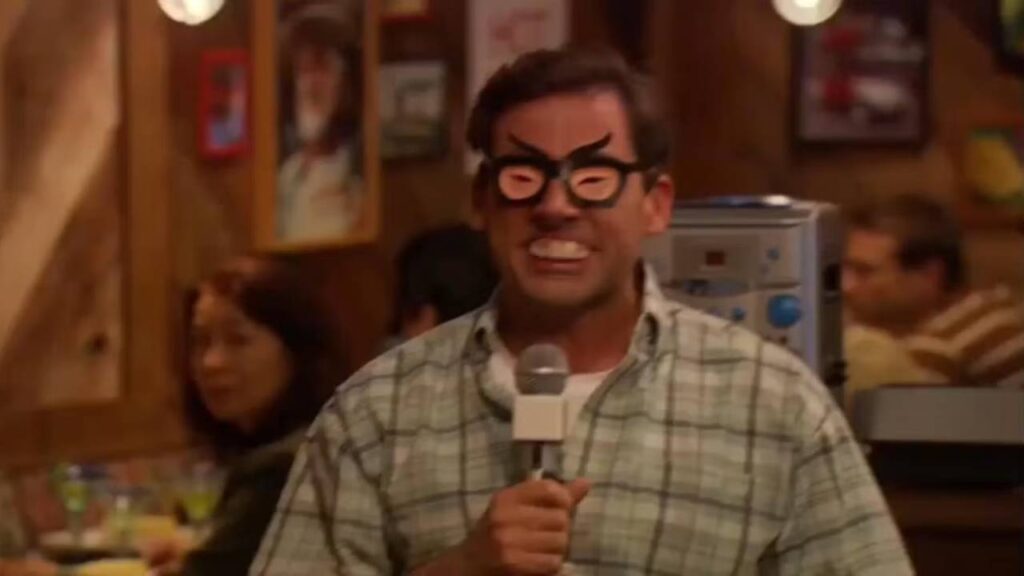
‘The Office‘ is known for its awkward and cringeworthy humor, but one scene pushed all the limits. Michael Scott supposedly based the character of Ping on his favorite Chinese food delivery guy.
The impression relied entirely on exaggerated Asian stereotypes and mannerisms. Even though he appeared in only three episodes, Ping’s caricature of Asian identity became the central joke, leaving Asian audiences feeling uncomfortable.
4. The Weird Yellowface Makeup In ‘Cloud Atlas’
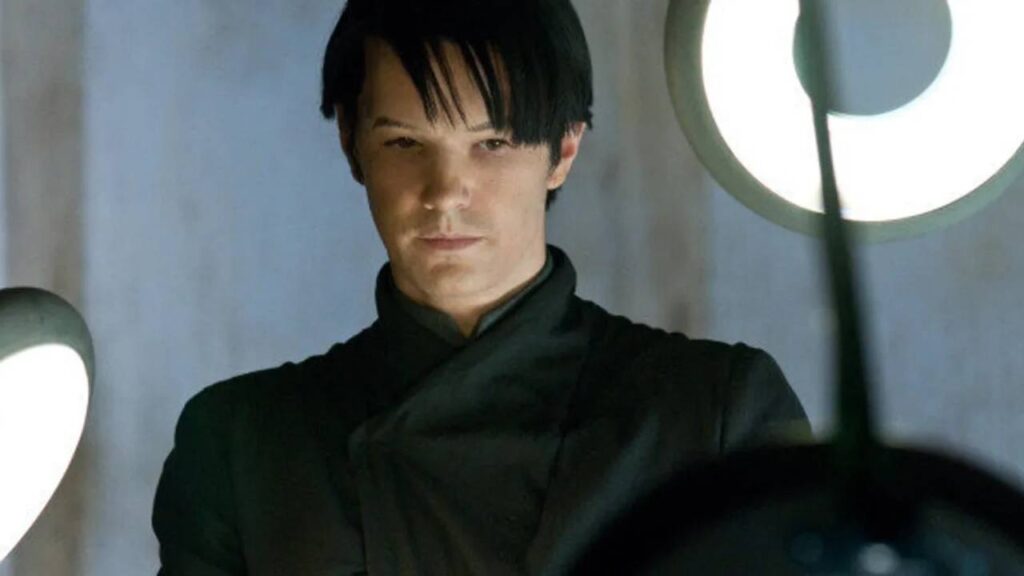
‘Cloud Atlas‘ spans multiple timelines and follows characters of various races and genders. Yet one storyline set in Neo Seoul got the most heat for how it portrayed the Asian characters.
There, we saw actors like Jim Sturgess and Keith David wearing makeup to appear Asian. And what drew widespread criticism was that this transformation relied primarily on altering the actors’ eyes. This use of heavy prosthetics and makeup was widely condemned as lazy and inexcusable.
3. The Overly Sexualized Japanese Schoolgirls In ‘Austin Powers‘
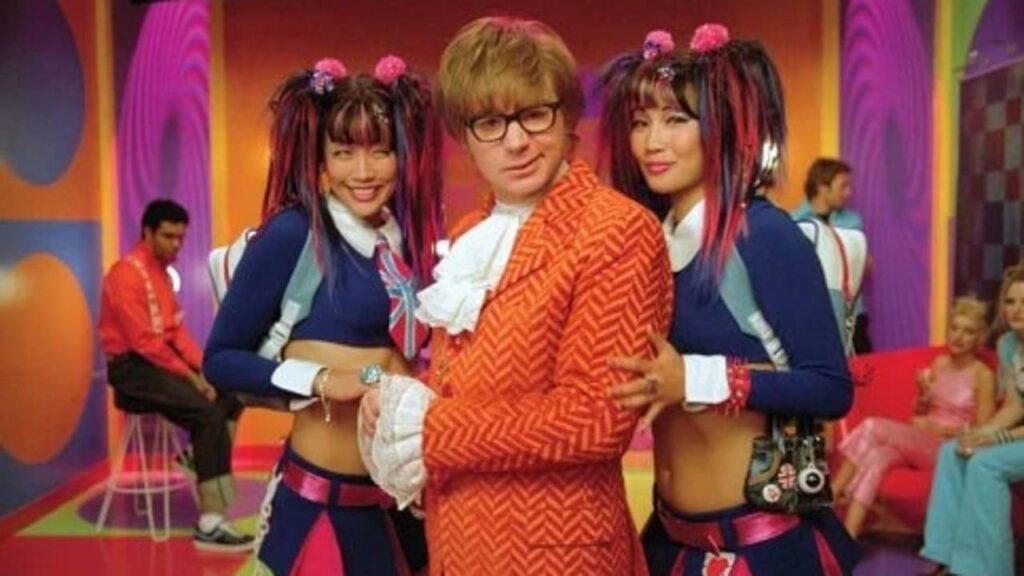
In ‘Austin Powers in Goldmember’, we see Yu and Mi, a pair of Japanese twin schoolgirls. But you’ll be surprised to know that the roles were actually played by Ann Inaba and Diane Mizota, who weren’t even twins.
The characters relied on exaggerated accents and stereotypes, were heavily sexualized, and served as comic relief. Ironically, the names have roots in Cantonese words that are loosely translated as “lucky rice” and “lucky rain.” But obviously, the film only saw it as a joke.
2. The Stereotypical Behavior Towards Annyong In ‘Arrested Development’
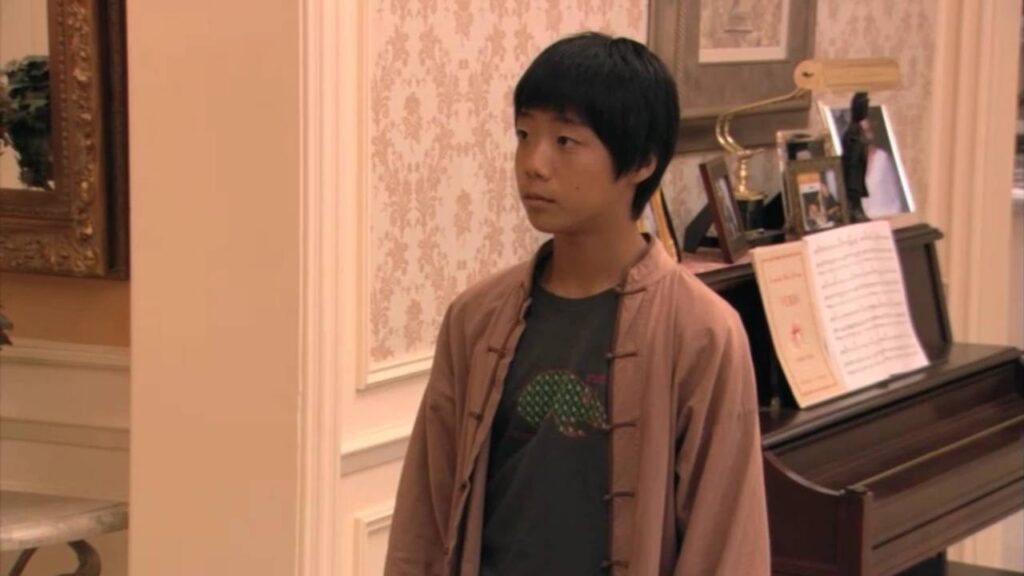
In ‘Arrested Development’, the character of Annyong Bluth’s real name is Hel-loh. He greets the family using the Korean word for hello, “Annyong,” and they assume it is his real name and continue calling him that. This becomes a running gag throughout the series, reducing him to a single stereotype defined by this one joke.
1. The Constant Mistakes Of Lane Kim’s Identity & Culture in ‘Gilmore Girls’
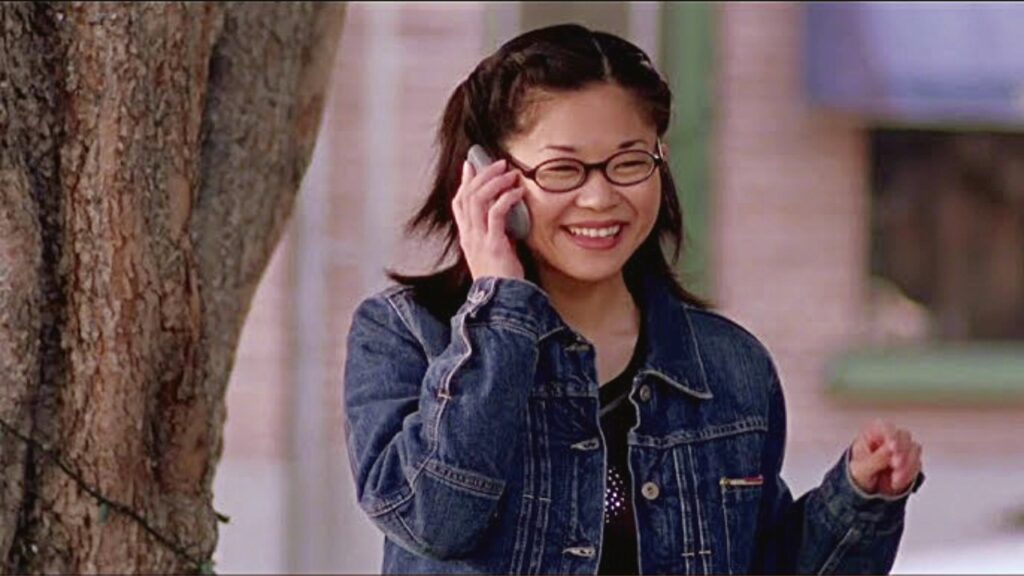
‘Gilmore Girls‘ is often praised for its characters, but its portrayal of Korean culture through Lane Kim included several inaccuracies. In the wedding scene, a bride claims she has never seen her husband, reflecting an outdated version of arranged marriage that hasn’t been common in Korea since the 1930s–40s.
In fact, Mrs. Kim setting Lane up with Korean boys also feels misplaced, as Korean parents typically prioritize academics over matchmaking, especially for teenagers. Besides, Kyon’s character also contributes to the issue, as he has an inauthentic accent and an exaggeratedly naïve personality, including not knowing basic foods like fries.
You might also like to read: ‘Gilmore Girls’ Actually Failed Lane Kim