
‘Game of Thrones‘ was at its best when its characters felt like complicated, emotional people capable of making terrible decisions. The show knew that intelligence does not equal wisdom, and some of its best moments were when characters walked straight into disaster due to a lack of understanding of those around them.
Unfortunately, as the series went on, many of its characters became too smart. They began to make decisions that appeared to advance the story, not decisions that would have been made by them originally. That change was one of the biggest downfalls of the later seasons.
Early ‘Game Of Thrones’ Seasons Understood That Intelligent People Make Mistakes
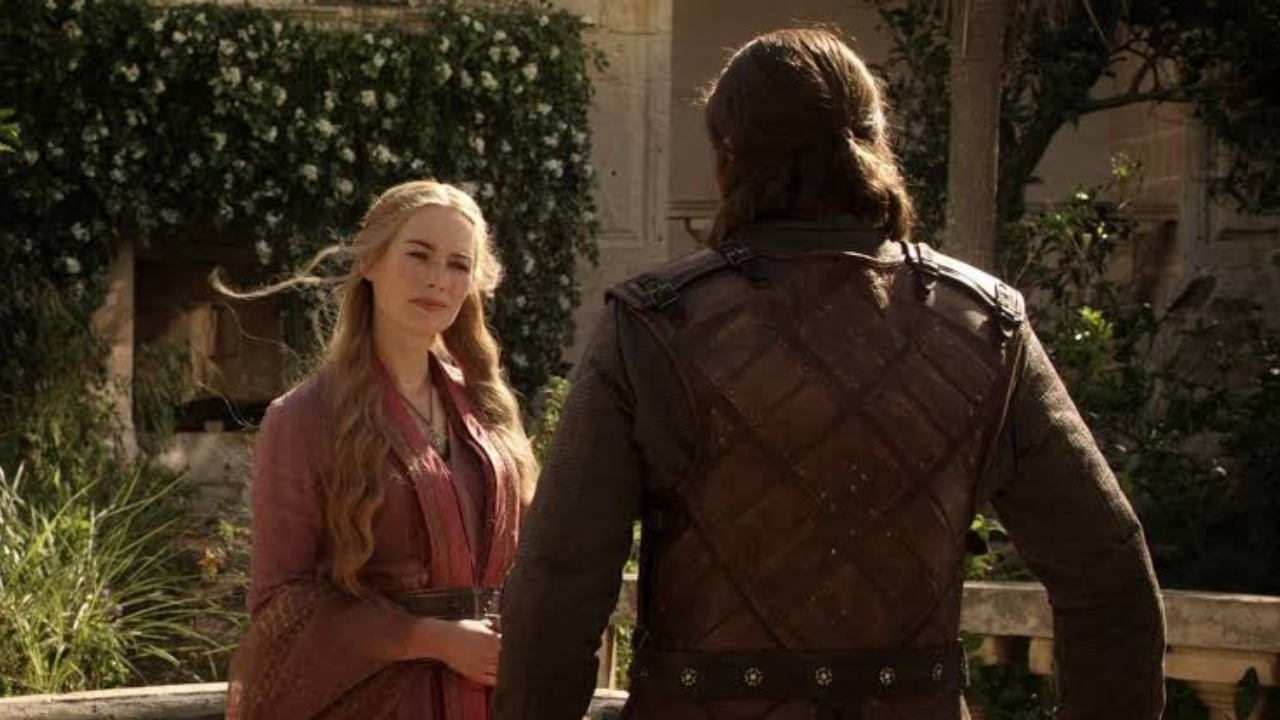
Take a look at Ned Stark in Season 1. He is honorable, experienced, and not stupid at all. However, his fixed idea of what is right and wrong is what brings him to his downfall. Ned warns Cersei, but does not take action when he finds out that Cersei’s children are bastards.
Related: The Real-Life Civil War That Inspired HBO’s ‘House Of The Dragon’
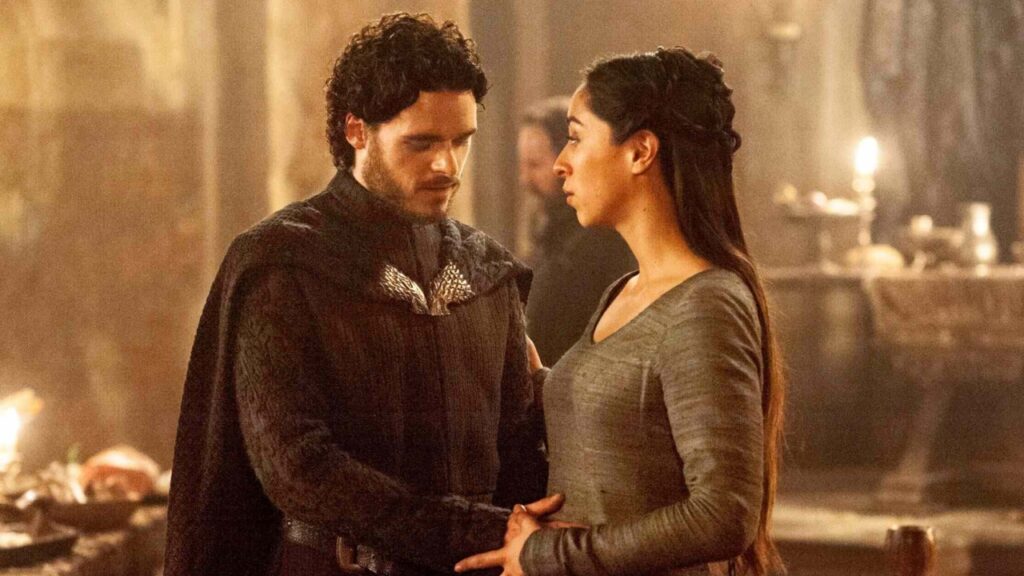
It’s a beautiful, tragic scene because Ned thinks it’s best to give Cersei a chance to save her kids. He is not aware that he is allowing his adversary time to prepare. It’s the same with Robb Stark. He was upset about breaking his promise to House Frey, particularly after all he lost, and chose to marry Talisa instead. However, politically, it was a disaster.
The Red Wedding was successful because Robb became naive. Even Tyrion, one of the smartest characters in Westeros, makes numerous mistakes. His attempt to use Shae, his complicated relationship with Tywin, and his misplaced trust in people demonstrate that intelligence cannot protect someone from emotion.
There’s also Jaime. As he gets closer to Brienne, he is forced to face his new identity. It’s disappointing that he went back to Cersei, but it makes sense because Jaime is emotionally dependent on someone who is known to be destructive. Those are the flaws that gave the characters humanity.
Later Seasons Made Everyone Feel Like Chess Masters
The problem became more obvious as the story approached its conclusion. Those who had previously had trouble making basic political decisions suddenly appeared to have a clear understanding of all the consequences. Discussions turned to exposition about everyone’s intelligence, and there were hardly any real errors.
In case you missed it: 10 Smartest Men in TV History, Ranked
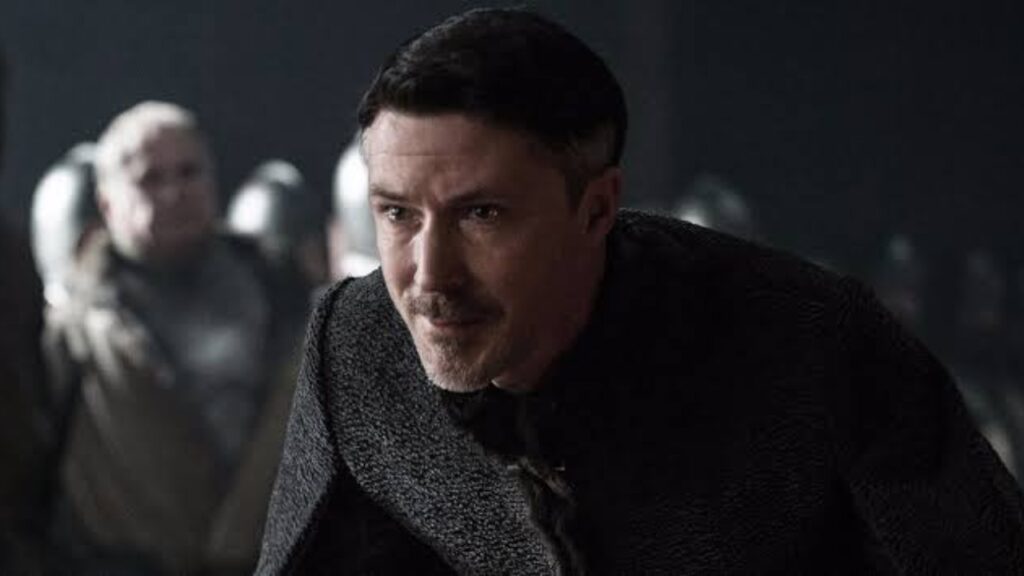
The fall of Littlefinger is a good example of the transition. Petyr Baelish manages to survive in the earlier season, knowing that information is power. He constantly manipulates people who underestimate him. His schemes surrounding Ned Stark and the War of the Five Kings are built around uncertainty.
His behavior towards Sansa and Arya is less convincing, however, by Season 7. Littlefinger lets himself get caught up in a relatively simple confrontation in Winterfell, rather than the slippery manipulator who was always one step ahead. The character, who used to control an entire kingdom, suddenly can’t sense the danger around him.
It’s the same for the final seasons in general. Often the characters know things that they really shouldn’t, travel vast distances with little repercussion, and make decisions with a superhuman awareness of what is happening on the other side of the world.
And perhaps the most obvious is Daenerys. While it’s certainly a tragic turn in her character, her eventual destruction of King’s Landing can be justified. Still, the killing feels abrupt rather than the result of a carefully escalating pattern.
That is what ‘Game of Thrones’ ultimately lost: the feeling that intelligent characters could still be confused, emotional, frightened, and wrong. The early show didn’t have to make its characters look awesome all the time. It made them interesting because it gave them the opportunity to fail.
Which is why Ned’s warning to Cersei, Robb’s broken promise, and Jaime’s relationship with Cersei are so memorable. We understand why these people make their mistakes, even when we desperately want to shout at the screen and tell them not to. And honestly, that is what made ‘Game of Thrones’ feel so painfully real in the first place.
You might like to read: ‘House Of The Dragon’ Fans Are Sleeping On The Greatest Daemon In Targaryen History