After ‘Sex and the City‘ ended its celebrated run in 2004, television networks rushed to recreate that same formula: a single woman, a big city, a complicated love life.
ABC stepped in with what it believed could be the perfect successor, casting Heather Graham in a fresh, romance-driven series packed with sass and self-discovery, but what looked like a promising replacement quickly turned into one of the most short-lived experiments in TV history, vanishing almost as soon as it arrived.
When ABC’s Bold Plan To Replace ‘Sex and the City’ Backfired

In early 2006, ABC faced a scheduling gap created by Monday Night Football, which left the network searching for a winter and spring replacement. Executives slotted in ‘Emily’s Reasons Why Not‘, confident that its “girl-power” energy and ensemble cast could attract viewers who once loved ‘Sex and the City.’
Related: Top 10 Most Iconic On-Screen Female Friendships
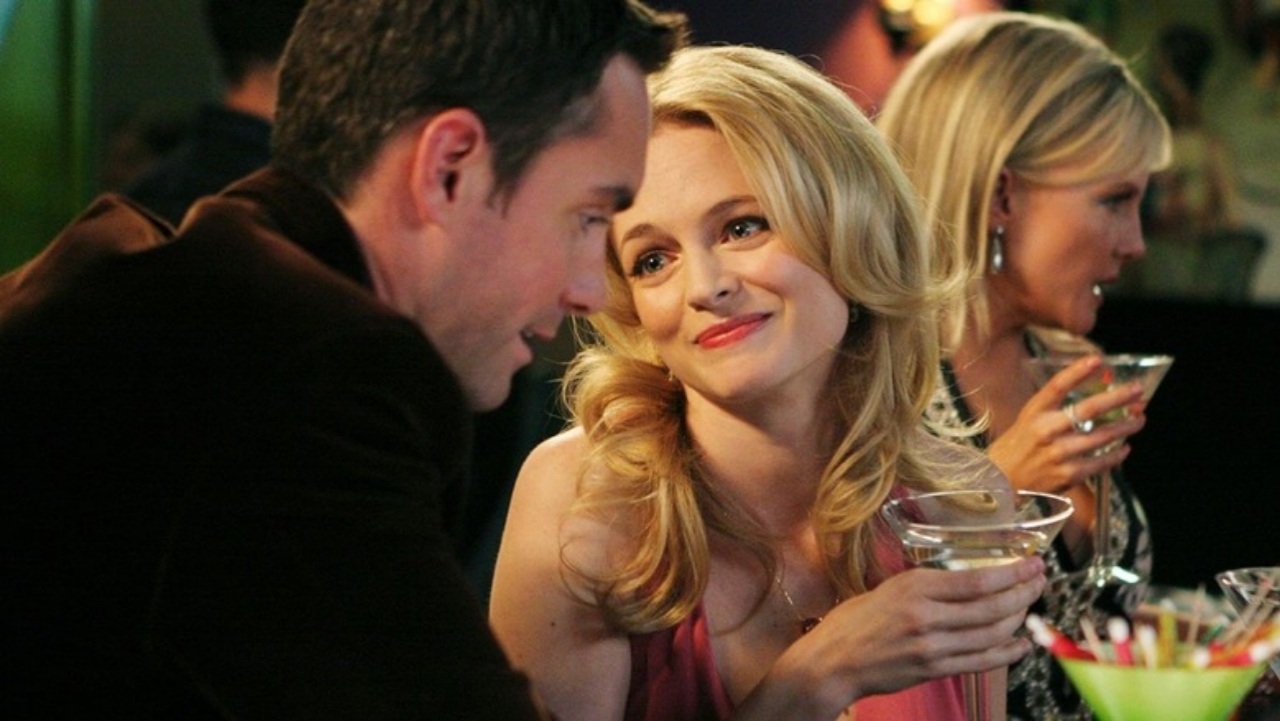
Heather Graham led the series as Emily Sanders, a self-help book editor whose therapist encourages her to write lists explaining why her past relationships failed.
The concept mirrored the introspective dating chaos that made ‘Sex and the City‘ a cultural force. ABC expected audiences to embrace another neurotic, single career woman navigating romance in the city.
But the comparison quickly worked against it. Instead of feeling bold or fresh, the show came across as the complete opposite of its HBO inspiration; sanitized, shallow, and stripped of any edge. Viewers did not even get a chance to see it grow. ABC pulled the plug after just one episode and gave Graham’s would-be franchise no room to breathe.
‘Emily’s Reasons Why Not’ Formula Fell Flat

The biggest problem was how far the show drifted from what made ‘Sex and the City‘ work in the first place. Instead of bold storytelling, ‘Emily’s Reasons Why Not‘ played it safe. It lacked both depth and awareness.
In case you missed it: Sarah Jessica Parker Tried To Ditch ‘Sex And The City’ Before The Pilot Aired As TV “Depressed” Her
Heather Graham’s performance didn’t help. While she focused on Emily’s quirky personality, it often came across as overly spacey and distracting. Her dating struggles, which should have felt relatable for an adult audience, ended up seeming almost juvenile; more suited to a high school storyline than a grown woman navigating real relationships.
Because the show aired on network television, it couldn’t explore sexuality or relationships with the same honesty as its HBO predecessor. Instead, it leaned heavily on jokes and stereotypes.
In the pilot episode, Emily becomes convinced that her Mormon boyfriend might be gay, a gag that runs through nearly the entire episode. Rather than building clever humor, the show stretched this single joke so far that it quickly lost its impact.
ABC tried to replicate the sparkle of ‘Sex and the City‘. But by sanding down the sexuality, softening the humor, and leaning on stereotypes, the show erased its own identity. So, instead of becoming the next era’s defining single-woman comedy, Heather Graham’s ‘Sex and the City‘-style series collapsed before it even had a second week on air.
You might also like to read: Cynthia Nixon Recalls Being Called “Gay Men In Disguise” When ‘Sex And The City’ Premiered In 1998