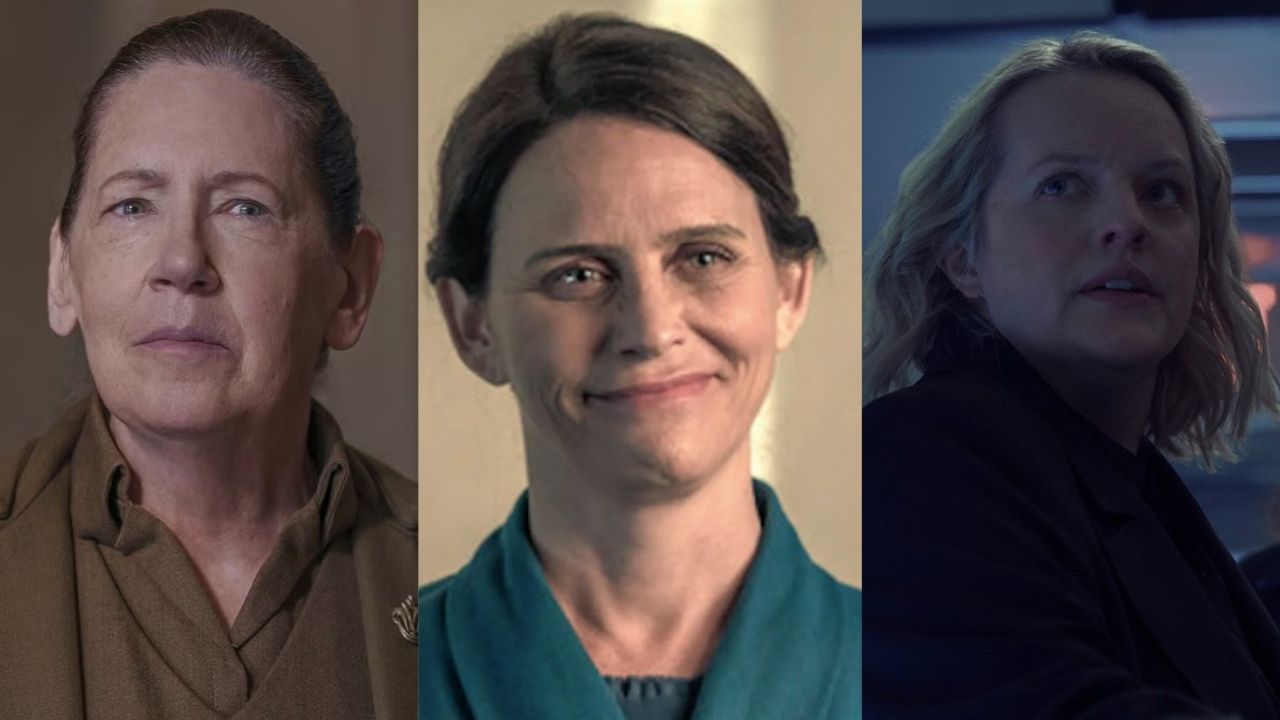
When ‘The Testaments‘ was first announced as a follow-up to ‘The Handmaid’s Tale‘, fans expected a faithful continuation of Margaret Atwood’s chilling world. But with its transition to the screen, the story has taken some bold creative turns.
The TV adaptation has changed timelines, reworked character arcs, and introduced subtle yet impactful changes to better fit the ongoing universe. Here are five key ways the show diverges from the book.
1. The Show Doesn’t Jump 15 Years Ahead Like the Book

One of the biggest differences is the time period in which the story takes place. In the book, events begin 15 years after ‘The Handmaid’s Tale‘. But in the TV version, the story continues just four years after the original series ends.
This helps the show stay connected to familiar characters and situations. According to showrunner Bruce Miller, the team wanted to build toward future events gradually rather than jumping too far ahead. This way, viewers can follow the story more easily and stay emotionally connected to what’s happening.
Related: ‘The Testaments’: What Happened to Daisy? Her Backstory and Book Changes Explained
2. The Missing Mother Figure Who Changed Agnes’ Arc in the Book
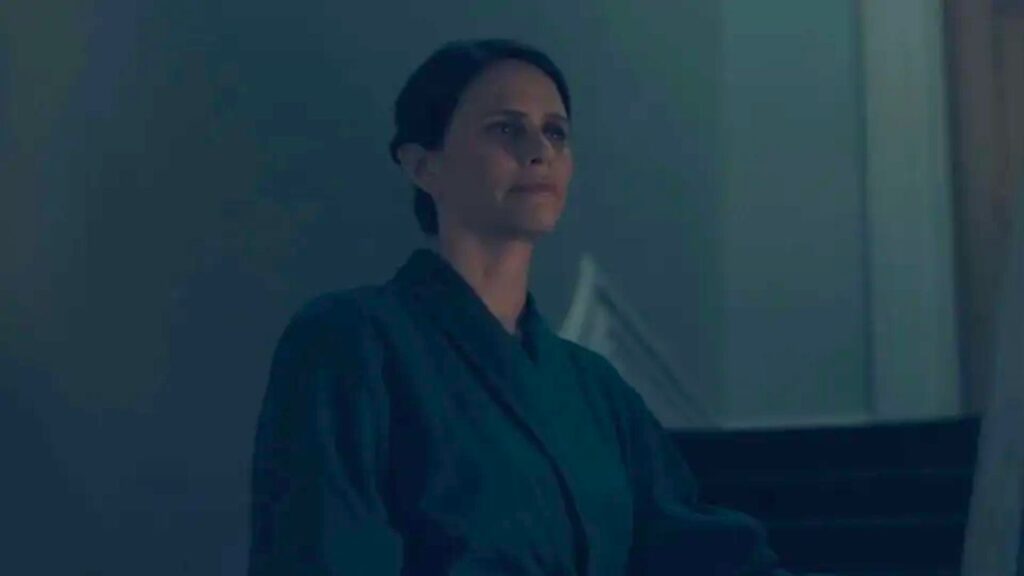
In the book, Tabitha plays a very important role in Agnes’s life. She is her kind and loving adoptive mother, and her presence gives Agnes comfort and stability. After Tabitha dies, Agnes is left in a much colder environment under Paula.
In the show, this part is shortened. Tabitha is mostly remembered through Agnes’s thoughts rather than shown fully on screen. Because of this, their bond is not explored in detail. While we still understand that Tabitha cared deeply for Agnes, the emotional impact of her role feels less intense than in the book.
3. The Truth About Aunt Lydia’s Past Is Not the Same
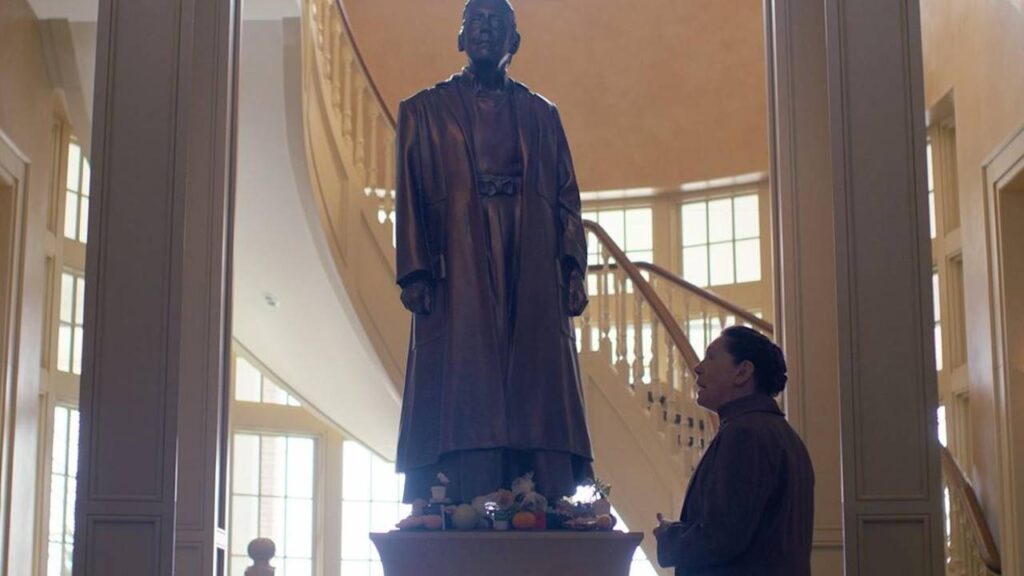
Aunt Lydia is a key character, but her past differs in both versions. In the book, she worked as a judge before Gilead came into power, which explains her authority and strong personality.
In the TV version, her past follows what was already shown earlier. She was a teacher before everything changed. The new series continues with this version through flashbacks. This change helps keep the story consistent, even if it presents a slightly different reason behind her actions and decisions.
In case you missed it: 10 Things To Know Before Watching ‘The Testaments’ If You Haven’t Watched ‘The Handmaid’s Tale’
4. Daisy and Agnes Share A Closer Bond in the Show
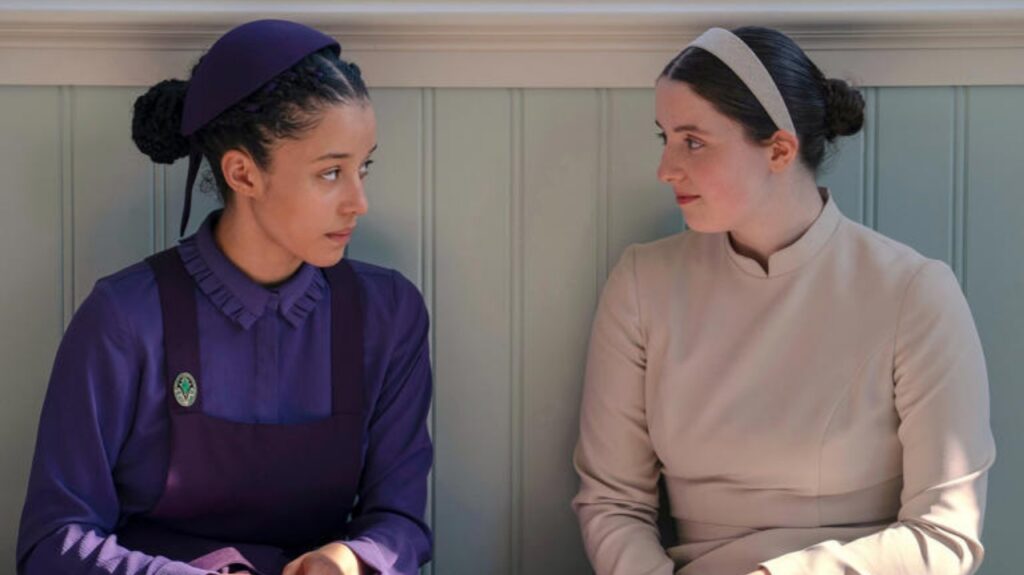
The character Daisy is also handled differently. In the book, Daisy is much younger than Agnes, and their lives are quite separate. By that time, Agnes is older and on a very different path. In the show, Daisy is closer in age to Agnes.
This means they share similar experiences and even spend time in the same environment. Because of this, their relationship feels more balanced and interactive. It also makes the story more engaging, as both characters grow and face challenges together instead of following completely separate journeys.
5. June Osborne Becomes A Bigger Part Of the Story

June has a much larger presence in the TV version compared to the book. In the novel, she only appears briefly at the very end, where she reunites with her daughters. In the show, however, June is actively involved from the beginning.
She supports Daisy after her parents’ death and helps guide her into working with Mayday. While she is no longer the central focus, her presence adds emotional depth and continuity, especially for fans who followed her journey closely in the original series.
You might also like to read: What Is June’s Role in ‘The Testaments’? Elizabeth Moss’ Surprise Cameo Explained