

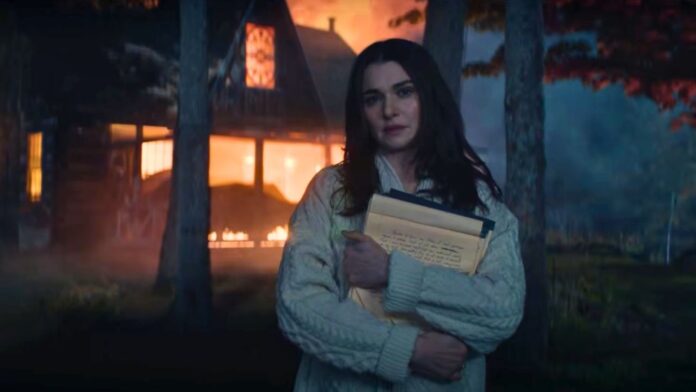
When Netflix adapted ‘Vladimir‘, many readers expected the series to stay loyal to Julia May Jonas’ novel, especially its unsettling and unforgettable ending. After all, the final moments of the book are what leave the strongest impression on readers.
But the series took a different path. Instead of recreating the exact conclusion from the novel, Jonas made a surprising choice in the ending for television. The decision immediately raised questions among fans: why would an author change one of the most crucial parts of her own story? Well, as it turns out, Jonas had a very specific reason for altering the ending.
Julia May Jonas Never Saw ‘Vladimir’ As An Adaptation

The answer lies in how Julia May Jonas approached the adaptation itself. Instead of treating it as a direct recreation of her novel, she saw the television version as an opportunity to reinterpret the story for a different medium.
Related: Top 5 Perfect Book To Film Adaptations
That approach meant the series was never meant to follow the book scene by scene. Jonas believed the story could evolve when told through television, where pacing, tone, and audience expectations often differ from those of a novel.
“I was writing a novel, and that’s what I wanted it to be at the time,” Jonas explained in an interview. “The adaptation, though, became its own project in a way.” Viewing the series as its own project gave Jonas the freedom to rethink certain parts of the story. Some changes were subtle, while others had a much larger impact on the narrative.
The most noticeable differences appear in the story’s final act, where the series gradually begins to diverge from the novel before arriving at a very different ending. However, the changes did not happen randomly. Many of them begin appearing earlier in the final act of the series.
What Changes Did Jonas Make In Netflix’s ‘Vladimir‘
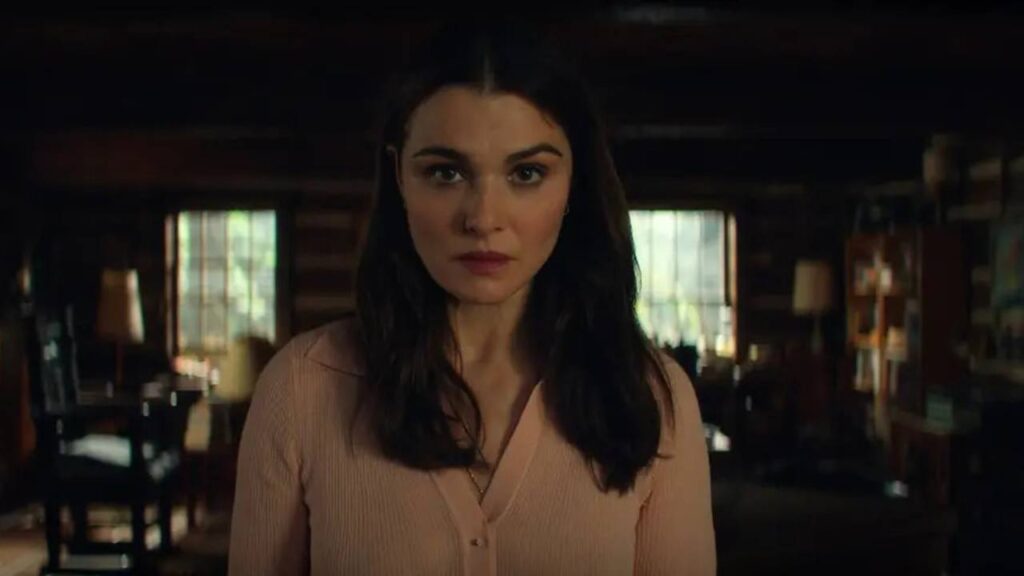
For readers unfamiliar with the novel, ‘Vladimir‘ is about an unnamed middle-aged professor whose life begins unraveling after accusations of misconduct surface against her husband, John. At the same time, she becomes increasingly fascinated with Vladimir, a charismatic younger colleague who has recently joined the university faculty.
In case you missed it: ‘People We Meet On Vacation’ Movie vs. Book: 10 Biggest Differences
As the story progresses, that obsession slowly pushes the narrator toward a tense and uncomfortable confrontation with Vladimir. Their relationship eventually leads them to a remote cabin, where the story reaches its most dramatic turning point.
This final stretch is also where the Netflix adaptation begins to introduce noticeable changes. The series removes more than a dozen pages from the novel’s ending and presents a different outcome, leaving viewers with far more uncertainty than the original story.
Some of the first differences appear in how the trip to the cabin unfolds. In the book, Vladimir willingly agrees to travel to the cabin with the protagonist. The television version, however, changes it. Vladimir initially rejects the invitation, but she eventually persuades him to accompany her. This little adjustment changes the buildup to their confrontation at the cabin.
Another difference emerges when Vladimir openly admits that he has never read any of the protagonist’s novels. However, the series takes a different approach. Instead, Vladimir gives her a copy of one of her books with highlights and handwritten notes, suggesting he carefully studied her work. But the most significant difference between the novel and the series appears during the cabin fire, aka the ending.
The Fiery Ending Reveals The Biggest Changes
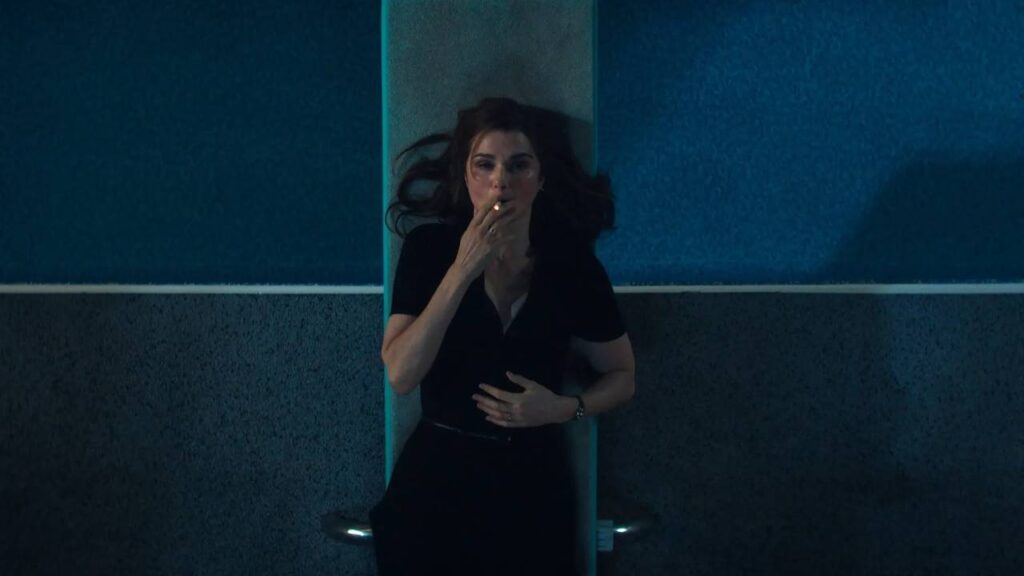
In the Netflix version, the fire erupts near the end of the story, but the consequences take place very differently. Vladimir, John, and the protagonist all appear to escape the burning cabin without suffering serious injuries.
Immediately afterward, the series delivers an ending that never occurs in the novel. Once she makes it out safely, the protagonist breaks the fourth wall and directly addresses the camera saying, “I finish my book about a woman’s obsession with her younger colleague. Vlad writes a book about a tender affair with an older professor. Mine does much better. It speaks to a certain need. Oh, don’t worry. I call 911. Everybody gets out.” Then, she adds, “You don’t believe me?”, cheekily, as the fire consumes the cabin, and that’s it.
Sirens start to ring in the background, and Lizzo’s ‘Truth Hurts’ starts to play. Now it is simply up to the viewer to believe her or not. This is the moment where the narrative is deliberately left unresolved.
In contrast, the novel presents a much more detailed aftermath. Both the protagonist and John suffer severe third-degree burns during the fire. Vladimir stands outside the cabin when the blaze begins and runs inside to rescue them. Recovery takes time, and the couple later spends months in rehabilitation hospitals before purchasing an apartment in Manhattan. Several storylines also continue beyond the fire in the book.
Meanwhile, the protagonist’s writing journey takes a different route. The series shows her saving the notes she writes on notepads and eventually turning them into a novel about obsession. However, in the novel, the only draft of her manuscript, which existed on her computer, burns in the fire, forcing her to begin writing an entirely new book.
The book’s final scene also disappears from the television adaptation. In the novel, one of John’s accusers visits the protagonist’s home, and the two women share a reflective conversation. However, the Netflix series removes that moment entirely and concludes the story immediately after the fire and the narrator’s question to the audience.
By letting the protagonist break the fourth wall and tell her own version of events, the Netflix series ultimately places the final judgment in the viewers’ hands. Instead of offering clear answers, the story allows the narrator to present her version of the truth. In the end, the audience must decide whether she is being honest or simply rewriting the story in her favor.
You might also like to read: 10 Surprising Differences Between ‘The Summer I Turned Pretty’ Books And TV Show