
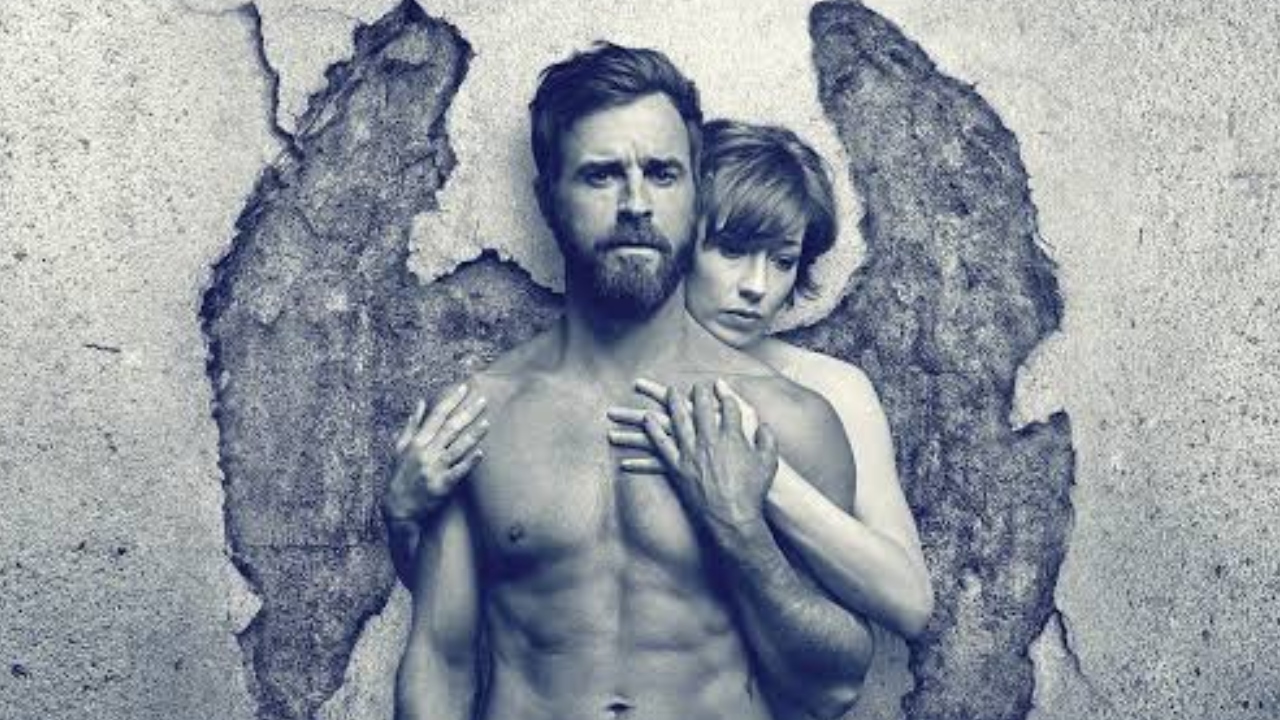
There are many television shows about grief, but few that actually know what it really means. But ‘The Leftovers’ does. The series, written by Damon Lindelof and Tom Perrotta, starts with an impossible situation: 2 percent of the world’s population vanishes without a word.
However, the mystery of where those people went is soon overshadowed by the effect of their absence on those who are left behind.
‘The Leftovers’ Proved That Grief Doesn’t Follow A Simple Story Or Has An Easy Explanation
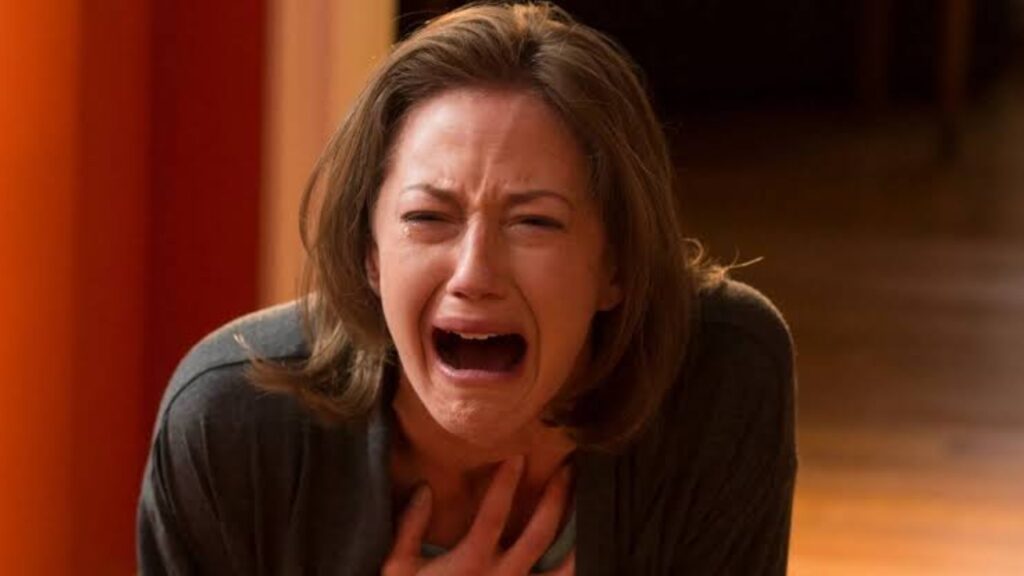
It’s what makes ‘The Leftovers’ so emotionally honest. It never treats grief as something that can be solved. There is no right time, no right place, no magic to make everything better. They just have to continue to live with something they don’t comprehend.
Related: The Real Reason ‘The Leftovers’ Ended After Season 3
Kevin Garvey is introduced as a police chief who is desperately trying to keep Mapleton and himself together. His family has broken apart, his wife Laurie has joined the Guilty Remnant and his son Tommy has vanished from his life. The scene where Kevin confronts Laurie after she returns from the Guilty Remnant is painful precisely because there is no easy emotional release.
He wants to get his wife back, but she has changed into something he can’t recognize. Then there is Nora Durst, whose whole family disappeared during the Departure. ‘The Leftovers’ could have been a simple tragedy, but it’s not. Nora is angry, funny, reckless, vulnerable and sometimes self-destructive.
The scene of her repeatedly picturing her children and husband coming back is heart-wrenching, and not an experience that can be put into words: sometimes grief is not just about crying. Sometimes it’s just a few seconds of pretending it never happened.
The series also realizes that people make up explanations when they are uncertain, as it is easier to deal with uncertainty than a bad answer. The story is full of religion, cults, miracles, conspiracies and supernatural possibilities. Yet the show refuses to tell viewers exactly which explanation they should believe. That uncertainty is the point.
The Ending Understands What The Whole Show Was About
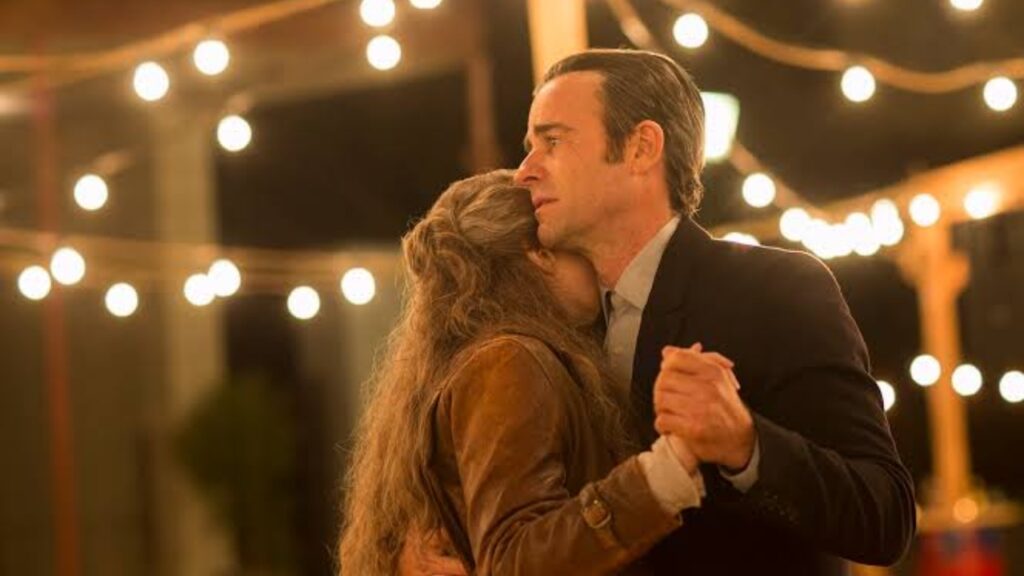
The end, “The Book of Nora,” returns to the emotional query that has lurked throughout the series: How do you live after something unexplainable happens? Nora tells Kevin that she discovered a machine which let her cross over to the world of the departed. She says she found out that the people who vanished lived entirely different lives.
In case you missed it: Before ‘The Leftovers,’ Justin Theroux Turned Down a Sci-Fi Show That Changed TV Forever
The question of whether or not Nora is telling the truth is intentionally left unanswered. That’s why her last words to Kevin are so impactful. Kevin doesn’t ask for proof. He does not question her story. He simply trusts her. A show that’s all about an impossible mystery ends with a refusal to solve the mystery.
It selects something far more human: two damaged persons who have decided that they prefer to believe one another over spending the rest of their lives looking for certainty. The final embrace is justified because the show never said that these characters wouldn’t hurt anymore. It only showed them learning how to bear the pain.
Perhaps that’s why ‘The Leftovers’ is so unique. It doesn’t tell us that everything happens for a reason. It doesn’t say that time will heal all wounds. It’s just that sometimes bad things just happen without an explanation and we just have to move on. And it’s the most honest thing TV has ever said about grief.
You might also like to read: 15 Best Dystopian Shows Of All Time, Ranked