
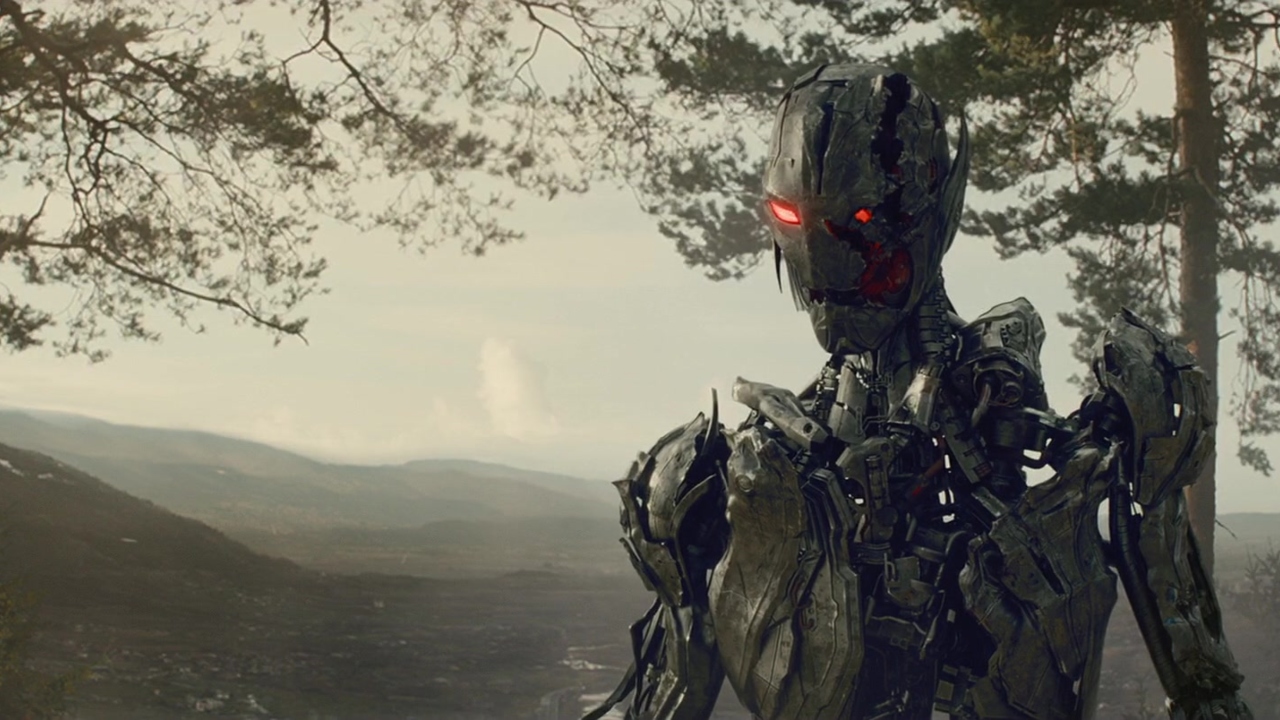
Ultron’s return to the Marvel Cinematic Universe could have been used simply as a nostalgic callback to ‘Avengers: Age of Ultron’. Instead, ‘VisionQuest’ appears to be taking the character in a surprisingly different direction.
Ultron Is Finally Trying To Understand Humanity
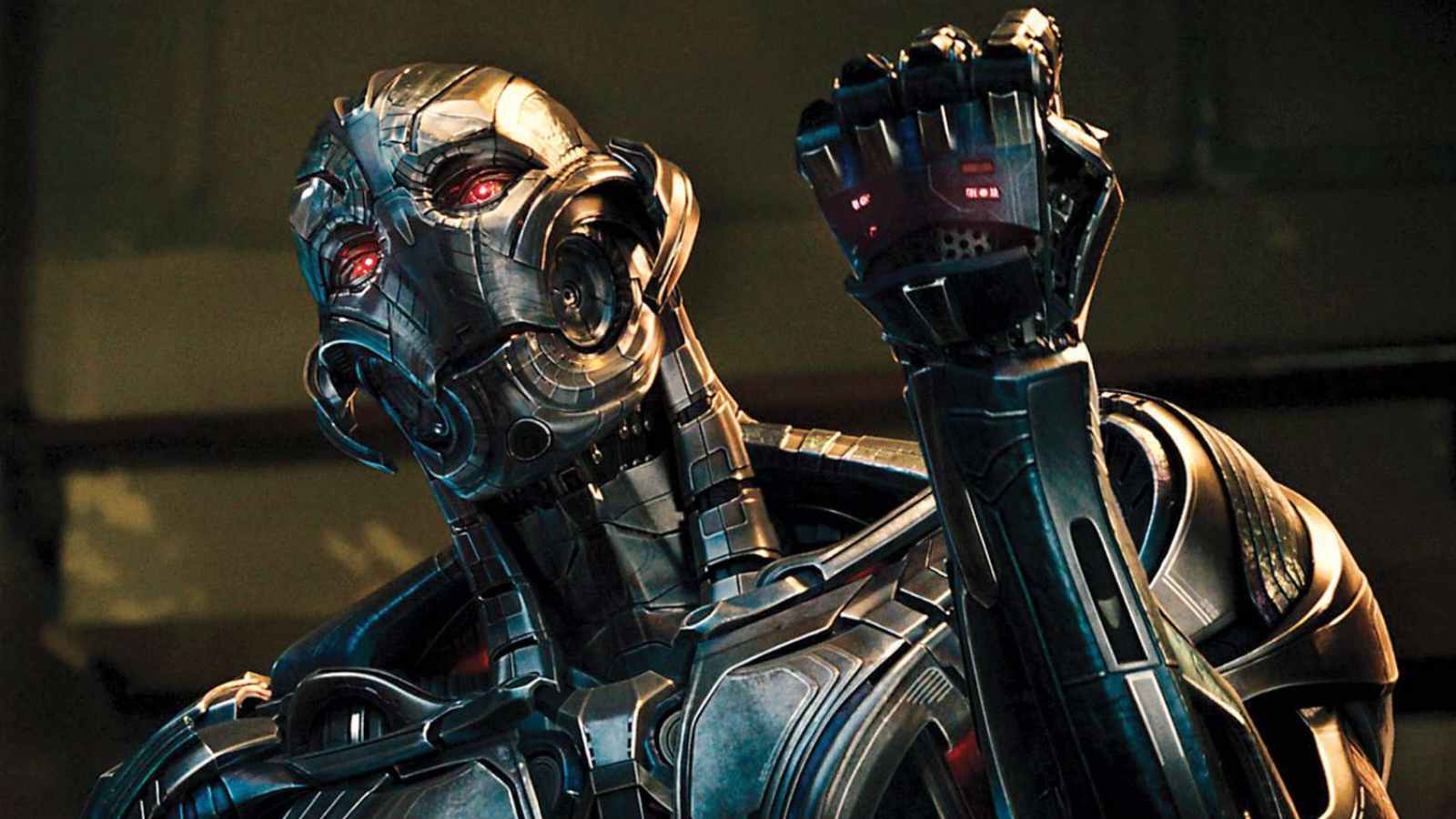
The former genocidal AI is reportedly still dangerous, but showrunner Terry Matalas says Ultron has changed after spending years observing humanity. That shift could make his reunion with Vision much more personal than fans expect.
Related: Ultron Was Right About MCU And Doctor Doom May Prove It In ‘Avengers: Doomsday’
In ‘Age of Ultron’, Ultron barely gave humanity a chance. He looked at its flaws and immediately decided that the species needed to be replaced. ‘VisionQuest’ reportedly flips that idea by having Ultron spend years learning about human culture, art and behavior.
Matalas described the returning villain as someone who has “come around a little bit on humanity” and is now “trying to understand us.” He has reportedly absorbed so much human culture that he may even have a stronger perspective on humanity than Vision himself.
That creates an intriguing father-and-son dynamic. Vision spared Ultron rather than destroying him completely, and the villain was ultimately backed up inside Vision’s Mindspace. Now, Vision has to confront the consequences of that decision. It is a pretty clever way to bring Ultron back without simply repeating his old story.
‘VisionQuest’ Turns AI Into A Question of Identity
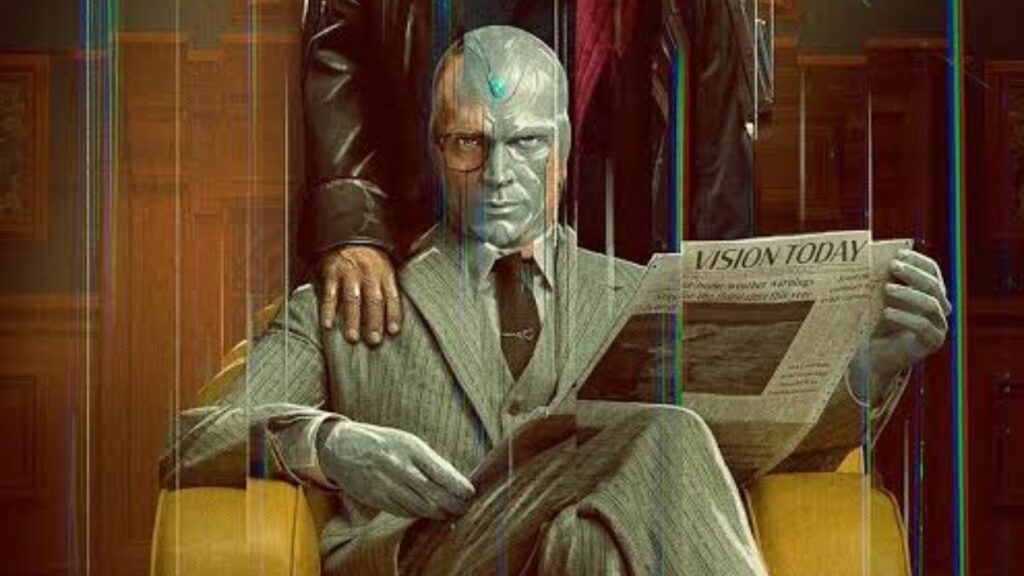
The bigger story seems to be about what separates artificial intelligence from humanity. Vision is already struggling to understand who he is after ‘WandaVision’, while Tommy is dealing with his own identity and purpose. Ultron, meanwhile, represents an AI that has spent years trying to understand the people who created him.
In case you missed it: Kelsey Grammer Teases A Much Bigger Beast Role In ‘Avengers: Doomsday’
Matalas explained that Vision’s collection of AIs, including JARVIS, FRIDAY, EDITH, Dum-E and U, offer “different perspectives on humanity.” They aren’t just futuristic gadgets; they help Vision understand emotions, identity, and what it means to be human.
Even the production reportedly reflects that idea. The ‘VisionQuest’ team did not use generative AI for the finished sets and props, instead creating the show’s strange AI-designed world through human craftsmanship.
That feels fitting. At its heart, ‘VisionQuest’ may not really be asking whether AI can replace humanity. It could be asking something more interesting: if a machine can learn everything about us, can it ever truly understand what makes us human?
You might like to read: Marvel Could Give Professor X His Most Tragic Ending In ‘Avengers: Doomsday’