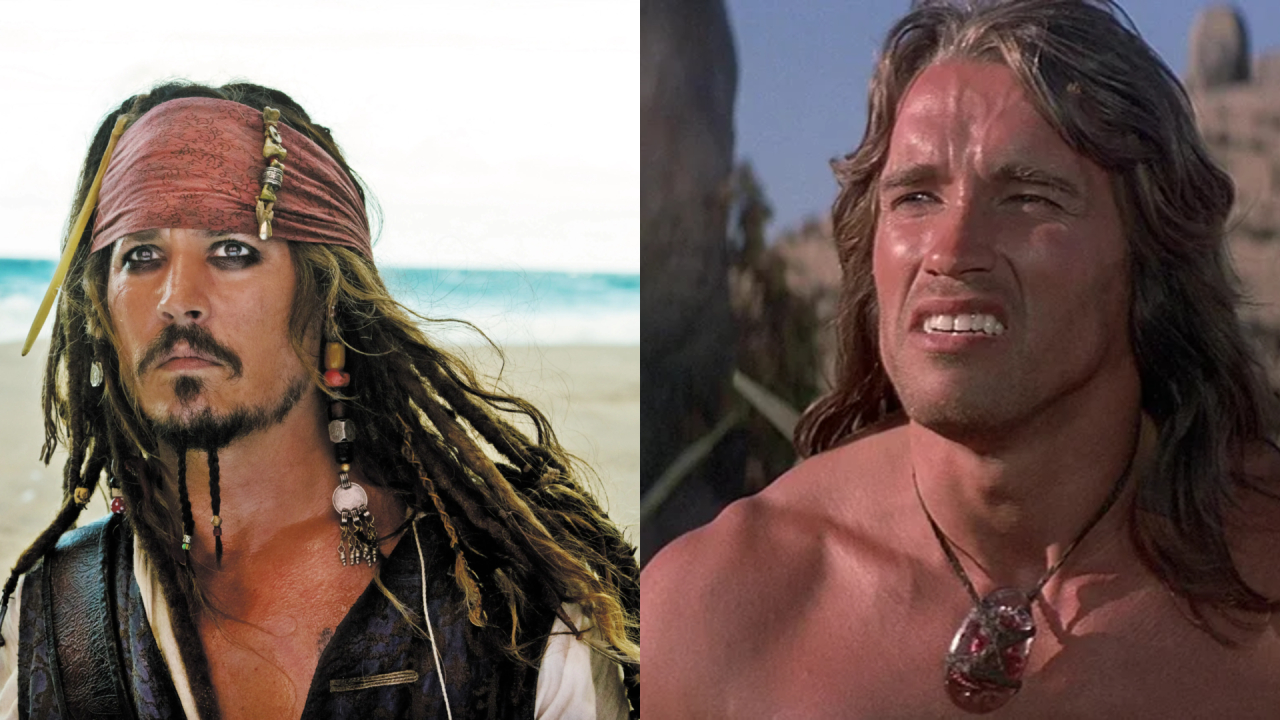
The brilliantly eccentric performance of Johnny Depp as Jack Sparrow helped turn ‘Pirates of the Caribbean‘ into one of Disney’s biggest franchises. But he was not the first major star linked to a large-scale pirate adventure. Nearly a decade before the franchise’s first installment, ‘The Curse of the Black Pearl,’ arrived in 2003, Arnold Schwarzenegger came close to headlining a swashbuckling epic of his own.
At the height of his box-office dominance in the 1990s, Schwarzenegger explored several historical projects that would have taken him far from the action hero persona audiences now best know him for. One of them would have transformed the former bodybuilder into a Caribbean pirate, while another served as a chance to be in one of the most expensive historical epics of its era.
Arnold Schwarzenegger’s Unrealized Pirate Adventure
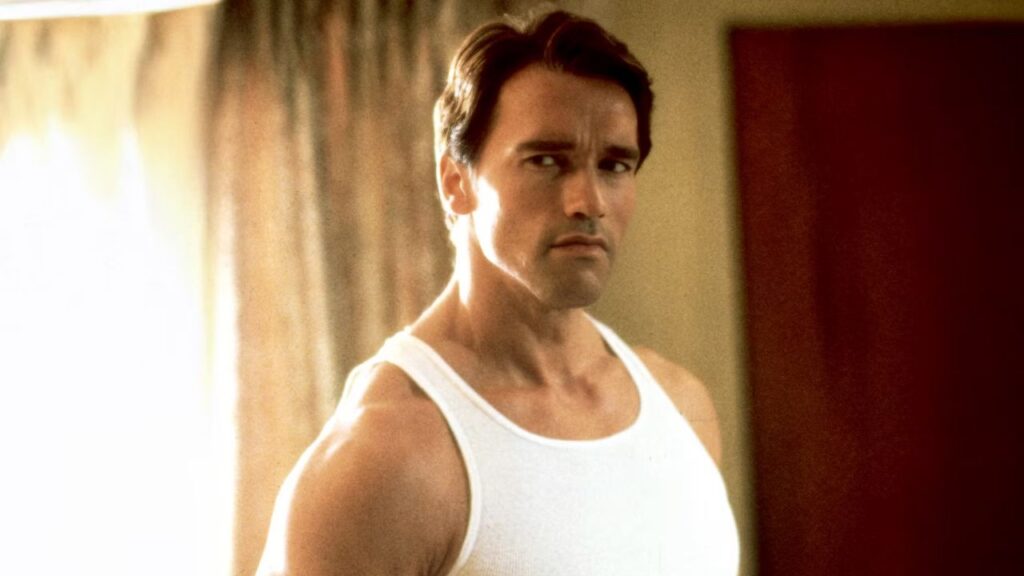
During the mid-1990s, Schwarzenegger and director Chuck Russell were developing an adaptation of Rafael Sabatini’s classic novel ‘Captain Blood.’ Published in 1922, the story follows an exiled physician who escapes slavery and rises to become one of the Caribbean’s most feared pirates.
Related: Arnold Schwarzenegger Once Abandoned A Dangerous Action Movie Back In The 1980s
The project offered a major change of pace for Schwarzenegger. Rather than carrying oversized weapons and fighting futuristic villains, he could step into the boots of a swashbuckling rogue navigating battles at sea.
Years later, Russell revealed just how closely the film resembled the type of adventure audiences would eventually see in Disney’s pirate franchise. “It was very much like Pirates of the Caribbean before Pirates of the Caribbean,” Russell told Slash Film.
“In fact, it was a popular script that may have inspired Pirates a little bit, but it was a big, fun, action-pirate movie.” Russell never viewed Schwarzenegger’s casting as a problem. In fact, he thought the actor’s larger-than-life screen presence made him a perfect fit for the material.
“I thought this Austrian pirate? No reason not to do that,” he added. Despite the enthusiasm surrounding the project, Schwarzenegger never fully embraced the idea. According to Russell, the actor felt uncertain about stepping into a period setting.
“I think Arnold was uncomfortable with doing a period piece, which is why he brought me Eraser,” Russell explained. That decision ultimately redirected both men toward the 1996 action thriller, which became one of the actor’s most successful films of the decade.
The Historical Epic That Fell Apart
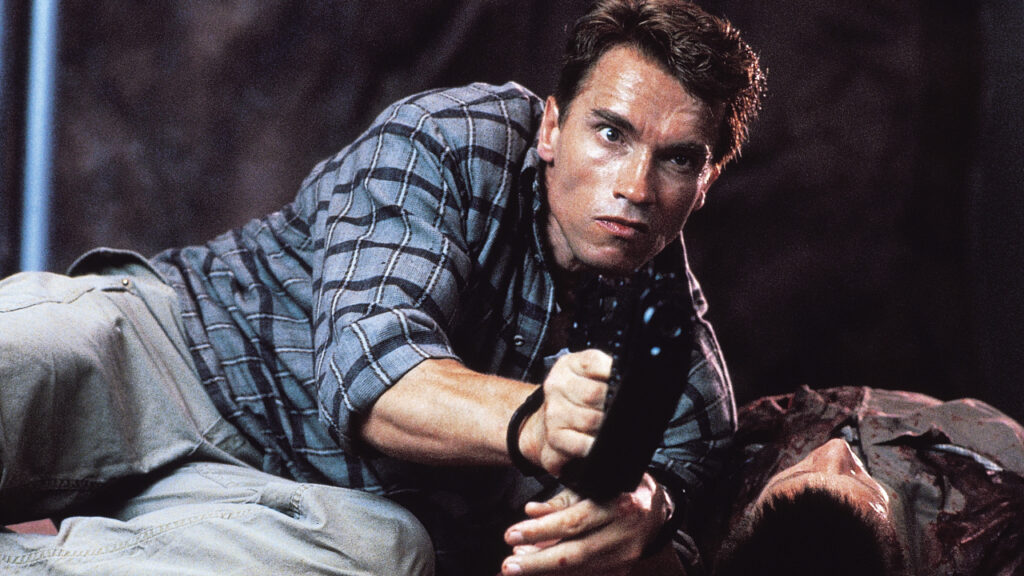
Around the same time, Schwarzenegger found himself attached to another ambitious period project, ‘Crusade.’ Developed under Carolco Pictures, the massive historical epic was helmed by Paul Verhoeven, who previously directed Schwarzenegger in ‘Total Recall.’
In Case You Missed It: Arnold Schwarzenegger’s Most Intense ‘Eraser’ Moment Came From A Real-Life Disaster
The project promised a brutal and violent story set during the Crusades. Industry observers often described it as a combination of ‘Spartacus’ and ‘Conan the Barbarian.’ With Schwarzenegger and Verhoeven in the mix, expectations quickly grew.
The production, however, encountered problems long before the cameras rolled. As development continued, the budget climbed past the $100 million mark. That figure represented a significant risk during the mid-1990s, particularly for a studio already facing financial pressure.
Reports from the time suggested tensions reached a breaking point when Carolco executives sought assurances that costs would remain under control. Verhoeven reportedly refused to make those guarantees.
The studio eventually lost confidence in the project and canceled it before production could begin. For Schwarzenegger, it marked the end of another historical adventure. For Carolco, it set off a chain of events with consequences far beyond a single movie.
How A Pirate Disaster Changed Hollywood’s Perception
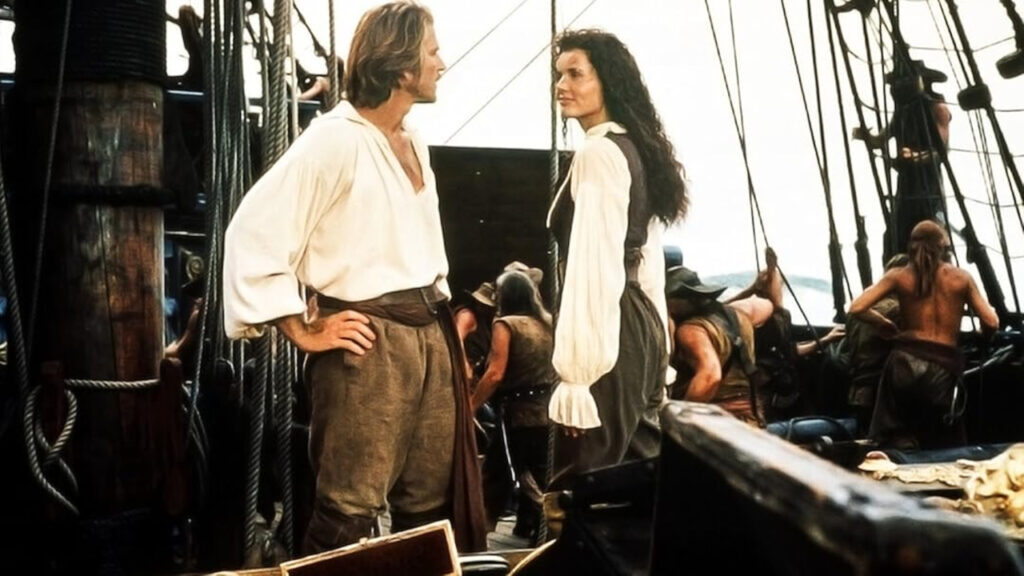
After abandoning ‘Crusade,’ Carolco redirected its attention toward another large-scale period adventure. That film was Renny Harlin’s ‘Cutthroat Island.’ The studio poured enormous resources into the pirate movie, hoping it could become a major blockbuster.
Instead, the film became one of the most infamous financial disasters in Hollywood history. ‘Cutthroat Island’ suffered a catastrophic box-office collapse and reportedly lost around $100 million. The losses proved devastating for Carolco, which soon filed for bankruptcy.
The fallout extended beyond a single studio. For years, executives treated pirate films as commercially unprofitable. Hollywood largely avoided the genre throughout the late 1990s, convinced audiences had no interest in swashbuckling adventures.
That perception lasted until Disney took a gamble in 2003 with ‘Pirates of the Caribbean: The Curse of the Black Pearl.’ The film became a global phenomenon and transformed Jack Sparrow into a pop-culture icon. Looking back, the timing is hard to ignore.
Schwarzenegger passed on ‘Captain Blood,’ ‘Crusade’ collapsed before filming, and ‘Cutthroat Island’ nearly sank the genre altogether. Had any of those projects worked out differently, Arnold Schwarzenegger might have become Hollywood’s defining pirate years before Johnny Depp ever set sail aboard the Black Pearl.
You Might Also Like To Read: The Unexpected ‘Goodfellas’ Detail Robert De Niro Refused to Fake