
In the history of Hollywood, few stories seem as destined as Audrey Hepburn‘s rise to fame. When she appeared in William Wyler‘s ‘Roman Holiday‘ in 1953, she looked like a perfect movie star, as if she had been waiting her whole life for that moment.
But the truth was much more uncertain. It was a story of rejection, self-doubt, and being fired not once but twice before she ever became a legend.
Audrey Hepburn’s Early Struggles
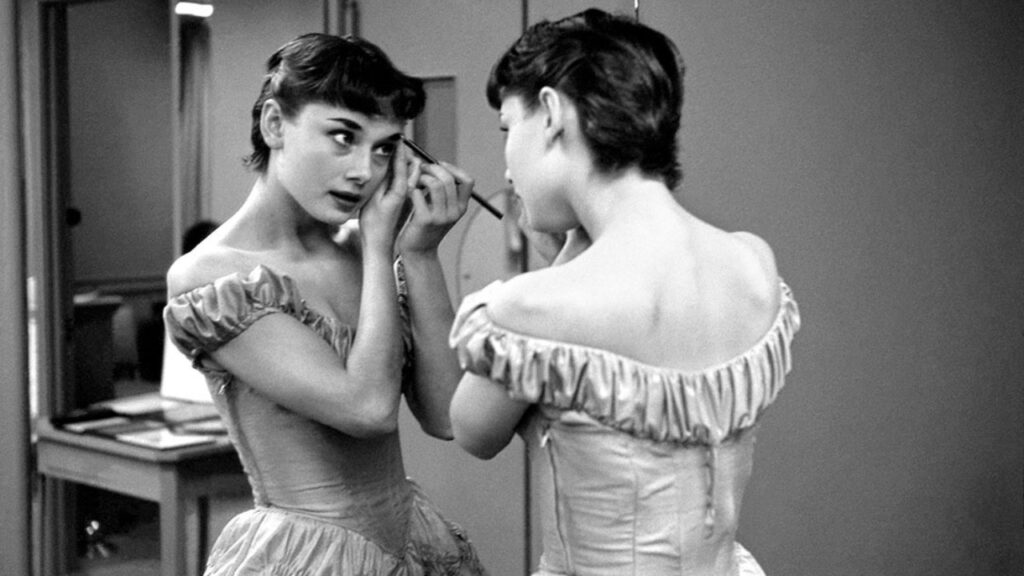
Hepburn’s road to stardom was not easy. She had wanted to be a ballerina, a dream she held onto during the war in Nazi-occupied Holland. But she was told she was too tall to succeed as a prima ballerina, so she turned to acting. She took small parts in English films, performed in West End revues, and even did a commercial for Lacto-Calamine lotion that put her face in drugstores across Britain.
Related: Audrey Hepburn’s Most Shocking Rejected Roles That Became Hollywood Classics
Then came the chance that seemed too good to be true. She got the lead role in the Broadway show ‘Gigi‘. The play was based on a novel by the French writer Colette and told the story of a young girl from Paris who is trained to become a high-society escort. For the 22-year-old Hepburn, this was her big break.
Audrey Hepburn’s Back-and-Forth Nightmare of ‘Gigi’
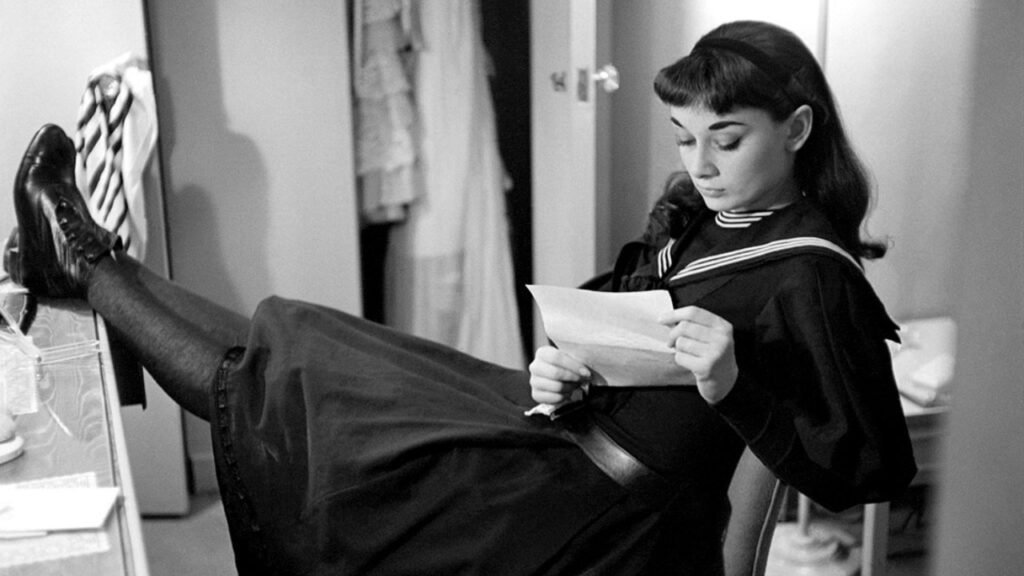
From the very first day of rehearsals, the producers Gilbert Miller and Morton Gottlieb were sure they had made a terrible mistake. Hepburn did not have much experience. She had never learned how to project her voice in a big theater, so she had to take lessons just to be heard. Her co-star, Cathleen Nesbitt, who was asked to help her, remembered the struggle: “She didn’t have much idea of phrasing. She had no idea how to project, and she would come bounding onto the stage like a gazelle.”
In case you missed it: The Letter That Changed Audrey Hepburn’s Life and Made Her a Hollywood Legend
The producers did not try to help her grow. After only five days, Miller fired her. But soon after, he understood that finding a replacement was not that simple. As Gottlieb later said, it was “too late to replace her.” So a few days later, Miller gave her the job back. Then, days after that, he fired her again.
The Mental Toll of Insecurity and Grueling Rehearsals
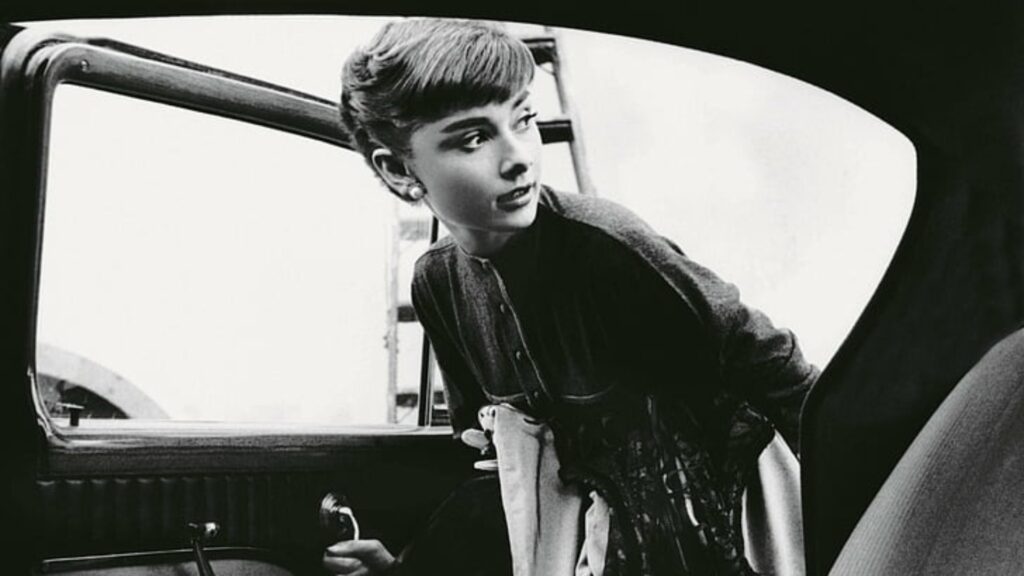
All this uncertainty was hard on the young actress. After years of taking any job she could get to pay her bills, this up-and-down treatment turned what should have been the best time of her career into a bad dream.
On top of that, Gottlieb had his own way of “training” Hepburn. He made her work 18-hour days, often in secret, so he would not have to pay the rest of the cast and crew overtime. The pressure was huge for a young woman who was still dealing with the trauma of war and deep doubts about her own talent.
Even as the show moved forward, Hepburn still lacked confidence. When her name first appeared in lights on the Fulton Theatre marquee, she ran across the street like a schoolgirl to see it. Then she grew serious and sighed: “Oh dear, and I’ve still got to learn how to act.“
How Inexperience Became Audrey Hepburn’s Greatest Asset
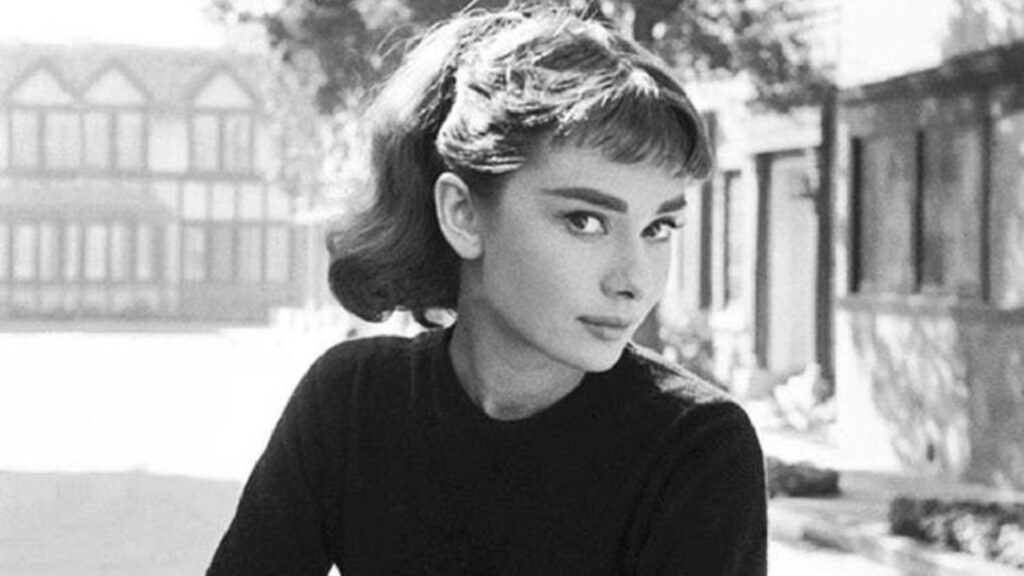
Against all odds, Hepburn made it to opening night on November 24, 1951. The critics did not love the play, but they were won over by Audrey. Richard Watts Jr., an important critic, wrote about her: “Miss Hepburn obviously is not an experienced actress. But her quality is so winning and so right that she is the success of the evening… She brings a candid innocence and a tomboyish intelligence to a part that might have gone sticky, and her performance comes as a breath of fresh air in a stifling season.”
The crowd felt the same way. Her lack of experience, her awkwardness, and her raw skill all worked in her favor. As Nesbitt put it, Hepburn had “that rare thing, audience authority, the thing that makes everybody look at you when you are on stage.”
The Hidden Price of Fame
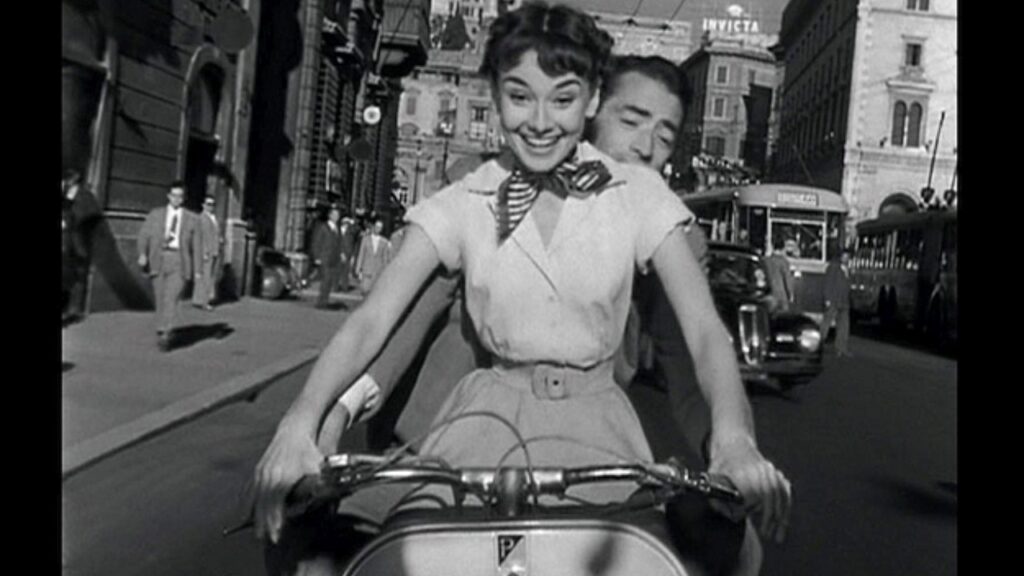
Even before ‘Gigi‘ opened, the director William Wyler had seen Hepburn’s screen test for ‘Roman Holiday‘. He was sure she was the right person for the role. The Paramount production was delayed for six months so ‘Gigi‘ could finish its Broadway run. It was a huge risk for an unknown actress, something that had never been done before.
The risk paid off in a big way. In just three days in March 1953, Hepburn won both the Academy Award for Best Actress for ‘Roman Holiday‘ and the Tony Award for Best Actress in a Play for ‘Gigi‘. It was the most remarkable start to any acting career ever.
But even with all that success, the old wounds stayed with her. After she won her Oscar and Tony, her aristocratic Dutch mother told her, “You’ve done very well my dear, considering that you have no talent.” In 1954, at the height of her fame, Hepburn had a nervous breakdown. She fell into depression, lost a worrying amount of weight, and went into hiding.
The young actress who had been fired twice from her Broadway debut would go on to become one of the most beloved icons in movie history. But as she learned in those uncertain days before ‘Gigi‘, the road to becoming a legend is rarely the fairytale it seems to be.
You might also want to read: Audrey Hepburn Nearly Joined ‘The Exorcist’ Cast But One Condition Killed The Deal