In the glittering world of Hollywood, where legends sometimes run into each other at lunch or in studio cafeterias, one quiet office meeting became a sad and unforgettable footnote in movie history.
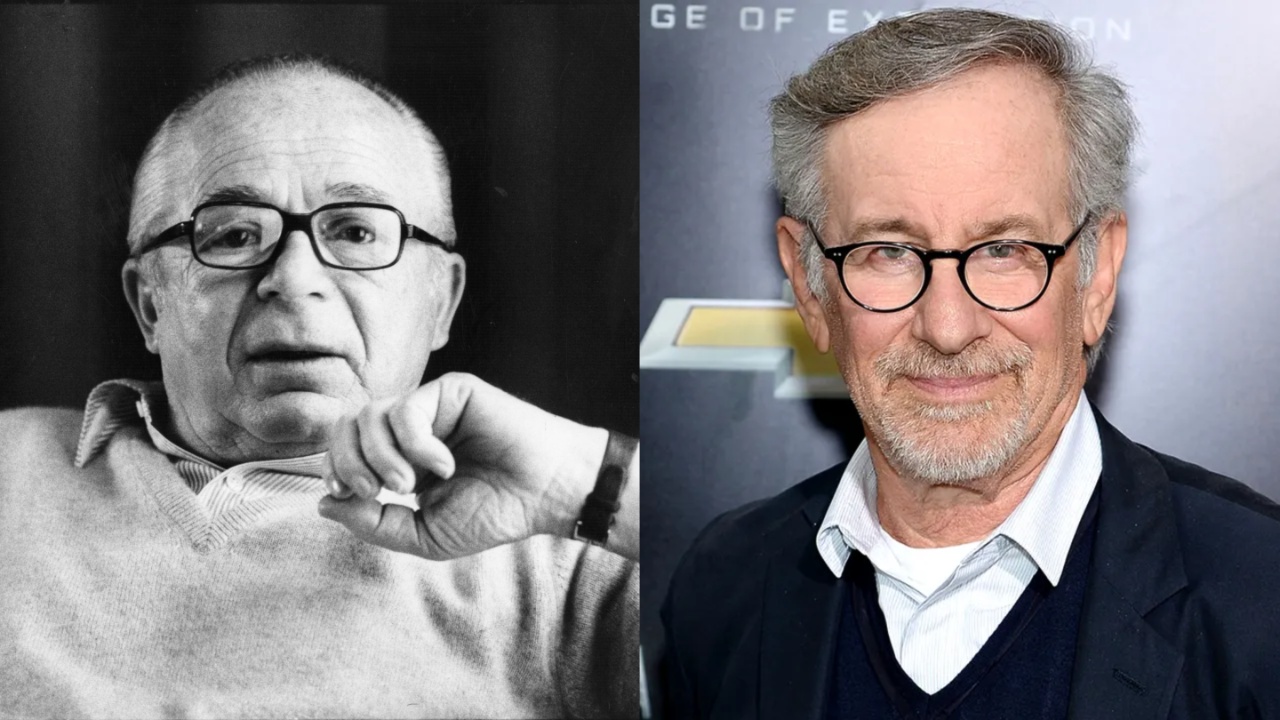
This was the early 1990s. Steven Spielberg was deep in pre-production on ‘Schindler’s List‘, the black-and-white epic that would face the Holocaust head-on. Before he decided to direct it himself, Spielberg had offered the project to other famous directors, like Martin Scorsese and Roman Polanski. But none of those talks had the emotional weight of the one he had with Billy Wilder.
Billy Wilder’s Personal Connection to the Holocaust Story
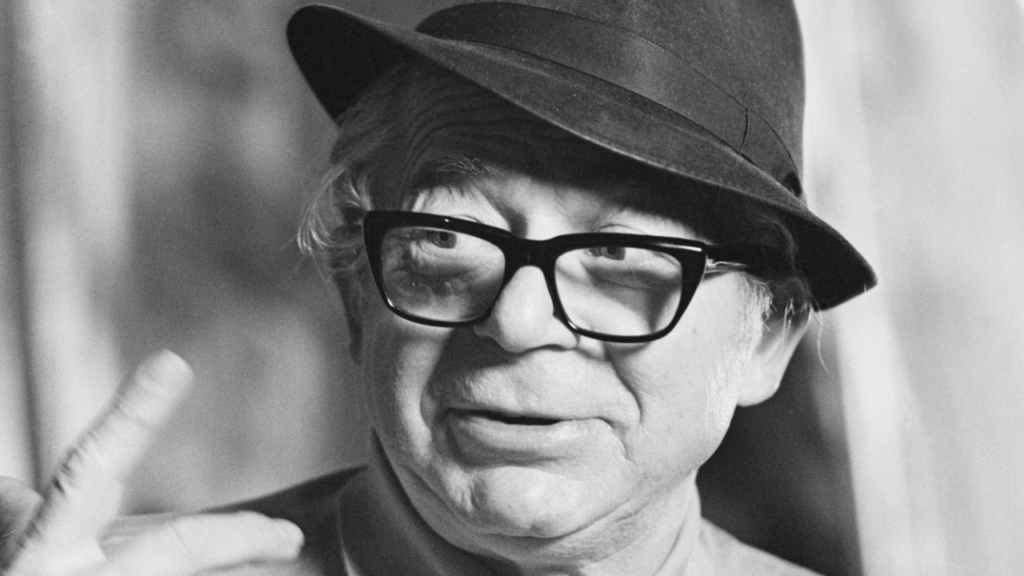
Wilder was the Austrian-born director of classics like ‘Some Like It Hot‘, ‘Sunset Boulevard‘, and ‘The Apartment’. He had already built a huge legacy, and by then, he was in his late 80s and mostly retired. He felt Hollywood had moved past his sharp, cynical style.
Related: The Real Reason Billy Wilder Didn’t Want Humphrey Bogart in ‘Sabrina’
Spielberg knew Wilder personally. While making ‘E.T.‘ and ‘Poltergeist‘ at MGM, Wilder had worked as a script consultant. They often had lunch together, and Wilder would say he felt out of place. “I just cannot get a film off the ground anymore,” Wilder would say, per The Hollywood Reporter. “Whatever worked for me for 30 years is not working anymore.”
Then Spielberg called. Wilder insisted they meet at Spielberg’s Amblin office, not at his own home. “I need to come to you because I’m going to ask you for something,” he told Spielberg. When Wilder arrived, he got right to the point. He had read Thomas Keneally’s book ‘Schindler’s Ark‘, on which the movie was based. He also knew Spielberg owned the rights.
“This is my experience before I came to America,” Wilder explained. “I lost everyone over there. I need to tell this story, and I hear you own the rights. Will you let me direct this, and you can produce it with me?”
For Wilder, this was not just another directing job. It was personal. He wanted to honor his family, most of whom died in the Holocaust, including those who died in Auschwitz. As an Austrian Jew who fled Europe before the war, the story of Oskar Schindler saving more than 1,100 Jews felt like a final, powerful chance to speak the truth. He saw it as a possible last film, a way to face the horrors that had broken his own life before he built his career in America.
Why Steven Spielberg Could Not Give ‘Schindler’s List’ to Billy Wilder
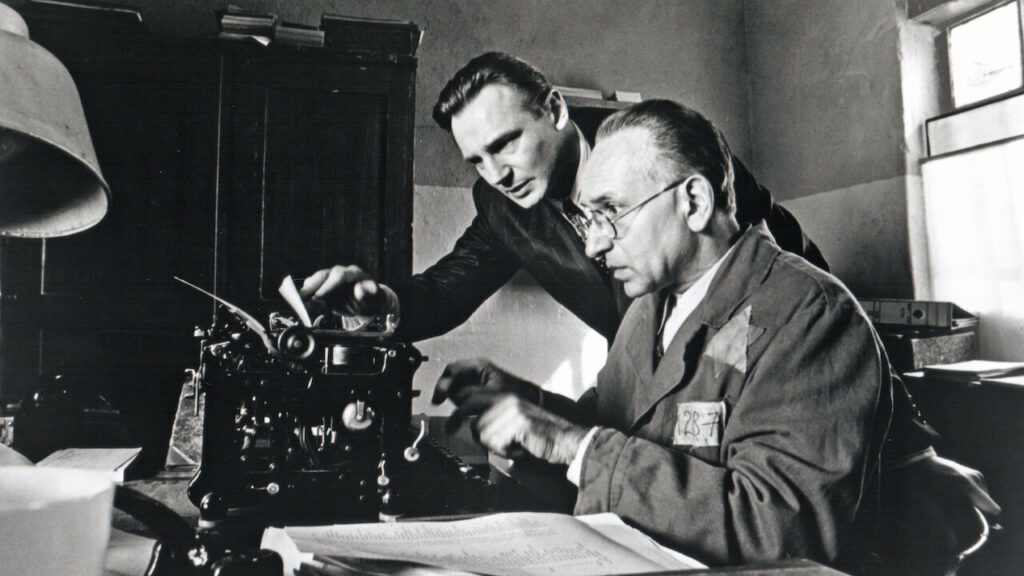
Spielberg was caught off guard. The production was already set, and he was leaving for Krakow in just three weeks. The cast, including Liam Neeson as Schindler, and the crew were all hired, and shooting was set to start at the end of February. “Billy, I’m leaving for Krakow in three weeks,” Spielberg told him. “The whole film’s been cast. All the crew’s been hired. I start shooting at the end of February.”
In case you missed it: Audrey Hepburn Ended Her Secret Affair With William Holden Over One Devastating Truth
The room went quiet. “Billy couldn’t speak, and then I couldn’t speak,” Spielberg later said. “And I just reached my hand out and Billy took my hand.” They didn’t say a word. It was just a handshake, but it said everything: regret, understanding, and the fact that nothing could be changed.
Steven Spielberg’s Own Hesitation and Ultimate Decision
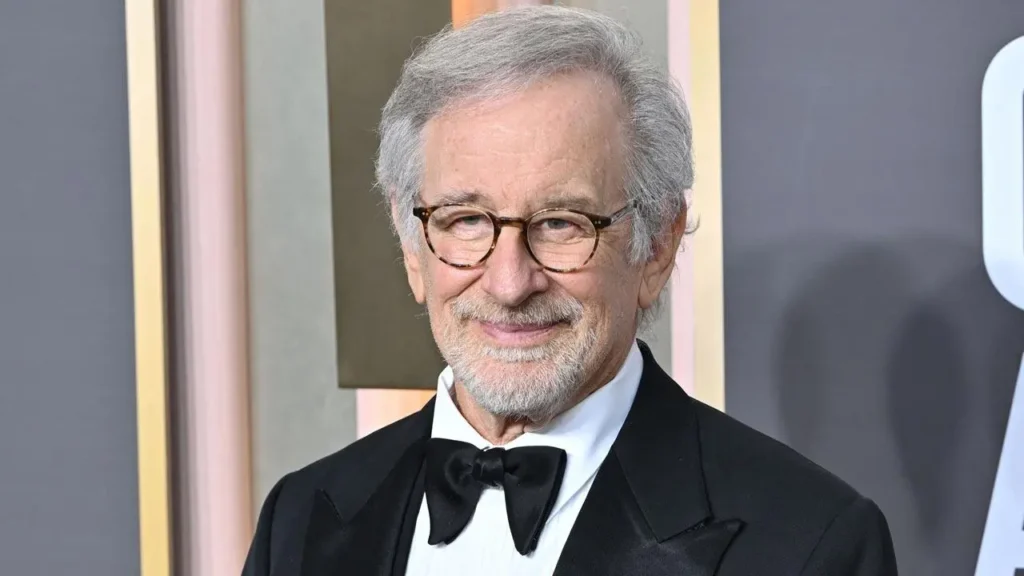
Spielberg had not been sure about directing ‘Schindler’s List‘ himself. He worried he was not ready for such heavy material, even though he had owned the rights for years. That doubt was part of why he reached out to others. Wilder’s request came too late, and the machine was already moving. Some say Wilder had tried earlier to get the rights himself, but by the time of that meeting, everything was locked in.
In the end, Spielberg put his own Jewish background and his growing concern about Holocaust denial into the film. He refused to take a director’s fee, calling any payment “blood money.” He made a masterpiece that won seven Oscars, including Best Picture and Best Director.
Billy Wilder’s Graceful Praise for the Finished Film
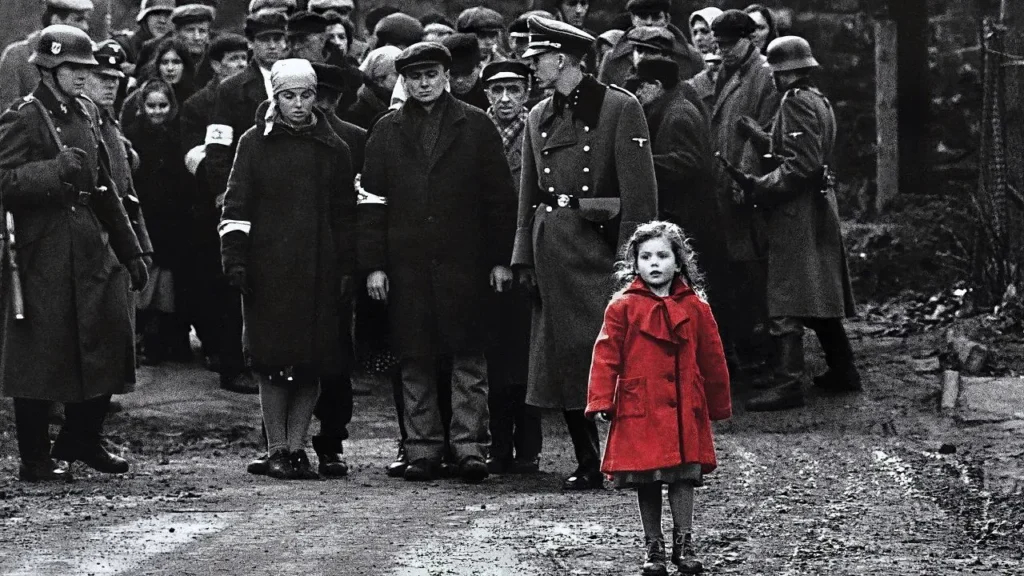
Wilder took it well. Later he praised the movie without holding back. “They couldn’t have gotten a better man,” he told friends. “The movie is absolutely perfection.” He even wrote Spielberg a long letter saying how much he admired it.
This whole thing shows the strange ironies of filmmaking. A story about rescue and survival was told by a director who could not save anyone in his own family. And the other man, who had lost everyone, had to step aside.
Spielberg’s ‘Schindler’s List‘ is now a huge achievement in Holocaust cinema. But the memory of that silent handshake with Billy Wilder still feels heartbreaking. It speaks to personal loss, chances that slipped away, and the heavy price of telling the truth. In the end, two giants shared a moment no script could ever write, where one handed off a torch he could no longer carry, while the other took it with shaking hands and kept going.
You might also want to read: How ‘Sunset Boulevard’ Exposed Hollywood’s Darkest, Timeless Truths