Billy Wilder is considered one of the most iconic directors of all time, a defining figure of the industry’s golden era. His versatile brilliance delivered timeless classics that are still cherished and studied today.
Of his many notable films, whether it’s ‘The Apartment‘, ‘Double Indemnity,’ or ‘Some Like It Hot,’ there’s one 1950 masterpiece that ripped away the glittering facade of Hollywood, revealing a decaying empire built on illusion and ruthless exploitation. That film is none other than ‘Sunset Boulevard.’
The Shocking Opening of ‘Sunset Boulevard’
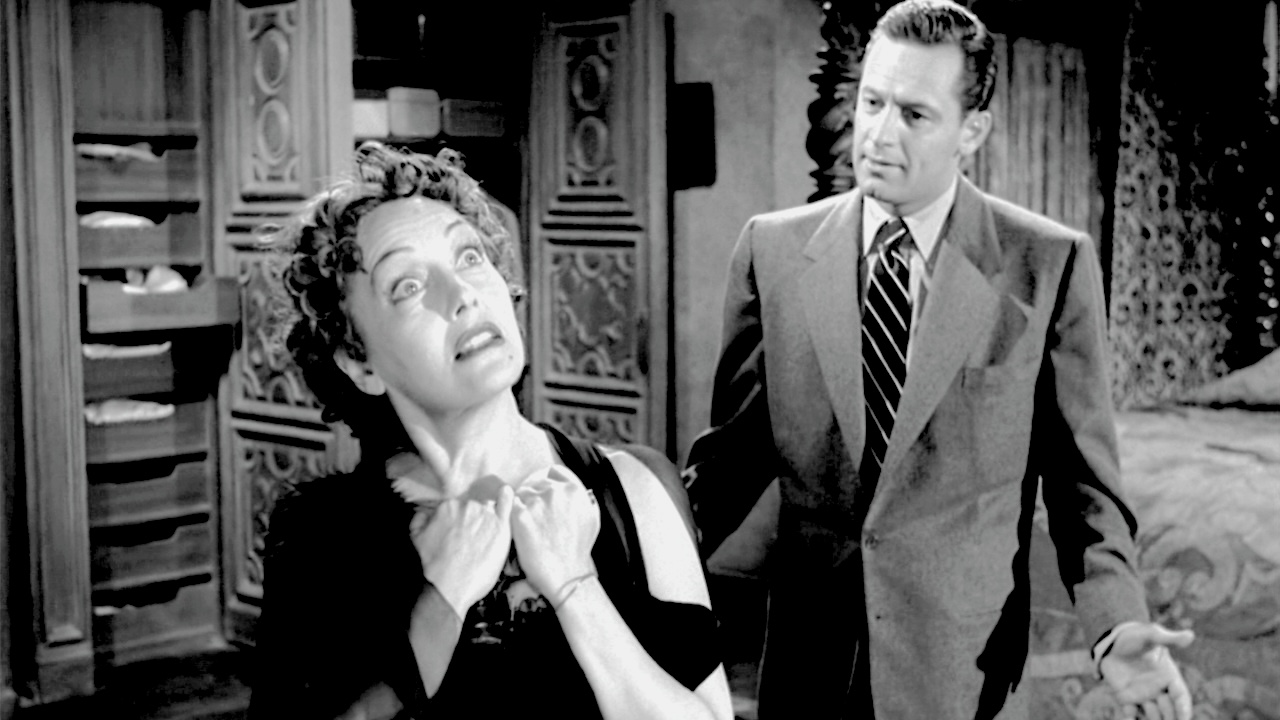
The film is narrated by Joe Gillis (played by William Holden), a struggling screenwriter whose lifeless body is discovered floating in a pool in the very first scene. Through his voice, the film takes a harsh, chilling look at Hollywood’s dark side, where even the industry’s most prominent figures find it difficult to distinguish between reel and reality.
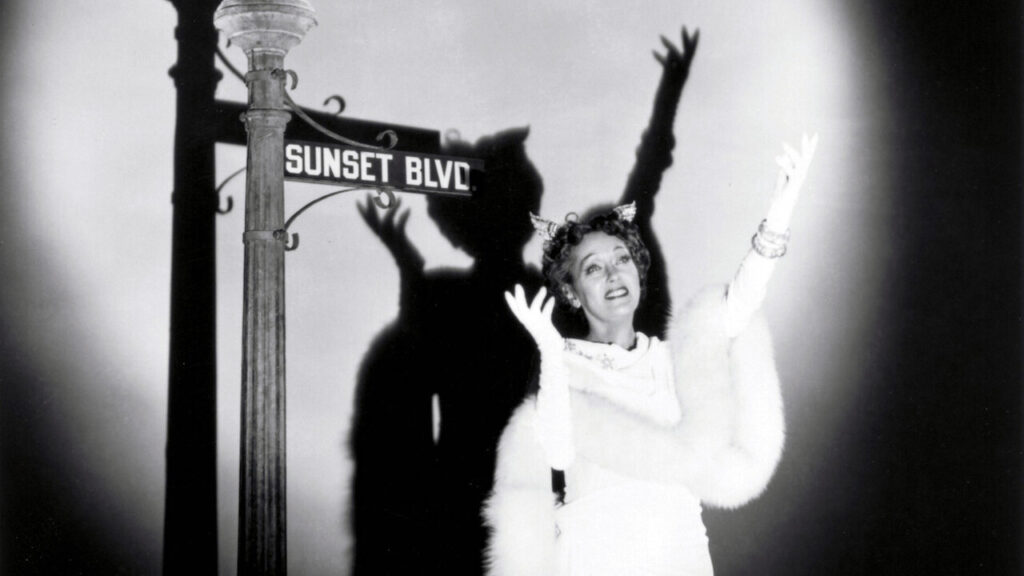
In the film, Joe is broke and on the run from debt collectors when he accidentally ends up at the luxurious mansion of Norma Desmond (played by Gloria Swanson), a once-famous silent film star who has now faded into obscurity. She lives alone in her decaying home on Sunset Boulevard and remains trapped in the past, clinging to memories of her former fame.
Related: Why Greta Garbo Vanished From Hollywood After Her Most Talked-About Film
Her mansion becomes a frozen shrine to her past glory. There are countless photographs and screenings of her hit movies every evening. In this self-imposed isolation, she gets more and more lost in delusions. Who feeds her fantasies? Her devoted butler, who was once responsible for shaping her stardom intimately. Now, his sole mission is to reinforce Norma’s belief that she is still adored.
Billy Wilder’s Criticism Of Hollywood’s Cruel Star System
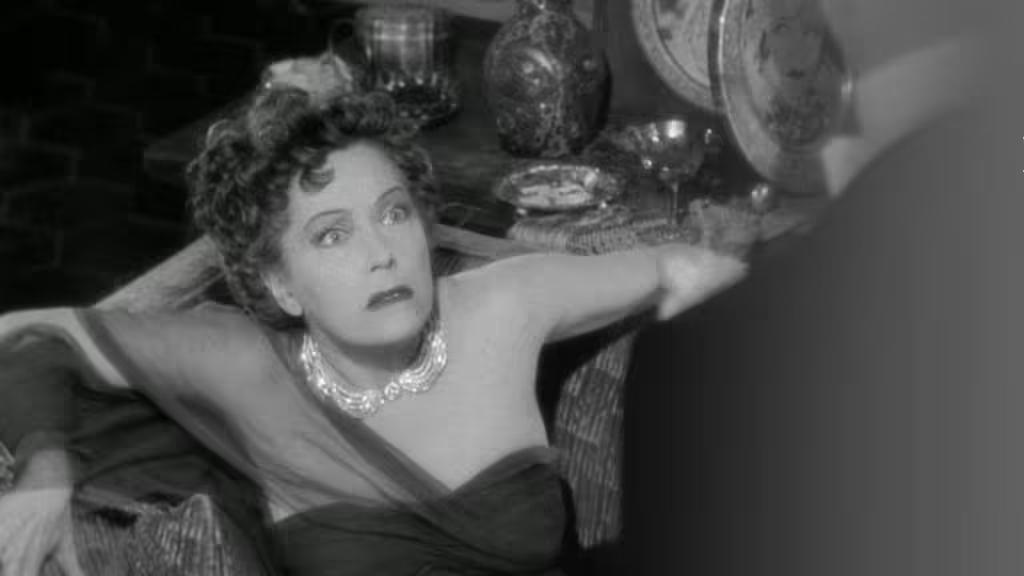
Billy Wilder impeccably exposes the cruelty of the star system through this film. He critiques the cult of celebrity, holding Hollywood under the scanner for elevating its stars to a god-like status, only to discard them when trends shift.
In case you missed it: How Hollywood Icon Marlene Dietrich Once Planned To Seduce And Kill Hitler
Norma, once worshipped as something divine, is now cast aside by an industry that has moved on to youth and sound. Her sense of validation depends entirely on the spotlight. Without it, she is nothing. Wilder uses Norma as a representation of the many stars who met a similar fate in real life, often ending their lives in tragic circumstances, something that, unfortunately, continues to happen even today.
In her bid to matter again, Norma becomes convinced that she is on the verge of a grand comeback and begins writing a dramatic script for herself. So who gets pulled in for the job? Of course, it’s Joe. He begins working on her abstract musings while becoming both emotionally and financially dependent on her. Although it starts well, he gradually feels trapped in her strange, unreal world, as if he is living in a beautiful but suffocating prison.
How ‘Sunset Boulevard’ Portrays Writers as Disposable in Hollywood
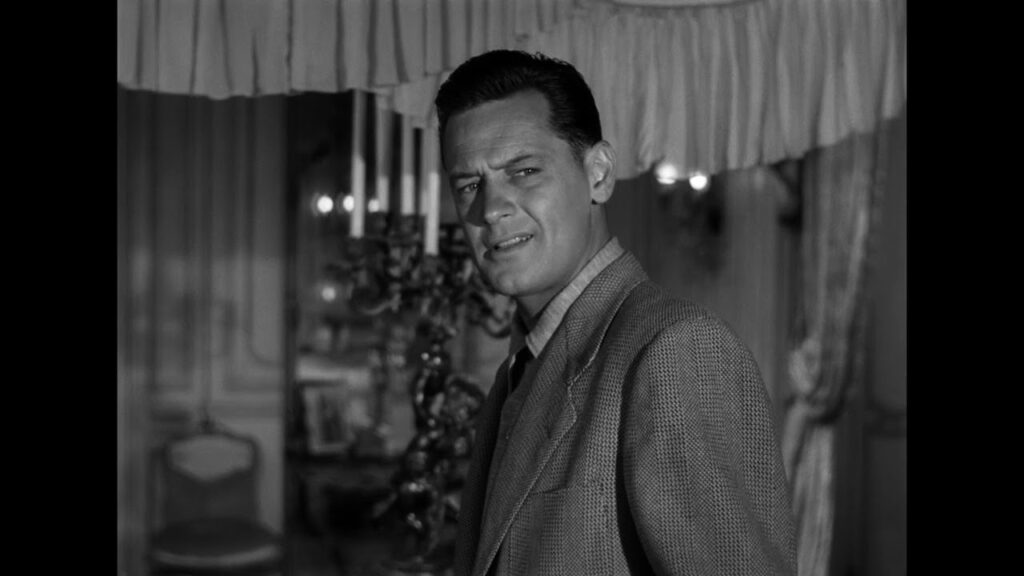
Wilder’s critique deepens further through Joe’s story. Although he is talented, he ends up writing low-quality scripts for cheap films to survive, and more importantly, because the industry treats people like him as easily replaceable.
For the sake of survival, he gives up both his values and his talent to stay with Norma, even admitting that he is “too comfortable” to leave her. In this way, ‘Sunset Boulevard‘ shows how the glamour world uses creative minds as pawns, only to leave them behind, broken and forgotten.
Related: Top 25 Silent Films Every Cinema Lover Should Watch
Sure, Joe falls for a young girl, but he carries on with his unsettling yet convenient relationship with Norma. She still wants to feel desirable, and he is too used to the perks. In Old Hollywood, relationships were often manufactured for image, and behind closed doors, everyone had secrets. Aging actresses took young lovers, while older actors often had affairs with much younger girls. Maybe it wasn’t the norm, but it definitely seemed “normal.”
The Real Hollywood Cameos in ‘Sunset Boulevard’
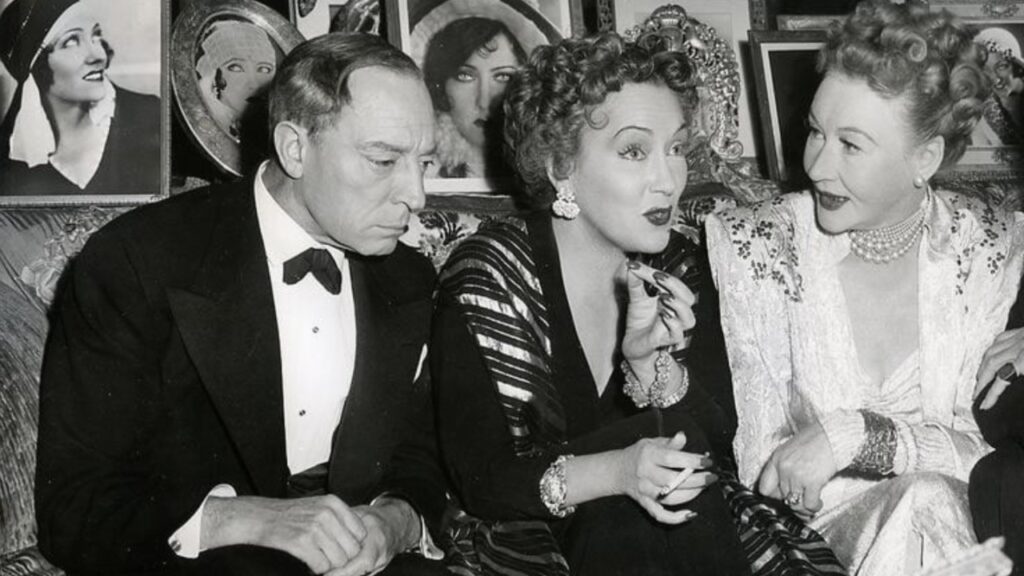
Wilder’s satire left a profound impact because the film was not solely based on fiction, but rather on haunting insights drawn from Hollywood insiders. Paramount was initially wary that the film might invite criticism, with some reports even claiming that MGM co-founder Louis B. Mayer was furious with Wilder for allegedly disgracing Hollywood and said he should be “tarred and feathered.”
Cameos from silent-era superstars like Buster Keaton, Anna Q. Nilsson, and Cecil B. DeMille further highlighted the film’s authenticity.
The Iconic Ending of ‘Sunset Boulevard’
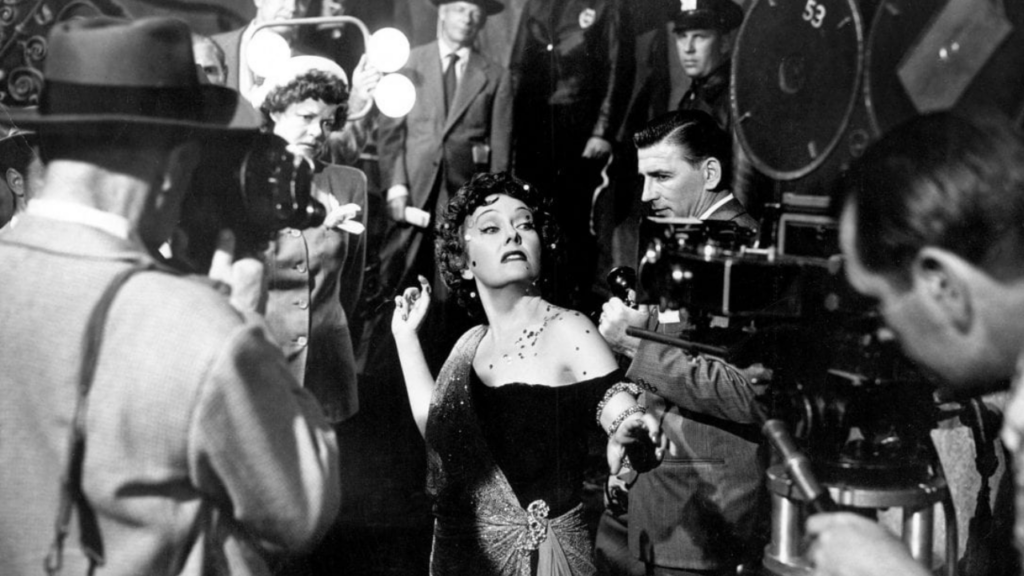
This is the moment. Norma has spent too much time preparing, studying scripts, rehearsing dramatic expressions, and perfecting every gesture as if the cameras were already rolling. She threw herself into beauty routines, lighting tests, intense acting… convinced she’s reclaiming her throne. But when Joe finally voices his discomfort about how everything has spiraled, one chilling truth defines Norma’s response: “No one ever leaves a star.”
Then, the iconic climax plays. ‘Sunset Boulevard‘ shows Norma descending into madness as she walks down the stairs, believing the cameras are rolling for her close-up, marking another chance at the big screen. So, she performs.
It captures the true horror of Hollywood, where the line between fiction and reality blurs, and alluring dreams reveal their deceptive, destructive core. That’s how Norma Desmond’s story ends. There’s no applause, just silence. Time stands still, and with it, the lies peddled by celebrity culture lose their magic forever.
You might also like to read: 25 Classic Movies That Should Be On Every Cinephile’s Watchlist