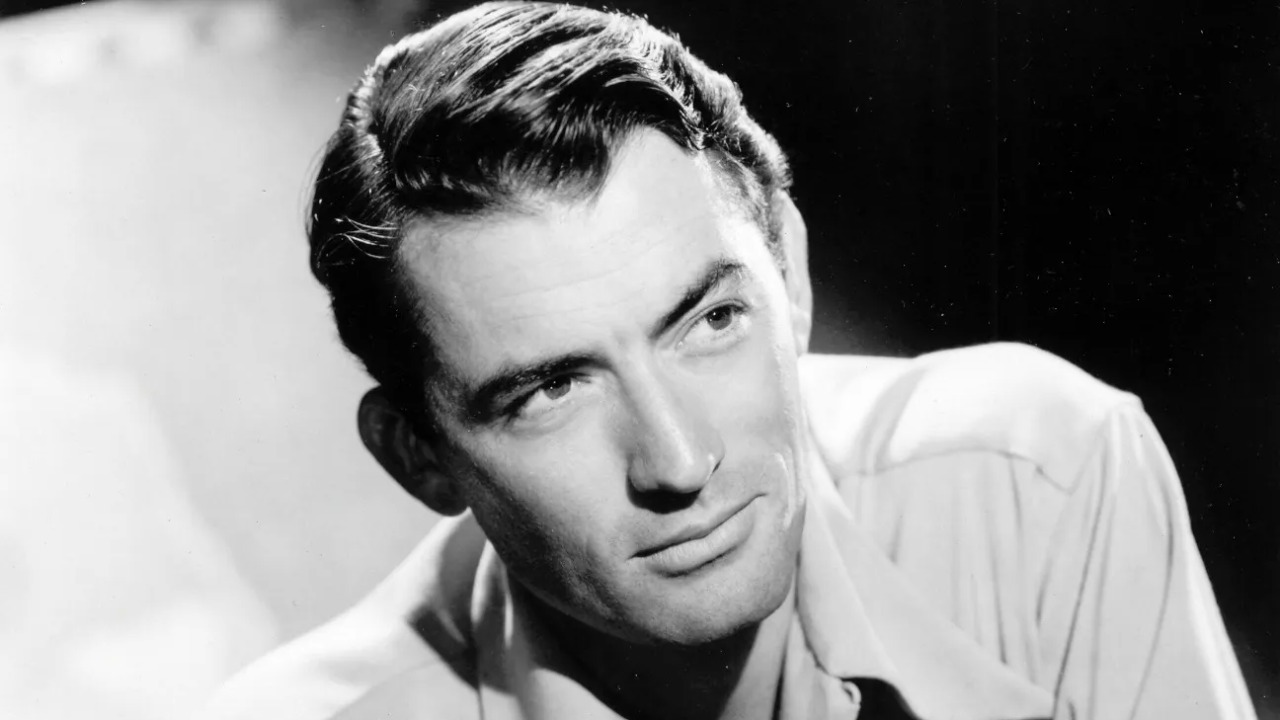
Gregory Peck spent his whole career building a name as one of the freest men in Hollywood. He was the rare leading man who refused to sign away seven years of his life to one studio.
So, when he found out producer David O. Selznick had quietly handed him off to Warner Bros. like a piece of furniture, it hit at the exact independence he’d fought so hard to keep.
David O. Selznick’s Financial Trouble Led to a Shocking Sale
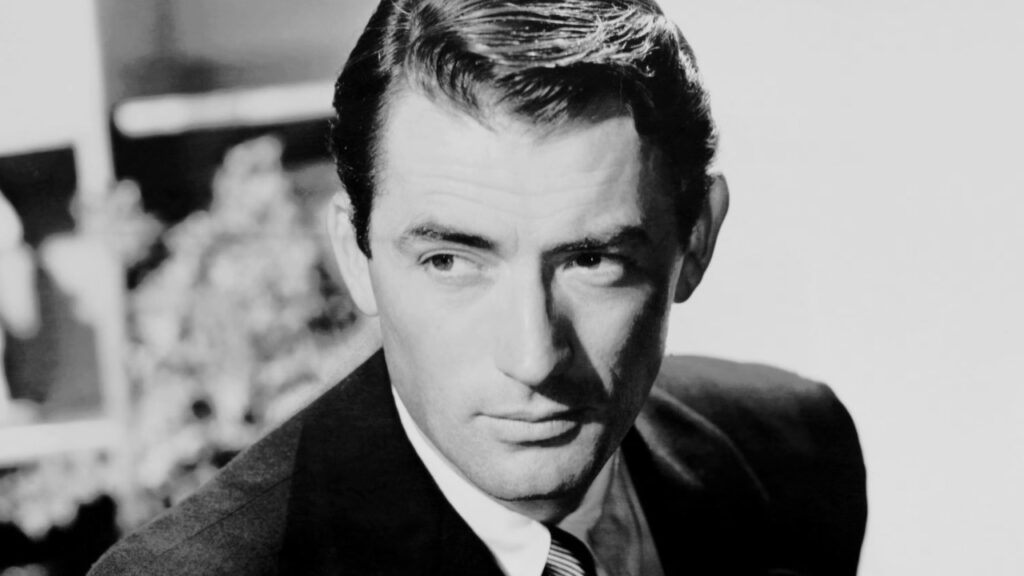
The whole thing went back to Peck’s early days in the business. Fresh off the success of ‘The Keys of the Kingdom‘, the young actor had every major studio chasing him, including MGM boss Louis B. Mayer, who reportedly broke down crying in a meeting trying to get Peck to sign an exclusive deal. Peck didn’t budge. He later remembered tears rolling down the mogul’s chin as he begged him to reconsider. Instead, Peck made non-exclusive deals with four different studios, including an unusual dual arrangement with 20th Century Fox and Selznick, who was riding high off ‘Gone with the Wind‘.
Related: Gregory Peck Handpicked Robert Mitchum for ‘Cape Fear’ But Their Feud Stole the Spotlight
That freedom cost him years later. Under his deal with Selznick, Peck was supposed to earn $65,000 for an upcoming picture. But Selznick had fallen into financial trouble and needed cash fast, and Peck turned out to be the easiest asset for him to sell off. Instead of telling the actor himself, Selznick had someone else deliver the news that Peck had been passed along to Warner Bros. for $150,000, almost double what Peck was originally owed. The message came bluntly, “David is a little short on cash. He has sold you to Warners for $150,000.”
Peck’s reaction sat somewhere between disbelief and anger. He couldn’t believe a producer of Selznick’s stature would need money that badly, and he pushed his own lawyer to find a way out of it. He was told he was stuck, bound by the fine print of his contract. There was no way around it. Selznick, meanwhile, made himself scarce and avoided Peck entirely instead of facing him after the deal.
Gregory Peck’s Humiliating Warner Bros. Costume Fitting
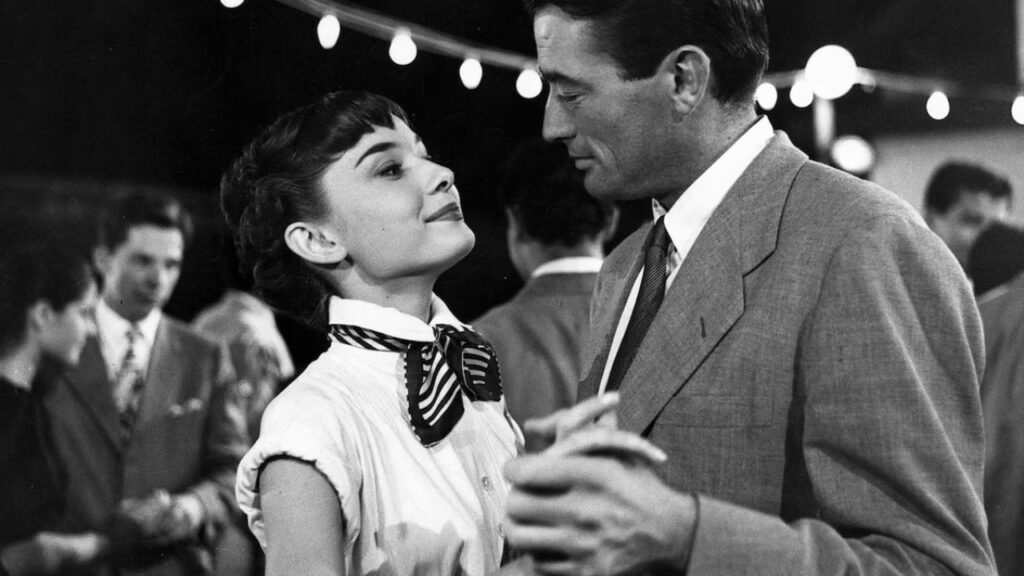
With no legal way out, Peck showed up at the Warner Bros. lot to make the picture, a cavalry drama he’d never agreed to and had zero enthusiasm for.
In case you missed it: How A Scandalous Royal Romance Changed ‘Roman Holiday’
The humiliation didn’t stop at the paperwork either. When he showed up for his costume fitting, he found out the wardrobe department hadn’t even bothered making him new clothes. He was handed a used uniform previously worn by another actor, Rod Cameron, a journeyman Western star of that era. For an actor who had turned down exclusive studio contracts specifically to avoid being treated like interchangeable inventory, wearing another man’s hand-me-down boots and hat on a film he’d been traded into felt like the final insult.
How the Studio System Incident Shaped Gregory Peck’s Legacy
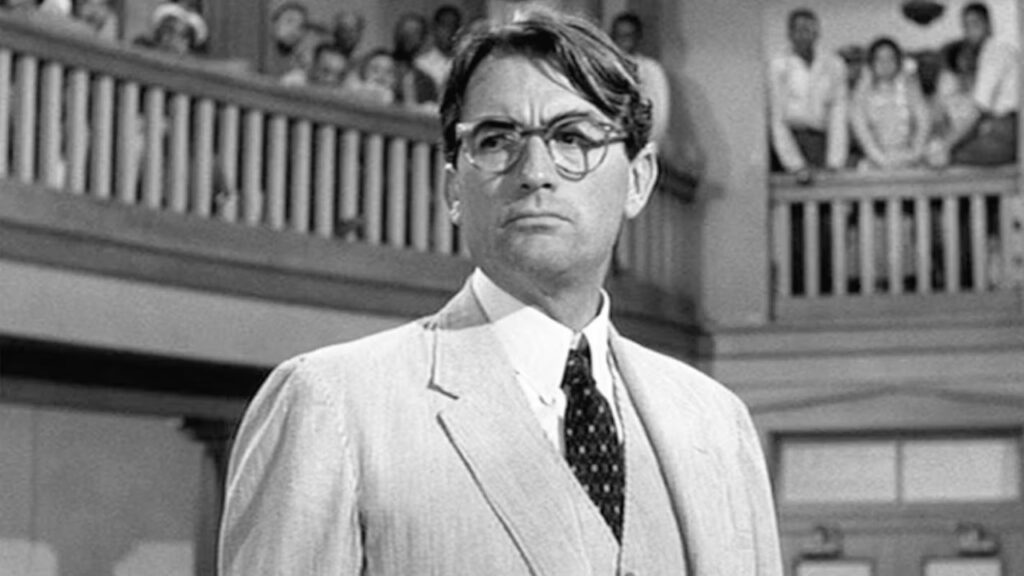
Peck later called the whole episode one of the low points of his career. It was a rare crack in the dignified, principled image that would define him both on screen and off. It stood in sharp contrast to almost everything else about his professional life. He was a man who had walked away from MGM’s biggest offers, turned down roles he thought might typecast him, and built a name as one of Hollywood’s most generous leading men. The Warners incident proved that even the most fiercely independent stars of the studio era weren’t fully protected from its power plays. Contracts, it turned out, could still be used against an actor no matter how carefully he’d tried to guard himself.
Selznick and Peck’s relationship survived the incident, even if it was a little worse for wear, and Peck kept valuing his freelance status for the rest of his career. It was a choice that, despite this one bruising episode, ultimately let him build one of the most acclaimed filmographies of Hollywood’s golden age.
You might also want to read: Why Audrey Hepburn Found Humphrey Bogart ‘Terrifying’ Despite His Charm