At the outset of the studio system era in Hollywood, William Haines secured a dominant box-office presence through an array of hit movies, including ‘Brown at Harvard,’ creating a unique image of a charming rogue. To resist the authority of a studio boss requires an extraordinary measure of self-assurance, setting a unique record of classic Hollywood defiance and revealing the growing tension between institutional control and personal truth amid the tough ultimatum of the studio system.
This bold decision to prioritize human relations over institutional ones typically entails an enormous professional price, as the entire career ends abruptly. In times long before the rise of current social justice advocacy movements, it was necessary to possess an unprecedented degree of confidence to navigate the unrelenting industry. Choosing to walk away from the peak of the movie popularity instead of building some kind of socially acceptable image, a trailblazer could lay the foundation for a successful second chapter of his life, proving that true success comes from the consistency of one’s views regardless of the transience of the glitter on the silver screen.
William Haines Stood Firm Against The MGM Studio
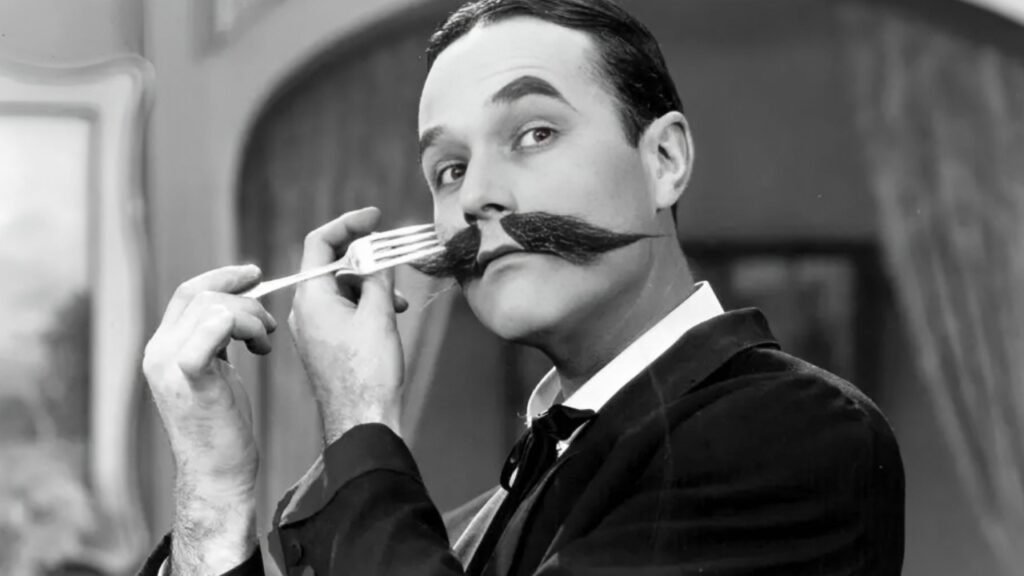
By 1930, the Virginia-born actor William “Billy” Haines became a true Hollywood powerhouse. As Metro-Goldwyn-Mayer’s most successful box-office star, Haines managed the difficult transition from silent to talking films and earned $3,000 a week ($59,000 today).
For his witty, arrogant character, Haines became famous, and he lived openly with his partner, the former navy officer Jimmie Shields, whom he met in 1926.
Related: Top 10 Classic Hollywood Films Where Love, Lust and Murder Collide
However, the tolerant, open-minded attitude of the Roaring Twenties soon faded as the 1930s brought cultural conservatism and the introduction of the Hays Code.
A widely discussed incident at a YMCA triggered the studio’s final crackdown, when police detained Haines after he picked up a sailor.
Striving to cleanse the industry of perceived moral depravity, MGM studio owner Louis B. Mayer summoned his top actor in 1933 and issued an ultimatum: either leave his partner for a studio-arranged marriage or face professional ruin.
Unmoved by the threat of career ruin, Haines delivered his famous quote, “I’m already married,” before walking out of the studio forever.
Crafting A Modern Creative Dynasty In The Wake Of Exile
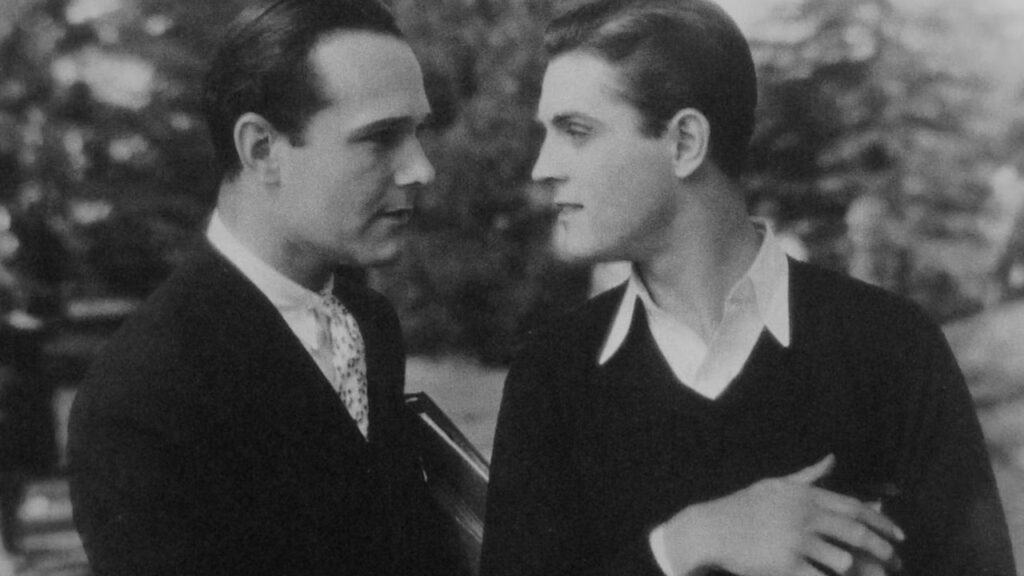
Haines’s response to Louis B. Mayer’s blackmail led to the termination of his studio contract; however, it did not ruin his career.
Instead of withdrawing from the society that banished him, Haines transformed himself into Hollywood’s leading interior decorator by shifting to Mascot Pictures.
In Case You Missed It: Top 20 Films Where Nothing Is Resolved And That’s The Point
Together with his husband, he founded his interior design company. He completely defined the “Hollywood Regency” style, creating unique spaces for movie moguls such as Jack Warner, Joan Crawford, and George Cukor.
This unique union served as a symbol of resilience in Hollywood for almost five decades. Joan Crawford famously called the two the happiest married couple in Hollywood.
Upon the death of Haines from lung cancer in 1973, a heartbroken Jimmie Shields died only a few months later, leaving behind a final letter where he wrote about the impossibility of living a life alone without his beloved one.
One hundred years after his breakthrough movies, Haines’s story becomes a powerful reminder of how political and social tides inevitably change; however, human capacity to love and create does not.
You Might Also Like To Read: 20 Controversial Biopic Movies And TV Shows The Real People And Families Hated