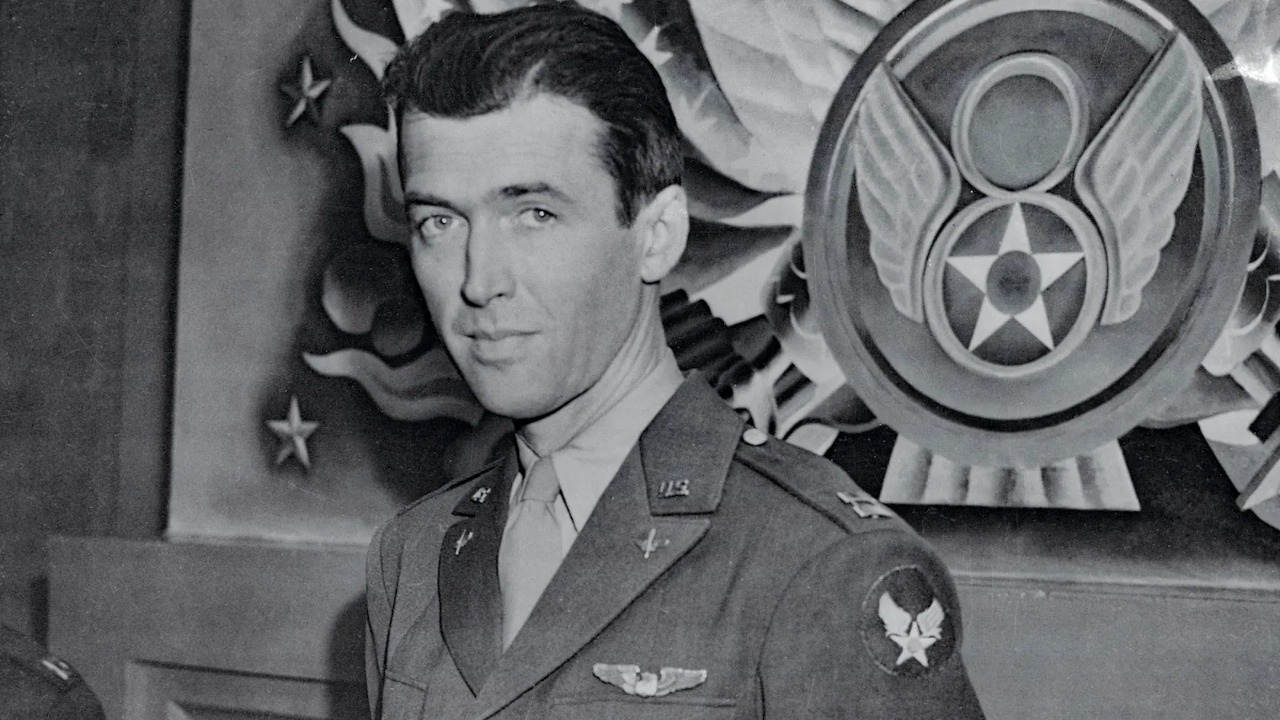
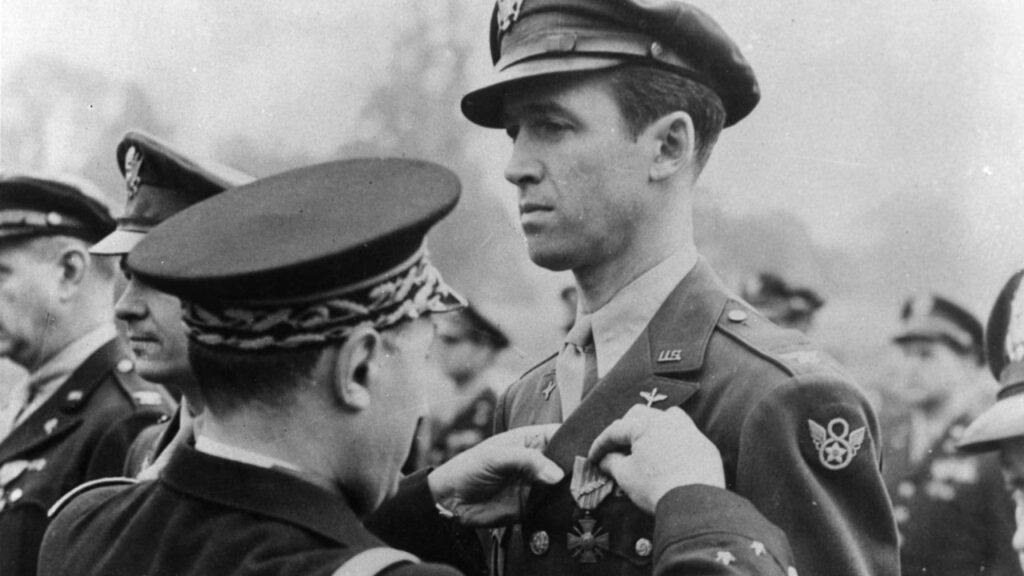
James Stewart’s service in World War II is the stuff of American legend. He was the first major movie star to enlist, joining the Army Air Corps eight months before the Pearl Harbor attack. He went on to fly 20 dangerous combat missions over Nazi-occupied Europe as a bomber pilot, rising from private to colonel in just four years. It is a picture of pure patriotism and unshakeable courage.
But for Stewart, a different, more private battle was going on during his service. It was a fight not against the enemy, but against the very image-making machine he had left behind. While he risked his life at 20,000 feet, the Hollywood studio system, from which he was absent, was busy manufacturing stories in his name. This was a source of profound embarrassment for the actor, who was determined to be seen as just another soldier.
The Reluctant Soldier Who Demanded to Fight
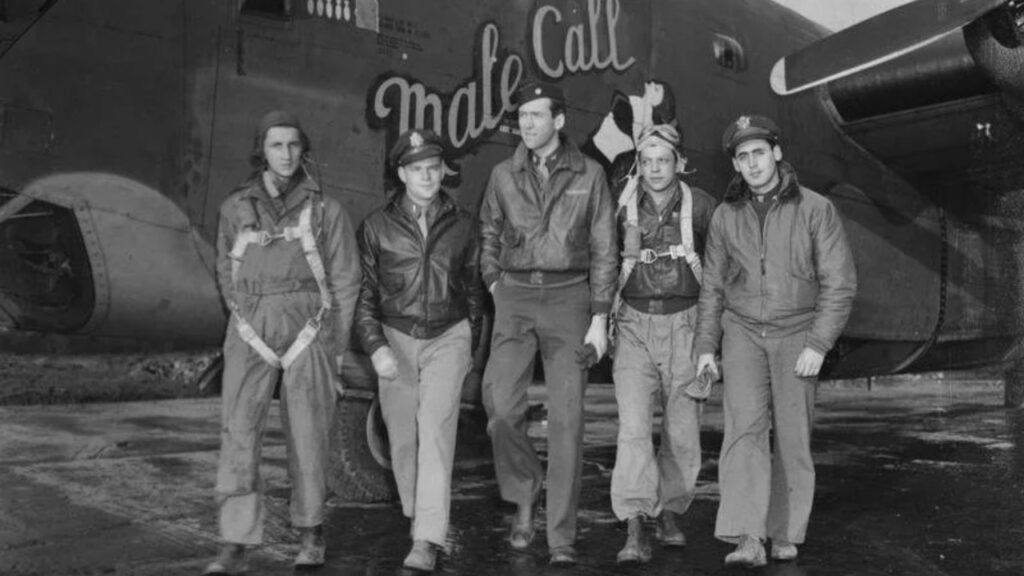
The Army initially tried to keep Stewart out of combat. They deemed him too valuable as a propaganda tool and wanted him to stay home making training films.
Related: Why James Stewart and Henry Fonda Tried Digging a Tunnel to Greta Garbo’s House
But Stewart, who had passed his physical by convincing the draft board to overlook his famously thin 6-foot-3-inch, 138-pound frame, was adamant. He wanted to fly. He had already earned his private pilot’s license and was a skilled aviator, eventually becoming an operations officer and leading his group on strategic raids over Germany.
How MGM Kept Controlling James Stewart During the War
Yet, despite being on the other side of the world and focused on the deadly serious task at hand, he remained a prisoner of his Hollywood contract. Under MGM’s ironclad rules, the studio’s publicity department kept the right to write articles and statements in his name. This practice, a standard clause in the studio-system era, became a source of immense personal frustration.
In case you missed it: The Real Reason Why Jimmy Stewart Was Totally Terrified On The Set Of ‘Winchester ’73’
“I tried to have it stopped,” Stewart later said. “But it was in my contract that the publicity department could write anything they liked and put my name to it. It made me realise that when I came out of the Air Force, if I went back to being an actor, there would be some changes in my contract.”
James Stewart’s Embarrassment Over Fake Publicity Articles
The articles were a source of deep shame for a man who was living on a small salary and training for war. He saw them as a mockery of his efforts. “It was just embarrassing to have my name on articles, writing about what it was like being a movie star, having to live off a meagre salary and training for war,” he said.
One episode in particular showed how absurd the situation really was. According to the studio’s planted stories, a hot topic of debate in Stewart’s barracks was whether fellow MGM star Deanna Durbin had married the right man. The article claimed Stewart had “told his army pals that we can all be sure her husband was certainly worthy of her.” Stewart, who had never said such a thing, was left embarrassed and infuriated. Even in the middle of a war, he was at the mercy of the Tinseltown publicity machine.
James Stewart’s PTSD and Struggles After Returning from War
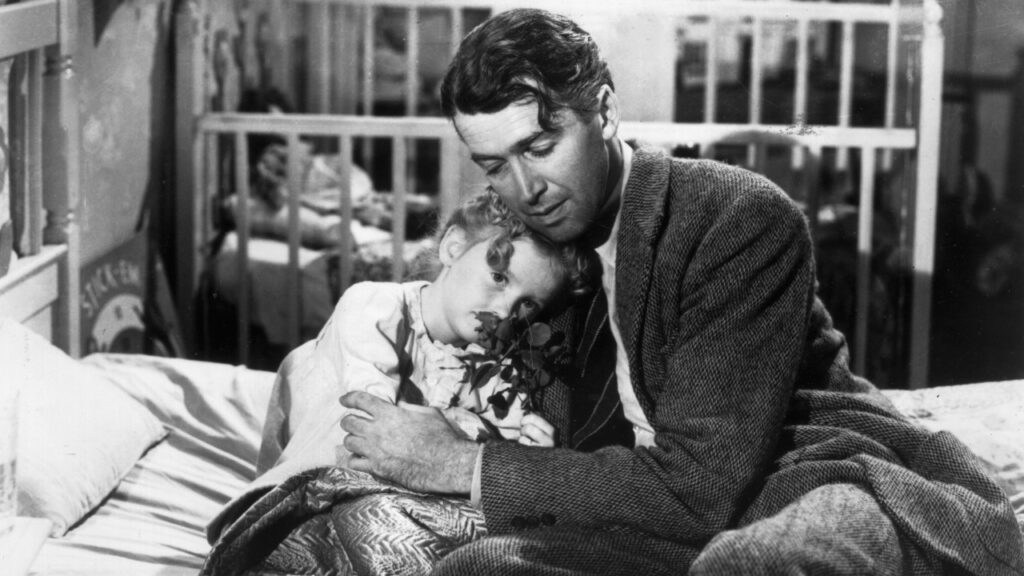
This sense of being a pawn of his former life, of Hollywood’s superficiality standing in such sharp contrast to the grim reality of combat, was one reason Stewart was so conflicted about returning to acting. The war had changed him deeply, leaving him with what we now understand as PTSD, shell shock from the constant stress and the terrifying responsibility of leading men into battle.
When he finally came home in August 1945, he looked like a different man, aged and gaunt. He was uncertain of his place in an industry that had moved on without him. He was reluctant to return to the superficiality he had left behind. When a studio boss suggested making ‘The Jimmy Stewart Story,’ a film about his military heroics, Stewart refused outright. He would not talk about the war. When Frank Capra approached him with ‘It’s a Wonderful Life,’ a script about a suicidal man, Stewart initially walked out of the meeting, feeling it was the opposite of the comedy he had publicly said he wanted to make.
The anger and anxiety that Stewart put into the role of George Bailey, which many viewers today see as a sentimental classic, came from the deep psychological and professional pressures he carried. His intense performance was fueled by a rage that was very real and very personal. He felt Hollywood had embarrassed him while he was serving his country, and the sense of being a pawn to the studio system was a humiliation he would never forget. He was determined to finally have control over his own name and image, and that fight began the moment he stepped back onto a Hollywood set.
You might also want to read: The Chilling Truth Behind Bette Davis’ Witchcraft Obsession