
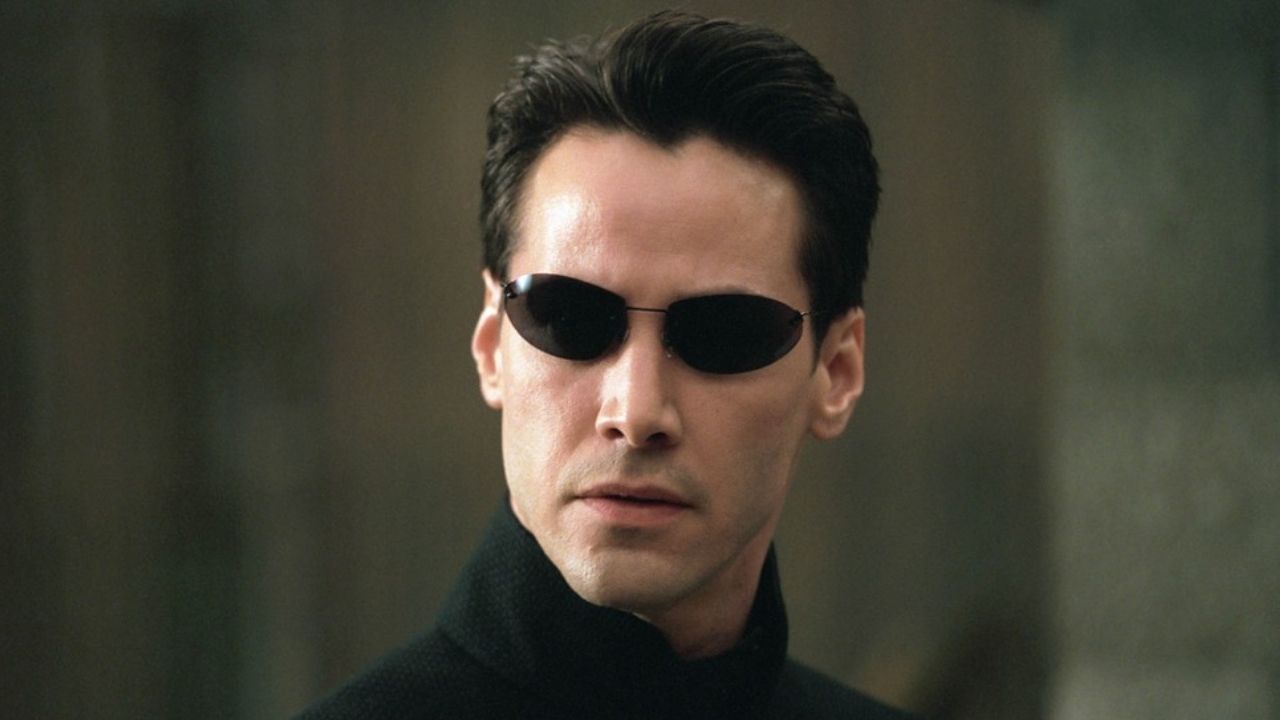
When ‘The Matrix’ arrived in 1999, it quickly established itself as a sci-fi classic. The Wachowskis’ film combined philosophical questions with cyberpunk action, asking viewers to imagine a future where humanity unknowingly lived inside a simulated reality created by machines.
More than two decades later, that once-radical premise doesn’t resonate with everyone in quite the same way. During the promotional tour for ‘The Matrix Resurrections’ in 2021, Keanu Reeves shared a conversation with a teenager that left him genuinely surprised. The exchange highlighted just how differently younger generations view the line between the digital and physical worlds.
A Simple Question Changed Everything
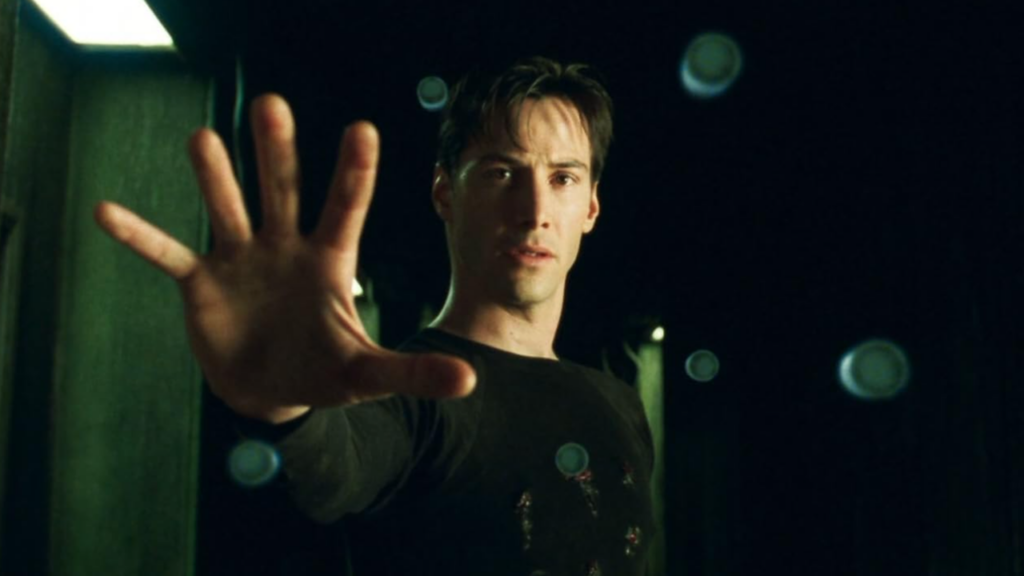
While speaking about ‘The Matrix’, Reeves recalled trying to explain the original film’s story to the teenage daughter of one of his colleagues, who had never seen it.
Rather than diving into the movie’s complex mythology, he summarized the premise as simply as possible. “Well, there’s this guy who’s in a kind of virtual world,” Reeves explained. “And he finds out that there’s a real world, and he’s really questioning what’s real and what’s not real. And he really wants to know what’s real.”
Related: The Forgotten Keanu Reeves Film That Nearly Killed Two Careers
To audiences who first watched ‘The Matrix’ in 1999, that dilemma was the heart of the film. Neo’s decision to pursue the truth, regardless of how painful it might be, became one of the movie’s defining ideas.
The teenager, however, had a very different reaction. After listening to Reeves’ explanation, she simply asked, “Why?” When Reeves looked puzzled, she followed it up with another question that caught him completely off guard: “Who cares if it’s real?”
Why The Response Stayed With Keanu Reeves
Reeves later admitted the exchange stuck with him because it reflected a dramatic cultural shift rather than simple teenage indifference. When ‘The Matrix’ first premiered, the internet was still in its early years. Most people naturally separate their online lives from the real world, making the idea of escaping a digital simulation feel both frightening and urgent.
In Case You Missed It: Salma Hayek Reveals The Hilarious Reason She Lost The Role Of Trinity In ‘The Matrix’
Today’s younger generations have grown up in a completely different environment. Much of their social life, entertainment, and communication already takes place online, making digital spaces feel like a normal extension of everyday life rather than something artificial.
Looking back on the conversation, Reeves realized that the teenager wasn’t rejecting the film’s premise. Instead, she was questioning why the distinction between virtual and physical reality should matter as much as it did to previous generations.
The Film’s Questions Feel Different Today
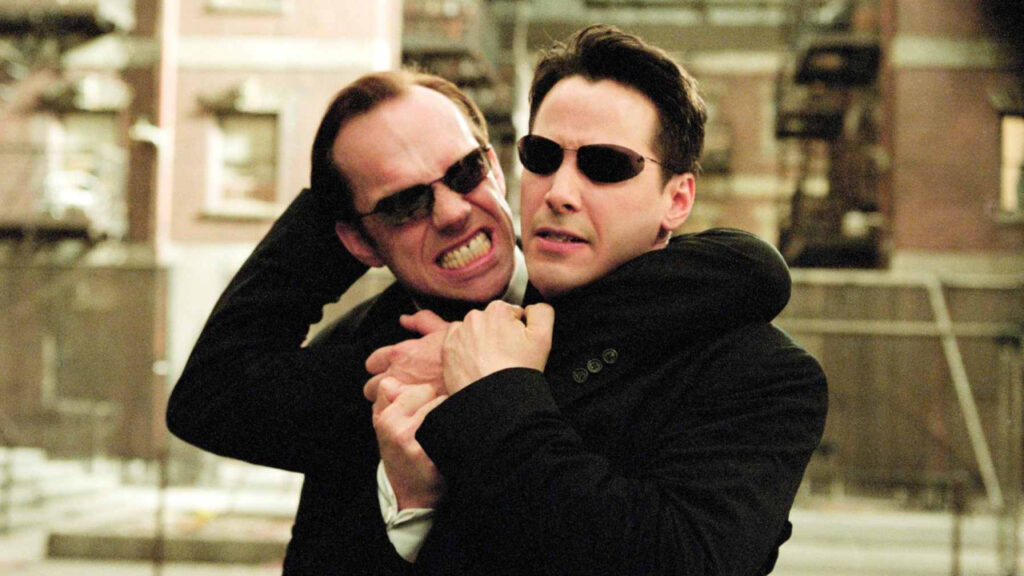
Reeves has also spoken about how rapidly technology has evolved since ‘The Matrix’ first reached cinemas. Developments such as artificial intelligence and deepfake technology have made questions about authenticity far more complicated than they once seemed.
Reflecting on those changes, he warned that society would increasingly be forced to confront “the value of real, or the non-value.” For Reeves, that debate has become one of the defining issues of the modern digital age.
That perspective gives his conversation with the teenager an unexpected significance. In 1999, Neo’s journey centered on escaping an artificial world to discover reality. Today, many young people have grown up in environments where digital experiences feel just as meaningful as physical ones.
The exchange didn’t diminish ‘The Matrix’ or its legacy. If anything, it demonstrated how the film continues to provoke new conversations. The questions remain the same, but each generation seems to arrive at very different answers.
You Might Also Want To Read: Why ‘The Lives of Others’ Is The Ultimate Psychological Political Thriller










Although you live in a simulated reality where you observe the projected documentary, you still think it is real as your senses are completely deceived.
Comments are closed.