
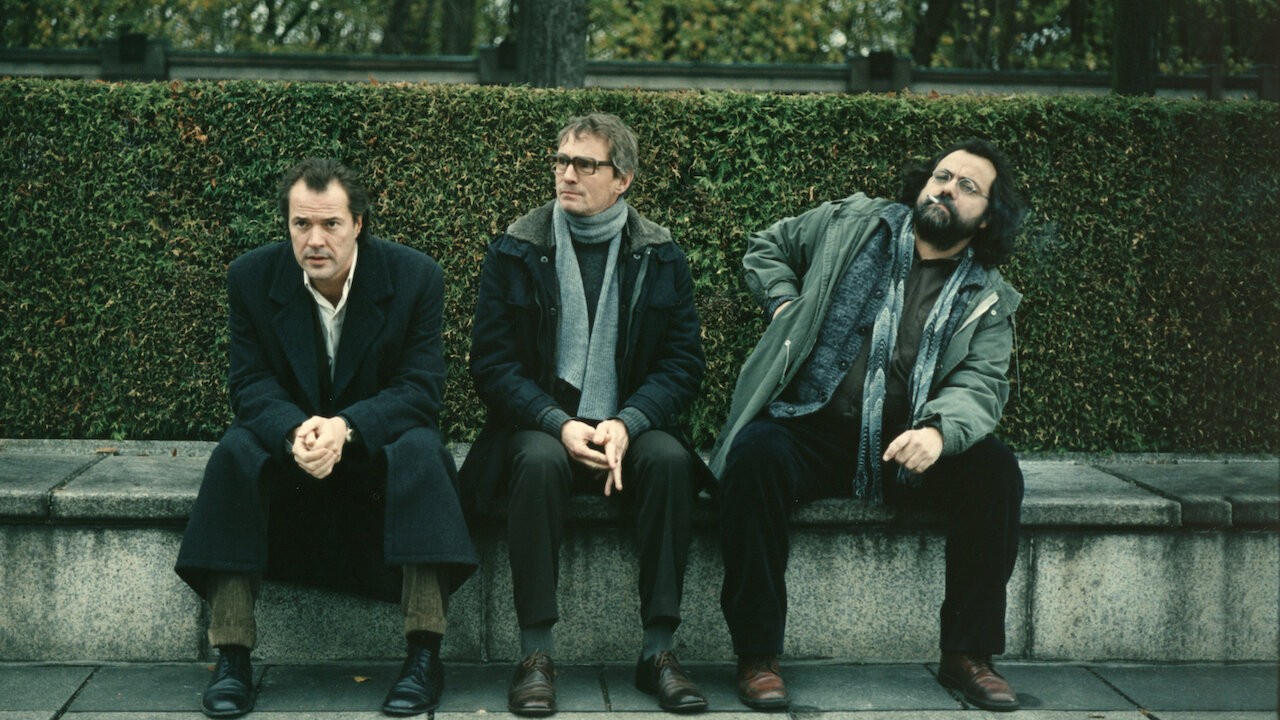
In his stunning 2006 film ‘The Lives of Others,’ German Florian Henckel von Donnersmarck depicts the frightening experience of life under a totalitarian regime in 1984 East Germany. The main hero is a cold-blooded surveillance agent, Gerd Wiesler, code-named HGW XX/7, who gets assigned by his boss to install a bug in the flat of a popular playwright, Georg Dreyman.
Instead of discovering dissident activities, Wiesler discovers a dirty bureaucratic reality: the order was given by the Minister of Culture Bruno Hempf, who wanted to satisfy his sensual interests in Christa-Maria Sieland, with whom the actor Dreyman lived. From this point on, the movie turns from a routine political story into a terrifying psychological drama about the slow destruction of human conscience under a totalitarian police state.
A Single Image Inspired ‘The Lives of Others’
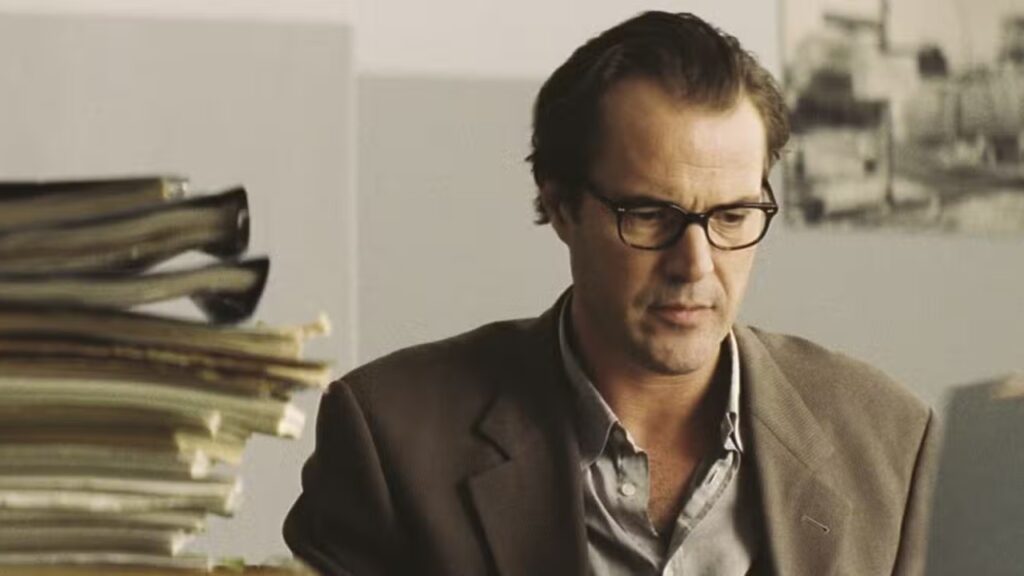
The film is powerful for its contemplative look at morality and its depiction of how art can penetrate people’s ideological conditioning. When Dreyman’s black-listed friend commits s—–, he writes an article for Der Spiegel in West Germany using his ultra-flat Groma Kolibri typewriter with the red ribbon, exposing to public attention the secret s—– rates in the country.
As he listens through his headphones, Wiesler experiences the transformation within him: the sympathetic Wiesler falsifies the records and conceals the evidence, rather than reporting a traitor.
This risky maneuver transforms the agent into a protector, leading to a fatal outcome: the system’s insecure suspicions cause the characters’ deaths and ruin, altering their moral compass forever.
Related: 10 Must-Watch Political Drama Films Based On Real Events
According to director Henckel von Donnersmarck, the idea for this psychological tug-of-war occurred to him while studying Lenin’s complicated attitude towards music.
He admits that, once Vladimir Lenin said that when he listened to Beethoven’s Appassionata, he wanted to pat people’s heads, but instead he had to hit them mercilessly because of his political obligations.
“I suddenly had this image in my mind of a person sitting in a depressing room with earphones on his head and listening in to what he supposes is the enemy of the state and the enemy of his ideas, and what he is really hearing is beautiful music that touches him,” Donnersmarck told a New York Times reporter about the sudden inspiration.
Muted Greys And Hidden Lives
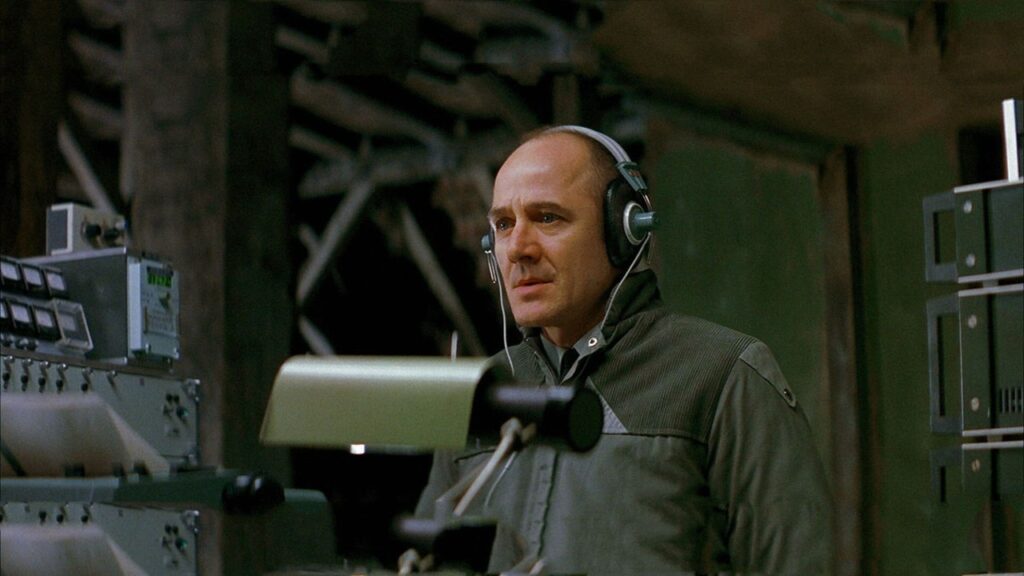
The powerful image of a man listening to music through earphones is charged with the historical truthfulness. “I sat down and in a couple of hours had written the treatment,” the director added. Being a child at the time, Henckel von Donnersmarck remembered the fear that choked the subjects of that state.
To convey that atmosphere, cinematographer Hagen Bogdanski deliberately used a muted, Brechtian grey palette that reflected the totalitarian regime’s forced concealment of humanity. “They were very dark. Everything was happening inside, in private,” Bogdanski explained.
In Case You Missed It: Top 10 Must-Watch Political TV Shows
‘The Lives of Others‘ received overwhelming international acclaim and won the Academy Award, yet its redemptive character arc became a subject of heated historical debate during filming.
Filmmakers faced serious difficulties while trying to get permission to shoot the scenes in the notorious Hohenschönhausen prison, the place of historical Stasi oppression.
The director of the prison’s memorial, Hubertus Knabe, categorically forbade filming there since he strongly opposed any kind of humanization of a secret police agent.
Beyond The Berlin Wall
As von Donnersmarck argued that it was historically justified to portray the character of Oskar Schindler in such a positive manner in ‘Schindler’s List,’ Knabe replied with an unsettling remark about the GDR’s brutality: “But that is exactly the difference,” Knabe argued.
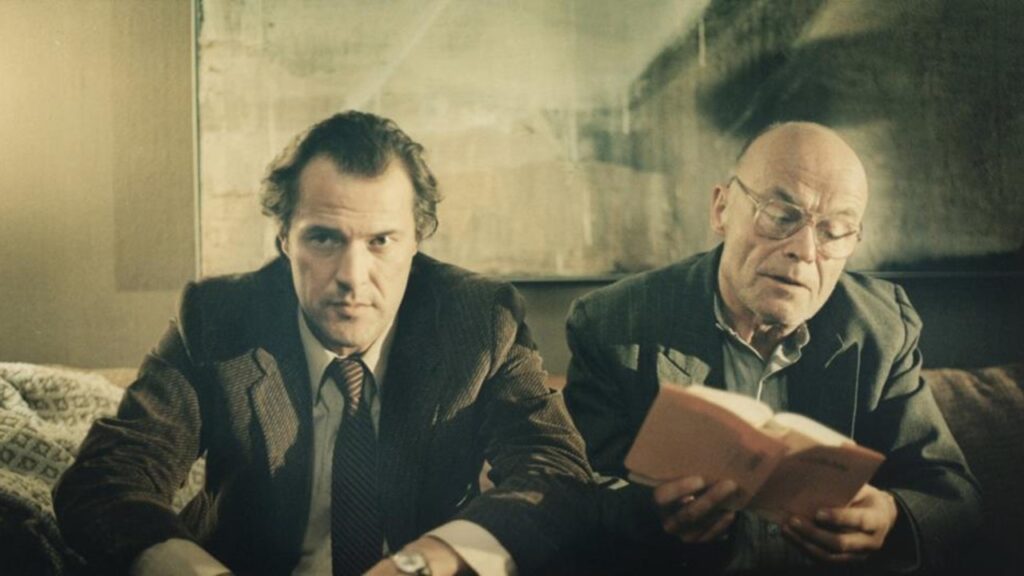
“There was a Schindler. There was no Wiesler.” This reality only makes the film’s final act even more powerful. Once the Berlin Wall fell, Dreyman learns the truth about Wiesler, who now works as a postman, seeing his red fingerprints on the report stating that the agent intercepted the dangerous red-ribbon typewriter.
Instead of meeting Wiesler in person, the writer dedicates his novel “Sonata about a Good Person” to him. By ending the film with Wiesler’s iconic acknowledgment of the tribute, the filmmakers prove their point and give viewers a powerful psychological reward—a demonstration that even in a world where betrayal reigns, the human soul will eventually find its way to the light.
You Might Also Like To Read: Top 25 Movies Based On True Stories