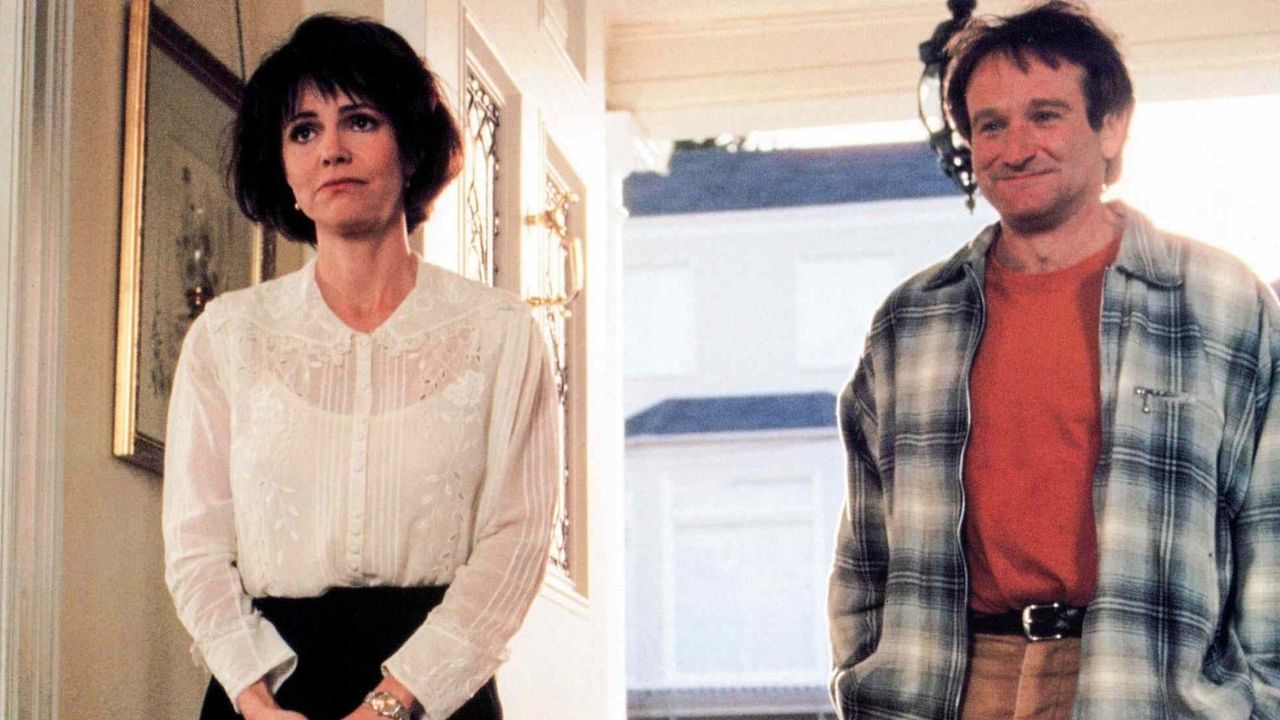

Michelle Williams appears on screen for only a short portion of Kenneth Lonergan‘s ‘Manchester by the Sea’, yet her performance left one of the deepest impressions in the film. The role ultimately earned her an Academy Award nomination for Best Supporting Actress and became one of the most celebrated performances of her career.
Williams invested heavily in preparation before filming began, making that achievement even more remarkable. To understand Randi, a working-class woman from Massachusetts’ North Shore, Williams spent weeks observing strangers, visiting local communities, and studying everyday life in the region where the story unfolds.
Michelle Williams Turned Preparation Into Field Research
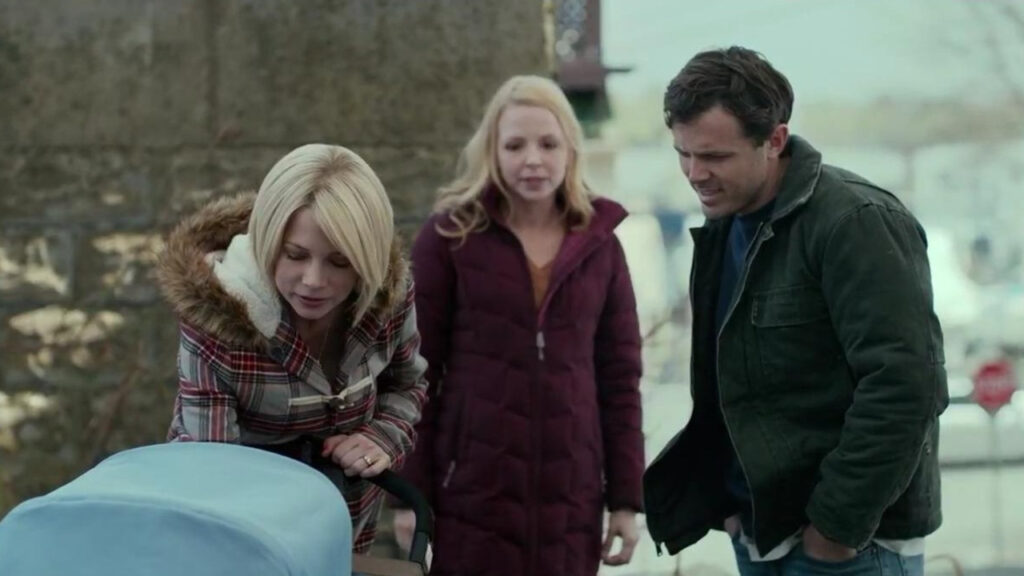
Rather than limiting herself to script analysis, Williams traveled to Massachusetts repeatedly before production. She rode trains along the coast, wandered through shopping centers, and struck up conversations with residents whenever the opportunity presented itself.
In interviews, Williams said she stopped women on the street and asked where they shopped and styled their hair.
She studied accents, speech patterns, clothing choices, and mannerisms, believing those details would help her create an authentic character.
Her research soon became more immersive. After meeting locals, Williams accepted invitations into their homes, spending time with families and listening to stories about their lives.
One visit led to a morning spent with a mother of four, during which the actress observed family dynamics and everyday routines firsthand.
Williams later explained that the place was central to the film’s identity. Because ‘Manchester by the Sea‘ draws so much of its identity from Massachusetts, Williams wanted to understand the people there and observe their daily rhythms.
How The Research Shaped Her Most Powerful Scene
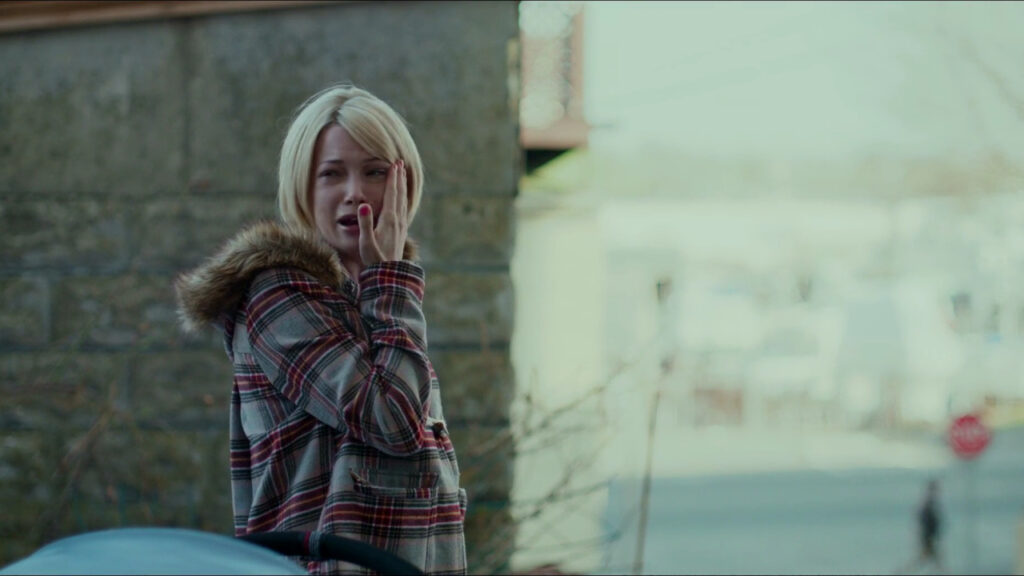
The observations Williams gathered during those trips ultimately informed every aspect of Randi’s performance. Williams based Randi’s clothing, hairstyle, accessories, posture, and physical behavior on real women she encountered during her research rather than on generalized assumptions about the character.
That preparation proved especially important during the film’s most celebrated sequence. Late in the story, Randi unexpectedly encounters her former husband amid an unimaginable tragedy.
In Case You Missed It: Anna Faris Was Terrified of ‘Scary Movie’ and Literally Thought She Was Not Funny
Williams later admitted that both actors felt nervous before filming the scene because of its emotional weight and technical complexity. The exchange relies on overlapping dialogue, interrupted thoughts, and raw emotional vulnerability, leaving little room for error.
Williams lends the scene authenticity beyond the writing, drawing on observations she gathered during her research. Randi’s mannerisms, nervous energy, and emotional reactions feel grounded in lived reality rather than pure imagination.
Knowing she had limited screen time, Williams tried to make every moment count. The result was a performance that resonated far beyond its runtime and earned widespread critical acclaim.
Her Oscar nomination confirmed what audiences and critics already knew. Weeks spent observing life along Massachusetts’ North Shore paid off on-screen.
You Might Also Like To Read: 10 Controversial Movies That Were Banned In America